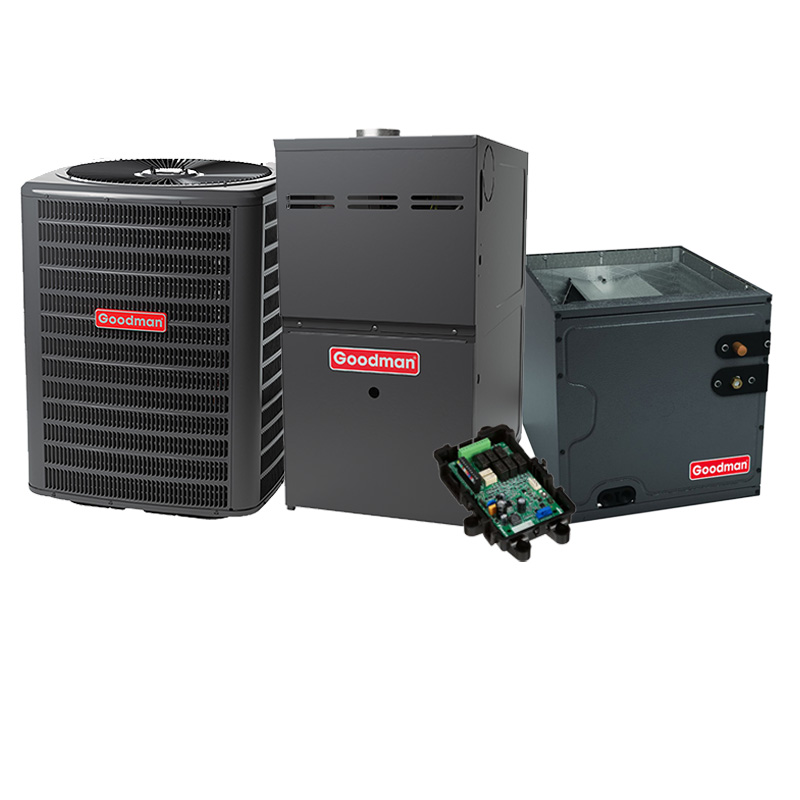
Goodman 3.5 Ton 13.6 SEER2 60000 BTU 80% Two-Stage Variable Speed Gas Furnace With R32 AC Condenser And Coil System – Horizontal
View on AC Direct see your lowest price →Check current price on AC Direct →
Key features
- 3.5-ton cooling capacity with 13.6 SEER2 efficiency rating
- 60,000 BTU two-stage gas furnace at 80% AFUE
- Variable-speed ECM blower motor for quieter, more consistent airflow
- R-32 refrigerant with approximately 70% lower global warming potential than R-410A
- Horizontal configuration suited to attic, crawl-space, or side-discharge installations
- Matched coil included for factory-verified system compatibility
About this system
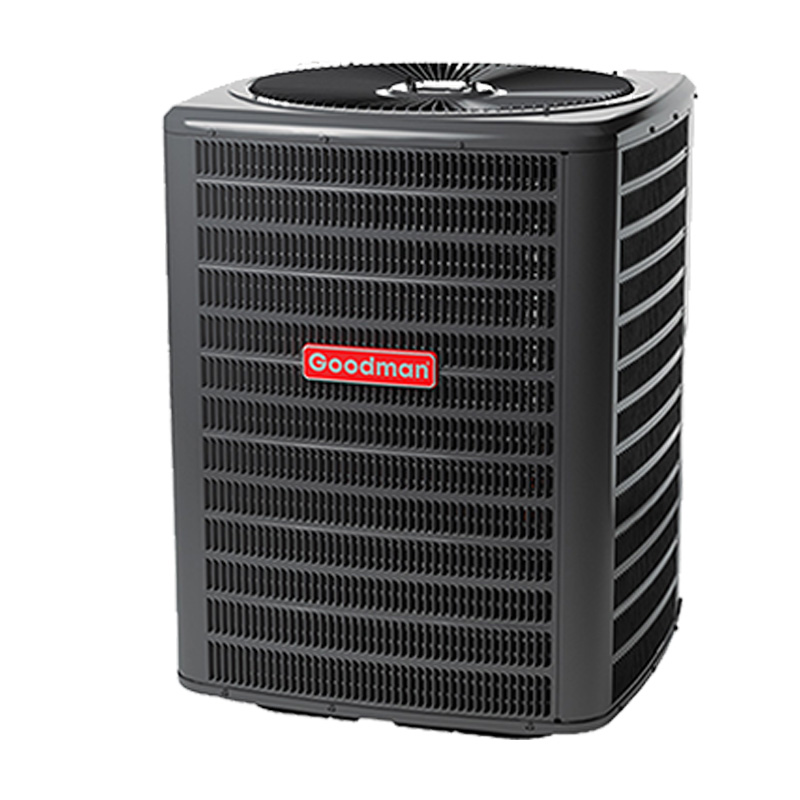
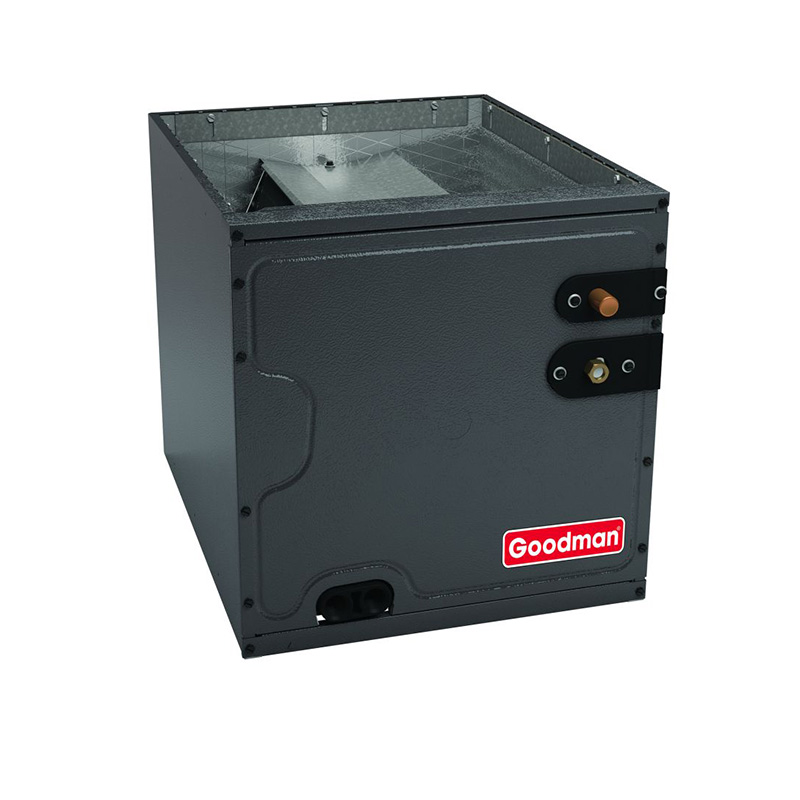
This Goodman bundle pairs a 3.5-ton R-32 air conditioning condenser and matching evaporator coil with a 60,000 BTU 80% AFUE two-stage, variable-speed gas furnace in a horizontal configuration, making it a practical choice for homes where the air handler sits in a crawl space, attic, or closet with side-discharge ductwork. At 13.6 SEER2, the cooling efficiency clears the federal minimum for most U.S. regions but stops short of the mid-to-high efficiency tier, which means lower upfront cost at the price of slightly higher summer energy bills compared to 16+ SEER2 alternatives. R-32 refrigerant is a step forward environmentally, carrying a global warming potential roughly 70 percent lower than the R-410A it replaces, and it is the direction the industry is broadly heading.
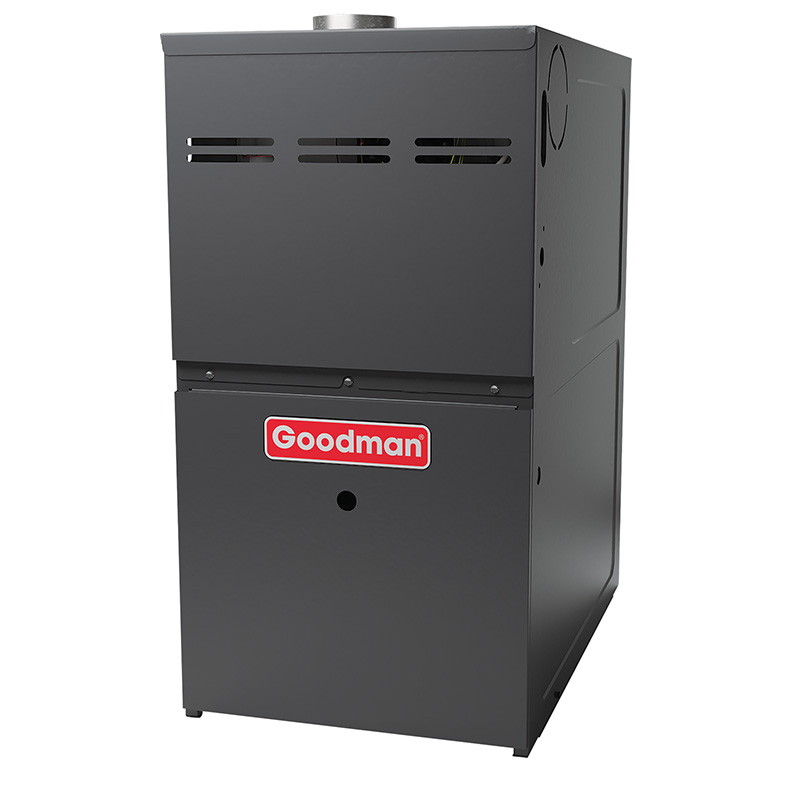
The two-stage furnace is a meaningful comfort upgrade over single-stage models. Running on low fire the majority of the time, it reduces temperature swings, cycles less aggressively, and allows the variable-speed blower to move air quietly and consistently. The 80% AFUE rating means one-fifth of the fuel energy exits through the flue, so homeowners in climates with long, cold heating seasons may want to weigh a 96% AFUE alternative before committing. That said, 80% remains a reasonable fit for mild-to-moderate heating climates or homes without an existing high-efficiency flue. The horizontal configuration also limits the installer pool slightly, since not every contractor works in crawl-space or attic environments regularly, and install quality is the single largest variable in how this system performs long-term.
This Goodman system delivers a functional, code-compliant split system at a price point that is hard to match from Carrier, Trane, or Lennox for similar staging and tonnage. The two-stage furnace and variable-speed blower are genuine comfort advantages over entry-level equipment, but the 13.6 SEER2 rating and 80% AFUE are modest by current standards, and the brand's track record includes documented coil leak and capacitor issues that buyers should factor into their long-term cost estimate. It is a reasonable value if installed carefully and maintained consistently, not a set-and-forget solution.
Overall score is the average of the five ratings above.
What we like
- Priced 15 to 25 percent below comparable Trane, Lennox, and Carrier configurations
- Two-stage furnace reduces temperature swings and short-cycling compared to single-stage units
- Variable-speed ECM blower operates quietly and improves humidity control during cooling
- R-32 refrigerant offers a lower environmental impact and is well-supported by current service technicians
- Matched coil included, simplifying the purchasing process and confirming AHRI system ratings
Trade-offs
- 13.6 SEER2 is near the efficiency floor, so energy savings over a 16+ SEER2 system are forfeited each summer
- 80% AFUE means noticeable fuel waste in colder climates where a 96% AFUE furnace would pay back the cost difference
- Documented failure modes include evaporator coil leaks and capacitor failures, with repair costs that can climb after year 7
- Horizontal installations require a contractor experienced with that configuration; poor installation is the leading cause of early problems with this brand
What homeowners and pros say about Goodman
Homeowners who have lived with a Goodman system tend to split along a familiar line. Those who had a skilled installer and kept up with annual maintenance often report years of uneventful operation and point to the lower purchase price as the right call for their budget. Those who ran into trouble cite repair bills after the seven-year mark, with dual-run capacitor failures being the most common first repair, typically a 300 to 600 dollar fix, and evaporator coil leaks showing up as the costlier, more frustrating follow-on problem. On Google dealer reviews, the brand and its authorized contractors average around 3.8 out of 5 across hundreds of location-level reviews, where affordability is the word that comes up most consistently. On ConsumerAffairs, the score drops to roughly 2.5 out of 5, a channel that captures a disproportionate share of dissatisfied owners, but the concentration of complaints around years 7 through 10 is a pattern worth taking seriously when planning a maintenance budget.
HVAC professionals who work on Goodman equipment regularly tend to have a pragmatic view of the brand. They note that compressors on Goodman units average around 10 to 14 years in real-world conditions, a shorter window than the 15 to 20 years more commonly reported for premium brands, and that a minority of owners encounter refrigerant leaks within the first year, usually traced back to installation or charging errors rather than a factory defect. The two-stage furnace and variable-speed blower in this specific configuration are viewed as genuine upgrades over base-tier Goodman equipment, giving the system a better chance of performing consistently if the install is done right. The technician consensus is consistent: with Goodman, the installer matters as much as the equipment itself.
Sources: ConsumerAffairs Goodman owner reviews, AHRI Directory of Certified Product Performance, U.S. DOE appliance and equipment efficiency standards, Goodman product specification sheets.
What it costs to run
At 13.6 SEER2, cooling this 3.5-ton system for a typical 1200-hour cooling season at the U.S. average electricity rate of $0.17/kWh works out to roughly $630 per year in cooling, about $9 less per year than a minimum-efficiency 13.4 SEER2 unit of the same size. Your real cost depends on your climate and local rate.
Method: (42,000 BTU/hr ÷ 13.6 SEER2) × 1200 hours ÷ 1000 × $0.17/kWh. Rate source: U.S. EIA average; cooling hours: moderate-climate estimate.
How it compares
| Brand | Comparable model | SEER2 | Stage | Price position |
|---|---|---|---|---|
| Goodman | 3.5T 13.6 SEER2 / 60K BTU 80% Two-Stage VS Horizontal Bundle | 13.6 | Two-stage furnace / single-stage condenser | Value pick |
| Carrier | Performance 13 (24ACC6) with 58TP Gas Furnace | 13.4 | Single-stage | Typically 20 to 30 percent higher than this Goodman bundle |
| Trane | XR14 (4TTR4) with S9V2 Two-Stage Gas Furnace | 14.3 | Two-stage furnace / single-stage condenser | Typically 25 to 35 percent higher than this Goodman bundle |
| Lennox | Merit ML14XC1 with ML180UH Two-Stage Gas Furnace | 13.8 | Two-stage furnace / single-stage condenser | Typically 20 to 30 percent higher than this Goodman bundle |
Competitor rows are comparable single-stage units at similar efficiency; price is relative position, not a quote.
Questions about this system
What does the horizontal configuration actually mean, and does my installer need special experience for it?
Horizontal means the air handler is oriented on its side, with supply air exiting from the end rather than the bottom or top. This is common in attics and low crawl spaces. Not every HVAC technician works in these environments routinely, and a poorly supported or improperly pitched horizontal unit can develop condensate drainage problems, so confirming your contractor has horizontal-install experience is worth the conversation before you book the job.
Is 13.6 SEER2 going to cost me noticeably more on my electric bill than a higher-efficiency unit?
Compared to a 16 SEER2 system of the same tonnage, the difference in seasonal cooling cost is real but moderate, typically in the range of 10 to 15 percent more in electricity for the cooling season depending on local rates and usage. In a climate where you run the AC heavily for five or more months, that gap adds up over a 10-year ownership period, so the math is worth running for your specific situation.
Goodman scores about 2.5 on ConsumerAffairs. Should I be worried?
ConsumerAffairs skews toward dissatisfied owners, so a 2.5 there does not mean half of all units fail. The more useful signal is the recurring complaint theme, which in Goodman's case centers on repair costs rising after roughly year 7, particularly dual-run capacitor failures and evaporator coil leaks. Budgeting for a service contract or setting aside a small maintenance reserve is a reasonable precaution with this brand.
Why does this system use R-32 instead of R-410A, and does that affect servicing costs?
R-32 is the industry's current transition refrigerant, chosen for its lower global warming potential. It is mildly flammable, which requires certified technicians to follow updated handling procedures, but it is widely available and most HVAC companies are already equipped to work with it. Service costs for R-32 systems are not meaningfully higher than for R-410A systems at this time.
The specs show 80% AFUE. How much does that matter compared to a 96% AFUE furnace?
At 80% AFUE, 20 cents of every dollar spent on gas exits through the flue uncaptured. A 96% AFUE furnace reclaims most of that, which translates to meaningful annual savings in colder climates with long heating seasons. In a mild heating climate or a home that relies more on the AC side, the payback period for the more expensive 96% unit stretches out, and the 80% option can make financial sense.
Specifications
| Cooling capacity | 3.5 Ton |
| Efficiency | 13.6 SEER2 |
| Furnace output | 60000 BTU |
| Configuration | Horizontal |
| Refrigerant | R-32 |