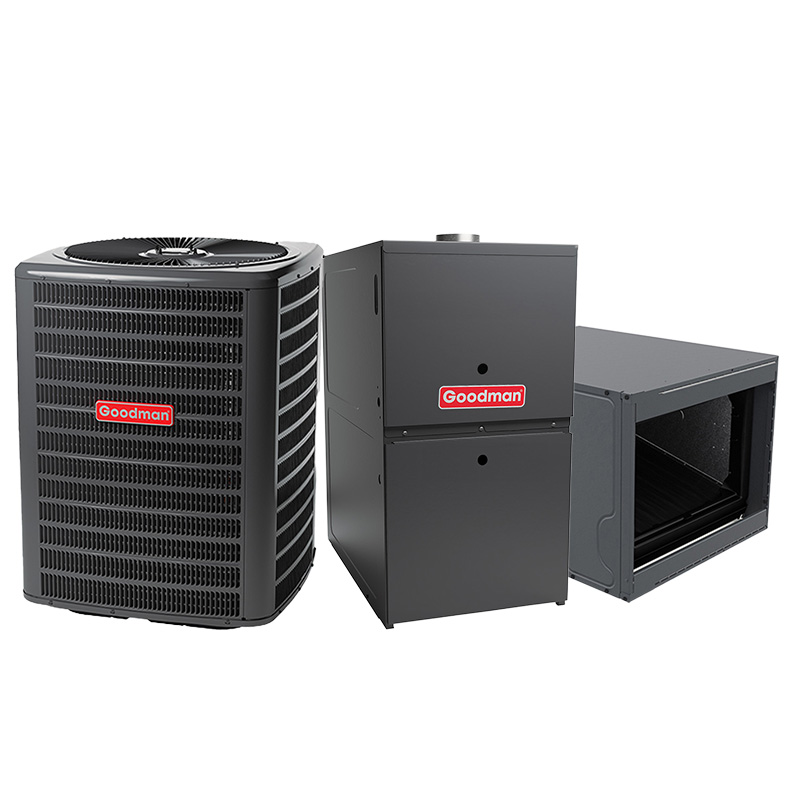
Goodman 3.5 Ton 13.6 SEER2 AC & Gas Furnace System – Two Stage Variable-Speed, 100000 BTU Gas Furnace, 80% AFUE, Horizontal, R32
View on AC Direct see your lowest price →Check current price on AC Direct →
Key features
- 3.5-ton two-stage AC rated at 13.6 SEER2, meeting current federal minimum efficiency standards
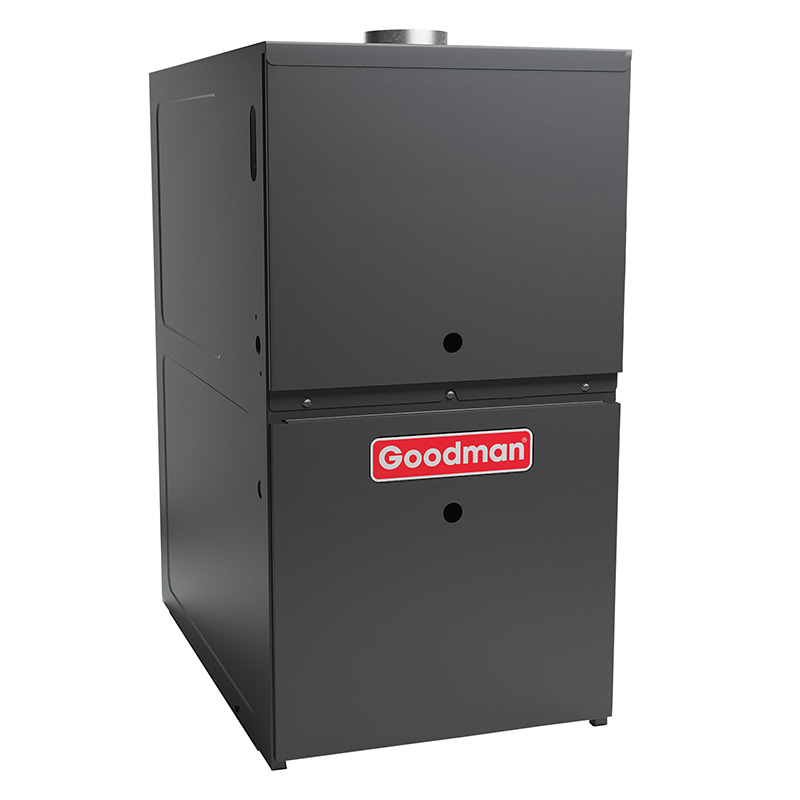
- 100,000 BTU horizontal gas furnace with 80% AFUE for attic or crawlspace installations
- Variable-speed ECM blower motor for quieter operation and improved humidity control
- R-32 refrigerant with lower global-warming potential than outgoing R-410A
- Two-stage cooling reduces short cycling, temperature swings, and compressor wear on mild days
- Goodman factory warranty coverage (registration required for full term)
About this system
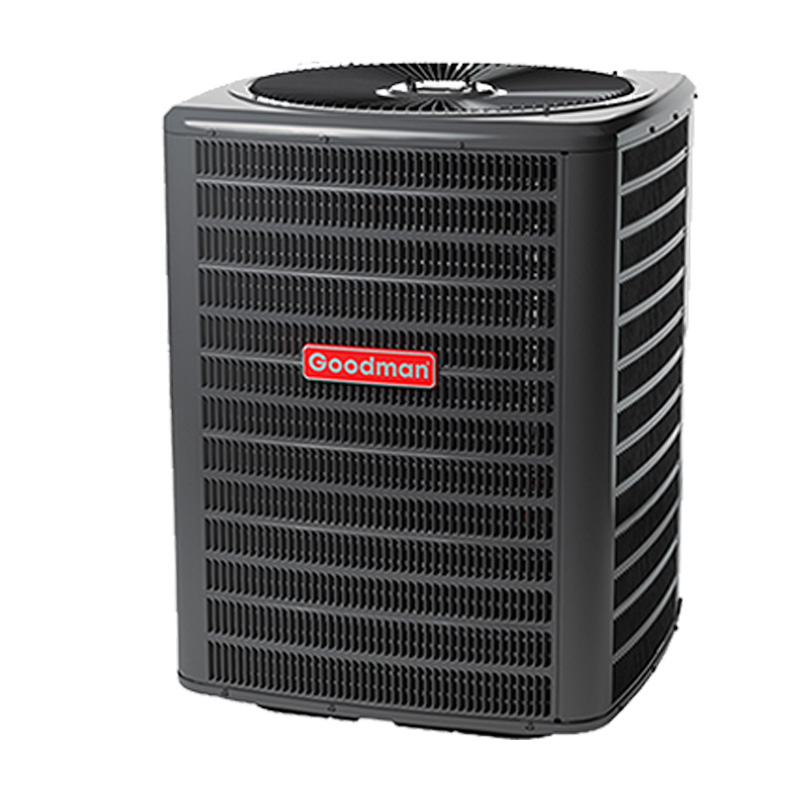
The Goodman 3.5-ton 13.6 SEER2 two-stage, variable-speed system pairs a split-system air conditioner with a horizontal 100,000 BTU, 80% AFUE gas furnace, making it a practical choice for homes with attic or crawlspace ductwork where vertical installation is not an option. At 3.5 tons, it targets homes roughly in the 1,800 to 2,400 square foot range, though actual sizing depends on your climate zone, insulation, and Manual J load calculation. The two-stage outdoor unit runs at a lower capacity on mild days, cutting runtime noise and reducing temperature swings compared to single-stage equipment.
The 13.6 SEER2 rating sits at the current federal minimum efficiency tier for most U.S. regions, so you are not getting a premium-efficiency system, but you are meeting code and avoiding the cost premium of higher-SEER2 options. The 80% AFUE furnace is similarly entry-level on the efficiency scale, meaning roughly 20 cents of every heating dollar exits through the flue. Homeowners in colder climates or those with high gas bills should weigh whether a 96% AFUE model would pay back the price difference over time. R-32 refrigerant is a lower global-warming-potential option compared to the older R-410A it is replacing industry-wide, which is a forward-looking spec choice.
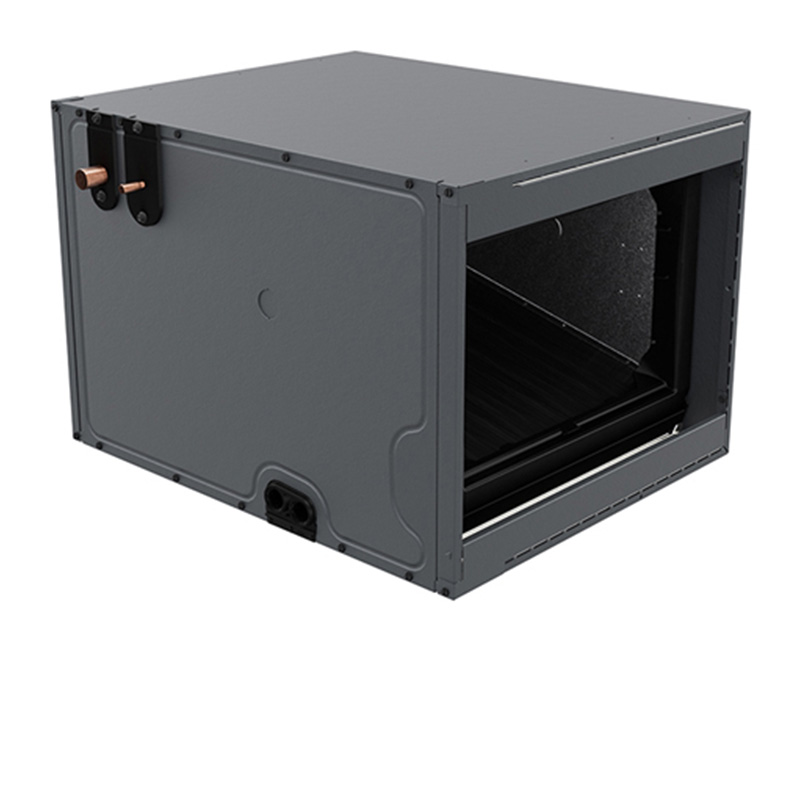
The variable-speed blower motor in the air handler delivers quieter, more consistent airflow than a standard multi-speed motor and improves dehumidification in humid climates. This system suits budget-conscious buyers replacing aging equipment who want a functional, warrantied system without the price of a premium brand, provided they invest in a qualified installer, which is the single largest factor in how long any Goodman system performs.
This Goodman bundle delivers a functional two-stage, variable-speed system at a price point 15 to 25 percent below comparable Trane, Carrier, and Lennox configurations, which is its primary appeal. Efficiency is at the low end of the current market, and the brand's documented reliability record beyond year 7 introduces real ownership risk. For budget-focused buyers who hire a skilled installer and plan to maintain the equipment, it is a defensible choice; for buyers expecting premium longevity or minimal service calls, the calculus is less clear.
Overall score is the average of the five ratings above.
What we like
- Priced 15 to 25 percent below comparable premium brand systems, lowering upfront cost
- Two-stage operation improves comfort and reduces short cycling versus single-stage alternatives at the same efficiency tier
- Variable-speed blower enhances dehumidification and reduces noise during low-demand operation
- R-32 refrigerant is a more environmentally responsible choice aligned with industry direction
- Horizontal configuration directly addresses attic and crawlspace installations where vertical units cannot fit
Trade-offs
- 80% AFUE is the lowest efficiency tier available; homeowners in cold climates will spend more on gas than with a 95-plus AFUE furnace
- 13.6 SEER2 is at the federal minimum, offering no headroom for utility rebates or efficiency savings compared to mid- or high-efficiency AC options
- Documented owner complaints include dual-run capacitor failures, evaporator coil leaks, and compressor lifespans averaging 10 to 14 years, shorter than the 15 to 20 years seen in premium brands
- Performance is heavily dependent on installer quality; a poorly charged or configured system can accelerate the failure modes the brand is already known for
What homeowners and pros say about Goodman
Homeowners who have owned Goodman systems tend to split into two camps that line up with how the equipment was installed and maintained. On Google dealer reviews, Goodman equipment averages around 3.8 out of 5 stars, and the most consistent praise is straightforward: it cost less than the competition and it is cooling or heating the house. Those who report trouble tend to surface on channels like ConsumerAffairs, where Goodman sits at roughly 2.5 out of 5, and the recurring story is repair costs climbing after about year 7. The documented failure modes are specific: dual-run capacitors fail frequently and are a low-cost fix in the $300 to $600 range, but evaporator coil leaks and compressor failures are more disruptive, and Goodman compressors are broadly reported to average 10 to 14 years in service versus 15 to 20 years for premium brands.
HVAC technicians are generally candid that Goodman equipment is not inherently bad, but it leaves less margin for error during installation and less tolerance for deferred maintenance than a Trane or Carrier unit. The first-year refrigerant leaks that a minority of owners report are almost always traced to install or charge errors rather than factory defects, which underscores how much the installer matters with this brand. For this specific system, the two-stage compressor and variable-speed blower are genuine comfort upgrades over a base single-stage unit, and R-32 refrigerant reflects where the industry is heading. The honest summary is that this system can serve a household well for a decade or more if it is installed correctly and serviced on schedule, but buyers should not expect the same fault tolerance or longevity ceiling that a premium brand’s warranty and component quality tend to support.
Sources: ConsumerAffairs Goodman owner reviews, AHRI Directory of Certified Product Performance, U.S. DOE appliance and equipment efficiency standards, Goodman product specification sheets.
What it costs to run
At 13.6 SEER2, cooling this 3.5-ton system for a typical 1200-hour cooling season at the U.S. average electricity rate of $0.17/kWh works out to roughly $630 per year in cooling, about $9 less per year than a minimum-efficiency 13.4 SEER2 unit of the same size. Your real cost depends on your climate and local rate.
Method: (42,000 BTU/hr ÷ 13.6 SEER2) × 1200 hours ÷ 1000 × $0.17/kWh. Rate source: U.S. EIA average; cooling hours: moderate-climate estimate.
How it compares
| Brand | Comparable model | SEER2 | Stage | Price position |
|---|---|---|---|---|
| Goodman | 3.5-ton 13.6 SEER2 Two-Stage / 100K BTU 80% AFUE Horizontal Bundle | 13.6 | Two-stage / Variable-speed blower | Value pick |
| Carrier | Comfort 14 Series (CA14NA + 80% AFUE 58SB) | ~14 | Single-stage | Typically 15 to 25 percent more than the Goodman bundle |
| Trane | XR14 Series (4TTR4 + 80% AFUE S8X1) | ~14 | Single-stage | Typically 15 to 25 percent more than the Goodman bundle |
| Lennox | Merit 14 Series (13ACX + 80% AFUE ML180) | ~14 | Single-stage | Typically 15 to 25 percent more than the Goodman bundle |
Competitor rows are comparable single-stage units at similar efficiency; price is relative position, not a quote.
Questions about this system
Is 80% AFUE really going to cost me noticeably more to heat my home?
Yes, compared to a 96% AFUE furnace, you are losing roughly 16 cents of every heating dollar up the flue. In a cold climate with high gas usage, that gap can add up to hundreds of dollars per heating season, and a high-efficiency upgrade may pay back within several years. In a mild climate with low heating loads, the payback period stretches considerably.
Why does the horizontal configuration matter, and can this furnace be installed vertically?
This unit is configured specifically for horizontal installation, which is common in attic or crawlspace setups where the furnace lies on its side. Installing a horizontal-configured furnace in an upright vertical position can cause drainage and safety issues; if you need vertical installation, you would want a different configuration from Goodman's lineup.
What are the most likely repairs I should budget for over the life of this system?
Based on documented owner reports, dual-run capacitor failure is the most common issue and typically runs between $300 and $600 to fix. Evaporator coil leaks appear in a meaningful share of reviews and are a more expensive repair. Compressor life on Goodman equipment tends to average 10 to 14 years, so budgeting for a potential compressor replacement or system swap in that window is realistic.
Does R-32 refrigerant affect service costs if the system needs to be recharged?
R-32 is becoming more widely available as the industry transitions away from R-410A, but not every HVAC technician is currently equipped to handle it. You should confirm your service contractor is certified and equipped for R-32 work before scheduling any refrigerant-related service.
How important is the installer really, and what should I look for when hiring one?
Installer quality is widely cited by HVAC technicians as the single biggest factor in how long a Goodman system lasts. A minority of owners report refrigerant leaks in the first year, which is usually an installation or charge issue rather than a manufacturing defect. Look for a licensed contractor who performs a Manual J load calculation, pressure-tests the refrigerant circuit, and verifies airflow, rather than one who simply swaps equipment by tonnage.
Specifications
| Cooling capacity | 3.5 Ton |
| Efficiency | 13.6 SEER2 |
| Furnace output | 100000 BTU |
| Furnace efficiency | 80% AFUE |
| Configuration | Horizontal |
| Refrigerant | R-32 |