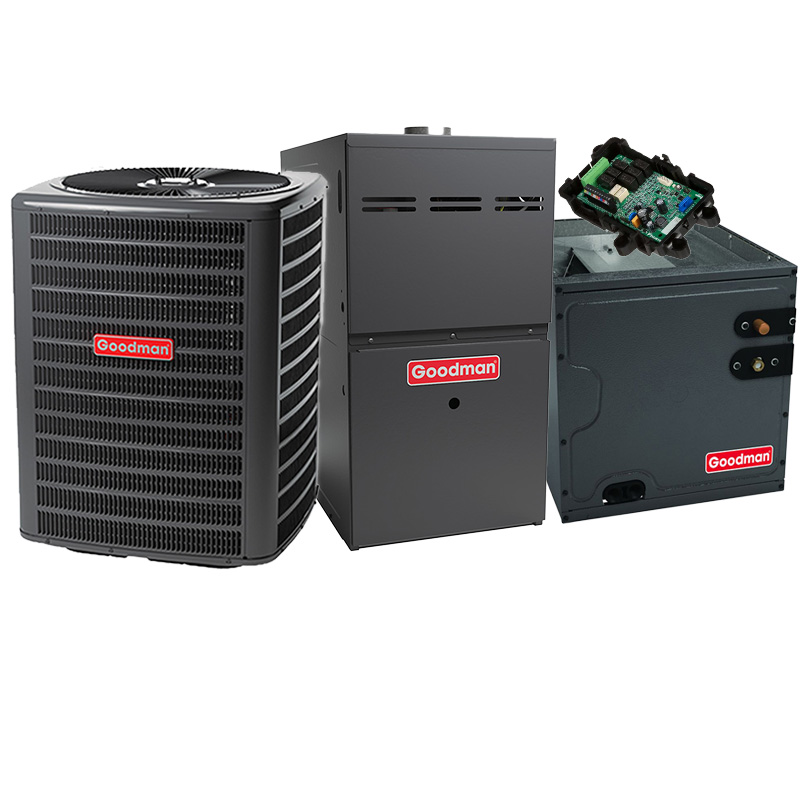
Goodman 3.5 Ton 13.8 SEER2 120000 BTU 96% AFUE Two-Stage Gas Furnace With R32 Air Condenser and Coil System – Upflow
View on AC Direct see your lowest price →Check current price on AC Direct →
Key features
- 3.5-ton cooling capacity with 13.8 SEER2 efficiency rating
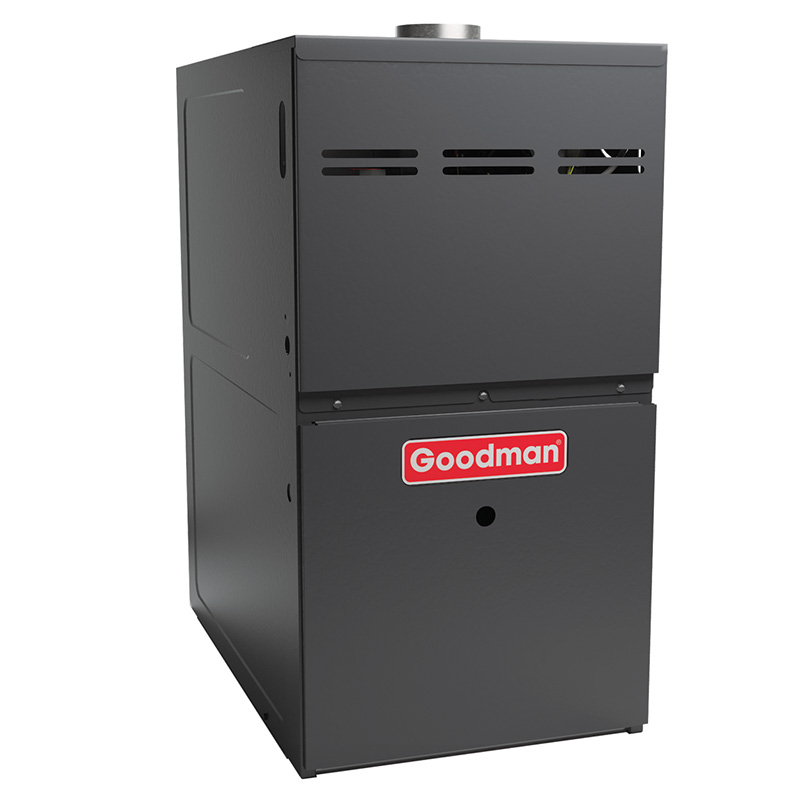
- 120,000 BTU two-stage gas furnace at 96% AFUE
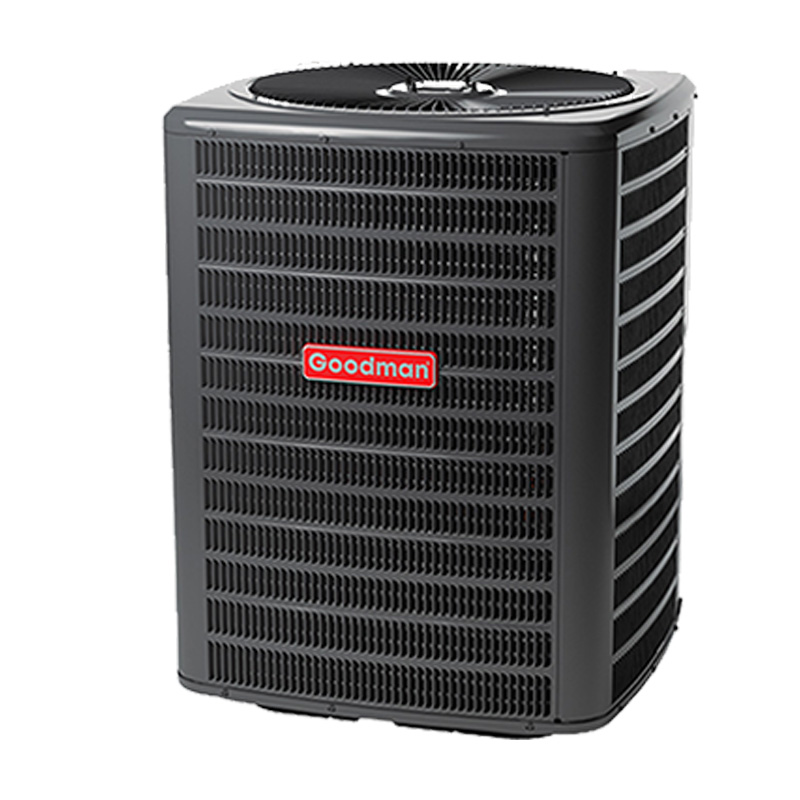
- R-32 refrigerant with lower global warming potential than R-410A
- Upflow air handler configuration for basement or ground-level installs
- Two-stage heating reduces temperature swings and short-cycling
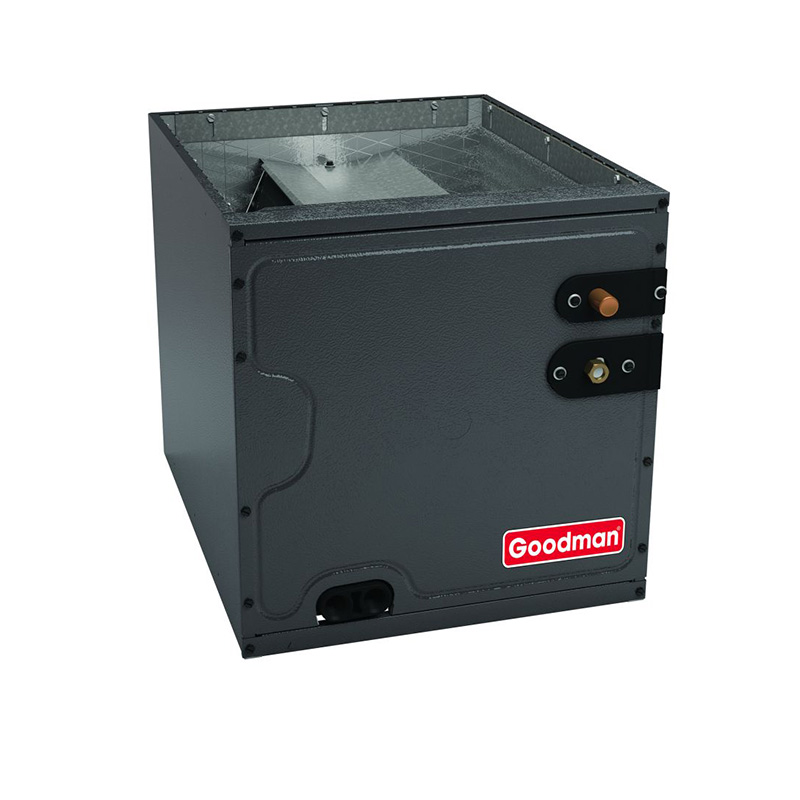
- Factory-matched coil and condenser for simplified commissioning
About this system
This Goodman upflow system pairs a 3.5-ton R-32 air condenser and matched evaporator coil with a 120,000 BTU, 96% AFUE two-stage gas furnace. That combination targets homes in the 1,800 to 2,600 square foot range, depending on climate zone, insulation quality, and ceiling height. The 13.8 SEER2 rating lands at the lower-efficiency entry point under the current DOE standard, which meets federal minimums for most northern regions but falls short of mid-tier or high-efficiency tiers. The two-stage furnace is a meaningful upgrade over single-stage models: it runs on a lower fire setting during mild weather, reducing temperature swings, lowering short-cycling, and trimming gas bills compared to a single-stage unit of the same BTU output.
The switch to R-32 refrigerant is worth noting. R-32 has a lower global warming potential than the R-410A it replaces and is becoming the industry standard, so future refrigerant availability and technician familiarity should be solid. The upflow configuration means the air handler draws return air from the bottom and pushes conditioned air upward, which suits basements, utility closets, and ground-level mechanical rooms. Buyers considering this system should understand that Goodman positions itself as a budget-friendly brand, typically priced 15 to 25 percent below Trane, Lennox, and Carrier, and that long-term performance is closely tied to installation quality and routine maintenance.
This Goodman system delivers a functional, code-compliant HVAC bundle at a price point that undercuts premium brands by a meaningful margin, and the two-stage furnace adds real comfort value over single-stage alternatives. Trade-offs include a compressor lifespan that tends to run shorter than premium competitors and documented failure modes, especially capacitors and evaporator coil leaks, that owners should budget for after year seven. It is a reasonable choice for cost-conscious buyers who use a vetted installer and commit to annual maintenance.
Overall score is the average of the five ratings above.
What we like
- Two-stage furnace improves comfort and reduces energy waste compared to single-stage 96% AFUE units
- 96% AFUE furnace efficiency recaptures most combustion heat, reducing heating bills in cold climates
- R-32 refrigerant is forward-compatible with industry direction and has better environmental profile than R-410A
- Factory-matched system simplifies installation and reduces the risk of mismatched component sizing
- Priced 15 to 25 percent below comparable Trane, Lennox, and Carrier systems, freeing budget for quality installation
Trade-offs
- 13.8 SEER2 is at the low end of current efficiency tiers, leaving energy savings on the table versus 16+ SEER2 systems
- Compressor lifespan averages 10 to 14 years versus 15 to 20 years for premium-brand compressors
- Dual-run capacitor failures are the most commonly reported repair, typically needed within the first 7 to 10 years
- A minority of owners report evaporator coil leaks and first-year refrigerant loss, which can indicate install or charge issues
What homeowners and pros say about Goodman
Homeowners and HVAC technicians tend to agree on a few points about Goodman equipment. On Google dealer review pages, the brand averages around 3.8 out of 5 stars across hundreds of reviews per location, and the most consistent praise is straightforward: the price is hard to argue with when budgets are tight. ConsumerAffairs tells a more cautious story, with Goodman sitting at roughly 2.5 out of 5, driven largely by owners who encountered repair bills after the seven-year mark. That pattern is consistent with the brand’s documented failure profile: dual-run capacitors are the most frequently reported breakdown, a repair that typically runs between 300 and 600 dollars and can catch owners off guard if they were not expecting it. Evaporator coil leaks also surface in a meaningful share of owner accounts, and compressor lifespan averages 10 to 14 years, noticeably shorter than the 15 to 20 years owners of premium-brand equipment report.
For this specific two-stage furnace and R-32 condenser bundle, technicians tend to flag two things: installation quality is the single biggest variable in how the system performs and how long it lasts, and the two-stage furnace is a genuine comfort upgrade over a basic single-stage unit at the same price tier. Pros who service Goodman equipment regularly note that a well-installed, well-maintained system can reach or exceed its expected lifespan, while a rushed or improperly charged install accelerates the failure modes the brand is known for. The R-32 refrigerant transition is viewed as a net positive in the trade, as it reduces recharge costs compared to the R-410A phase-out scenario. Overall, experienced buyers treat this system as a solid value when paired with a reputable installer and a realistic expectation that some repair costs will arrive in the second half of its life.
Sources: ConsumerAffairs Goodman owner reviews, AHRI Directory of Certified Product Performance, U.S. DOE appliance and equipment efficiency standards, Goodman product specification sheets.
What it costs to run
At 13.8 SEER2, cooling this 3.5-ton system for a typical 1200-hour cooling season at the U.S. average electricity rate of $0.17/kWh works out to roughly $621 per year in cooling, about $18 less per year than a minimum-efficiency 13.4 SEER2 unit of the same size. Your real cost depends on your climate and local rate.
Method: (42,000 BTU/hr ÷ 13.8 SEER2) × 1200 hours ÷ 1000 × $0.17/kWh. Rate source: U.S. EIA average; cooling hours: moderate-climate estimate.
How it compares
| Brand | Comparable model | SEER2 | Stage | Price position |
|---|---|---|---|---|
| Goodman | 3.5 Ton 13.8 SEER2 / 120K BTU 96% AFUE Two-Stage Upflow Bundle | 13.8 | Two-stage furnace / single-stage condenser | Value pick |
| Carrier | Performance 14 Series (24ACC4) with 96% AFUE 58MVC furnace | ~14 | Single-stage condenser / two-stage furnace | Typically 15 to 25 percent more than this Goodman bundle |
| Trane | XR14 (4TTR4) with S9V2 96% AFUE two-stage furnace | ~14 | Single-stage condenser / two-stage furnace | Typically 15 to 25 percent more than this Goodman bundle |
| Lennox | Merit 14ACX condenser with ML96V 96% AFUE two-stage furnace | ~14 | Single-stage condenser / two-stage furnace | Typically 15 to 25 percent more than this Goodman bundle |
Competitor rows are comparable single-stage units at similar efficiency; price is relative position, not a quote.
Questions about this system
Is 13.8 SEER2 going to cost me significantly more to run than a higher-efficiency system?
Compared to a 16 SEER2 system, a 13.8 SEER2 unit uses roughly 14 percent more electricity for the same cooling output, which translates to a meaningful difference in humid or hot climates where the AC runs four to six months a year. In milder climates with shorter cooling seasons, the payback period on a higher-efficiency system can stretch well past ten years, making the lower upfront cost of this unit reasonable.
Why does the furnace have 120,000 BTU if my heat load calculation shows I need less?
120,000 BTU is on the larger end for a 3.5-ton cooling system, so a Manual J heat load calculation is strongly recommended before purchase. Oversizing a furnace leads to short-cycling, uneven temperatures, and excess humidity. The two-stage design helps by allowing the furnace to run at a reduced fire on moderate days, but it does not fully compensate for a unit that is dramatically oversized for your home.
What does the upflow configuration mean, and can I install this in a closet on the main floor?
Upflow means return air enters the bottom of the air handler and supply air exits the top, making it best suited for basements or ground-level mechanical rooms where ductwork runs up into the living space. A main-floor closet can work if the return air path, clearances, and duct layout support an upflow unit, but your installer should confirm the configuration before ordering.
How do I protect myself against the documented capacitor and coil failure issues?
Annual maintenance visits where a technician checks capacitor health with a capacitance meter catch failing capacitors before they cause a compressor lockout on a hot day. For coil leaks, ensure your installer performs a proper leak test and refrigerant charge verification at startup. Keeping records of your refrigerant charge weight makes it easier to detect slow leaks early.
What warranty comes with this system, and does it require registration?
Goodman typically offers a 10-year parts limited warranty on registered systems, which includes the compressor, heat exchanger, and functional parts. Registration must be completed within a set window after installation, usually 60 days, or the warranty defaults to a shorter period. The labor to perform repairs is not covered by the manufacturer warranty, so confirming your installer offers a separate labor warranty is worthwhile.
Specifications
| Cooling capacity | 3.5 Ton |
| Efficiency | 13.8 SEER2 |
| Furnace output | 120000 BTU |
| Furnace efficiency | 96% AFUE |
| Configuration | Upflow |
| Refrigerant | R-32 |