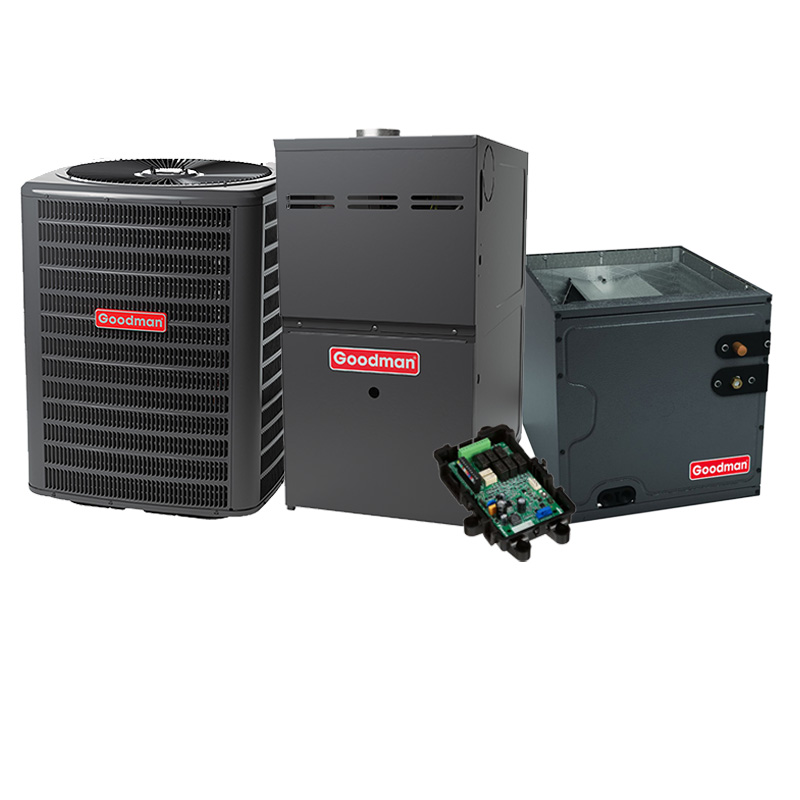
Goodman 3.5 Ton 13.8 SEER2 60000 BTU 80% Two-Stage Variable Speed Gas Furnace With R32 AC Condenser And Coil System – Upflow
View on AC Direct see your lowest price →Check current price on AC Direct →
Key features
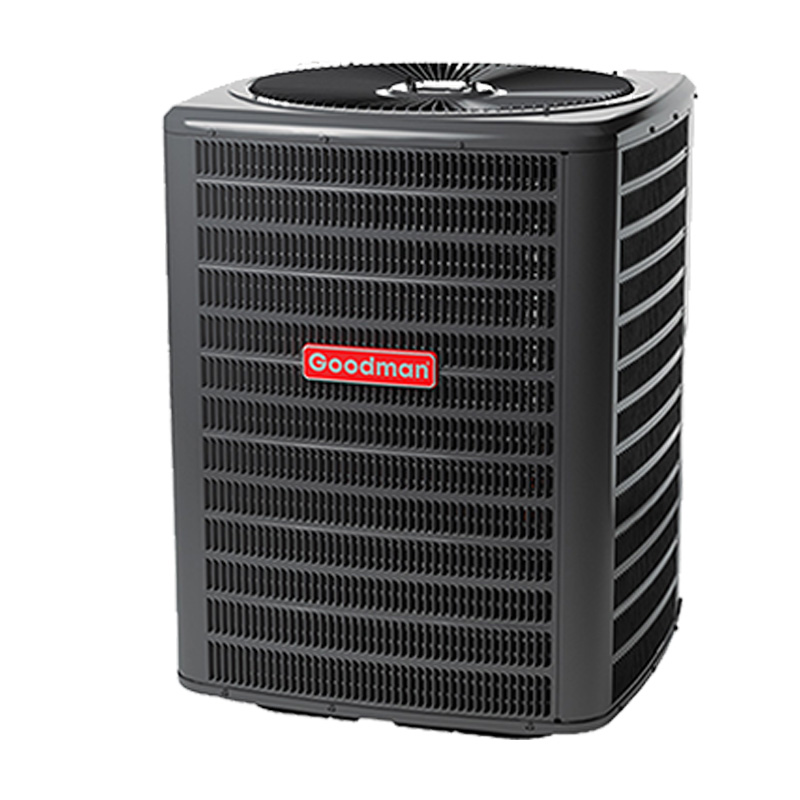
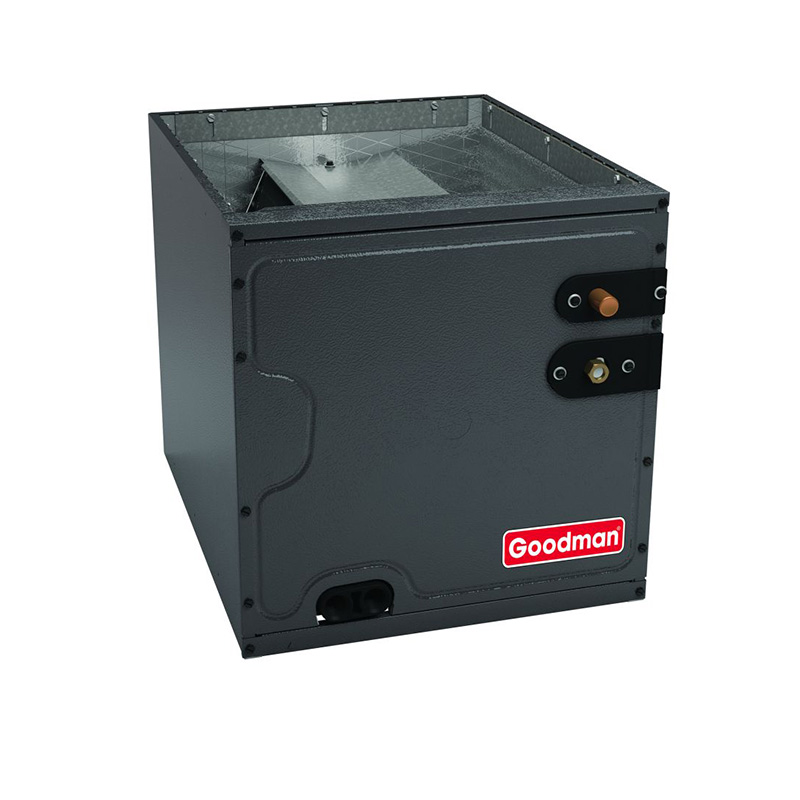
- 3.5-ton R-32 AC condenser and matched evaporator coil included
- 13.8 SEER2 cooling efficiency meets current federal minimums
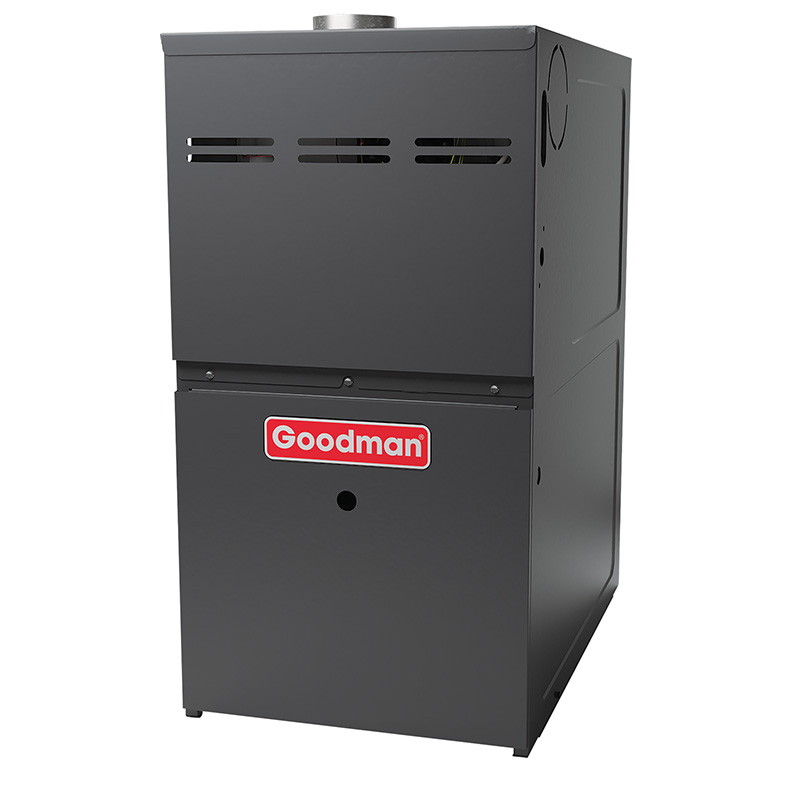
- 60,000 BTU two-stage gas furnace for improved comfort and humidity control
- Variable-speed blower motor reduces temperature swings and operating noise
- Upflow configuration for homes with overhead ductwork and basement or main-floor air handlers
- R-32 refrigerant with lower global warming potential than R-410A
About this system
This Goodman upflow system pairs a 3.5-ton R-32 air conditioner condenser and matching coil with a 60,000 BTU two-stage, variable-speed gas furnace, making it a complete ducted split system sized for homes roughly in the 1,800 to 2,400 square foot range depending on climate and insulation. The 13.8 SEER2 rating lands at the lower end of the efficiency spectrum, meeting current federal minimums for most regions but offering little beyond that in terms of operating cost savings. The two-stage furnace and variable-speed air handler are genuine comfort upgrades over single-stage equipment, allowing the system to run at a lower capacity most of the time, which reduces temperature swings, improves humidity control, and runs quieter on mild days.
The R-32 refrigerant is a forward-looking choice: it has a lower global warming potential than the R-410A it replaces and is increasingly the industry standard for new residential equipment. One practical note for buyers is that not every HVAC technician in every market is yet fully tooled and certified for R-32 service, so it is worth confirming local technician availability before purchasing. The upflow configuration means the furnace sits on the ground and pushes conditioned air upward into overhead ductwork, the most common arrangement in homes with basement or main-floor mechanical rooms and duct runs in the ceiling or attic.
This system suits homeowners who want a full gas-plus-AC replacement at a budget-conscious price point, can access a quality independent installer, and are comfortable with Goodman’s value-tier positioning. It is not the right fit for buyers prioritizing the longest possible equipment lifespan or the lowest possible utility bills above all else.
This Goodman system delivers real comfort features, a two-stage furnace and variable-speed blower, at a price that typically runs 15 to 25 percent below equivalent Trane, Carrier, or Lennox configurations. The trade-off is a modest efficiency rating and a brand track record that shows higher long-term repair rates than premium competitors, particularly after year seven. Buyers who invest in a quality installation and are prepared for occasional maintenance costs will get reasonable value here; buyers expecting set-and-forget reliability over 20 years should look at a step up.
Overall score is the average of the five ratings above.
What we like
- Priced meaningfully below comparable Trane, Carrier, and Lennox systems
- Two-stage furnace operation improves comfort and humidity control versus single-stage
- Variable-speed blower runs quieter and maintains more consistent temperatures
- R-32 refrigerant is a modern, lower-environmental-impact choice
- Complete matched system reduces compatibility guesswork for installers
Trade-offs
- 13.8 SEER2 is entry-level efficiency with limited long-term utility savings
- Dual-run capacitor failures and evaporator coil leaks are documented recurring issues for this brand
- Compressor lifespan averages 10 to 14 years, shorter than the 15 to 20 years typical of premium brands
- R-32 service requires certified technicians, and coverage can be uneven depending on your market
What homeowners and pros say about Goodman
Homeowners who have purchased Goodman equipment tend to split roughly along the same lines as the brand’s ratings suggest. On Google dealer reviews, where the aggregate sits around 3.8 out of 5 across hundreds of location-based reviews, the most common positive is straightforward: the price was significantly lower than competing bids, and the system works as described. On ConsumerAffairs, which skews toward people who had problems, the brand scores closer to 2.5 out of 5, and the recurring complaint is repair bills that start accumulating somewhere around year seven or eight. For a system like this one, that pattern is worth taking seriously: the two-stage furnace and variable-speed components add comfort but also add parts that can eventually need attention.
HVAC technicians are largely consistent in what they say about Goodman in the field. The dual-run capacitor is the part they replace most often on these systems, a repair that is quick and usually lands between $300 and $600 but that shows up with more regularity than on premium brands. Evaporator coil leaks are the failure mode that draws the strongest frustration from owners, since a coil replacement is a much larger job. Compressor longevity is also a documented difference: Goodman compressors tend to average 10 to 14 years in the field, while premium-brand compressors more commonly reach 15 to 20. Technicians consistently note that install quality has an outsized effect on how any Goodman system performs long-term, so this is not equipment where cutting corners on the contractor makes sense.
Sources: ConsumerAffairs Goodman owner reviews, AHRI Directory of Certified Product Performance, U.S. DOE appliance and equipment efficiency standards, Goodman product specification sheets.
What it costs to run
At 13.8 SEER2, cooling this 3.5-ton system for a typical 1200-hour cooling season at the U.S. average electricity rate of $0.17/kWh works out to roughly $621 per year in cooling, about $18 less per year than a minimum-efficiency 13.4 SEER2 unit of the same size. Your real cost depends on your climate and local rate.
Method: (42,000 BTU/hr ÷ 13.8 SEER2) × 1200 hours ÷ 1000 × $0.17/kWh. Rate source: U.S. EIA average; cooling hours: moderate-climate estimate.
How it compares
| Brand | Comparable model | SEER2 | Stage | Price position |
|---|---|---|---|---|
| Goodman | This system: 3.5T 13.8 SEER2 Two-Stage Variable-Speed Upflow Bundle | 13.8 | Two-stage furnace / variable-speed air handler | Value pick |
| Carrier | Performance 14 Series (24ACC636 condenser with 59TP6 two-stage furnace) | 14.0 | Two-stage furnace | Typically 15 to 20 percent higher than this Goodman bundle |
| Trane | XR14 condenser with S8X2 two-stage furnace | 14.0 | Two-stage furnace | Typically 20 to 25 percent higher than this Goodman bundle |
| Lennox | Merit ML14 condenser with ML196 two-stage furnace | 14.0 | Two-stage furnace | Typically 18 to 24 percent higher than this Goodman bundle |
Competitor rows are comparable single-stage units at similar efficiency; price is relative position, not a quote.
Questions about this system
Does this system include both the furnace and the AC condenser, or do I need to buy them separately?
Yes, this listing bundles the 3.5-ton R-32 condenser, the matching evaporator coil, and the 60,000 BTU two-stage furnace together as a complete system. You will still need a licensed HVAC contractor to install it, connect it to your existing ductwork and gas line, and commission the refrigerant charge.
My technician mentioned R-32. Is that something I need to worry about for future service?
R-32 is becoming the new residential standard and most established HVAC companies are already certified to handle it, but coverage is not universal yet, especially in smaller markets. Before purchasing, it is worth calling two or three local service companies to confirm they are equipped for R-32 work so you are not left without service options later.
What size home is a 3.5-ton, 60,000 BTU system typically right for?
A rough rule of thumb puts 3.5 tons in the 1,800 to 2,400 square foot range, but the real answer depends on your climate zone, ceiling height, insulation levels, and window area. A proper Manual J load calculation by your installer is the only reliable way to confirm this system is correctly sized for your home.
What are the most common repairs I should budget for over the life of this system?
Based on Goodman's documented failure patterns, dual-run capacitor replacement is the most frequent issue and typically costs between $300 and $600 with a service call. Evaporator coil leaks are also reported by a meaningful share of owners. Setting aside a modest annual maintenance budget and getting a service contract can help catch issues before they become costly.
How does the two-stage furnace actually make a difference day to day compared to a single-stage unit?
A two-stage furnace runs at a lower firing rate, around 65 to 70 percent capacity, during moderate weather and only kicks to full capacity on the coldest days. This means fewer on-and-off cycles, more even temperatures room to room, and quieter operation most of the time. The variable-speed blower works alongside this to maintain steady airflow, which also helps wring more humidity out of the air during cooling season.
Specifications
| Cooling capacity | 3.5 Ton |
| Efficiency | 13.8 SEER2 |
| Furnace output | 60000 BTU |
| Configuration | Upflow |
| Refrigerant | R-32 |