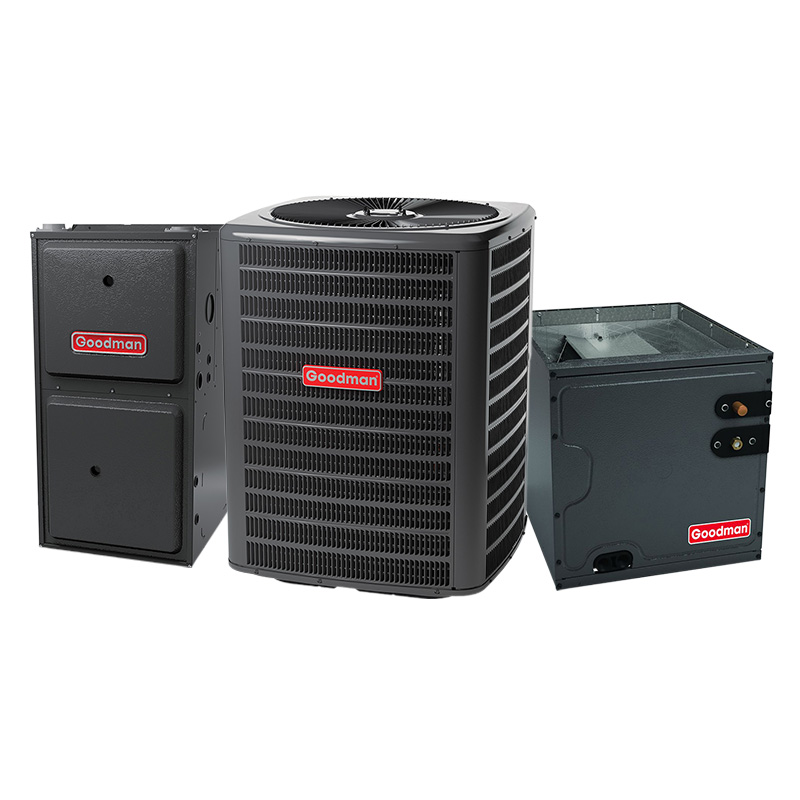
Goodman 3.5 Ton 13.8 SEER2 AC & Gas Furnace System – Multi-Speed, 120000 BTU Gas Furnace, 92% AFUE, Upflow, R32
View on AC Direct see your lowest price →Check current price on AC Direct →
Key features
- 3.5-ton cooling capacity with 13.8 SEER2 efficiency rating
- 120,000 BTU gas furnace at 92% AFUE for mid-efficiency heating
- Multi-speed blower motor for quieter operation and more consistent airflow
- R-32 refrigerant with lower global warming potential than R-410A
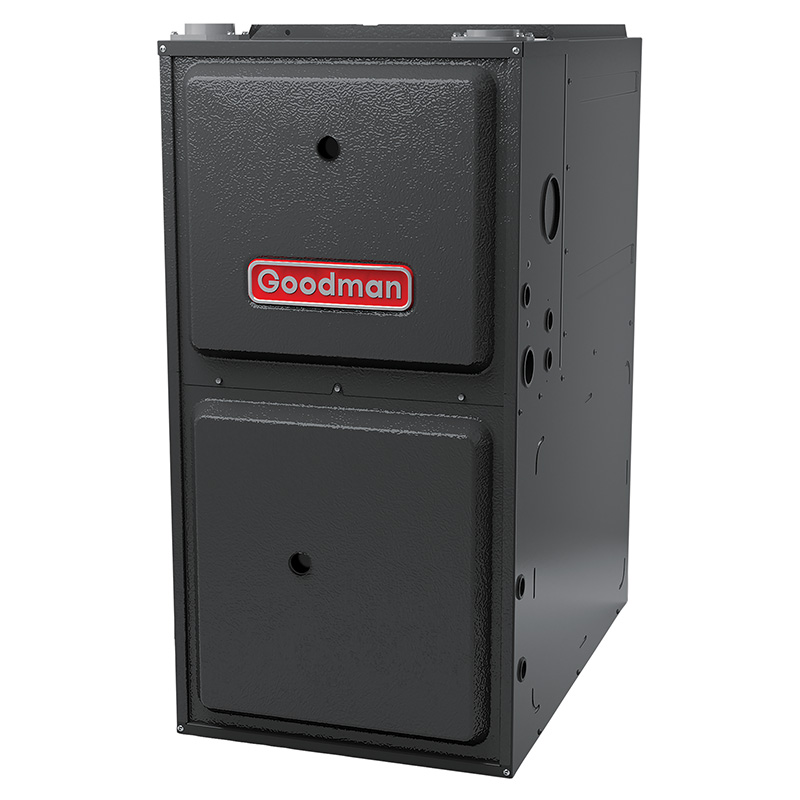
- Upflow configuration suits basements and overhead duct systems
- Factory-matched system simplifies compatibility and warranty compliance
About this system
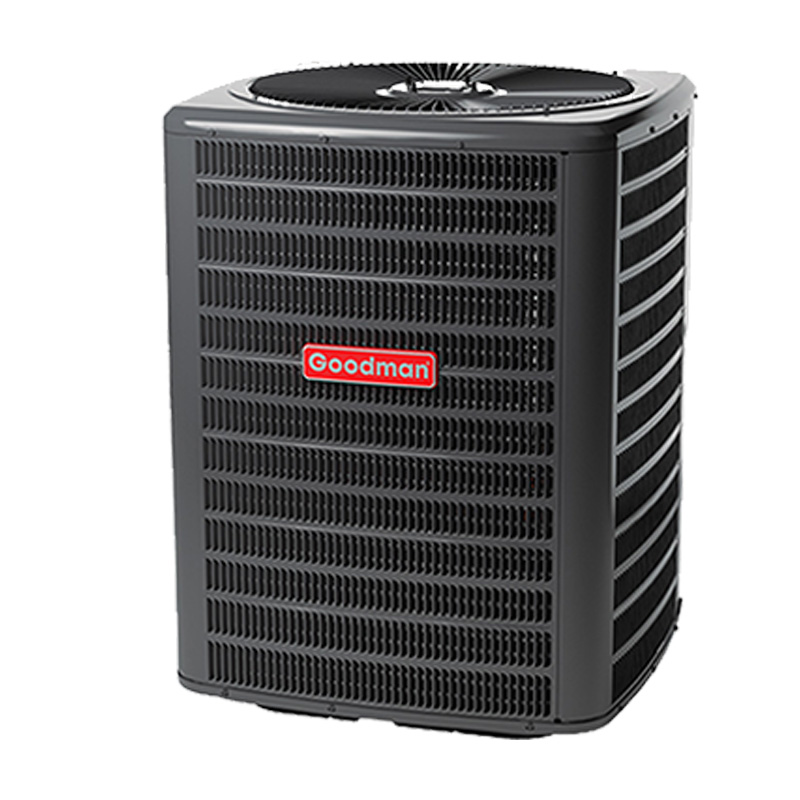
The Goodman GLXS3BN4210D pairs a 3.5-ton, 13.8 SEER2 central air conditioner with a 120,000 BTU, 92% AFUE upflow gas furnace in a single matched system. The 3.5-ton capacity targets homes roughly in the 1,800 to 2,400 square foot range, though actual sizing depends on insulation, climate zone, and duct layout. At 13.8 SEER2, cooling efficiency clears the federal minimum for most U.S. regions but sits at the lower end of the efficiency spectrum, which means operating costs will be higher over time compared with 16 SEER2 or better equipment. The 92% AFUE furnace is a solid mid-efficiency rating that recovers about 92 cents of every dollar spent on gas, making it a reasonable choice in moderate heating climates where a condensing 96% or 97% unit’s added cost is harder to justify.
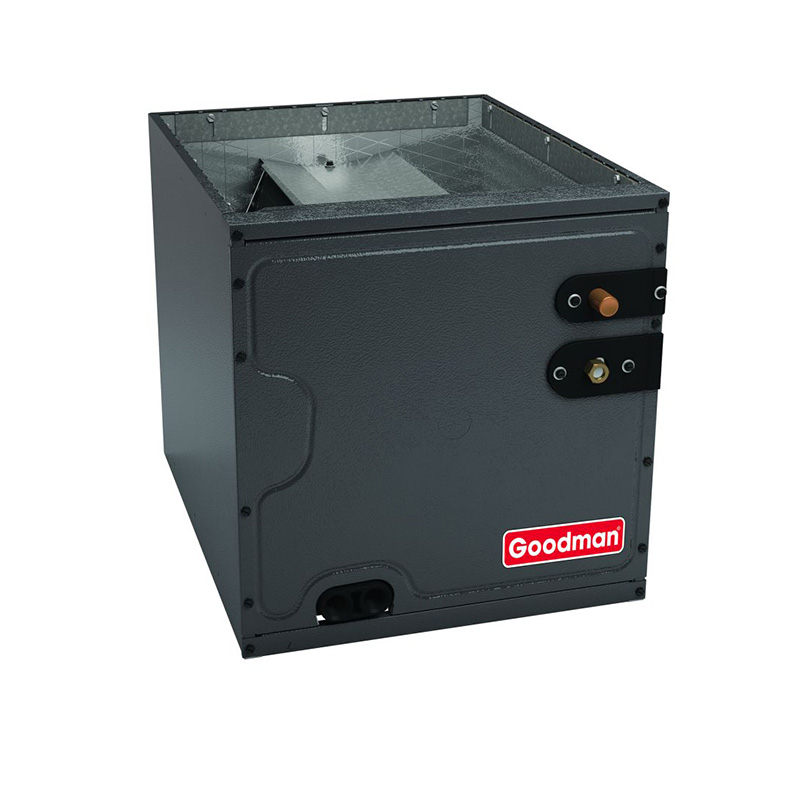
R-32 refrigerant is a meaningful upgrade over the older R-410A still found in many competing systems at this price point. R-32 has a lower global warming potential, and because it requires a smaller charge by weight, leaks tend to be less costly to address. The multi-speed furnace blower provides better airflow consistency and quieter low-demand operation than a single-speed motor, which is a genuine comfort advantage. Upflow configuration means warm air exits the top of the air handler, suiting the most common duct arrangement in homes with basements or utility closets where ducts run overhead. This system is best suited to budget-conscious buyers replacing aging equipment in moderate climates who want a complete matched system without the premium pricing of Trane, Lennox, or Carrier.
The GLXS3BN4210D is a capable entry-level system for homeowners who need reliable replacement equipment without stretching the budget. It delivers honest mid-efficiency performance and genuine comfort features like a multi-speed blower and R-32 refrigerant, but buyers should go in clear-eyed about Goodman's repair history after year seven and the compressor longevity gap versus premium brands.
Overall score is the average of the five ratings above.
What we like
- Priced 15 to 25 percent below comparable Carrier, Trane, and Lennox systems
- R-32 refrigerant is more environmentally responsible and typically less expensive to recharge than R-410A
- Multi-speed blower improves comfort and reduces noise versus single-speed alternatives at this price
- 92% AFUE is a solid mid-efficiency furnace rating that suits moderate heating climates
- Factory-matched system simplifies installation and supports full warranty coverage
Trade-offs
- 13.8 SEER2 is the low end of current efficiency tiers, resulting in higher long-run cooling costs versus 16 SEER2 or better units
- Dual-run capacitors are a documented early failure point, and evaporator coil leaks appear in a meaningful share of owner reports
- Compressor longevity averages 10 to 14 years, noticeably shorter than the 15 to 20 years typical of premium-brand compressors
- Overall performance depends heavily on installation quality, and a poor install can significantly shorten equipment life
What homeowners and pros say about Goodman
Homeowners who choose Goodman most often point to the upfront price as the deciding factor, and dealer Google reviews averaging around 3.8 out of 5 suggest that, when installed correctly, satisfaction is reasonable. The operative phrase is installed correctly. HVAC technicians consistently note that Goodman’s longevity is more sensitive to install quality than premium brands, meaning a rushed or inexperienced installation can shorten the system’s useful life considerably. On ConsumerAffairs, where Goodman scores roughly 2.5 out of 5, the complaint pattern that stands out is repair costs climbing after about year seven, which aligns with the brand’s documented compressor lifespan of 10 to 14 years compared to the 15 to 20 years more typical of Trane or Carrier.
The specific failure modes worth knowing before you buy are dual-run capacitor failure, which is common but inexpensive to fix at roughly $300 to $600; evaporator coil leaks, which show up in a meaningful portion of owner accounts and are a more significant repair; and first-year refrigerant leaks, reported by a smaller share of owners and generally traced back to installation or charge issues rather than a factory defect. For the GLXS3BN4210D specifically, the R-32 refrigerant and multi-speed blower are genuine positives that add real-world value at this price point, but prospective buyers should budget for at least one capacitor replacement and establish a relationship with a qualified technician who is familiar with Goodman equipment.
Sources: ConsumerAffairs Goodman owner reviews, AHRI Directory of Certified Product Performance, U.S. DOE appliance and equipment efficiency standards, Goodman product specification sheets.
What it costs to run
At 13.8 SEER2, cooling this 3.5-ton system for a typical 1200-hour cooling season at the U.S. average electricity rate of $0.17/kWh works out to roughly $621 per year in cooling, about $18 less per year than a minimum-efficiency 13.4 SEER2 unit of the same size. Your real cost depends on your climate and local rate.
Method: (42,000 BTU/hr ÷ 13.8 SEER2) × 1200 hours ÷ 1000 × $0.17/kWh. Rate source: U.S. EIA average; cooling hours: moderate-climate estimate.
How it compares
| Brand | Comparable model | SEER2 | Stage | Price position |
|---|---|---|---|---|
| Goodman | GLXS3BN4210D | 13.8 | Single-stage | Value pick |
| Carrier | Comfort 24ACC4 series | 14.0 | Single-stage | Typically 15 to 25 percent more than Goodman at similar efficiency |
| Trane | XR14 series | 14.0 | Single-stage | Typically 15 to 25 percent more than Goodman at similar efficiency |
| Lennox | Merit ML14XC1 series | 14.0 | Single-stage | Typically 15 to 25 percent more than Goodman at similar efficiency |
Competitor rows are comparable single-stage units at similar efficiency; price is relative position, not a quote.
Questions about this system
Is 3.5 tons the right size for my home?
Tonnage should be determined by a Manual J load calculation, not square footage alone. A rough rule of thumb puts 3.5 tons in the range of 1,800 to 2,400 square feet, but ceiling height, insulation, window area, and local climate all shift that number. Ask your installer to run a proper load calculation before committing to this size.
What does 13.8 SEER2 mean for my electricity bill?
SEER2 is a standardized efficiency rating measured under real-world conditions. At 13.8 SEER2, this unit meets federal minimums for most regions but will cost more to run annually than a 16 SEER2 or higher system. The exact savings difference depends on your local electricity rate and how many cooling hours your climate produces each year.
Why does Goodman's ConsumerAffairs score look so low compared to Google dealer reviews?
ConsumerAffairs scores around 2.5 out of 5 for Goodman, but that platform attracts a disproportionate share of unhappy customers seeking resolution, which skews the rating downward. Google dealer reviews average around 3.8 out of 5 and reflect a broader mix of customer experiences. Neither score tells the whole story, but the recurring ConsumerAffairs theme of rising repair costs after roughly year seven is worth factoring into your decision.
What are the most common repairs to budget for with this system?
Dual-run capacitor failure is the most frequently reported issue and is generally a straightforward repair in the $300 to $600 range. Evaporator coil leaks show up in a notable share of owner reports and are a more involved fix. A minority of owners have also reported refrigerant leaks within the first year, which typically points to an installation or initial charge problem rather than a product defect.
Does this system qualify for the federal energy efficiency tax credit?
As of current IRS guidance, central air conditioners and furnaces must meet specific efficiency thresholds to qualify for the 25C tax credit. At 13.8 SEER2 and 92% AFUE, this system may not reach the required minimums for the full credit. Verify current IRS and ENERGY STAR requirements with your tax advisor before purchase, as thresholds and rules can change.
Specifications
| Cooling capacity | 3.5 Ton |
| Efficiency | 13.8 SEER2 |
| Furnace output | 120000 BTU |
| Furnace efficiency | 92% AFUE |
| Configuration | Upflow |
| Refrigerant | R-32 |
| Model | GLXS3BN4210D |