Goodman 3.5 Ton 14.5 SEER2 100000 BTU 80% AFUE Two Stage Multi-Speed ECM Gas Furnace System – Horizontal | R32
View on AC Direct see your lowest price →Check current price on AC Direct →
Key features
- 3.5-ton cooling capacity rated at 14.5 SEER2 with R-32 refrigerant
- 100,000 BTU two-stage gas furnace at 80% AFUE
- Multi-speed ECM blower motor for variable airflow and humidity control
- Horizontal configuration for attic or crawlspace installations
- Two-stage heating reduces short-cycling and temperature swings
- R-32 refrigerant with lower global warming potential than R-410A
About this system
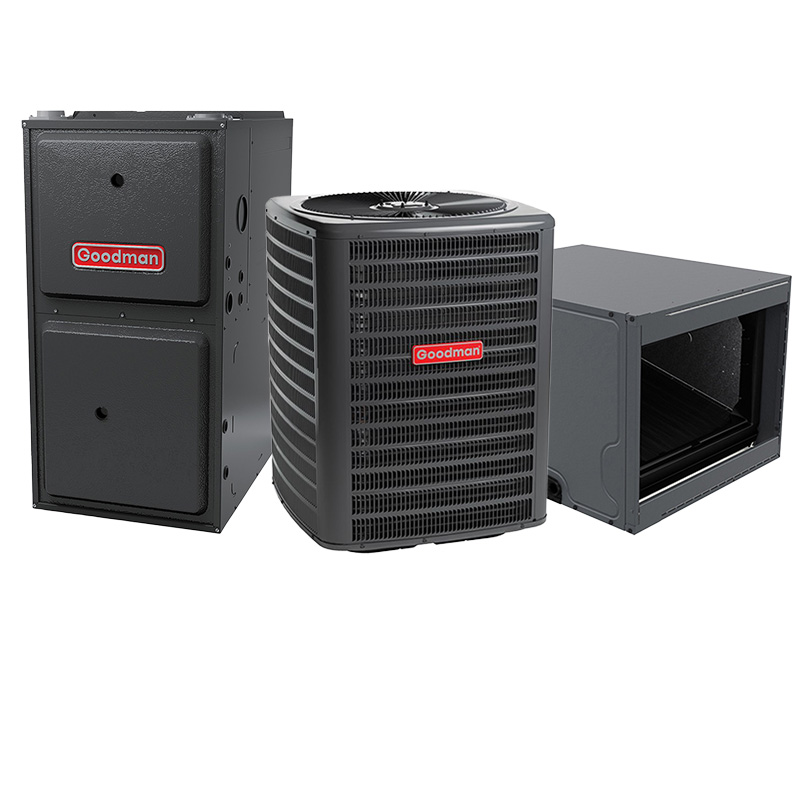
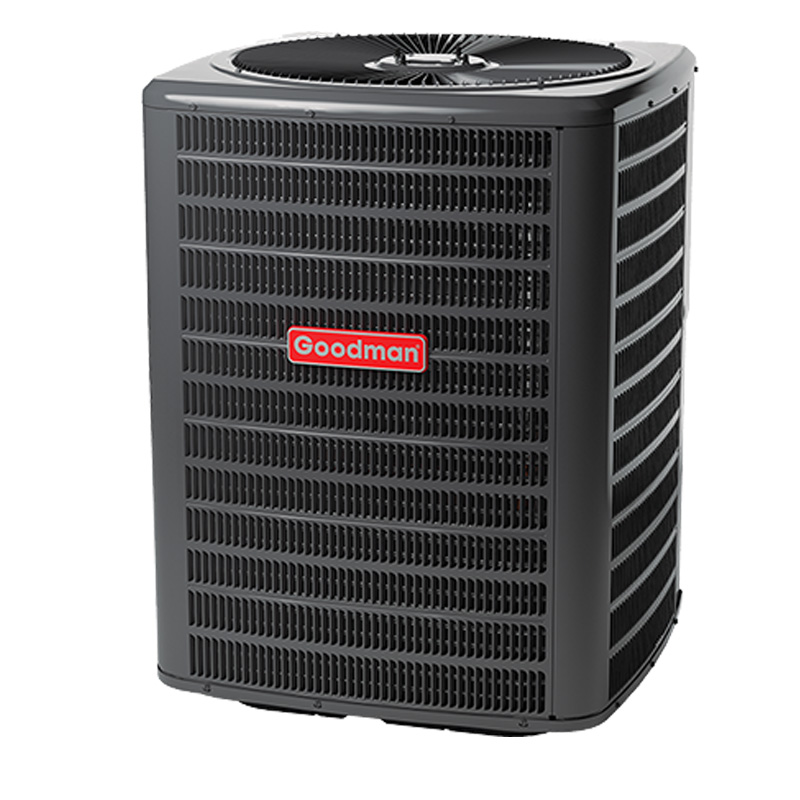
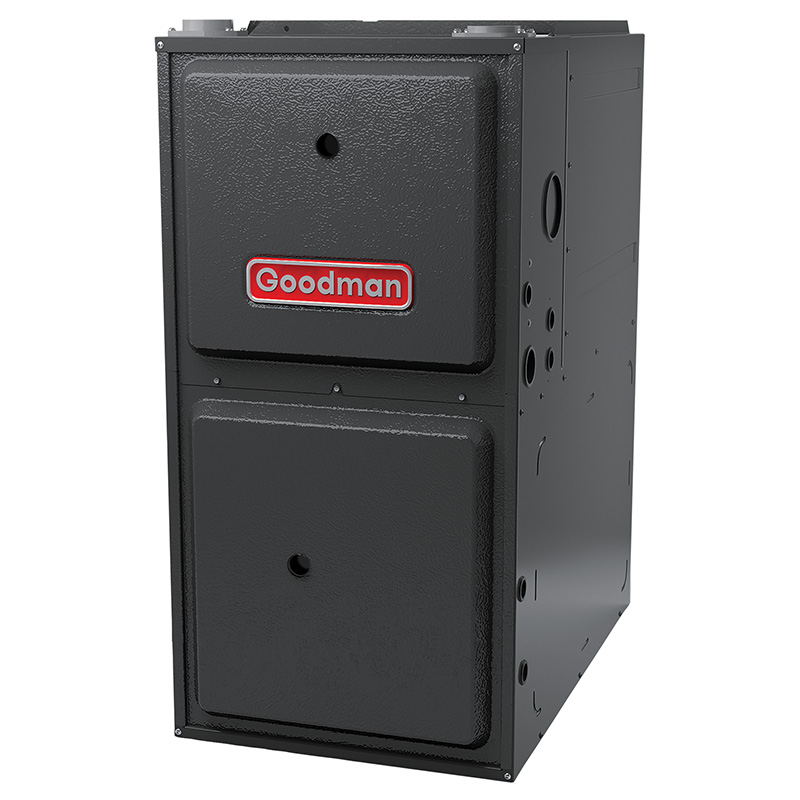
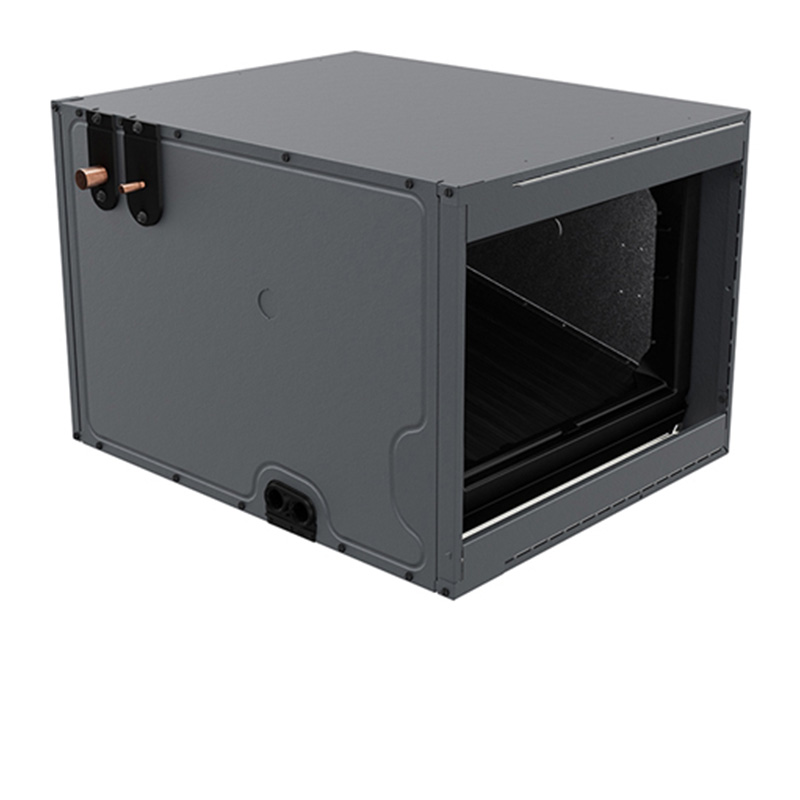
The Goodman GLXS4BA4210 is a 3.5-ton, 14.5 SEER2 split system paired with a 100,000 BTU, 80% AFUE two-stage gas furnace, configured for horizontal installation and charged with R-32 refrigerant. This combination is aimed at mid-size homes, roughly 1,800 to 2,600 square feet depending on climate and insulation, that need both cooling capacity and meaningful heating output. The horizontal orientation makes it a practical fit for attic or crawlspace installations where vertical clearance is limited.
The two-stage furnace and multi-speed ECM blower motor are the standout mechanical details here. Two-stage heating means the furnace runs at a lower output most of the time and only climbs to full capacity on the coldest days, which smooths out temperature swings and reduces short-cycling. The ECM motor adjusts airflow continuously, which supports better humidity control and lower electricity consumption at the air handler compared to a fixed-speed PSC motor. R-32 refrigerant carries a lower global warming potential than the R-410A it replaces, and its slightly higher efficiency characteristics help the system hit that 14.5 SEER2 rating with a smaller refrigerant charge.
At 80% AFUE, the furnace converts eight of every ten units of gas into usable heat, which is the federal minimum threshold and positions this system below 90%-plus condensing furnaces on operating efficiency. Buyers in mild-winter climates or those replacing an aging 70%-range unit will see a real improvement; buyers in cold climates who run the furnace heavily may want to price out a 96% AFUE alternative before committing. Overall, this system suits homeowners prioritizing upfront affordability and needing horizontal attic or crawlspace placement.
This Goodman system delivers solid two-stage comfort features and R-32 technology at a price point 15 to 25 percent below comparable Carrier, Trane, and Lennox equipment, making it a reasonable budget-conscious choice for horizontal installations. The 80% AFUE furnace is a real limitation in cold climates where heating costs accumulate, and long-term ownership costs depend heavily on install quality and whether you hit one of Goodman's documented weak points. It earns its place as a value pick, not a premium one.
Overall score is the average of the five ratings above.
What we like
- Priced 15 to 25 percent below comparable Trane, Lennox, and Carrier systems
- Two-stage furnace operation reduces temperature swings and short-cycling
- ECM blower motor lowers fan electricity use and improves humidity control
- R-32 refrigerant offers lower environmental impact and efficient heat transfer
- Horizontal config opens up attic and crawlspace placement options
Trade-offs
- 80% AFUE is the federal minimum and noticeably less efficient than 90-plus AFUE alternatives in cold climates
- Dual-run capacitors are the most frequently reported failure point, typically after year 5 to 7
- Compressor lifespan averages 10 to 14 years versus 15 to 20 years for premium brands
- Evaporator coil leaks and first-year refrigerant loss are documented concerns, often tied to installation quality
What homeowners and pros say about Goodman
Homeowners who have lived with Goodman equipment long enough to form an opinion tend to split along a clear line: those who got a careful install from an experienced contractor report years of trouble-free operation and point to the lower purchase price as a genuine win, while those who encountered problems early often trace the issue back to a rushed installation or an under-qualified installer. On ConsumerAffairs, Goodman scores around 2.5 out of 5, but that channel skews toward people motivated to complain, and the recurring theme in negative reviews is repair costs climbing after roughly year 7 rather than immediate failure. Google dealer reviews land around 3.8 out of 5 across a broad sample, with affordability consistently cited as the top reason buyers chose the brand.
HVAC technicians who work on Goodman equipment regularly point to dual-run capacitors as the part they replace most often on these systems, typically a 300 to 600 dollar service call that is annoying but not catastrophic. Evaporator coil leaks show up in a notable share of owner reports and represent a more serious repair expense. Compressor longevity is a legitimate concern: Goodman compressors tend to average 10 to 14 years in real-world use, compared to 15 to 20 years commonly cited for premium brands like Carrier and Trane. A small number of owners report refrigerant loss within the first year on systems using newer refrigerants, which technicians generally attribute to installation or initial charge issues rather than the equipment itself. For this horizontal two-stage R-32 system specifically, finding an installer with documented experience on horizontal attic setups and R-32 certification is not optional advice; it is the single biggest factor in whether this system performs as intended over its service life.
Sources: ConsumerAffairs Goodman owner reviews, AHRI Directory of Certified Product Performance, U.S. DOE appliance and equipment efficiency standards, Goodman product specification sheets.
What it costs to run
At 14.5 SEER2, cooling this 3.5-ton system for a typical 1200-hour cooling season at the U.S. average electricity rate of $0.17/kWh works out to roughly $591 per year in cooling, about $48 less per year than a minimum-efficiency 13.4 SEER2 unit of the same size. Your real cost depends on your climate and local rate.
Method: (42,000 BTU/hr ÷ 14.5 SEER2) × 1200 hours ÷ 1000 × $0.17/kWh. Rate source: U.S. EIA average; cooling hours: moderate-climate estimate.
How it compares
| Brand | Comparable model | SEER2 | Stage | Price position |
|---|---|---|---|---|
| Goodman | GLXS4BA4210 | 14.5 | Two-stage | Value pick |
| Carrier | Performance 14 (24ACC4) with 58TP furnace | 14.3 | Single-stage | Typically 15 to 25 percent more than this Goodman system |
| Trane | XR14c with S9V2 furnace | 14.3 | Single-stage | Typically 15 to 25 percent more than this Goodman system |
| Lennox | Merit 14ACX with ML180 furnace | 14.3 | Single-stage | Typically 15 to 25 percent more than this Goodman system |
Competitor rows are comparable single-stage units at similar efficiency; price is relative position, not a quote.
Questions about this system
Why does this furnace have an 80% AFUE instead of 90-plus, and does that matter for my home?
80% AFUE is the federal minimum efficiency standard, meaning 20% of combustion heat exits through the flue rather than heating your home. In mild-winter climates where the furnace runs only a few months a year, the operating cost gap versus a 96% unit is modest. In colder regions with long heating seasons, the difference in annual gas bills can be significant enough to justify pricing out a higher-efficiency alternative before purchasing.
What does horizontal configuration mean, and can this system be installed vertically?
Horizontal configuration means the air handler and furnace are oriented to move air sideways rather than up or down, which is standard for attic or crawlspace installs where standing height is limited. This specific model and configuration are designed for horizontal use; installing it in a vertical orientation requires a unit specced for that orientation, so confirm your install space before ordering.
What are the most common repair issues I should budget for with Goodman equipment?
Dual-run capacitors are the single most reported failure point for Goodman systems, usually surfacing after several years of use and typically costing 300 to 600 dollars to fix including labor. Evaporator coil leaks appear in a meaningful share of owner reports, which can be a more expensive repair. A smaller number of owners report refrigerant loss in the first year, which is generally an installation or initial charge problem rather than a product defect.
Does the two-stage furnace actually make a noticeable comfort difference compared to single-stage?
Yes, particularly in shoulder seasons when outdoor temps are mild. A single-stage furnace blasts at full capacity, heats quickly, and shuts off, creating temperature swings. The two-stage unit runs at lower output for longer stretches, keeping temperatures more even and allowing the ECM blower to circulate air and manage humidity more effectively. The difference is most noticeable in larger or open-plan spaces.
Is R-32 refrigerant easy to find, and can any HVAC technician work with it?
R-32 availability is growing as the industry transitions away from R-410A, but it is not yet as universally stocked as R-410A was. It requires technicians to use equipment rated and certified for R-32 work, including leak detection tools calibrated for it. Most established HVAC companies are already equipped for R-32 service, but it is worth confirming with your service provider, especially in rural areas.
Specifications
| Cooling capacity | 3.5 Ton |
| Efficiency | 14.5 SEER2 |
| Furnace output | 100000 BTU |
| Furnace efficiency | 80% AFUE |
| Configuration | Horizontal |
| Refrigerant | R-32 |
| Model | GLXS4BA4210 |