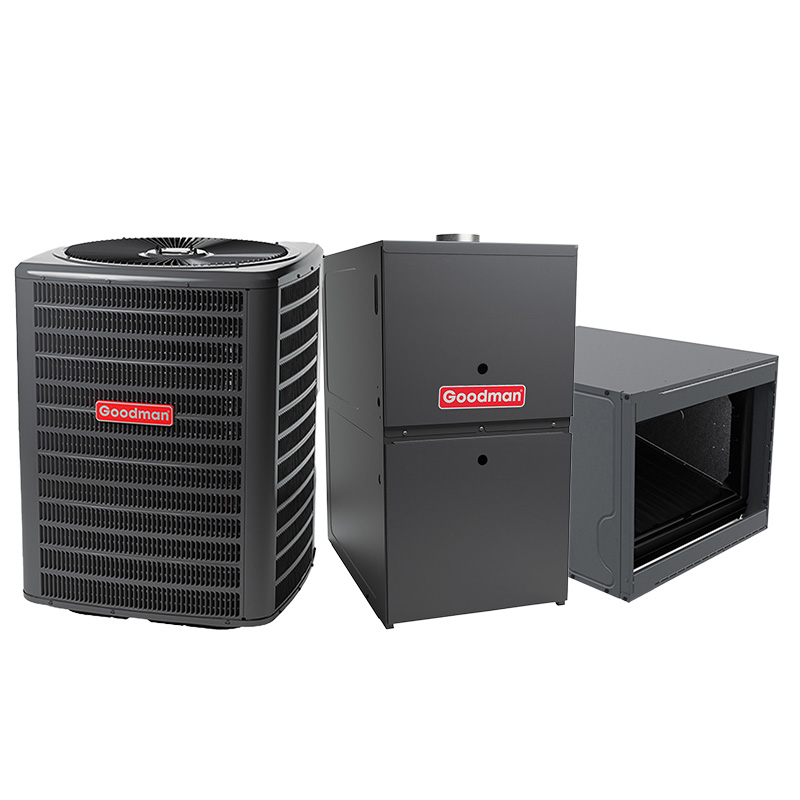
Goodman 3.5 Ton 14.5 SEER2 AC & Gas Furnace System – Two Stage Variable-Speed 100000 BTU Low NOx Gas Furnace, 80% AFUE, Horizontal, R32
View on AC Direct see your lowest price →Check current price on AC Direct →
Key features
- Two-stage compressor reduces cycling and improves humidity control compared to single-stage units
- Variable-speed furnace blower delivers quieter, more consistent airflow than PSC motor designs
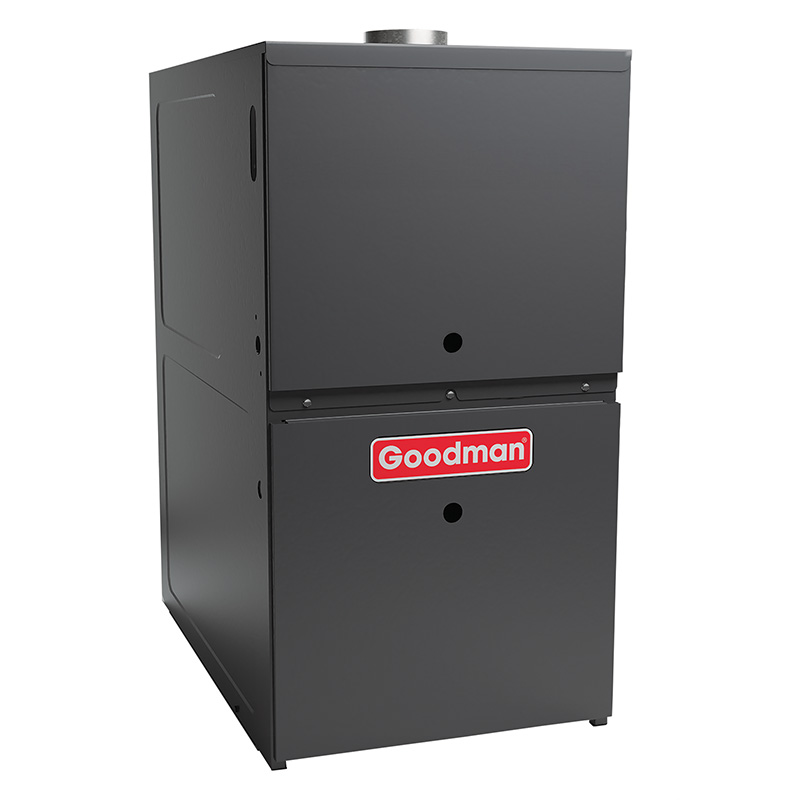
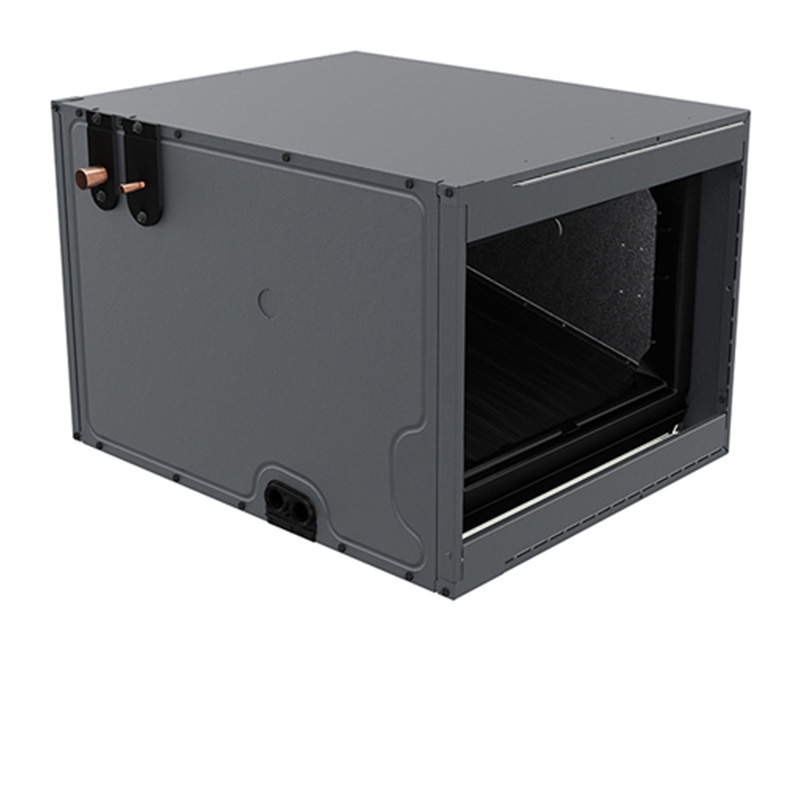
- Horizontal cabinet configuration suits attic and crawl-space installs where vertical space is restricted
- R-32 refrigerant with a lower global warming potential than legacy R-410A systems
- 80% AFUE gas furnace rated at 100,000 BTU input for mid-to-large heating loads
- Low NOx combustion design meets stricter regional air quality requirements in applicable markets
About this system
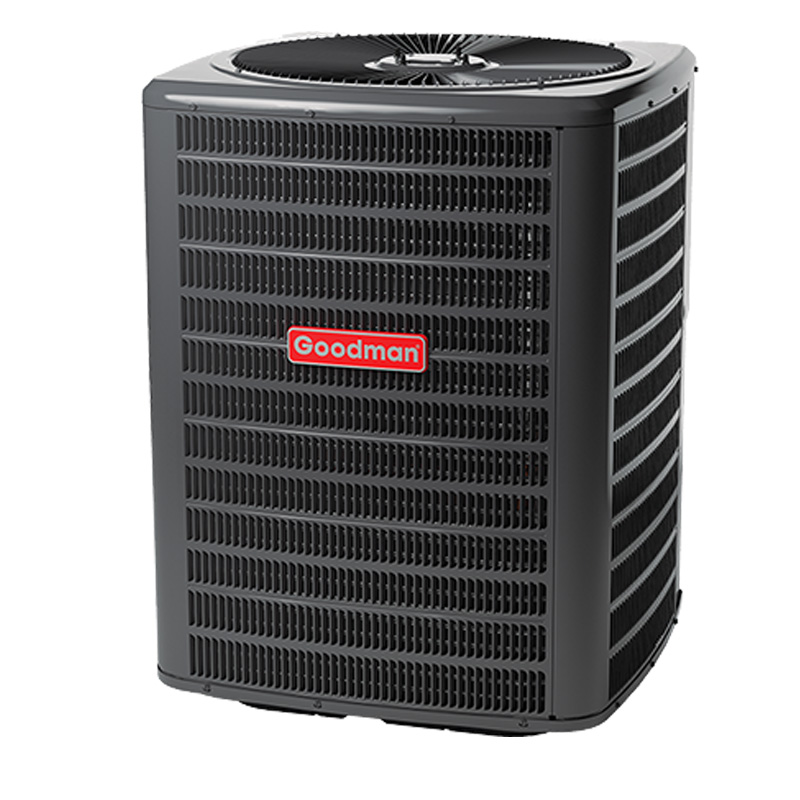
The Goodman 3.5-ton 14.5 SEER2 AC and gas furnace bundle pairs a two-stage condensing unit with a variable-speed, horizontal-configuration 100,000 BTU gas furnace rated at 80% AFUE. The horizontal cabinet orientation makes this system the right pick for attic installations and crawl-space setups where vertical clearance is limited, a configuration that eliminates a chunk of competing options from consideration. R-32 refrigerant carries a lower global warming potential than the R-410A it replaces, and because R-32 runs at higher pressures, proper installation and charge verification matter more than ever.
On the performance side, 14.5 SEER2 sits at the federal minimum tier for most U.S. climate regions, which means you get baseline energy costs without the premium of a high-SEER2 unit. The two-stage compressor does offer a practical upgrade over single-stage equipment: it runs at a reduced capacity during mild weather, which cuts on-off cycling, softens humidity swings indoors, and reduces audible compressor noise compared to a single-stage unit of equal tonnage. The 80% AFUE furnace is the entry-level efficiency tier; roughly one-fifth of each therm burned leaves as exhaust, so homeowners in colder climates should weigh whether a 96% AFUE upgrade pencils out over the expected equipment life.
This bundle suits mid-size homes roughly in the 1,800 to 2,400 square foot range, depending on local climate, insulation, and duct layout. It is designed for owners who need reliable climate control at a realistic budget and who are comfortable with Goodman’s value-brand positioning, understanding that performance is closely tied to the quality of the installing contractor and that long-term ownership may involve the routine maintenance costs documented across Goodman’s installed base.
This Goodman bundle delivers a functional two-stage system at a price that typically runs 15 to 25 percent below comparable Carrier, Trane, or Lennox equipment, making it a reasonable choice for budget-conscious buyers who prioritize upfront cost. The two-stage operation and variable-speed blower are genuine comfort upgrades over bare-minimum single-stage alternatives at this price tier, but Goodman's documented history of capacitor failures, evaporator coil leaks, and compressors that average 10 to 14 years means long-term ownership costs can chip away at the initial savings. Your installer's skill level will be the single most consequential variable in how this system performs over time.
Overall score is the average of the five ratings above.
What we like
- Price typically 15 to 25 percent below Trane, Carrier, and Lennox equivalents, reducing upfront cost
- Two-stage compressor improves humidity control and reduces noisy on-off cycling during mild weather
- Variable-speed blower motor provides quieter operation and more even temperature distribution
- Horizontal cabinet opens installation options for attic or crawl-space applications where vertical units cannot fit
- R-32 refrigerant meets current low-GWP environmental standards and is widely available through HVAC distributors
Trade-offs
- Dual-run capacitors are the most commonly reported failure point, typically requiring a 300 to 600 dollar service call within the first several years
- Evaporator coil leaks appear in a meaningful share of owner reviews, a failure that can be costly to diagnose and repair
- 80% AFUE is the lowest available efficiency tier; homeowners in cold climates will pay noticeably higher gas bills than they would with a 96% unit
- Compressor lifespan averaging 10 to 14 years trails the 15 to 20 years reported for premium-brand equipment, shortening the window before major reinvestment
What homeowners and pros say about Goodman
Homeowners who have owned Goodman equipment often land in one of two camps. Those who had a skilled contractor handle the installation tend to report years of uneventful service and cite the lower purchase price as money well spent. Those who ran into trouble frequently point to the period after year seven, which aligns with Goodman’s ConsumerAffairs score of roughly 2.5 out of 5, where repair costs begin to accumulate and the initial savings start to erode. The specific failure modes that appear most consistently across owner accounts are dual-run capacitor replacements, evaporator coil leaks, and compressor wear that tends to show up in the 10 to 14 year window rather than the longer lifespan premium-brand owners often report. For this horizontal bundle with its R-32 charge and two-stage operation, owners should budget for at least one capacitor replacement and confirm their technician has R-32 certified equipment and experience with horizontal attic installations before the job begins.
HVAC technicians who service Goodman equipment regularly tend to echo a consistent view: the brand builds equipment that can perform well, but leaves less margin for error in installation compared to premium competitors. Google dealer reviews average around 3.8 out of 5 across locations, and the most repeated positive is straightforward affordability. Pros frequently note that the variable-speed blower in this furnace is a genuine asset because it simplifies airflow balancing during commissioning and reduces callbacks related to comfort complaints. The R-32 refrigerant is newer territory for some field technicians, and a minority of early refrigerant leak reports across the Goodman line are attributed to installation or initial charge errors rather than component failure, which reinforces the recurring technician advice: invest in the contractor at least as much as you invest in the equipment itself.
Sources: ConsumerAffairs Goodman owner reviews, AHRI Directory of Certified Product Performance, U.S. DOE appliance and equipment efficiency standards, Goodman product specification sheets.
What it costs to run
At 14.5 SEER2, cooling this 3.5-ton system for a typical 1200-hour cooling season at the U.S. average electricity rate of $0.17/kWh works out to roughly $591 per year in cooling, about $48 less per year than a minimum-efficiency 13.4 SEER2 unit of the same size. Your real cost depends on your climate and local rate.
Method: (42,000 BTU/hr ÷ 14.5 SEER2) × 1200 hours ÷ 1000 × $0.17/kWh. Rate source: U.S. EIA average; cooling hours: moderate-climate estimate.
How it compares
| Brand | Comparable model | SEER2 | Stage | Price position |
|---|---|---|---|---|
| Goodman | This system (2-stage / variable-speed / horizontal / R-32 / 80% AFUE) | 14.5 | two-stage | Value pick |
| Carrier | Comfort 14 series (e.g., 24ACC636) with comparable furnace | 14.3-15.2 | single-stage | Typically 15 to 25 percent more than this Goodman bundle |
| Trane | XR14 series with S8X1 80% AFUE furnace | 14.3-15.0 | single-stage | Typically 15 to 25 percent more than this Goodman bundle |
| Lennox | Merit ML14 series with ML180 80% AFUE furnace | 14.3-15.5 | single-stage | Typically 15 to 25 percent more than this Goodman bundle |
Competitor rows are comparable single-stage units at similar efficiency; price is relative position, not a quote.
Questions about this system
Why does this furnace have a horizontal cabinet, and can it be installed vertically?
The horizontal configuration means the heat exchanger and blower are oriented to discharge air from the side, which is specifically engineered for attic and crawl-space applications where the unit lies on its side. Installing a horizontal-specific cabinet in a vertical upflow or downflow position is not supported and will cause drainage, airflow, and safety issues. If you need vertical installation, a different cabinet model is required.
What should I know about R-32 refrigerant compared to R-410A?
R-32 operates at higher pressures than R-410A, so your technician needs equipment rated and certified for R-32 handling. It has a lower global warming potential, which is the main environmental advantage. Because of the elevated operating pressures, accurate charge verification during installation is critical and is one reason why a minority of early refrigerant leaks in Goodman systems are traced back to installation or initial charge issues rather than equipment defects.
How does 80% AFUE affect my gas bills compared to a higher-efficiency furnace?
At 80% AFUE, 20 cents of every dollar spent on natural gas exits as exhaust heat. A 96% AFUE furnace wastes only 4 cents per dollar, so the gap is meaningful in climates with long heating seasons. Whether the efficiency upgrade pays back depends on your local gas rates, heating degree days, and how long you own the home, but in colder regions the annual savings on a 100,000 BTU input furnace can be substantial over a 10-plus year ownership period.
Goodman has mixed reviews online. How worried should I be about reliability?
Goodman's ConsumerAffairs score sits around 2.5 out of 5, though that platform over-represents dissatisfied owners. Its Google dealer reviews average closer to 3.8 out of 5, where affordability is the most cited positive. The documented weak points are dual-run capacitors (a common, relatively inexpensive repair), evaporator coil leaks, and compressors that tend to run 10 to 14 years rather than the 15 to 20 years seen with premium brands. Technicians consistently note that install quality is the biggest factor in how long any Goodman unit lasts, so choosing an experienced contractor is the most effective reliability upgrade available to you.
Does the two-stage compressor really make a noticeable difference for comfort?
In practice, yes. A two-stage unit runs at low capacity for the majority of operating hours during moderate weather, which means longer, steadier run cycles instead of frequent short bursts. That translates to better humidity removal in summer, fewer temperature swings, and reduced compressor noise. The difference is most noticeable on mild days when a single-stage unit would cycle on and off repeatedly; the two-stage unit simply runs longer at lower power, keeping conditions more consistent.
Specifications
| Cooling capacity | 3.5 Ton |
| Efficiency | 14.5 SEER2 |
| Furnace output | 100000 BTU |
| Furnace efficiency | 80% AFUE |
| Configuration | Horizontal |
| Refrigerant | R-32 |