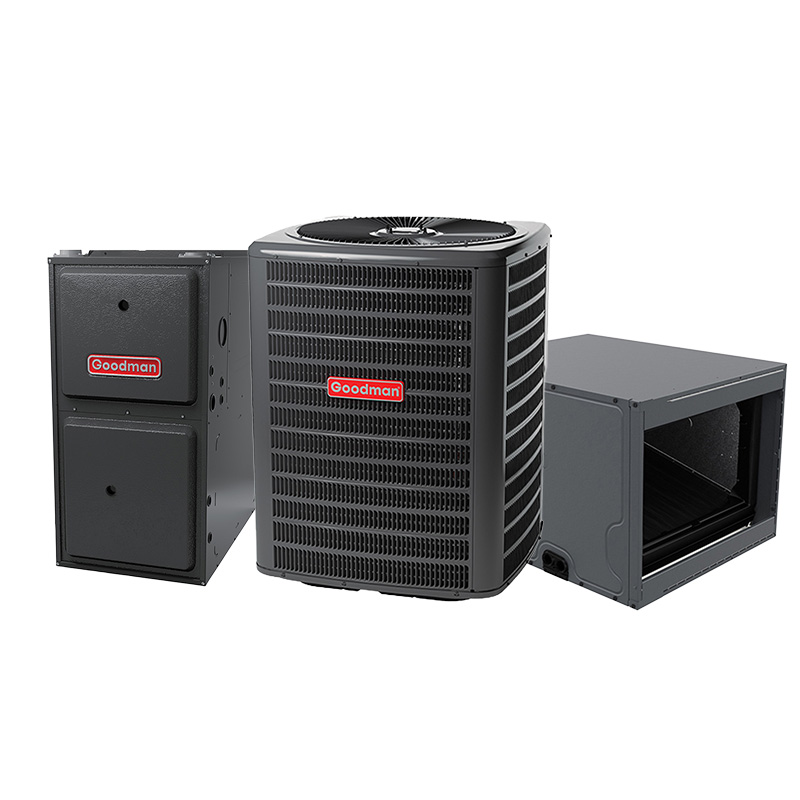
Goodman 3.5 Ton 14.5 SEER2 Dual Fuel Heat Pump & Gas Furnace Hybrid System – Modulating Variable-Speed, 100000 BTU Gas Furnace, 97% AFUE, Horizontal, R32
View on AC Direct see your lowest price →Check current price on AC Direct →
Key features
- 3.5-ton variable-speed heat pump rated at 14.5 SEER2 for cooling efficiency
- 97% AFUE modulating gas furnace with 100,000 BTU capacity
- Dual-fuel hybrid logic automatically selects heat pump or gas heat by outdoor temperature
- Horizontal configuration designed for attic, crawl-space, or side-discharge installations
- R-32 refrigerant with lower global-warming potential than the outgoing R-410A standard
- Variable-speed blower motor reduces operating noise and improves humidity control
About this system
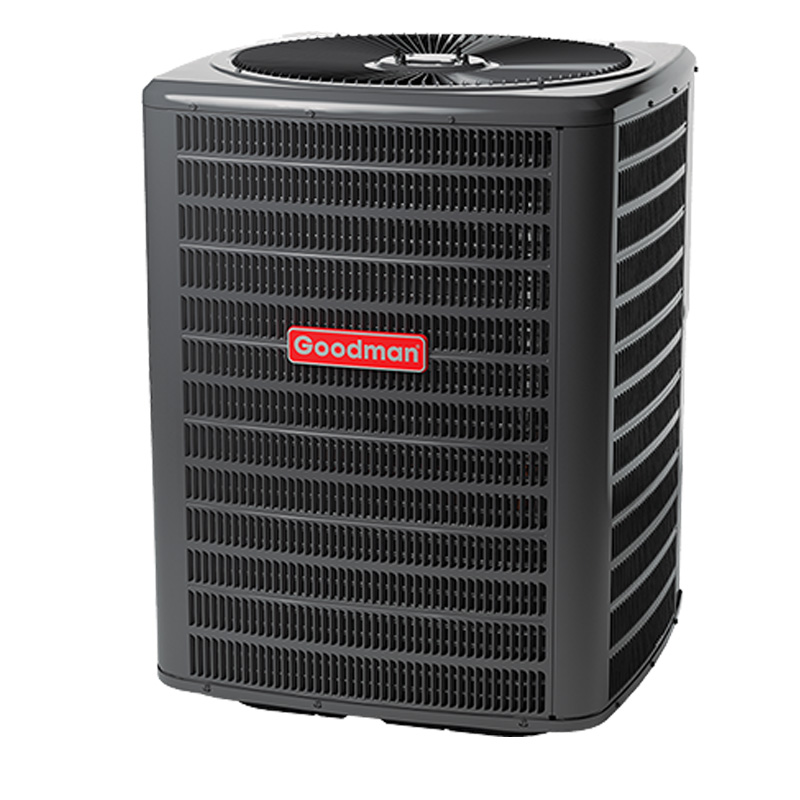
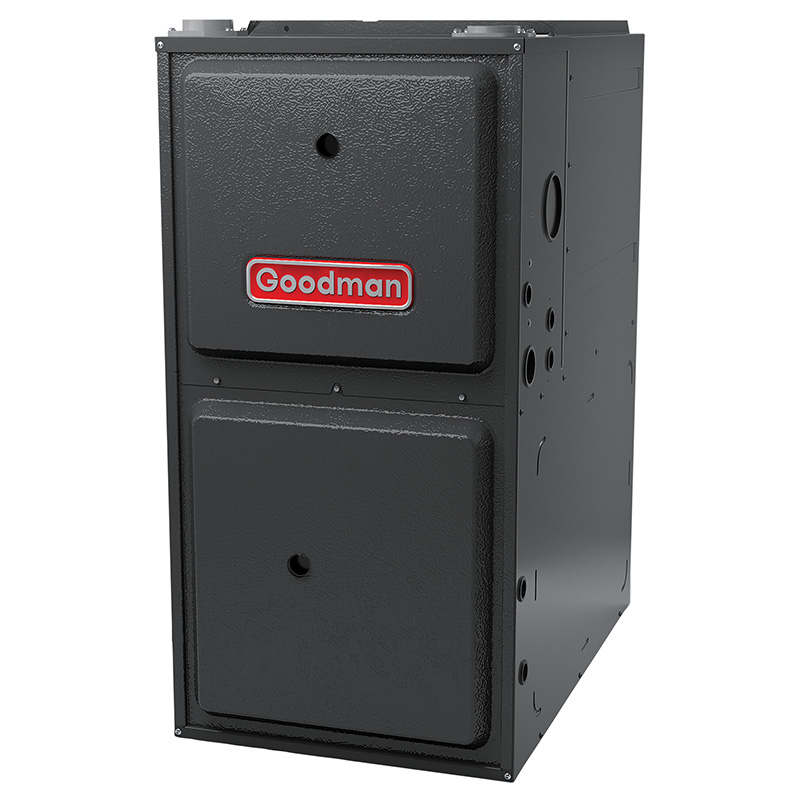
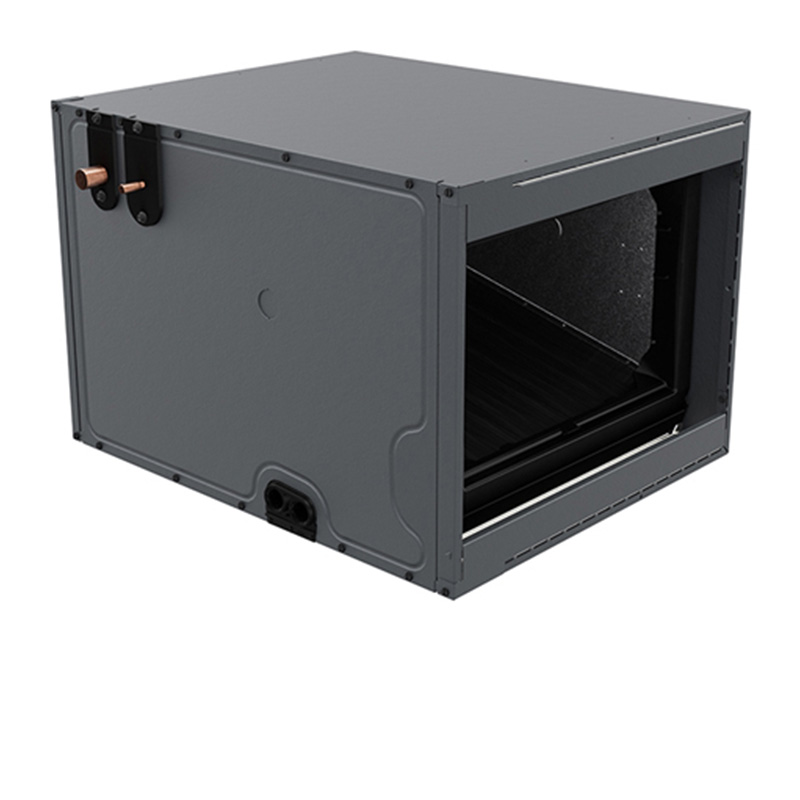
The Goodman GLZS4BA4210 is a 3.5-ton hybrid dual-fuel system that pairs a 14.5 SEER2 variable-speed heat pump with a 97% AFUE modulating gas furnace in a horizontal configuration. Dual-fuel means the system automatically switches between electric heat pump operation and gas furnace heating based on outdoor temperatures, typically favoring the heat pump above a set balance point and the furnace below it. That strategy can cut annual heating costs meaningfully in climates where winters dip hard but also have long mild stretches. The horizontal orientation makes this a strong candidate for attic and crawl-space installations where vertical units simply do not fit.
The 97% AFUE rating puts the furnace in the highest efficiency tier available, meaning only about 3% of combustion energy escapes as exhaust. The modulating burner adjusts output in small increments rather than cycling fully on and off, which improves comfort, reduces temperature swings, and lowers stress on the heat exchanger over time. R-32 refrigerant is a newer, lower global-warming-potential option compared to R-410A, which is being phased out across the industry. Variable-speed blower operation means quieter day-to-day running and better humidity control during cooling seasons. This system suits homeowners in mixed-climate zones, roughly IECC climate zones 3 through 5, who want the flexibility of dual-fuel efficiency without paying Carrier, Trane, or Lennox prices for the same general specification tier.
The GLZS4BA4210 delivers a genuinely high-efficiency dual-fuel combination at a price point well below comparable premium-brand systems, and the 97% AFUE modulating furnace is a legitimate specification at any price. The trade-off is that Goodman's real-world reliability record, particularly after year seven, is weaker than Trane, Carrier, or Lennox, and this system's complexity means a mediocre installation will undercut every efficiency and longevity advantage on the spec sheet.
Overall score is the average of the five ratings above.
What we like
- 97% AFUE modulating furnace is among the highest efficiency ratings available, reducing long-term gas bills
- Dual-fuel operation actively chooses the cheaper heating source for prevailing conditions, lowering annual energy spend
- Variable-speed blower improves comfort and humidity management compared to single- or two-stage alternatives
- R-32 refrigerant future-proofs the system as R-410A equipment becomes harder to service
- Priced roughly 15 to 25 percent below equivalent Carrier, Trane, and Lennox configurations, lowering the upfront barrier
Trade-offs
- Dual-capacitor failures are Goodman's most documented repair issue and, while inexpensive to fix, can recur and become an ongoing maintenance line item
- Evaporator coil leaks appear in a notable share of owner reviews and can be a more expensive, disruptive repair than a capacitor swap
- Compressor longevity averages 10 to 14 years versus 15 to 20 for premium brands, meaning earlier replacement cost exposure on a system this size
- Horizontal-only configuration limits installation flexibility and requires a contractor with specific experience in attic or crawl-space setups, where poor access can lead to cut corners
What homeowners and pros say about Goodman
Goodman’s ConsumerAffairs score of roughly 2.5 out of 5 reflects a platform that skews toward dissatisfied owners writing in to vent, and the patterns there are consistent: repair bills that start climbing around year seven and frustration with parts costs. Google dealer reviews average around 3.8 out of 5, and the praise that shows up most often is straightforward, affordability relative to name-brand alternatives. For a dual-fuel system at this specification level, that gap in upfront cost is real and it matters to the households buying in this segment. The picture is not uniformly grim, but it is not uniformly rosy either.
HVAC technicians who work on Goodman equipment frequently point out that install quality is the single largest variable in how these systems perform over time, and that applies with extra force to a horizontal dual-fuel setup where access, drainage slope, and refrigerant charge are all harder to get exactly right. The documented failure modes to watch for in this system are dual-run capacitor failure, which is typically a low-cost fix in the 300 to 600 dollar range but tends to recur; evaporator coil leaks, which are more disruptive and costly; and compressor life that averages 10 to 14 years, meaningfully shorter than the 15 to 20 years that Trane, Carrier, and Lennox owners tend to see. A small minority of first-year owners also report refrigerant leaks, most of which trace back to installation rather than factory defect. Owners who invest in annual tune-ups and choose an installer with specific dual-fuel experience consistently report better outcomes than those who treat it as a set-and-forget purchase.
Sources: ConsumerAffairs Goodman owner reviews, AHRI Directory of Certified Product Performance, U.S. DOE appliance and equipment efficiency standards, Goodman product specification sheets.
What it costs to run
At 14.5 SEER2, cooling this 3.5-ton system for a typical 1200-hour cooling season at the U.S. average electricity rate of $0.17/kWh works out to roughly $591 per year in cooling, about $48 less per year than a minimum-efficiency 13.4 SEER2 unit of the same size. Your real cost depends on your climate and local rate.
Method: (42,000 BTU/hr ÷ 14.5 SEER2) × 1200 hours ÷ 1000 × $0.17/kWh. Rate source: U.S. EIA average; cooling hours: moderate-climate estimate.
How it compares
| Brand | Comparable model | SEER2 | Stage | Price position |
|---|---|---|---|---|
| Goodman | GLZS4BA4210 (this system) | 14.5 | Variable | Value pick |
| Carrier | Performance Series Dual Fuel (25HCB / 59MN7) | 15.0–16.0 | Two-stage / Variable | Typically 15 to 25 percent more than Goodman |
| Trane | XV18 / S9X2 Dual Fuel Hybrid | 15.0–18.0 | Variable | Typically 15 to 25 percent more than Goodman |
| Lennox | XP15 / ML296V Dual Fuel System | 15.0–16.0 | Two-stage / Variable | Typically 15 to 25 percent more than Goodman |
Competitor rows are comparable single-stage units at similar efficiency; price is relative position, not a quote.
Questions about this system
How does the dual-fuel switchover actually work, and do I need to set a balance point manually?
The system uses an outdoor temperature threshold called a balance point, often set between 30 and 40 degrees Fahrenheit, above which the heat pump handles heating and below which the gas furnace takes over. Most thermostats compatible with dual-fuel systems allow you to set this point during commissioning, and some modern communicating thermostats adjust it automatically. Your installer should configure and verify this during startup, because an improperly set balance point defeats most of the efficiency benefit.
Is R-32 refrigerant more expensive or harder to find for service calls than R-410A?
R-32 availability is growing quickly because it is the industry's chosen replacement for R-410A, so supply constraints should ease over time rather than worsen. At the moment, some smaller HVAC shops may stock it less consistently than R-410A, so it is worth confirming your chosen service contractor can source it before you buy. Mildly flammable classification means technicians need specific handling certification, though this is becoming standard.
What does the horizontal-only configuration mean for my installation options?
Horizontal means the air handler section is designed to lie on its side, which suits attic platforms and crawl-space applications but rules out upflow or downflow closet installations. If your home's existing ductwork feeds from a basement utility closet in a vertical orientation, this specific model is not compatible. Confirm your contractor has done horizontal attic installs before, as drainage and refrigerant line routing are more involved than in a standard closet setup.
Given Goodman's reliability reputation, what maintenance schedule should I plan for?
Annual professional tune-ups are important for any system but especially so here: dual-run capacitors are Goodman's most commonly reported failure point and can be caught and replaced proactively before they strand you without heating or cooling. Plan for a refrigerant charge check in the first year to rule out the minority of cases involving install-related leaks. Coil cleaning every one to two years helps reduce the risk of evaporator coil issues showing up in later years.
What warranty coverage comes with this system, and are there conditions I need to meet?
Goodman typically offers a 10-year parts limited warranty when the equipment is registered within a set window after installation, often 60 days, by a licensed HVAC contractor. Failure to register usually drops coverage to five years, and the warranty generally requires professional installation to remain valid. The warranty covers parts but not labor, so factor potential service call costs into your long-term budget, particularly in years seven and beyond where repair frequency tends to climb based on owner feedback.
Specifications
| Cooling capacity | 3.5 Ton |
| Efficiency | 14.5 SEER2 |
| Furnace output | 100000 BTU |
| Furnace efficiency | 97% AFUE |
| Configuration | Horizontal |
| Refrigerant | R-32 |
| Model | GLZS4BA4210 |