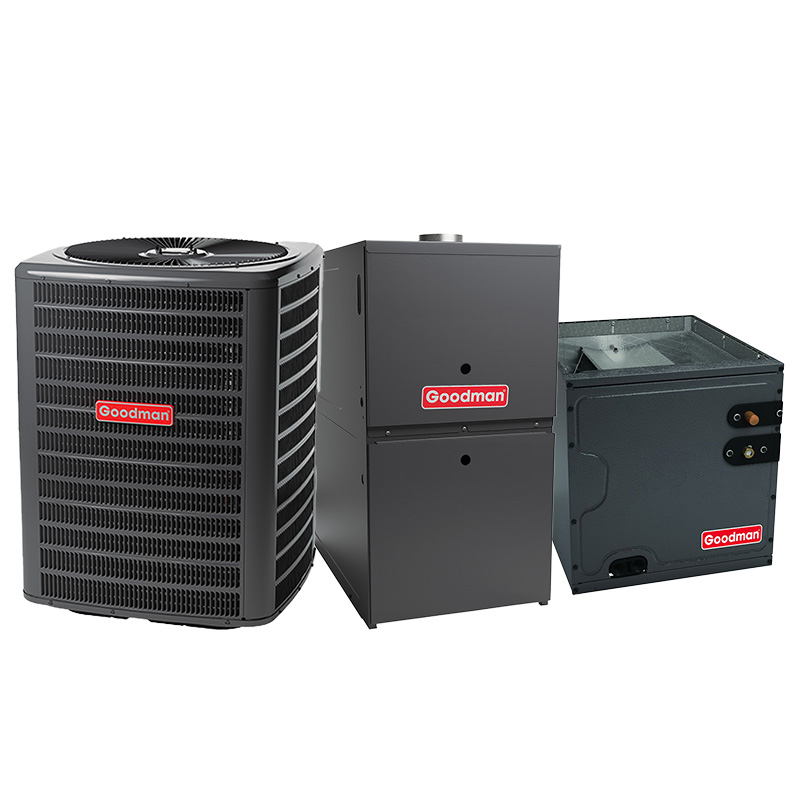
Goodman 3.5 Ton 14 SEER2 AC & Gas Furnace System – Two Stage Variable-Speed, 100000 BTU Gas Furnace, 80% AFUE, Upflow, R32
View on AC Direct see your lowest price →Check current price on AC Direct →
Key features
- 3.5-ton two-stage compressor for quieter part-load operation and better humidity control
- 14 SEER2 efficiency rating meets 2023 federal minimum standards for most U.S. regions
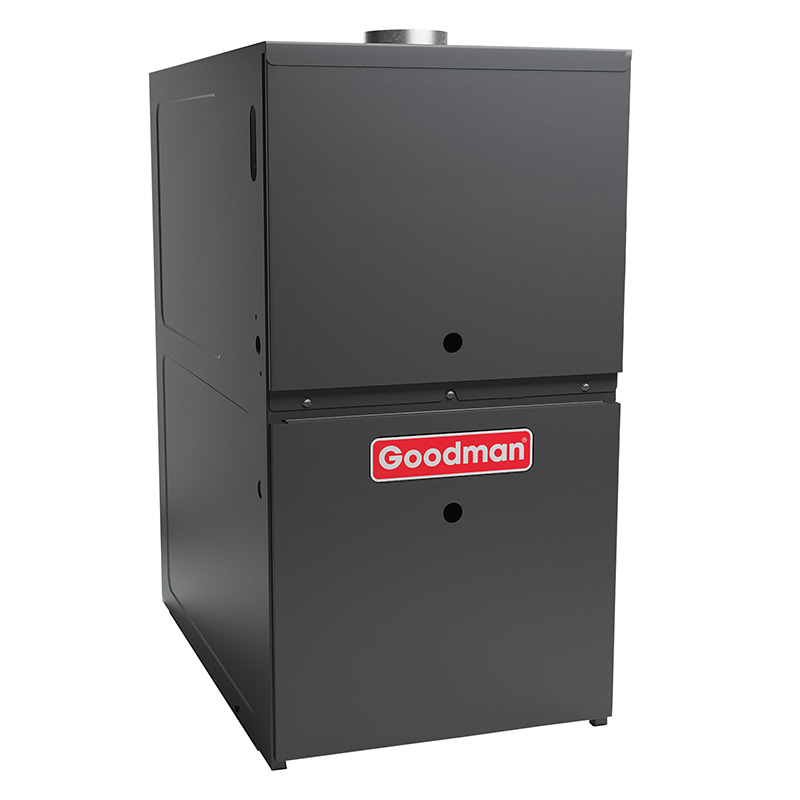
- 100,000 BTU upflow gas furnace at 80% AFUE, suitable for cold-climate heating loads
- Variable-speed ECM blower motor reduces fan energy use and improves airflow consistency
- R-32 refrigerant with lower global warming potential than legacy R-410A systems
- Matched system design allows the components to communicate for optimized staging and defrost
About this system
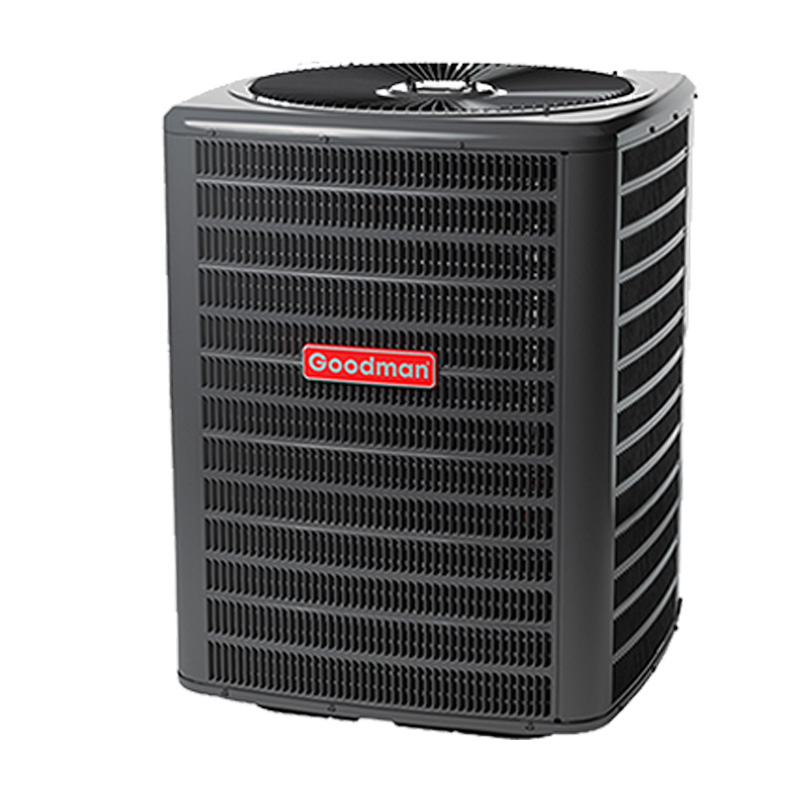
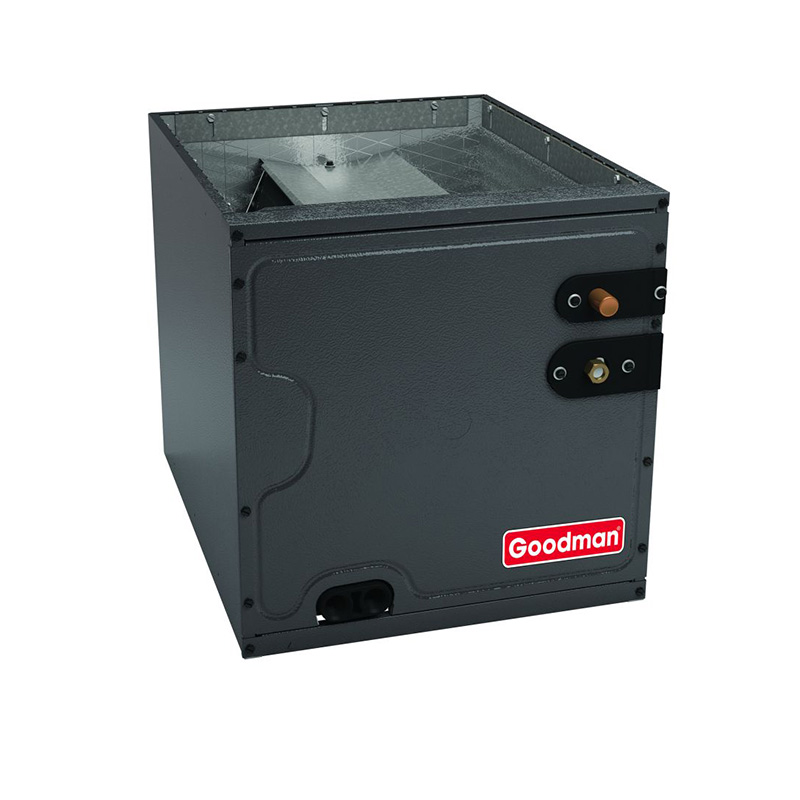
The Goodman 3.5-ton 14 SEER2 two-stage, variable-speed system pairs a mid-efficiency split AC with an 80% AFUE upflow gas furnace rated at 100,000 BTU. The two-stage compressor runs at a lower capacity during mild weather and ramps up only when demand requires it, which reduces short-cycling, keeps indoor humidity more consistent, and puts less wear on components compared to a single-stage unit. The variable-speed air handler further smooths airflow and can meaningfully cut fan energy costs over a season. R-32 refrigerant, which carries a lower global warming potential than the R-410A it replaces, is now the industry direction and is what this system uses.
At 14 SEER2 and 80% AFUE, this system sits at the entry-level efficiency tier for 2023-era federal minimums in most U.S. climate zones. Homeowners in moderate climates who want reliable cooling and heating without paying for top-tier efficiency will find it adequate. However, if you are in a hot southern climate running the AC six or more months a year, the payback math increasingly favors moving up to a 16+ SEER2 unit. The upflow configuration means warm air exits the top of the furnace and travels up into your ductwork, which suits most homes with the furnace in a basement or main-floor closet.
This bundle is sized for roughly 2,000 to 2,500 square feet depending on insulation, local climate, and duct layout, though proper Manual J load calculation by your installer is the only reliable way to confirm the right tonnage. Oversizing this or any system leads to short-cycling, poor dehumidification, and shortened equipment life regardless of brand.
This Goodman bundle offers a real step up from single-stage equipment at a price point that undercuts major premium brands by 15 to 25 percent. The two-stage and variable-speed combination delivers genuine comfort improvements over base-tier systems, but Goodman's documented history of capacitor failures, evaporator coil leaks, and compressor lifespans shorter than premium competitors means long-term ownership costs can close that initial price gap. It is a reasonable buy for budget-focused homeowners who secure good installation and carry a service plan.
Overall score is the average of the five ratings above.
What we like
- Two-stage cooling reduces short-cycling and improves dehumidification versus single-stage alternatives
- Variable-speed blower lowers fan electricity consumption and reduces temperature swings
- Priced 15 to 25 percent below comparable Trane, Carrier, and Lennox equipment
- R-32 refrigerant is the current industry standard with better environmental profile than R-410A
- Matched system bundle simplifies compatibility verification and can streamline warranty claims
Trade-offs
- Dual-run capacitors are the most frequently reported failure point, typically adding repair costs of $300 to $600 around or after year 7
- Evaporator coil leaks appear in a notable share of owner reports and can be a costly repair outside warranty
- Compressor lifespan averages 10 to 14 years versus 15 to 20 years for premium brands, affecting long-term cost of ownership
- 80% AFUE is the minimum-efficiency tier for furnaces; homeowners in colder climates will see meaningfully lower heating bills with a 96% AFUE unit
What homeowners and pros say about Goodman
Homeowners who chose Goodman equipment tend to split into two camps, and those camps are clearly visible in the ratings. On Google dealer reviews, where context includes the full install experience, Goodman averages around 3.8 out of 5 stars, with affordability and accessible parts availability cited most often as positives. On ConsumerAffairs, which draws a heavier share of frustrated owners, the score drops to roughly 2.5 out of 5, and the recurring complaint is repair costs accelerating after roughly year 7. Dual-run capacitors are the most commonly reported failure, generally a straightforward and low-cost fix in the $300 to $600 range, but evaporator coil leaks also show up with enough regularity to be a legitimate concern. A minority of owners report refrigerant leaks within the first year, which technicians typically trace to installation or initial charge issues rather than a product defect.
HVAC professionals who work on Goodman equipment regularly tend to describe it as workable but installation-sensitive. The consensus is that a well-commissioned Goodman unit in a properly sized application, with annual maintenance, can perform reliably for a decade or more, but that it leaves less margin for error than premium brands. Compressor longevity is the area where the gap with Trane, Carrier, and Lennox is most concrete: Goodman compressors average 10 to 14 years while premium units more often reach 15 to 20. For this specific two-stage, variable-speed configuration, installers note that the ECM blower adds a layer of complexity that rewards working with a dealer familiar with Goodman’s current product line. Budget-focused buyers who treat installation quality as non-negotiable get the most out of what this brand offers.
Sources: ConsumerAffairs Goodman owner reviews, AHRI Directory of Certified Product Performance, U.S. DOE appliance and equipment efficiency standards, Goodman product specification sheets.
What it costs to run
At 14 SEER2, cooling this 3.5-ton system for a typical 1200-hour cooling season at the U.S. average electricity rate of $0.17/kWh works out to roughly $612 per year in cooling, about $27 less per year than a minimum-efficiency 13.4 SEER2 unit of the same size. Your real cost depends on your climate and local rate.
Method: (42,000 BTU/hr ÷ 14 SEER2) × 1200 hours ÷ 1000 × $0.17/kWh. Rate source: U.S. EIA average; cooling hours: moderate-climate estimate.
How it compares
| Brand | Comparable model | SEER2 | Stage | Price position |
|---|---|---|---|---|
| Goodman | GSZ14 / GMVC8 series (this system) | 14 | two-stage | Value pick |
| Carrier | Comfort 14 / 59SC5 series | 14 | single-stage | Typically 15 to 25 percent more than this Goodman system |
| Trane | XR14 / S8X1 series | 14 | single-stage | Typically 15 to 25 percent more than this Goodman system |
| Lennox | Merit 14ACX / ML180 series | 14 | single-stage | Typically 15 to 25 percent more than this Goodman system |
Competitor rows are comparable single-stage units at similar efficiency; price is relative position, not a quote.
Questions about this system
Is 14 SEER2 going to be legal and sufficient in my area, or should I step up?
14 SEER2 meets the 2023 federal minimum for northern U.S. climate regions but falls below the 15 SEER2 minimum now required in southern and southwestern states. Confirm your regional requirement with your installer before purchasing. Even where it is legal, homeowners in hot climates running the system heavily may recover the cost of a higher-efficiency unit through energy savings within a few years.
What does the two-stage compressor actually do day to day?
On mild days the compressor runs at its lower stage, which is quieter, draws less power, and allows longer run cycles that pull more humidity out of the air. It only kicks to full capacity when outdoor temperatures or indoor load demand it. Most homeowners notice fewer temperature swings and better humidity control compared to a single-stage system.
What is R-32 refrigerant and does it cost more to service?
R-32 is a single-component refrigerant now being adopted industry-wide as a replacement for R-410A, with a lower global warming potential. It is mildly flammable, which means technicians need to be certified to handle it and some older service equipment may need upgrading. Recharge costs are not dramatically different from R-410A at this point, but always confirm your service provider is R-32 certified.
Goodman has mixed reviews online. How worried should I be about reliability?
Goodman scores around 2.5 out of 5 on ConsumerAffairs, though that platform skews toward complaint-driven posts. Google dealer reviews average closer to 3.8 out of 5. The documented weak spots are dual-run capacitors (a relatively inexpensive fix), evaporator coil leaks, and compressors that average 10 to 14 years rather than the 15 to 20 years seen with premium brands. Strong installation quality and a preventive maintenance plan are the most effective ways to push toward the longer end of that range.
Can I install this system myself to save money?
No. Handling refrigerant legally requires EPA 608 certification, and most local jurisdictions require a licensed HVAC contractor to pull permits and perform the installation. Beyond legal requirements, Goodman systems perform and last significantly longer with a properly commissioned installation, and warranty coverage often depends on professional installation by a registered dealer.
Specifications
| Cooling capacity | 3.5 Ton |
| Efficiency | 14 SEER2 |
| Furnace output | 100000 BTU |
| Furnace efficiency | 80% AFUE |
| Configuration | Upflow |
| Refrigerant | R-32 |