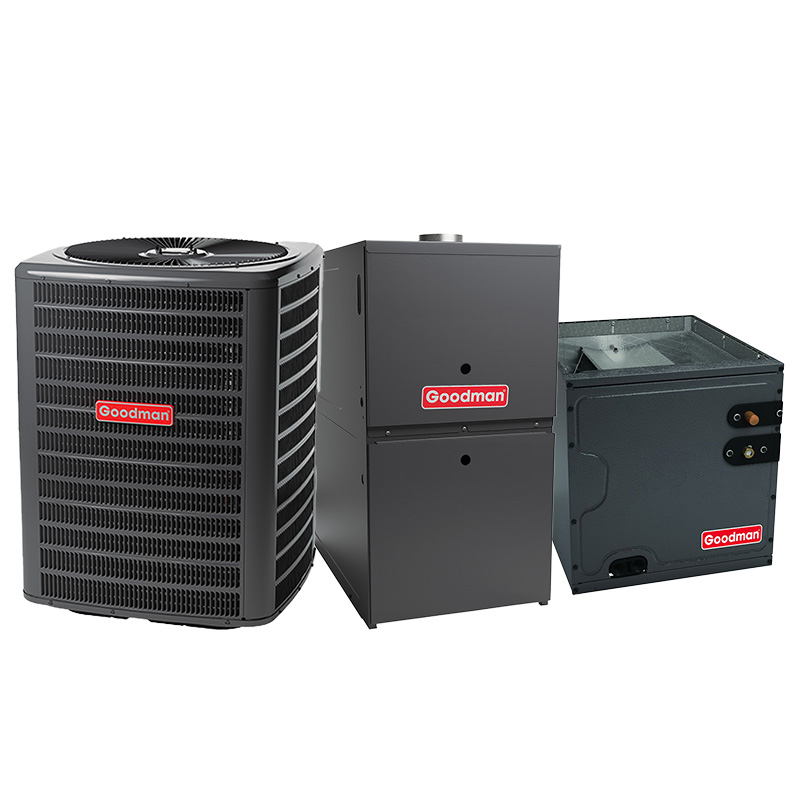
Goodman 3.5 Ton 14 SEER2 AC & Gas Furnace System – Two Stage Variable-Speed, 80000 BTU Gas Furnace, 80% AFUE, Upflow, R32
View on AC Direct see your lowest price →Check current price on AC Direct →
Key features
- 3.5-ton two-stage compressor for reduced temperature swings on mild days
- 14 SEER2 efficiency rating, meeting current federal minimums for most U.S. regions
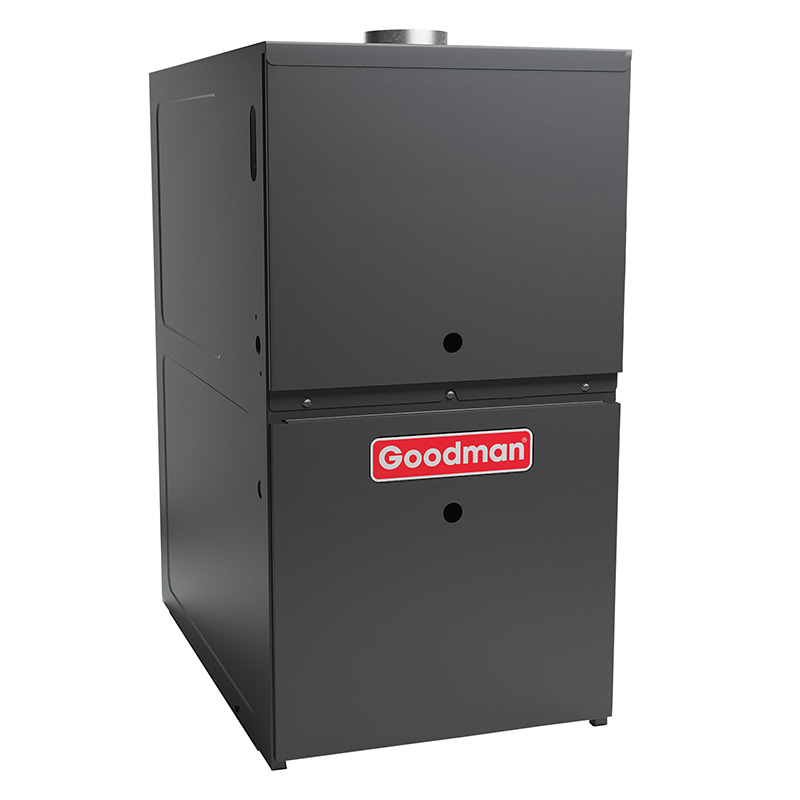
- 80,000 BTU upflow gas furnace, 80% AFUE, suited for basement or closet installs
- Variable-speed ECM blower motor for quieter operation and improved dehumidification
- R-32 refrigerant with lower global warming potential than R-410A
- Designed for upflow duct configuration with supply air directed upward
About this system
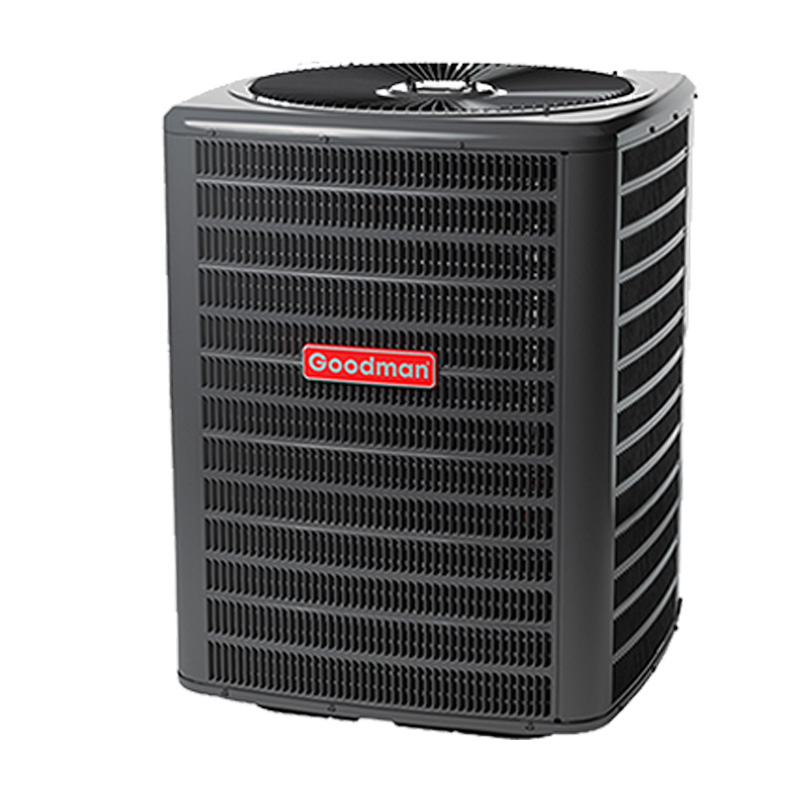
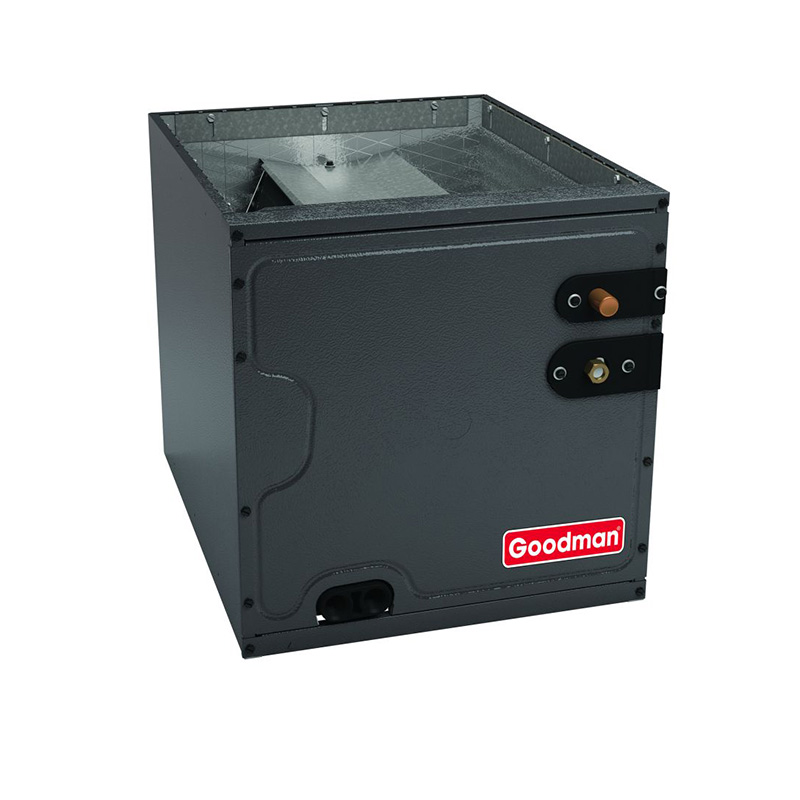
The Goodman 3.5-ton 14 SEER2 two-stage, variable-speed system pairs a split-system air conditioner with an 80,000 BTU upflow gas furnace rated at 80% AFUE. The two-stage compressor runs at a lower capacity on mild days and steps up only when outdoor temperatures demand it, which smooths out temperature swings and reduces short-cycling compared with a single-stage unit. The variable-speed air handler motor adjusts airflow continuously, adding further comfort and modest dehumidification gains over fixed-speed alternatives.
At 14 SEER2, this system sits at the federal minimum efficiency threshold for most U.S. climate zones, so it is not an efficiency leader. The 80% AFUE furnace means one-fifth of the fuel you burn leaves through the flue, a real operational cost compared with 96% AFUE condensing models. Where this package earns its place is in upfront budget: Goodman typically prices 15 to 25 percent below Trane, Lennox, and Carrier equipment of similar staging. For homeowners in mild-to-moderate heating climates where the furnace runs fewer hours annually, that AFUE gap is easier to justify.
The upflow configuration suits homes where the air handler sits in a basement or utility closet with supply ducts running upward through the ceiling. The system uses R-32 refrigerant, which has a lower global warming potential than the R-410A it replaces and is increasingly common in new equipment. Because R-32 operates at slightly different pressures than R-410A, installers need to confirm their gauges and recovery equipment are rated for it before starting work.
This system delivers two-stage comfort and a variable-speed blower at a price point noticeably below premium brands, making it a practical choice for budget-conscious buyers who are not chasing top efficiency. The 80% AFUE furnace and 14 SEER2 rating leave real money on the table over the life of the equipment compared with higher-efficiency alternatives. Long-term ownership experience with Goodman is closely tied to installer quality and willingness to budget for repairs in years seven and beyond.
Overall score is the average of the five ratings above.
What we like
- Two-stage cooling reduces short-cycling and improves comfort on mild days versus single-stage units
- Variable-speed blower lowers noise levels and helps wring more humidity out of indoor air
- Purchase price typically 15 to 25 percent below Carrier, Trane, and Lennox at similar staging
- R-32 refrigerant is widely available and carries a lower environmental impact than R-410A
- Upflow design is straightforward to service in basement and closet installations
Trade-offs
- 80% AFUE furnace loses 20 cents of every fuel dollar up the flue, a meaningful gap versus 96% AFUE condensing models in cold climates
- 14 SEER2 is the current federal minimum, so operating costs will be higher than mid- or high-efficiency alternatives over a 15-year lifespan
- Dual-run capacitors are the most commonly reported failure point, and evaporator coil leaks appear in a meaningful share of owner reports after several years
- Compressor lifespan averages 10 to 14 years on Goodman units, shorter than the 15 to 20 years more commonly seen on premium-brand compressors
What homeowners and pros say about Goodman
Owners who are satisfied with their Goodman equipment almost always point to the same thing: they got a working, comfortable system installed for significantly less than competing bids from Trane or Carrier dealers. On Google dealer reviews, Goodman equipment earns around 3.8 out of 5 across hundreds of reviews per location, with affordability as the most frequently mentioned reason for a positive rating. The two-stage compressor and variable-speed blower in this particular configuration get credit from owners for quieter operation and more even temperatures compared with the single-stage Goodman units they replaced. When the installation goes cleanly and the system is charged correctly, early-year ownership tends to be uneventful.
The less flattering side of the picture shows up on complaint-weighted platforms like ConsumerAffairs, where Goodman sits at roughly 2.5 out of 5 and the recurring theme is repair costs that climb noticeably after about year seven. The documented failure points are specific: dual-run capacitors fail more often than owners expect, evaporator coil leaks appear in a meaningful share of multi-year reports, and compressor lifespan on Goodman units tends to average 10 to 14 years rather than the 15 to 20 years more typical of premium brands. A minority of owners also report refrigerant leaks within the first year, which technicians generally attribute to installation or initial charge problems rather than factory defects. HVAC professionals are consistent in saying that a well-installed Goodman performs acceptably for its price tier, and that a poorly installed premium brand will underperform a carefully installed Goodman every time.
Sources: ConsumerAffairs Goodman owner reviews, AHRI Directory of Certified Product Performance, U.S. DOE appliance and equipment efficiency standards, Goodman product specification sheets.
What it costs to run
At 14 SEER2, cooling this 3.5-ton system for a typical 1200-hour cooling season at the U.S. average electricity rate of $0.17/kWh works out to roughly $612 per year in cooling, about $27 less per year than a minimum-efficiency 13.4 SEER2 unit of the same size. Your real cost depends on your climate and local rate.
Method: (42,000 BTU/hr ÷ 14 SEER2) × 1200 hours ÷ 1000 × $0.17/kWh. Rate source: U.S. EIA average; cooling hours: moderate-climate estimate.
How it compares
| Brand | Comparable model | SEER2 | Stage | Price position |
|---|---|---|---|---|
| Goodman | This system (3.5T 14 SEER2 Two-Stage / 80K BTU 80% AFUE) | 14 | Two-stage | Value pick |
| Carrier | Comfort Series (24ACC636) | 14 | Single-stage | Typically 15 to 25 percent more than this Goodman |
| Trane | XR14 Series | 14 | Single-stage | Typically 15 to 25 percent more than this Goodman |
| Lennox | Merit Series (14ACX) | 14 | Single-stage | Typically 15 to 25 percent more than this Goodman |
Competitor rows are comparable single-stage units at similar efficiency; price is relative position, not a quote.
Questions about this system
Is 80% AFUE good enough, or should I upgrade to a 96% AFUE furnace?
It depends on how many heating hours your climate demands. In the Deep South or mild Pacific Coast regions, 80% AFUE is often sufficient because the furnace runs relatively few hours per year. In the Midwest or Northeast, a 96% AFUE condensing furnace can recover the price difference in fuel savings within several years. Get a heating load estimate and compare annual fuel costs for your specific location before deciding.
What does R-32 refrigerant mean for service and repair costs?
R-32 operates at higher pressures than R-410A and requires technicians to use gauges and recovery cylinders rated specifically for it. Most established HVAC contractors are already equipped for R-32, but it is worth confirming before booking service. Refrigerant cost and availability are comparable to R-410A at this time.
What are the most likely repair costs I should plan for over the first decade?
Dual-run capacitor failures are the most commonly reported issue on Goodman equipment and typically run between $300 and $600 to repair including labor. Evaporator coil leaks appear in a meaningful share of owner reports and are more expensive to address. A minority of owners have reported refrigerant leaks within the first year, which is usually an installation or initial charge issue rather than a product defect.
Does the two-stage compressor really make a difference compared with a single-stage unit at the same SEER2?
Yes, in practical use. On days when cooling demand is moderate, the compressor runs at its lower stage for longer cycles rather than blasting on and off repeatedly. This keeps indoor temperatures more even, runs the blower longer for better filtration and dehumidification, and tends to be noticeably quieter. The efficiency gain over a comparable single-stage unit at the same SEER2 rating is modest, but the comfort difference is real.
How important is installer quality for a Goodman system specifically?
Very important. HVAC technicians consistently cite installation quality as the single largest factor in how long a Goodman unit lasts and how few problems it causes. Proper refrigerant charge, correct airflow setup, and careful electrical connections have an outsized impact on this brand compared with premium competitors whose tighter manufacturing tolerances provide a wider margin for error. Choosing a licensed, experienced contractor matters as much as the equipment itself.
Specifications
| Cooling capacity | 3.5 Ton |
| Efficiency | 14 SEER2 |
| Furnace output | 80000 BTU |
| Furnace efficiency | 80% AFUE |
| Configuration | Upflow |
| Refrigerant | R-32 |