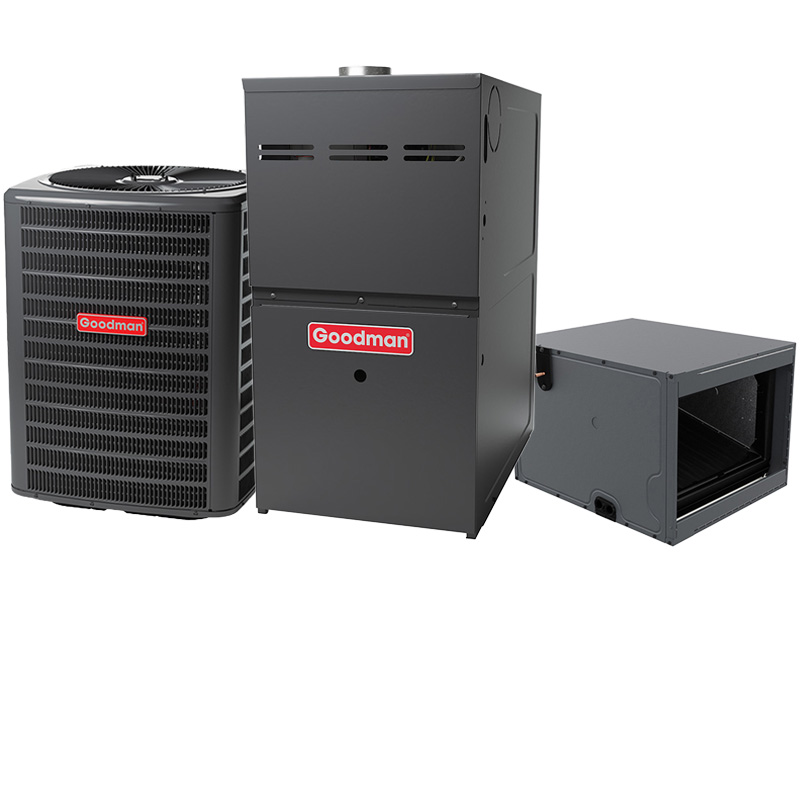
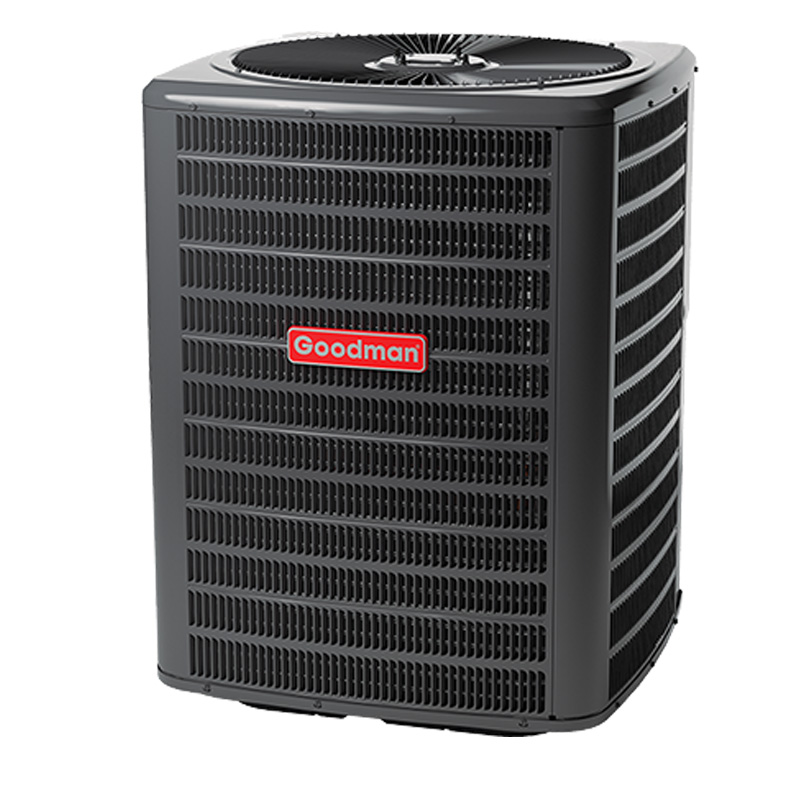
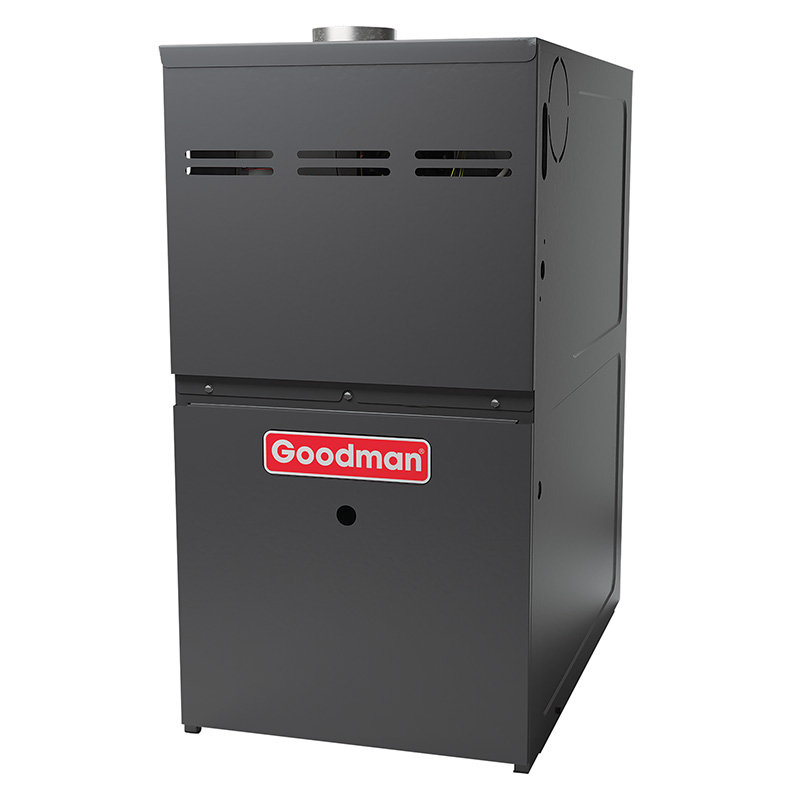
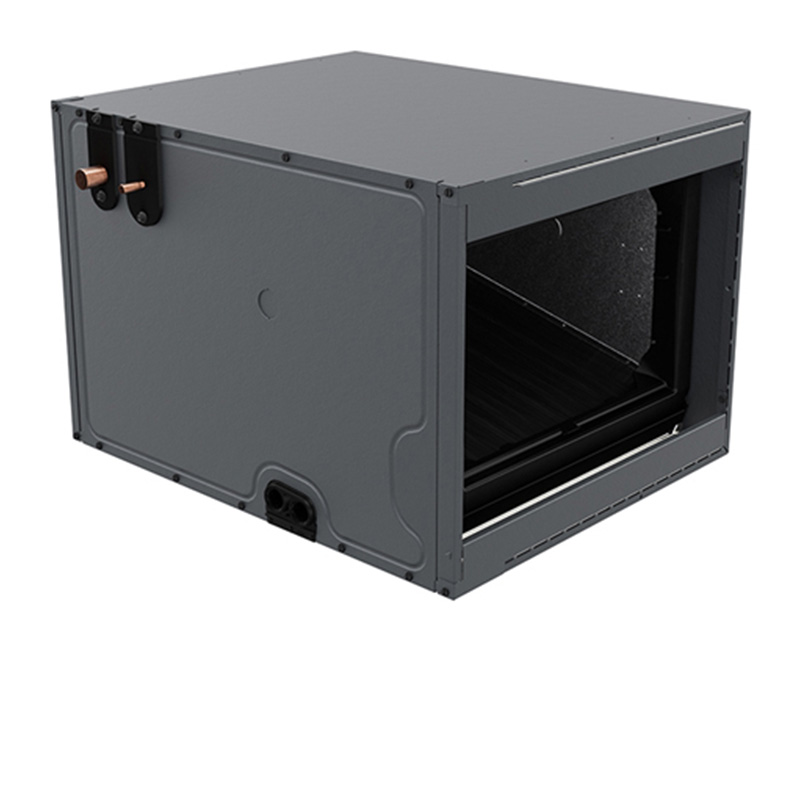
Goodman 3.5 Ton 15.2 SEER2 100000 BTU 80% AFUE Multi-Speed ECM Gas Furnace System – Horizontal | R32
View on AC Direct see your lowest price →Check current price on AC Direct →
Key features
- 3.5-ton cooling capacity matched to a 100,000 BTU 80% AFUE multi-speed gas furnace
- 15.2 SEER2 efficiency rating meets current federal minimums for most U.S. regions
- Horizontal configuration designed for attic or crawl space installations with limited vertical clearance
- ECM multi-speed blower motor improves dehumidification and reduces fan energy consumption
- R-32 refrigerant with lower global-warming potential than R-410A, consistent with evolving regulations
- Factory-matched system designed for compatibility between furnace and air handler coil
About this system
The Goodman 3.5-ton 15.2 SEER2 horizontal gas furnace system is built for mid-size homes in the 1,800 to 2,400 square foot range that need both serious cooling capacity and a high-output furnace. The 100,000 BTU furnace running at 80% AFUE is a solid choice for cold-to-moderate climates where heating bills are real but extreme cold is not the norm. Horizontal orientation makes this configuration well suited to attic or crawl space installations where vertical clearance is limited, and the R-32 refrigerant charge reflects the industry shift toward lower global-warming-potential refrigerants that will remain legal and readily available as older refrigerants phase out.
At 15.2 SEER2, this system clears the federal minimum efficiency threshold for most U.S. regions and delivers reasonable operating costs without the price premium of a 17 or 18 SEER2 system. The multi-speed ECM blower motor is a meaningful step up from single-speed motors: it runs at lower speeds during mild demand, which improves dehumidification, reduces noise, and cuts fan energy use. That said, 80% AFUE means one in five BTUs of gas goes up the flue, so buyers in northern climates with long heating seasons may want to compare against a 95%+ AFUE two-stage system before committing.
This Goodman system offers a practical, budget-conscious entry point for homeowners replacing aging equipment in horizontal-install applications. It delivers adequate efficiency and a useful ECM blower, but buyers should budget for the possibility of capacitor replacements after year 5 and understand that compressor longevity runs shorter than premium brands. The value proposition is real only when paired with a quality installation.
Overall score is the average of the five ratings above.
What we like
- Priced 15 to 25 percent below comparable Carrier, Trane, and Lennox systems for meaningful upfront savings
- ECM multi-speed motor improves comfort and humidity control compared to single-speed alternatives
- R-32 refrigerant is better positioned for long-term regulatory compliance than R-410A equipment
- Horizontal configuration is purpose-built for attic and crawl space installs where other configurations struggle
- Factory-matched system simplifies equipment selection and can support warranty coverage under one brand
Trade-offs
- 80% AFUE wastes 20% of fuel input, making this a poor fit for cold climates with high annual heating loads
- Compressors average 10 to 14 years versus 15 to 20 for premium brands, shortening the equipment life horizon
- Dual-run capacitor failures are the most commonly reported issue, typically adding 300 to 600 dollars in service calls
- A minority of owners report refrigerant leaks within the first year, often tied to install quality rather than the equipment itself
What homeowners and pros say about Goodman
Homeowners on budget-focused HVAC forums and Google dealer review pages give Goodman equipment scores that cluster around 3.8 out of 5, where the most repeated compliment is that the upfront price made a necessary replacement possible without financing. That affordability point comes up consistently, and it is a legitimate one given that Goodman systems typically run 15 to 25 percent less than comparable Carrier, Trane, or Lennox equipment. The friction shows up further down the ownership timeline: ConsumerAffairs aggregates a complaint-skewed audience and lands Goodman at roughly 2.5 out of 5, with repair costs after year 7 as the recurring frustration. Those reviews do not represent all owners, but the pattern they reflect, rising service costs in the second half of a system’s life, is consistent enough to take seriously.
HVAC technicians who service Goodman equipment regularly point to two recurring issues: dual-run capacitor failures that usually show up in years 5 through 9 and are a low-cost fix in the 300 to 600 dollar range, and evaporator coil leaks that appear in a meaningful share of owner reports and cost more to address. Compressor longevity runs shorter than premium brands, averaging 10 to 14 years versus the 15 to 20 years technicians report for Trane and Carrier compressors. A minority of owners also report refrigerant leaks in the first year, which technicians typically attribute to installation or initial charge issues rather than a factory defect. The consistent professional advice is that Goodman equipment performs significantly better under a careful installation and benefits from a first-year follow-up check to catch any charge or connection issues before they become larger problems.
Sources: ConsumerAffairs Goodman owner reviews, AHRI Directory of Certified Product Performance, U.S. DOE appliance and equipment efficiency standards, Goodman product specification sheets.
What it costs to run
At 15.2 SEER2, cooling this 3.5-ton system for a typical 1200-hour cooling season at the U.S. average electricity rate of $0.17/kWh works out to roughly $564 per year in cooling, about $75 less per year than a minimum-efficiency 13.4 SEER2 unit of the same size. Your real cost depends on your climate and local rate.
Method: (42,000 BTU/hr ÷ 15.2 SEER2) × 1200 hours ÷ 1000 × $0.17/kWh. Rate source: U.S. EIA average; cooling hours: moderate-climate estimate.
How it compares
| Brand | Comparable model | SEER2 | Stage | Price position |
|---|---|---|---|---|
| Goodman | 3.5T 15.2 SEER2 / 100K BTU 80% AFUE Horizontal R-32 | 15.2 | Multi-speed | Value pick |
| Carrier | Comfort 15 (24ACC636 + 58TP series) | 15.2 | Single-stage | 15 to 25 percent above this Goodman system |
| Trane | XR15 (4TTR5036 + S9X2 80% furnace) | 15.0 | Single-stage | 20 to 28 percent above this Goodman system |
| Lennox | Merit 16 (14ACX + ML180 80% furnace) | 15.5 | Single-stage | 18 to 26 percent above this Goodman system |
Competitor rows are comparable single-stage units at similar efficiency; price is relative position, not a quote.
Questions about this system
Is 80% AFUE good enough, or should I pay more for a 96% furnace?
It depends heavily on your climate and annual gas bills. In mild climates where the furnace runs fewer than three months per year, the payback period on a higher-efficiency upgrade can stretch to 10 or more years. In cold climates with long heating seasons, a 95% or 96% AFUE furnace typically pays back the price difference in 4 to 7 years through lower gas bills.
What does horizontal configuration mean, and is my attic a good location for this system?
Horizontal means the air handler lies on its side, routing airflow in a horizontal path rather than vertically. Attics and crawl spaces are the most common locations for this configuration. Attic installs come with trade-offs: summer ambient temperatures stress equipment and can reduce efficiency, and service access is more difficult, which can raise future labor costs.
How does R-32 refrigerant affect maintenance and service compared to R-410A?
R-32 is mildly flammable, so it requires technicians with A2L certification and compatible tools, which is becoming standard across the industry. Availability is not currently a concern. The main practical difference is that R-32 operates at higher pressures, so technicians should confirm their gauges and equipment are rated for it before servicing.
What is the most likely repair this system will need in the first 10 years?
Based on owner reports, dual-run capacitor failure is the most commonly cited issue across Goodman equipment, typically showing up in years 5 through 9. It is a straightforward fix that generally costs 300 to 600 dollars including labor. Evaporator coil leaks and refrigerant issues appear less frequently but are more costly when they do occur.
Does Goodman's warranty require a licensed installer, and what is actually covered?
Yes, Goodman's registered warranty requires installation by a licensed HVAC contractor and product registration within a set window, typically 60 days of installation. When registered, the limited warranty generally covers parts for 10 years and the compressor for 10 years, but it does not cover labor, refrigerant, or consequential costs, which are the largest out-of-pocket expenses in a real repair situation.
Specifications
| Cooling capacity | 3.5 Ton |
| Efficiency | 15.2 SEER2 |
| Furnace output | 100000 BTU |
| Furnace efficiency | 80% AFUE |
| Configuration | Horizontal |
| Refrigerant | R-32 |