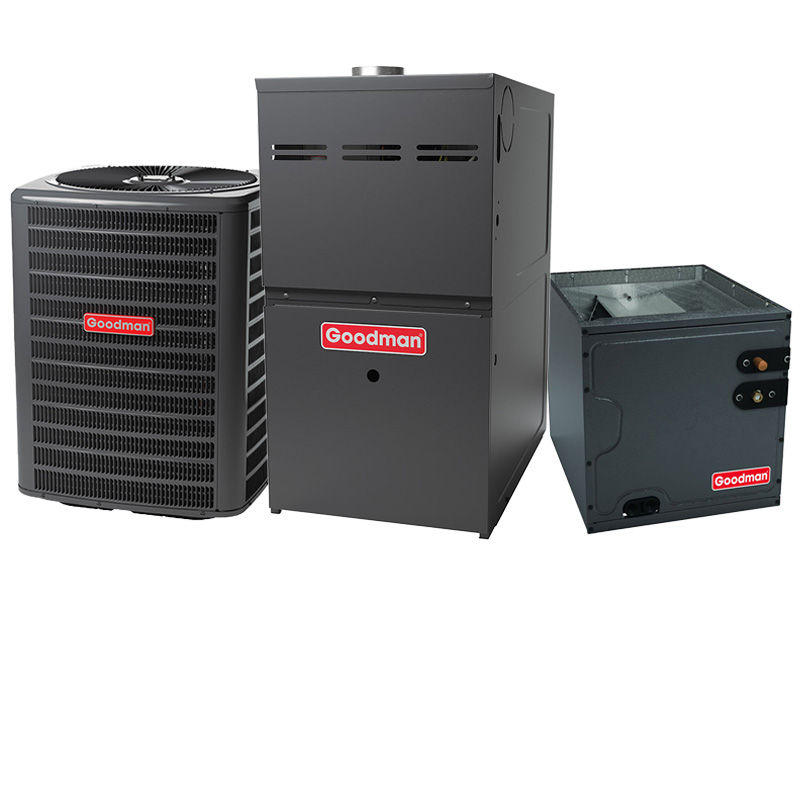
Goodman 3.5 Ton 15.2 SEER2 100000 BTU 80% AFUE Multi-Speed ECM Gas Furnace System – Upflow | R32
View on AC Direct see your lowest price →Check current price on AC Direct →
Key features
- 3.5-ton cooling capacity with 15.2 SEER2 efficiency rating
- 100,000 BTU gas furnace at 80% AFUE with multi-speed ECM blower motor
- Upflow configuration for standard basement or closet installations
- R-32 refrigerant with lower global warming potential than R-410A
- Multi-speed ECM motor reduces fan electricity use and supports humidity management
- Matched system designed for single-purchase installation with Goodman warranty eligibility
About this system
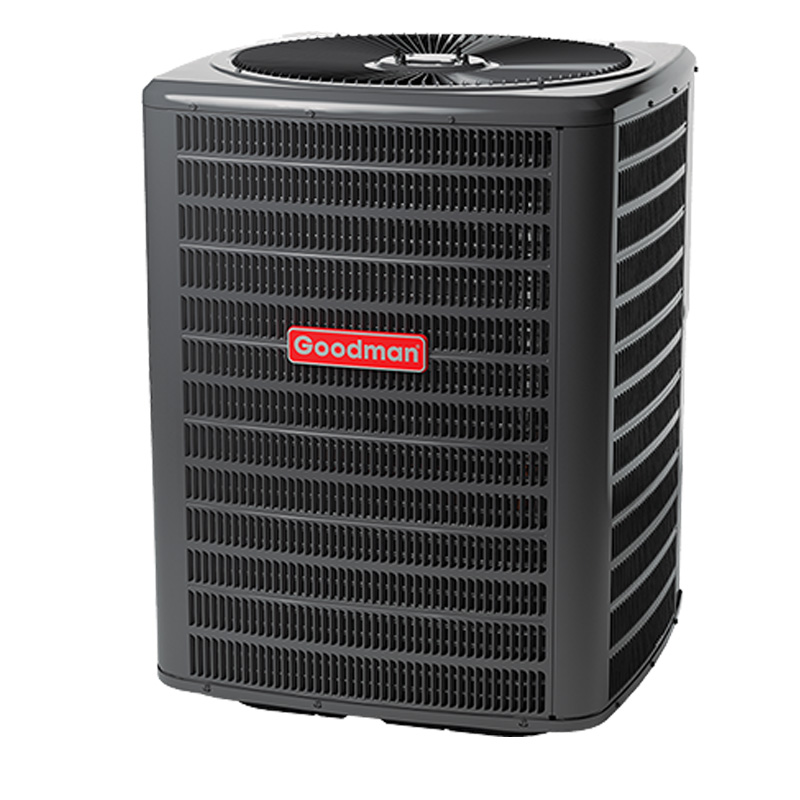
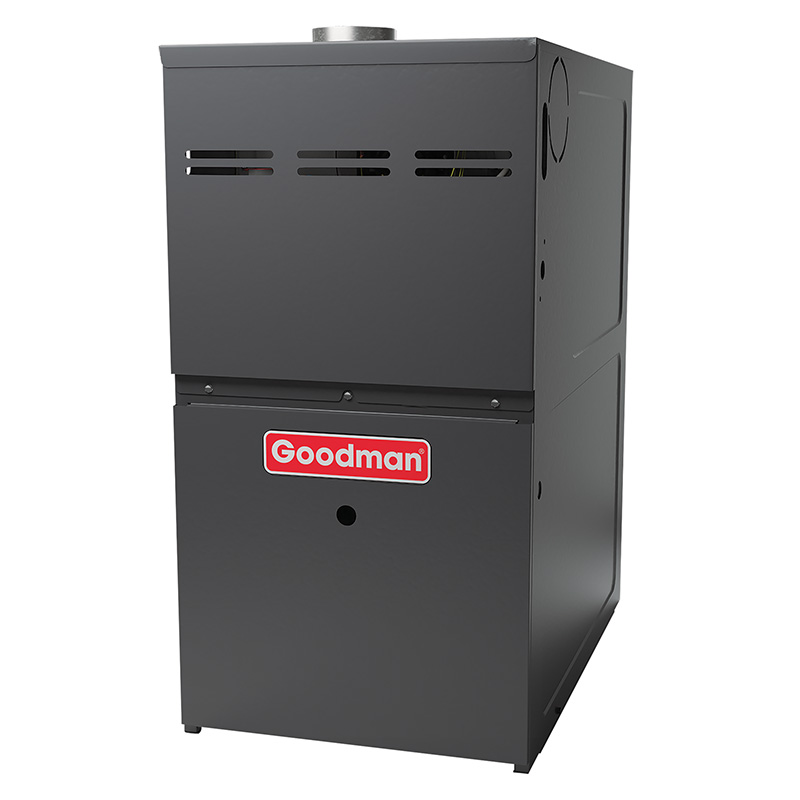
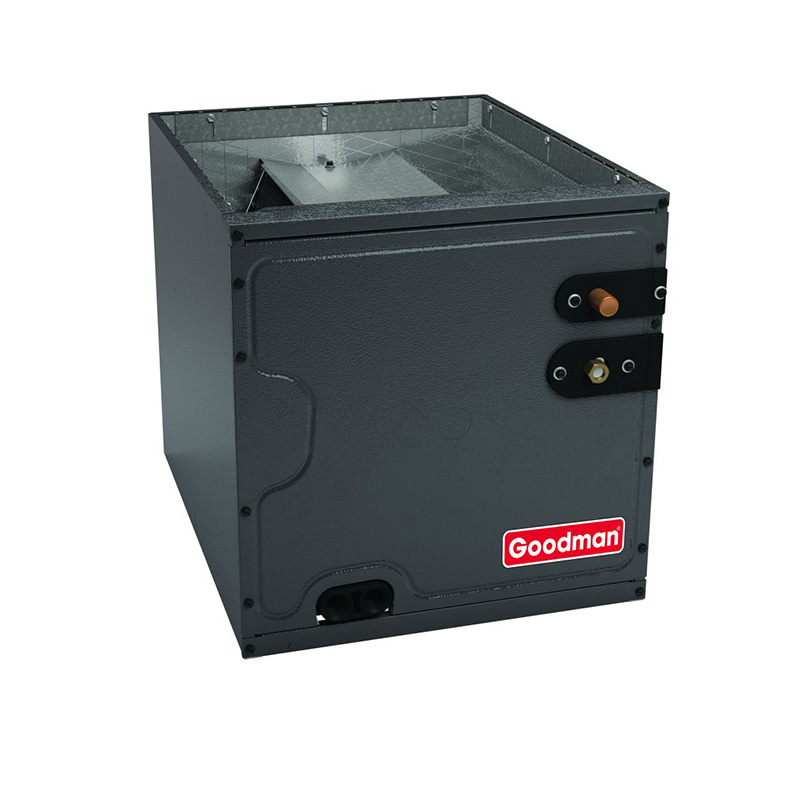
The Goodman 3.5-ton 15.2 SEER2 upflow system pairs a mid-efficiency central air conditioner with a 100,000 BTU, 80% AFUE multi-speed ECM gas furnace. That combination suits homes in the 1,800 to 2,400 square foot range with existing upflow duct systems, particularly in climates where winters are moderate enough that an 80% AFUE furnace makes financial sense without the added cost and condensate complexity of a 90%-plus unit. R-32 refrigerant carries a lower global warming potential than the R-410A it replaces and requires slightly lower charge volumes, which can reduce leak-related environmental impact over the system’s life.
At 15.2 SEER2, this system clears the federal minimum for most regions and sits in the entry-level tier of current efficiency standards. It will noticeably outperform an older 13 SEER unit on the electricity bill, but it won’t close the gap on a 17 or 18 SEER2 system during long cooling seasons in hot climates. The ECM blower motor on the furnace side is a genuine advantage: it draws significantly less electricity than a PSC motor during continuous fan operation and supports better humidity control at part-load. That efficiency benefit is real, though it comes with a higher repair cost if the motor itself ever fails.
This is a system built around accessible first cost. Goodman positions it as a practical upgrade for budget-conscious homeowners, rental property owners, and builders who want code-compliant, warrantied equipment without the premium pricing of Trane, Carrier, or Lennox. The trade-off is that long-term ownership experience varies more with Goodman than with those brands, and the quality of the installing contractor matters more here than it does with flagship equipment.
This Goodman bundle delivers a competent, code-compliant HVAC system at a price point that is genuinely 15 to 25 percent below comparable Carrier, Trane, or Lennox packages. The ECM furnace motor and R-32 refrigerant are real upgrades over the baseline, but the 80% AFUE furnace and entry-level 15.2 SEER2 rating mean efficiency-focused buyers in cold or hot climates will likely want to look at higher-tier options. Long-term cost of ownership depends heavily on install quality and the luck of the draw on components like the run capacitor and evaporator coil.
Overall score is the average of the five ratings above.
What we like
- Upfront price is meaningfully lower than comparable Carrier, Trane, or Lennox systems
- ECM blower motor cuts fan electricity consumption and aids dehumidification at part-load
- R-32 refrigerant is lower-GWP and increasingly supported by technicians nationwide
- Matched coil and furnace simplifies warranty registration and parts sourcing
- 80% AFUE furnace avoids condensate line complexity of high-efficiency units in moderate climates
Trade-offs
- Dual-run capacitors are a documented weak point, with failures common after year five to seven and repair costs typically in the $300 to $600 range
- Compressor lifespan averages 10 to 14 years versus 15 to 20 years reported for premium brands
- A minority of owners report refrigerant leaks in the first year, most traceable to install or initial charge quality
- 80% AFUE is the lowest efficiency tier and will cost noticeably more to operate than a 96% AFUE furnace in heating-heavy climates
What homeowners and pros say about Goodman
Homeowners who share feedback on Goodman equipment tend to split along a clear line. Those who had the system properly installed by an experienced contractor often report years of uneventful service and point to the lower purchase price as a genuine win. On review channels weighted toward complaints, such as ConsumerAffairs where Goodman scores around 2.5 out of 5, the recurring story is repair bills that start climbing after roughly year seven, with capacitor failures and refrigerant-side issues coming up most often. Google dealer reviews paint a more balanced picture at around 3.8 out of 5, where affordability is the most consistent praise and dissatisfaction tends to trace back to either the install or a specific component failure rather than systemic quality problems across the board.
HVAC technicians who work on Goodman equipment regularly flag a few specific concerns worth knowing before you buy. The dual-run capacitor is the most frequently replaced component and owners should budget for at least one replacement over the system’s life, usually a $300 to $600 repair. Evaporator coil leaks appear in a meaningful share of long-term owner accounts and can be more disruptive to address. On the compressor side, Goodman units tend to average 10 to 14 years of service before replacement is on the table, compared to 15 to 20 years that owners of Trane and Carrier equipment more commonly report. A small share of first-year owners have reported refrigerant loss, which technicians typically attribute to install or initial charge quality rather than a factory defect. None of these failure modes are unique to Goodman, but they occur with enough regularity to factor into your maintenance planning and extended warranty decisions.
Sources: ConsumerAffairs Goodman owner reviews, AHRI Directory of Certified Product Performance, U.S. DOE appliance and equipment efficiency standards, Goodman product specification sheets.
What it costs to run
At 15.2 SEER2, cooling this 3.5-ton system for a typical 1200-hour cooling season at the U.S. average electricity rate of $0.17/kWh works out to roughly $564 per year in cooling, about $75 less per year than a minimum-efficiency 13.4 SEER2 unit of the same size. Your real cost depends on your climate and local rate.
Method: (42,000 BTU/hr ÷ 15.2 SEER2) × 1200 hours ÷ 1000 × $0.17/kWh. Rate source: U.S. EIA average; cooling hours: moderate-climate estimate.
How it compares
| Brand | Comparable model | SEER2 | Stage | Price position |
|---|---|---|---|---|
| Goodman | GSX16 / GMVC8 / CAPF matched system (this listing) | 15.2 | Single-stage / Multi-speed ECM furnace | Value pick |
| Carrier | Comfort 24ACC636 series with 80% furnace | 15.2 – 16 | Single-stage | Typically 15 to 25 percent more than this Goodman system |
| Trane | XR15 series with S8X1 80% furnace | 15 – 15.6 | Single-stage | Typically 15 to 25 percent more than this Goodman system |
| Lennox | Merit ML15 series with 80% Merit furnace | 15.2 – 16 | Single-stage | Typically 15 to 25 percent more than this Goodman system |
Competitor rows are comparable single-stage units at similar efficiency; price is relative position, not a quote.
Questions about this system
Is 15.2 SEER2 good enough, or will I regret not going higher?
15.2 SEER2 meets current federal minimums and will reduce cooling costs compared to an older 13 SEER system, but it will not deliver the energy savings of a 17 or 18 SEER2 unit. In climates with long, hot summers, the annual electricity difference between 15.2 and 17 SEER2 can add up over a decade. If your cooling season is short or moderate, the gap shrinks and 15.2 SEER2 is a reasonable stopping point.
Why does this system use R-32 instead of R-410A?
R-32 has a global warming potential roughly 68 percent lower than R-410A and is the direction the industry is moving under updated EPA regulations. It is mildly flammable (A2L classification), so technicians need certification to handle it, but it is widely supported and should not create servicing headaches with any licensed HVAC contractor going forward.
What is the most likely repair I will face in the first ten years?
Based on documented owner experience with Goodman equipment, the dual-run capacitor is the most commonly reported failure point and can fail anywhere from year three onward. The repair is typically straightforward and costs $300 to $600 depending on your market. Evaporator coil leaks and refrigerant loss show up less frequently but are more expensive to address, so keeping up with annual maintenance matters.
Does the 80% AFUE furnace make sense for my climate?
An 80% AFUE furnace is a practical choice in mild-to-moderate heating climates, in homes with existing ductwork that is not suited for a condensing unit, or where cost is the primary concern. If you are in the northern half of the country and run the furnace heavily from November through March, a 96% AFUE unit can pay back the cost difference in fuel savings within a few years and is worth pricing out before committing.
How important is the installer when buying a Goodman system?
Very important, more so than with premium brands. HVAC technicians consistently point to install quality as the single biggest factor in how long a Goodman system performs and how often it needs repairs. Proper refrigerant charge, correct airflow setup, and a thorough startup check are not optional extras with this brand. Spending more on a reputable installer is often a better investment than upgrading to a premium brand with a careless one.
Specifications
| Cooling capacity | 3.5 Ton |
| Efficiency | 15.2 SEER2 |
| Furnace output | 100000 BTU |
| Furnace efficiency | 80% AFUE |
| Configuration | Upflow |
| Refrigerant | R-32 |