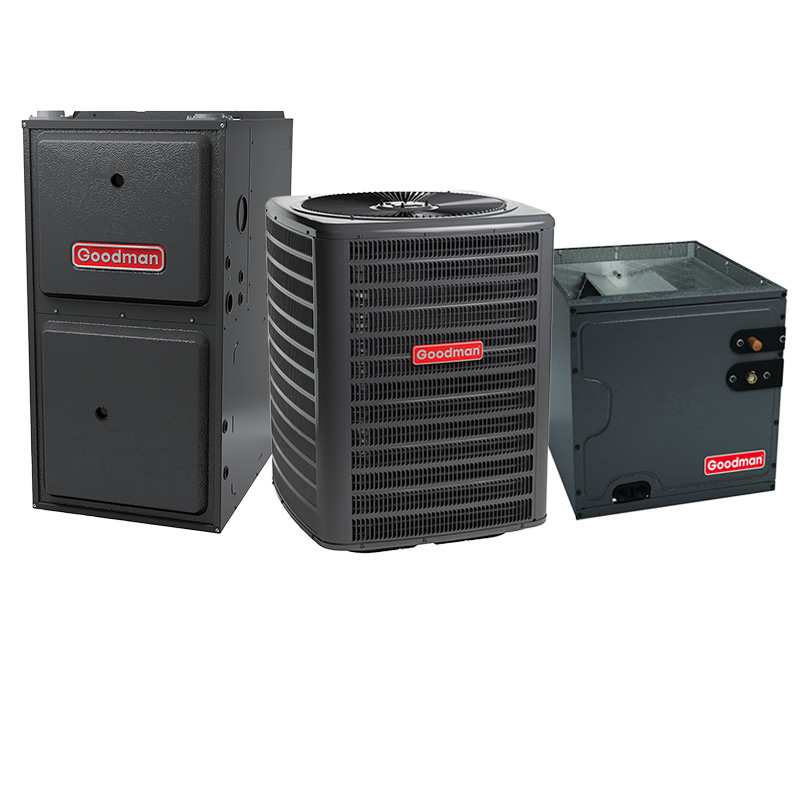
Goodman 3.5 Ton 15.2 SEER2 120000 BTU 80% AFUE Two Stage Multi-Speed ECM Gas Furnace System – Upflow | R32
View on AC Direct see your lowest price →Check current price on AC Direct →
Key features
- 3.5-ton cooling capacity rated at 15.2 SEER2 using R-32 refrigerant
- 120,000 BTU two-stage gas furnace at 80% AFUE efficiency
- Multi-speed ECM blower motor for lower electrical draw and improved humidity control
- Two-stage operation reduces temperature swings and short cycling on mild days
- Upflow configuration designed for basement or ground-level closet installations
- R-32 refrigerant with lower global warming potential than R-410A
About this system
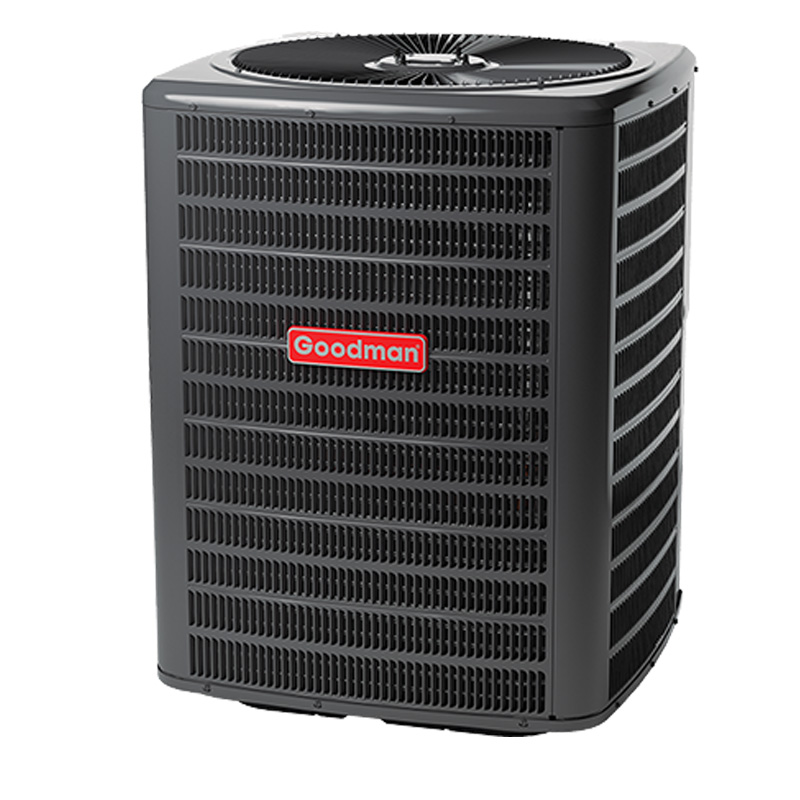
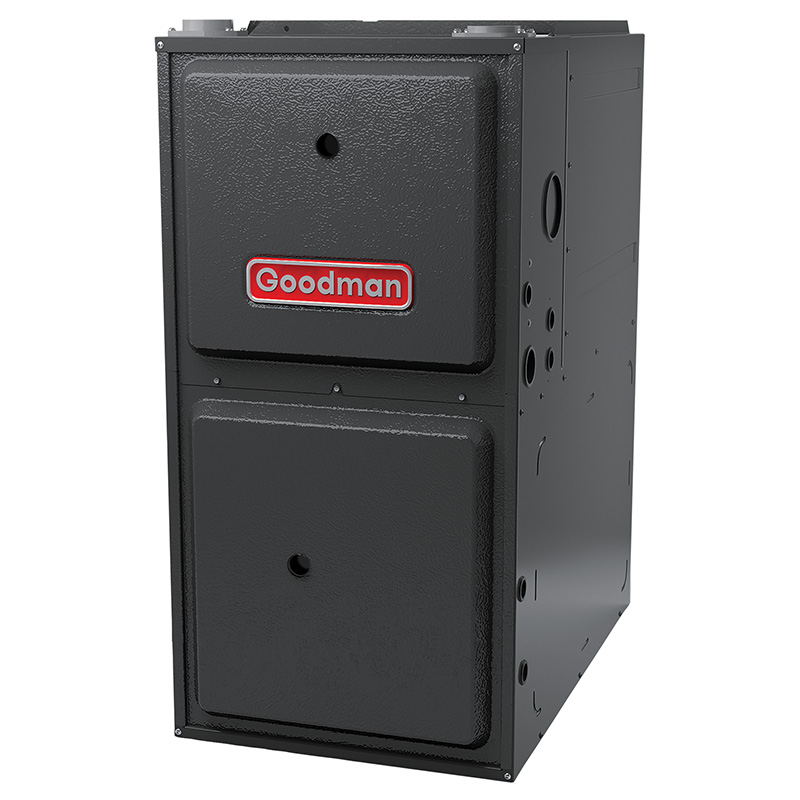
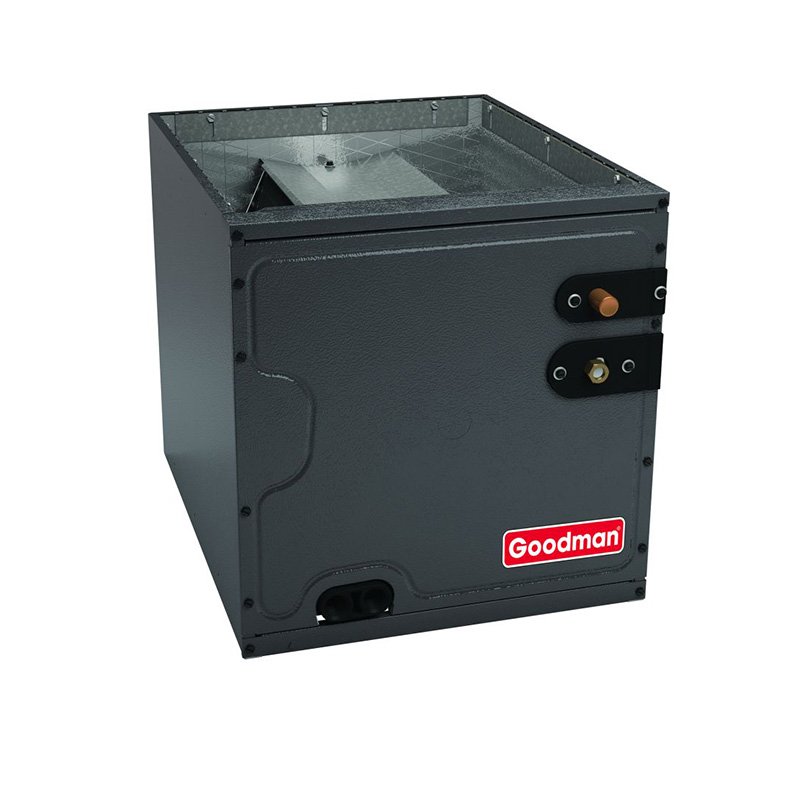
The Goodman GLXS4BA4210 pairs a 3.5-ton, 15.2 SEER2 R-32 split-system air conditioner with a 120,000 BTU, 80% AFUE two-stage gas furnace in an upflow configuration. That combination covers roughly 1,800 to 2,400 square feet depending on climate, insulation, and ceiling height, making it a practical choice for mid-size homes in mixed heating and cooling climates. The two-stage furnace fires at a lower rate on moderate days and steps up to full capacity on the coldest nights, which tends to produce more even temperatures and longer run cycles than a single-stage unit.
The multi-speed ECM blower motor is one of the more valuable components in this package. ECM motors use significantly less electricity than older PSC motors and give the system better humidity control during cooling season by running slower when conditions allow. R-32 refrigerant carries a lower global warming potential than the R-410A it replaces and is becoming the industry standard, so serviceability should remain straightforward for years ahead. At 80% AFUE, this furnace converts four out of every five units of gas into usable heat, which meets code minimums in most regions but falls short of the 90-plus AFUE tier for homeowners in cold climates looking to cut heating bills further.
This system fits buyers who want a step above entry-level single-stage equipment without paying premium-brand prices. The upflow configuration suits standard basement or closet installations where supply air moves upward into the duct system. As with any Goodman product, the quality of the installing contractor matters considerably, and investing in a thorough commissioning, proper refrigerant charge verification, and a maintenance agreement from day one will do more for long-term performance than any single spec on the sheet.
This Goodman system delivers legitimate two-stage comfort and an ECM motor at a price point that is meaningfully lower than comparable Carrier, Trane, or Lennox configurations. It is a reasonable buy for cost-conscious homeowners who vet their installer carefully and understand that Goodman's track record shows real repair activity after the first seven years and a shorter average compressor lifespan than premium brands. The 80% AFUE furnace is a moderate trade-off in colder regions where a 96% AFUE unit would pay back faster.
Overall score is the average of the five ratings above.
What we like
- Priced 15 to 25 percent below comparable Trane, Lennox, and Carrier two-stage systems
- Two-stage furnace and ECM blower improve comfort and dehumidification versus single-stage equipment
- R-32 refrigerant is forward-compatible as the industry moves away from R-410A
- Multi-speed ECM motor reduces blower electricity consumption compared to PSC motors
- Two-stage cooling reduces short cycling and maintains steadier indoor temperatures
Trade-offs
- 80% AFUE falls short of high-efficiency furnace tiers, a real cost difference in cold climates with high gas prices
- Dual-run capacitor failures are a documented recurring issue, typically appearing within the first decade
- Compressor lifespan averages 10 to 14 years versus 15 to 20 for premium-brand compressors
- Evaporator coil leaks and first-year refrigerant issues appear in a meaningful share of owner reports, often linked to install quality
What homeowners and pros say about Goodman
Homeowners who research Goodman before buying encounter a split picture. On ConsumerAffairs, the brand scores around 2.5 out of 5, driven largely by owners reporting climbing repair costs after roughly year seven, with dual-run capacitor failures and evaporator coil leaks showing up as the most frequently described problems. On Google dealer review pages, the picture is more balanced at around 3.8 out of 5, where buyers who shopped carefully and chose a competent installer most often credit the system’s affordability and solid first-few-years performance. For this particular system, the two-stage furnace and ECM blower tend to draw more praise than entry-level single-stage Goodman configurations, since homeowners notice the steadier temperatures and quieter operation.
HVAC technicians who service Goodman equipment consistently point to install quality as the largest variable in how a system performs over its life. Refrigerant charge errors, loose electrical connections, and poor duct matchups create problems that show up as Goodman failures in reviews but are really contractor failures. The documented concerns specific to the brand, including shorter average compressor lifespan in the 10 to 14 year range compared to 15 to 20 years for premium brands, and a real incidence of first-year refrigerant leaks that usually trace back to installation, are worth budgeting around rather than ignoring. Technicians generally describe the equipment as serviceable and parts-accessible, and the dual-run capacitor failures, while annoying, are among the lower-cost repairs in the industry at roughly 300 to 600 dollars a call.
Sources: ConsumerAffairs Goodman owner reviews, AHRI Directory of Certified Product Performance, U.S. DOE appliance and equipment efficiency standards, Goodman product specification sheets.
What it costs to run
At 15.2 SEER2, cooling this 3.5-ton system for a typical 1200-hour cooling season at the U.S. average electricity rate of $0.17/kWh works out to roughly $564 per year in cooling, about $75 less per year than a minimum-efficiency 13.4 SEER2 unit of the same size. Your real cost depends on your climate and local rate.
Method: (42,000 BTU/hr ÷ 15.2 SEER2) × 1200 hours ÷ 1000 × $0.17/kWh. Rate source: U.S. EIA average; cooling hours: moderate-climate estimate.
How it compares
| Brand | Comparable model | SEER2 | Stage | Price position |
|---|---|---|---|---|
| Goodman | GLXS4BA4210 (this system) | 15.2 | Two-stage | Value pick |
| Carrier | Comfort 15 Series (24ACC6) | 15.2 | Single-stage | Typically 15 to 25 percent more than this Goodman package |
| Trane | XR15 Series | 15.2 | Single-stage | Typically 15 to 25 percent more than this Goodman package |
| Lennox | Merit 14ACX Series | 15.2 | Single-stage | Typically 15 to 25 percent more than this Goodman package |
Competitor rows are comparable single-stage units at similar efficiency; price is relative position, not a quote.
Questions about this system
Will 3.5 tons and 120,000 BTU be the right size for my home?
Sizing depends on your climate zone, insulation level, window area, and ceiling height, not square footage alone. A properly performed Manual J load calculation by your HVAC contractor is the only reliable way to confirm whether 3.5 tons of cooling and 120,000 BTU of heating fit your specific house. Oversized equipment short cycles, hurts humidity control, and accelerates wear.
Is R-32 refrigerant easy to service and safe for technicians?
R-32 is classified as mildly flammable and requires technicians who are trained and certified to handle A2L refrigerants, which is increasingly standard as the industry transitions away from R-410A. It is not an exotic refrigerant, and availability is growing, so servicing should not be a problem through the expected life of this system. Confirm your service contractor has A2L certification before scheduling any refrigerant work.
How does the two-stage furnace actually affect comfort compared to a single-stage unit?
On moderate days the furnace runs at its lower stage for longer periods rather than blasting at full capacity and shutting off quickly. Longer, gentler run cycles distribute heat more evenly through the home and reduce the cold-start blasts common with single-stage units. The practical difference is most noticeable in shoulder seasons when outdoor temperatures are not at their extreme.
Goodman's ConsumerAffairs rating is around 2.5 out of 5. Should that worry me?
ConsumerAffairs skews toward complaints because satisfied owners rarely seek out review platforms to post, so the score reflects a self-selected unhappy sample rather than the full ownership population. Google dealer reviews for Goodman installers average around 3.8 out of 5, where affordability is frequently cited. The documented patterns worth watching are dual-run capacitor failures in the first decade, evaporator coil leaks, and a compressor lifespan that averages shorter than premium brands, all of which are worth factoring into a maintenance budget.
Does Goodman's warranty cover parts and labor, and what do I need to do to activate it?
Goodman's registered warranty on this system covers parts for 10 years when registered within 60 days of installation by a licensed contractor. Labor is not included in the manufacturer warranty, so a separate labor warranty from your installer or a service contract is worth pricing out. Failure to register typically reduces coverage to a shorter base period, so registration should happen immediately after installation.
Specifications
| Cooling capacity | 3.5 Ton |
| Efficiency | 15.2 SEER2 |
| Furnace output | 120000 BTU |
| Furnace efficiency | 80% AFUE |
| Configuration | Upflow |
| Refrigerant | R-32 |
| Model | GLXS4BA4210 |