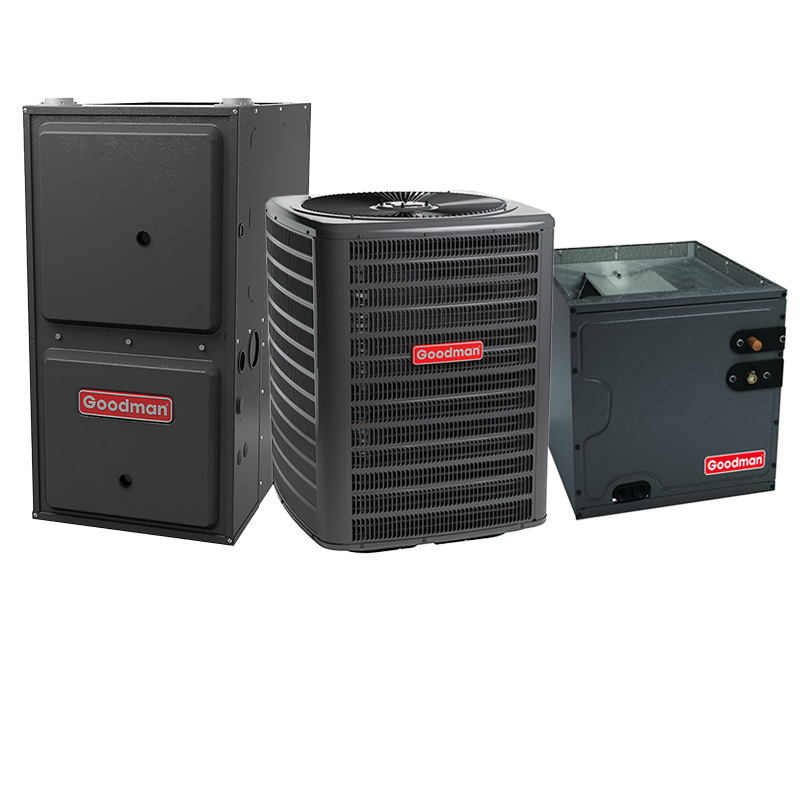
Goodman 3.5 Ton 15.2 SEER2 R32 AC System with 80,000 BTU 96% AFUE Gas Furnace – California & Colorado Ultra Low NOx, Upflow, Multi-Speed ECM
View on AC Direct see your lowest price →Check current price on AC Direct →
Key features
- 15.2 SEER2 cooling efficiency meets current federal and California Title 24 minimums
- 96% AFUE furnace with Ultra Low NOx burner for California and Colorado compliance
- Multi-speed ECM blower motor for improved humidity control and quieter operation
- R-32 refrigerant with lower global warming potential than R-410A
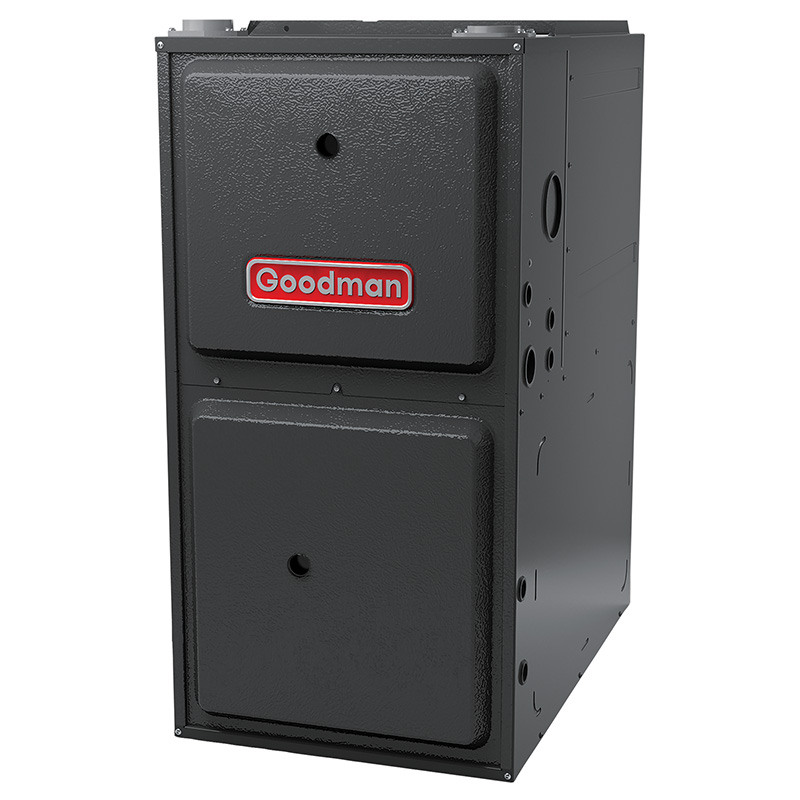
- Upflow configuration for basement, closet, or ground-level mechanical room installs
- 3.5-ton capacity sized for approximately 1,800 to 2,600 square feet depending on climate and home construction
About this system
The Goodman 3.5-ton, 15.2 SEER2 air conditioner paired with an 80,000 BTU, 96% AFUE gas furnace is a full split system aimed at homeowners in California and Colorado who must meet Ultra Low NOx emissions requirements. The 15.2 SEER2 rating clears the federal minimum threshold comfortably and should translate to meaningfully lower cooling bills compared with older 13 or 14 SEER equipment, though it stops short of the mid- to high-efficiency range that variable-speed or two-stage systems occupy. The 96% AFUE furnace is a legitimate high-efficiency rating, meaning only about 4 cents of every dollar spent on gas escapes without doing useful work, which matters in colder Colorado winters and in California gas markets where utility costs are high.
The upflow configuration means the furnace sits at the bottom of the air handler stack and pushes conditioned air upward through the duct system, which suits the majority of residential installs where the unit sits in a basement, utility closet, or ground-floor mechanical room. The multi-speed ECM blower motor adjusts airflow more precisely than a single-speed PSC motor, which helps with humidity control and quieter part-load operation. R-32 refrigerant carries a lower global warming potential than the R-410A it replaces, and it requires a certified technician for handling, so factor that into service cost expectations going forward. This system is a practical fit for homeowners replacing aging equipment in a 1,800 to 2,600 square foot home who want to hit regional code requirements without moving to a premium brand price point.
This system delivers genuine high-efficiency heating and code-compliant cooling at a price point well below comparable Carrier, Trane, or Lennox equipment, making it a reasonable choice for budget-conscious buyers who vet their installer carefully. Goodman's real-world reliability record is mixed, with documented failure modes around capacitors, evaporator coil leaks, and compressor longevity trailing premium brands, so the long-term value equation depends heavily on how the unit is installed and maintained. Buyers who prioritize lowest upfront cost and can live with a higher probability of a mid-life repair will find this system competitive; those who want a fire-and-forget experience should weigh the premium brands seriously.
Overall score is the average of the five ratings above.
What we like
- Priced roughly 15 to 25 percent below comparable Trane, Lennox, and Carrier systems, reducing upfront outlay
- 96% AFUE is a legitimately high furnace efficiency rating that keeps heating bills low in cold climates
- Multi-speed ECM motor improves comfort and humidity control over basic single-speed alternatives
- Ultra Low NOx certification satisfies California and Colorado regulatory requirements out of the box
- R-32 refrigerant is lower-GWP than R-410A, aligning with the direction the industry is moving
Trade-offs
- Compressor lifespan averages 10 to 14 years versus 15 to 20 years for premium brands, raising the odds of a major repair before a typical 20-year ownership period ends
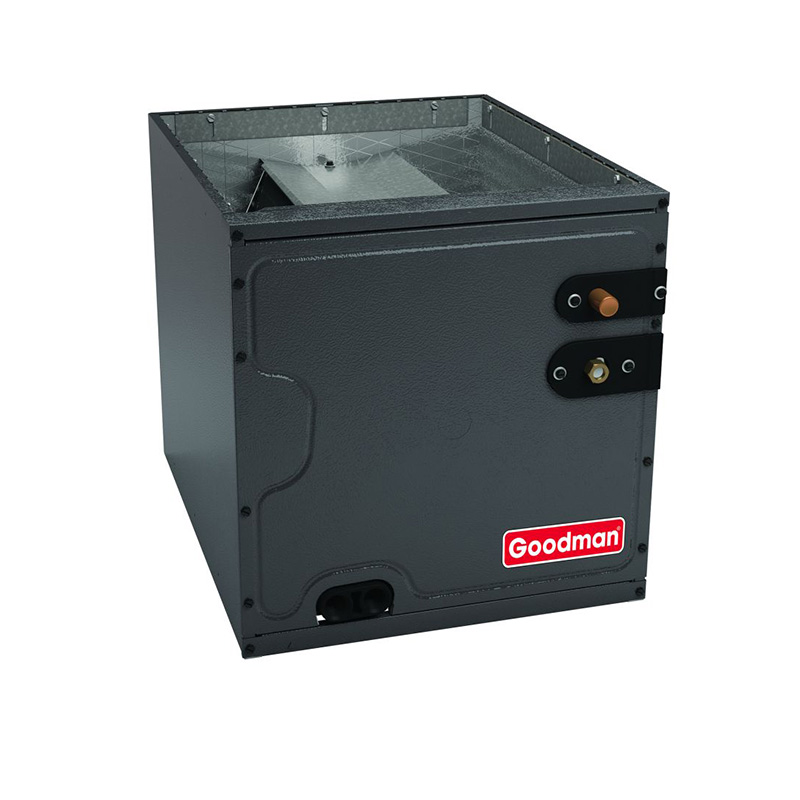
- Evaporator coil leaks appear in a meaningful share of owner reports, a failure that can be expensive to diagnose and repair
- ConsumerAffairs reviews average around 2.5 out of 5, with repair cost complaints concentrated after year 7, suggesting reliability softens in the second decade
- Performance depends heavily on install quality, so a poor installation can erase the savings advantage quickly through warranty disputes and early service calls
What homeowners and pros say about Goodman
Homeowners who have owned Goodman systems often describe the same arc: the first several years are largely uneventful, and the low purchase price feels like a genuine win. Google dealer reviews for Goodman installers average around 3.8 out of 5, and affordability is the praise that comes up most consistently. Where sentiment turns is around years 7 to 10. ConsumerAffairs ratings for the brand sit at roughly 2.5 out of 5, and that channel skews toward people who are frustrated, but the recurring theme is repair costs that begin to accumulate in the second half of the system’s life. The dual-run capacitor is the most commonly cited failure, typically a quick fix in the 300 to 600 dollar range. More consequential are reports of evaporator coil leaks and compressor failures, with Goodman compressors generally averaging 10 to 14 years of service life compared with 15 to 20 years for premium brands.
HVAC technicians who work on Goodman equipment regularly tend to have a pragmatic view of it: the equipment is adequate when installed correctly, and the install is the variable they trust least. A rushed or underqualified installation can introduce refrigerant charge issues, which the brand’s own service data connects to first-year refrigerant leak reports in a minority of units. Pros who run tight shops and pull proper permits generally report fewer callbacks on Goodman than the online review landscape implies, which is why the brand’s standing is genuinely split between “decent budget option” and “expensive long-term headache” depending on who did the work. For this R-32 system specifically, finding a technician current on A2L handling certification is an added layer of due diligence that buyers should complete before committing.
Sources: ConsumerAffairs Goodman owner reviews, AHRI Directory of Certified Product Performance, U.S. DOE appliance and equipment efficiency standards, Goodman product specification sheets.
What it costs to run
At 15.2 SEER2, cooling this 3.5-ton system for a typical 1200-hour cooling season at the U.S. average electricity rate of $0.17/kWh works out to roughly $564 per year in cooling, about $75 less per year than a minimum-efficiency 13.4 SEER2 unit of the same size. Your real cost depends on your climate and local rate.
Method: (42,000 BTU/hr ÷ 15.2 SEER2) × 1200 hours ÷ 1000 × $0.17/kWh. Rate source: U.S. EIA average; cooling hours: moderate-climate estimate.
How it compares
| Brand | Comparable model | SEER2 | Stage | Price position |
|---|---|---|---|---|
| Goodman | GSXH5 / GMVC96 Series (this system) | 15.2 | Single-stage / Multi-speed ECM | Value pick |
| Carrier | Comfort 24ACC636 Series | 15.2 | Single-stage | Typically 15 to 25 percent more than this Goodman system |
| Trane | XR15 Series | 15.2 | Single-stage | Typically 15 to 25 percent more than this Goodman system |
| Lennox | Merit ML15XC1 Series | 15.2 | Single-stage | Typically 15 to 25 percent more than this Goodman system |
Competitor rows are comparable single-stage units at similar efficiency; price is relative position, not a quote.
Questions about this system
Does this system actually meet California and Colorado Ultra Low NOx requirements, or do I need an additional kit?
This system is factory-configured for Ultra Low NOx compliance and is listed for sale in California and Colorado as-is, so no additional burner kit or modification is required. Confirm with your installer that the model number on the physical unit matches the UL NOx certification before the permit is pulled.
Is R-32 refrigerant harder or more expensive to service than R-410A?
R-32 requires technicians who are certified to handle mildly flammable (A2L) refrigerants, and not every local HVAC company has updated its equipment and certifications yet. That is worth confirming with your service provider before you buy, since it can affect both routine maintenance costs and emergency repair availability.
What is the most likely repair this system will need in the first ten years?
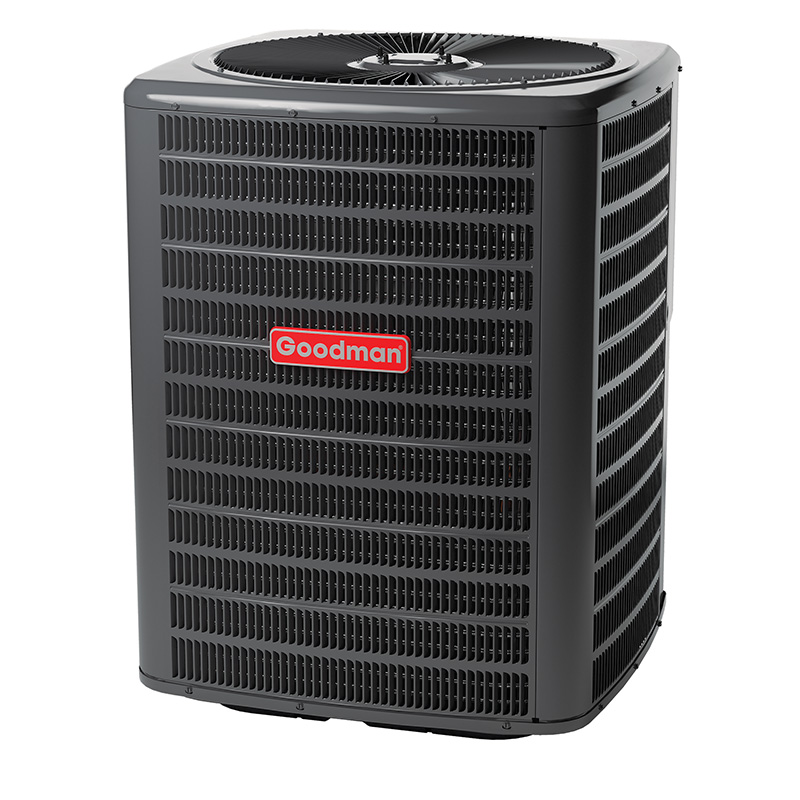
The dual-run capacitor is the most commonly reported failure point on Goodman condensing units and typically costs between 300 and 600 dollars to replace, parts and labor included. Evaporator coil leaks are the next most common complaint and are more expensive to address, so registering the warranty immediately after install and keeping maintenance records is important.
Is a 3.5-ton unit the right size for my home, or should I size up to a 4-ton?
Tonnage should be determined by a Manual J load calculation based on your home's square footage, insulation, window area, and local climate, not a rule of thumb. Oversizing leads to short-cycling that hurts humidity control and shortens equipment life, so push back if an installer recommends a size jump without running the calculation.
How does the multi-speed ECM blower on the furnace actually affect day-to-day comfort compared with a standard single-speed motor?
An ECM motor ramps airflow up and down based on demand, which means quieter starts and stops, better distribution of conditioned air throughout the home, and improved dehumidification during moderate cooling loads. The energy savings over a single-speed PSC motor are real but modest; the comfort difference is more noticeable in homes with temperature variation between rooms.
Specifications
| Cooling capacity | 3.5 Ton |
| Efficiency | 15.2 SEER2 |
| Furnace output | 80,000 BTU |
| Furnace efficiency | 96% AFUE |
| Configuration | Upflow |
| Refrigerant | R-32 |