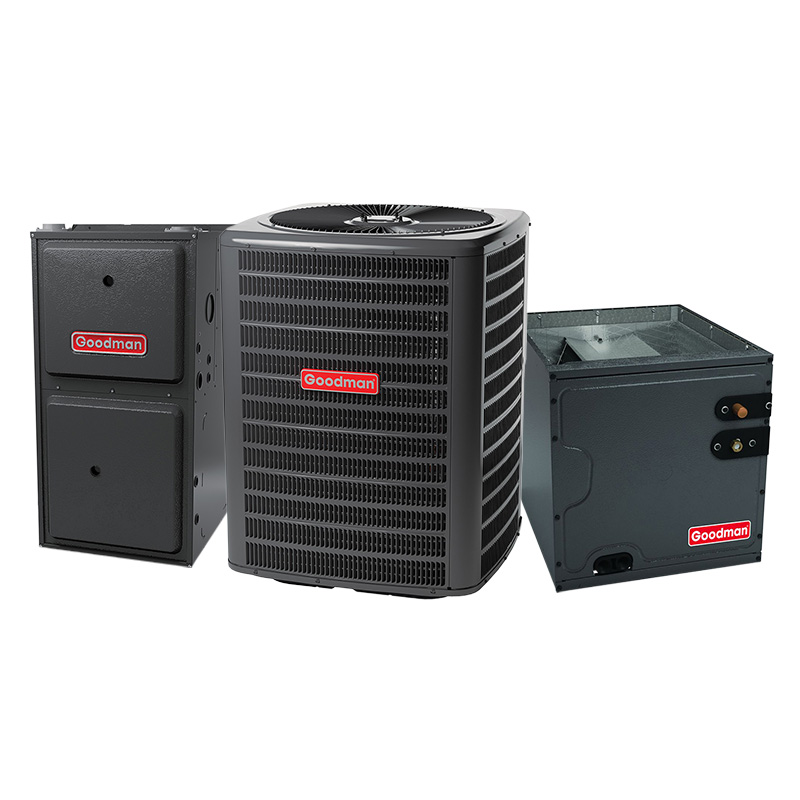
Goodman 3.5 Ton 15.2 SEER2 AC & Gas Furnace System – Modulating Variable-Speed, 80000 BTU Gas Furnace, 97% AFUE, Upflow, R32
View on AC Direct see your lowest price →Check current price on AC Direct →
Key features
- 97% AFUE modulating gas furnace, 80,000 BTU output
- 15.2 SEER2 variable-speed cooling, 3.5-ton capacity
- Variable-speed ECM blower for quieter, more even airflow
- R-32 refrigerant with lower global-warming potential than R-410A
- Upflow configuration suits basement and closet installations
- Modulating heat stages reduce temperature swings and improve humidity control
About this system
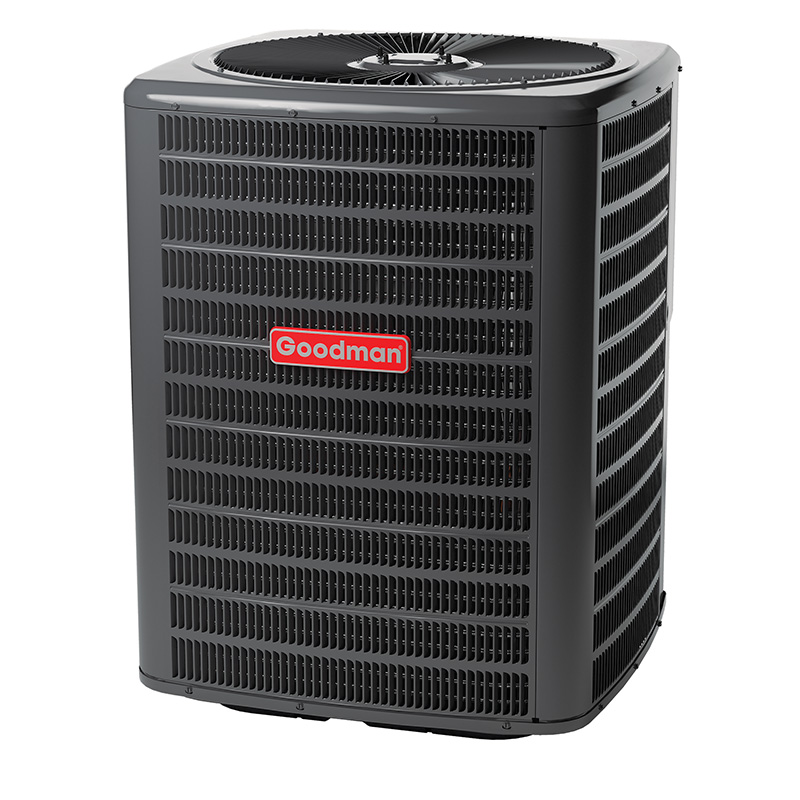
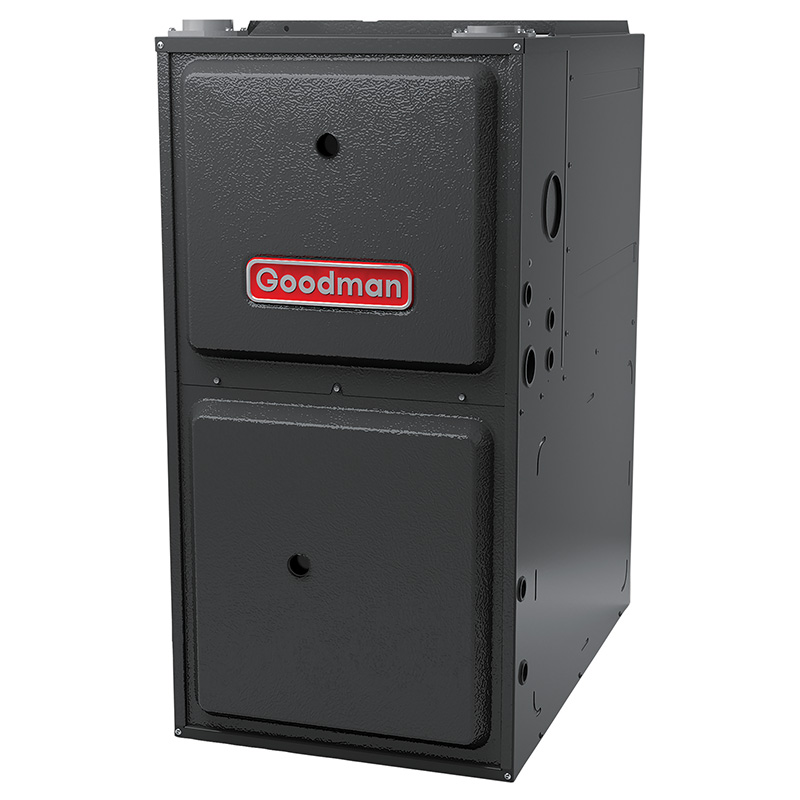
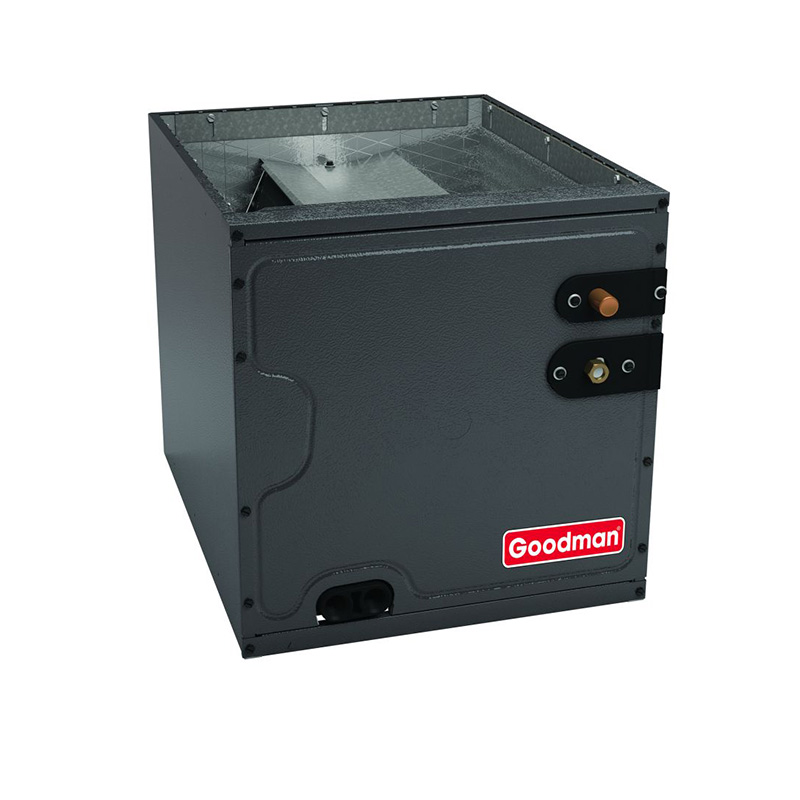
The Goodman GLXS5BA4210D pairs a 3.5-ton, 15.2 SEER2 variable-speed air conditioner with an 80,000 BTU, 97% AFUE modulating gas furnace in an upflow configuration. That combination puts it at the upper end of Goodman’s efficiency lineup: 97% AFUE means roughly 97 cents of every dollar spent on gas goes toward heat, and 15.2 SEER2 clears the federal minimum with enough margin to produce noticeable cooling-season savings over a standard 14.3 SEER2 system. The modulating furnace and variable-speed blower work together to run at partial capacity most of the time, which reduces temperature swings, lowers humidity, and cuts operating noise compared with single-stage equipment.
This system suits a 1,800 to 2,400 square foot home in a mixed heating and cooling climate where both fuel efficiency and summer comfort matter. The upflow configuration is the most common residential layout, fitting a basement or closet install where supply air rises from the unit. R-32 refrigerant carries a lower global-warming potential than R-410A, and as the industry phases away from R-410A, R-32 parts and service will become easier to source over the system’s lifetime. Buyers should understand that Goodman prices this equipment 15 to 25 percent below comparable Trane, Lennox, and Carrier systems, and that the gap shows up more in long-term reliability data than in first-year performance.
The GLXS5BA4210D delivers genuinely high efficiency at a price point that undercuts premium brands by a meaningful margin, and the modulating variable-speed setup is a real comfort upgrade over single-stage equipment. The trade-off is a reliability track record that trails Trane, Carrier, and Lennox, with documented failure points including capacitors, evaporator coil leaks, and compressor lifespans that average shorter than those of premium competitors. It is a reasonable choice for cost-conscious buyers who use a reputable installer and keep up with maintenance.
Overall score is the average of the five ratings above.
What we like
- 97% AFUE is among the highest available and produces tangible gas savings in cold climates
- Modulating operation cuts humidity and reduces hot and cold spots compared with single-stage systems
- R-32 refrigerant is future-friendly as R-410A is phased out industry-wide
- Purchase price runs 15 to 25 percent below comparable Carrier, Trane, and Lennox systems
- Variable-speed ECM blower runs quieter and draws less electricity than fixed-speed alternatives
Trade-offs
- Compressor lifespan averages 10 to 14 years versus 15 to 20 years for premium brands
- Evaporator coil leaks appear in a notable share of owner reports, potentially a costly repair out of warranty
- Dual-run capacitors are the most frequently reported failure, adding recurring service calls even if each fix is low-cost
- A minority of owners report refrigerant leaks within the first year, often tied to install quality rather than the unit itself
What homeowners and pros say about Goodman
Homeowners who research Goodman online encounter a split picture. On ConsumerAffairs, the brand scores around 2.5 out of 5, driven heavily by owners who reach out after something has gone wrong, with repair costs climbing after roughly year 7 being the most consistent theme. Google dealer reviews tell a more balanced story, averaging around 3.8 out of 5 across hundreds of reviews per location, where the most common praise is straightforward: the equipment cost less than competing brands and it worked as expected when installed properly. For this specific modulating, variable-speed system, that context matters, because buyers are getting high-efficiency technology at a value price rather than paying a premium-brand premium.
HVAC professionals who work on Goodman equipment regularly point to a few recurring patterns. Dual-run capacitors are the most frequently cited failure, and while the repair is relatively low-cost at 300 to 600 dollars, it tends to happen more than once over a system’s life. Evaporator coil leaks appear often enough in owner accounts to be worth noting, and compressor longevity averages 10 to 14 years compared with 15 to 20 years documented for premium brands. The modulating furnace component on this particular unit is generally regarded as straightforward to commission, but R-32 refrigerant requires a technician who has been trained on its handling, and proper charge on the cooling side remains the variable most tied to long-term outcome. The honest assessment from the field is that a well-installed Goodman performs close to its specs for the first several years, and that install quality and ongoing maintenance determine whether it holds up past that window.
Sources: ConsumerAffairs Goodman owner reviews, AHRI Directory of Certified Product Performance, U.S. DOE appliance and equipment efficiency standards, Goodman product specification sheets.
What it costs to run
At 15.2 SEER2, cooling this 3.5-ton system for a typical 1200-hour cooling season at the U.S. average electricity rate of $0.17/kWh works out to roughly $564 per year in cooling, about $75 less per year than a minimum-efficiency 13.4 SEER2 unit of the same size. Your real cost depends on your climate and local rate.
Method: (42,000 BTU/hr ÷ 15.2 SEER2) × 1200 hours ÷ 1000 × $0.17/kWh. Rate source: U.S. EIA average; cooling hours: moderate-climate estimate.
How it compares
| Brand | Comparable model | SEER2 | Stage | Price position |
|---|---|---|---|---|
| Goodman | GLXS5BA4210D | 15.2 | Variable | Value pick |
| Carrier | Infinity 16 (24VNA6) | 16+ | Variable | Typically 15 to 25 percent more than Goodman |
| Trane | XV15 / XC15 | 15 to 16 | Variable / Two-stage | Typically 15 to 25 percent more than Goodman |
| Lennox | XC16 | 16 | Two-stage | Typically 15 to 25 percent more than Goodman |
Competitor rows are comparable single-stage units at similar efficiency; price is relative position, not a quote.
Questions about this system
Why is R-32 refrigerant being used in this system instead of R-410A?
R-32 has a global-warming potential roughly two-thirds lower than R-410A, and the HVAC industry is transitioning away from R-410A under updated environmental regulations. Choosing R-32 now means replacement parts and refrigerant will be easier and potentially cheaper to source as R-410A becomes scarcer over the system's life.
What does modulating mean for this furnace, and is it worth the extra cost over a two-stage unit?
A modulating furnace adjusts its heat output in small increments rather than switching between only high and low fire. In practice this means steadier temperatures, better humidity control, and quieter operation. The upgrade is most noticeable in homes where occupants are sensitive to temperature swings or where humidity is a persistent problem.
How important is installer quality for this specific Goodman system?
Very important. HVAC technicians consistently cite install quality as the single biggest factor in how long a Goodman unit lasts. Refrigerant charge errors in particular are documented as a leading cause of early coil and compressor issues, including the first-year refrigerant leaks reported by a minority of owners. Choosing a licensed, experienced contractor matters more here than with premium brands that have tighter factory tolerances.
What are the most likely repairs I should budget for over the first ten years?
Dual-run capacitors are the most commonly reported failure point on Goodman cooling equipment and typically cost 300 to 600 dollars to replace, including labor. Evaporator coil leaks are also documented in a meaningful share of owner reviews and can be significantly more expensive. Keeping the system on a maintenance plan that includes annual capacitor checks helps catch that failure early.
Does this system qualify for the federal energy efficiency tax credit?
Systems meeting the 97% AFUE threshold and satisfying the applicable ENERGY STAR requirements can qualify for the federal Residential Clean Energy or Energy Efficient Home Improvement tax credit, currently up to 30 percent of equipment cost with an annual cap. Confirm eligibility with your tax professional and verify that the specific model number appears on current IRS or ENERGY STAR qualifying product lists before filing.
Specifications
| Cooling capacity | 3.5 Ton |
| Efficiency | 15.2 SEER2 |
| Furnace output | 80000 BTU |
| Furnace efficiency | 97% AFUE |
| Configuration | Upflow |
| Refrigerant | R-32 |
| Model | GLXS5BA4210D |