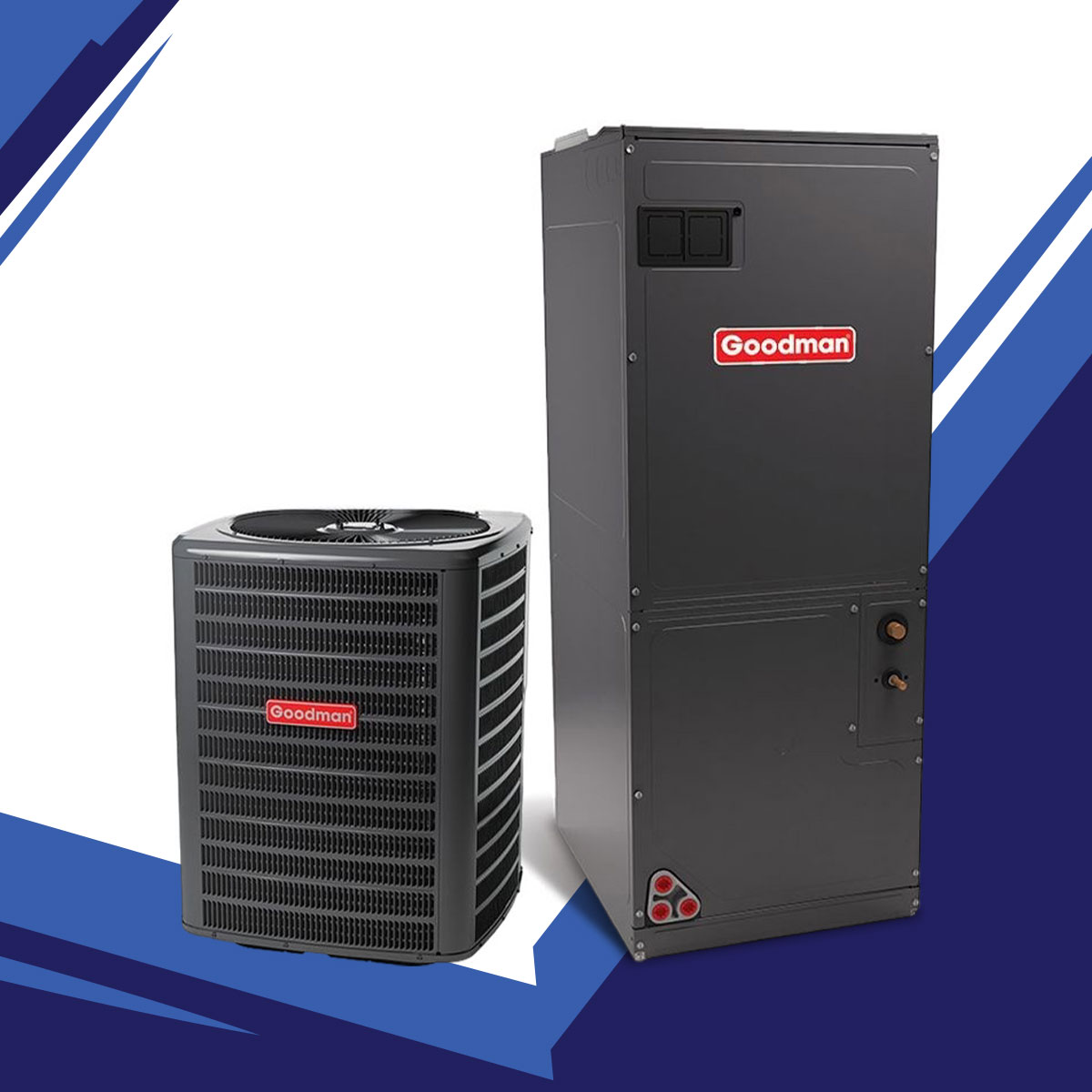
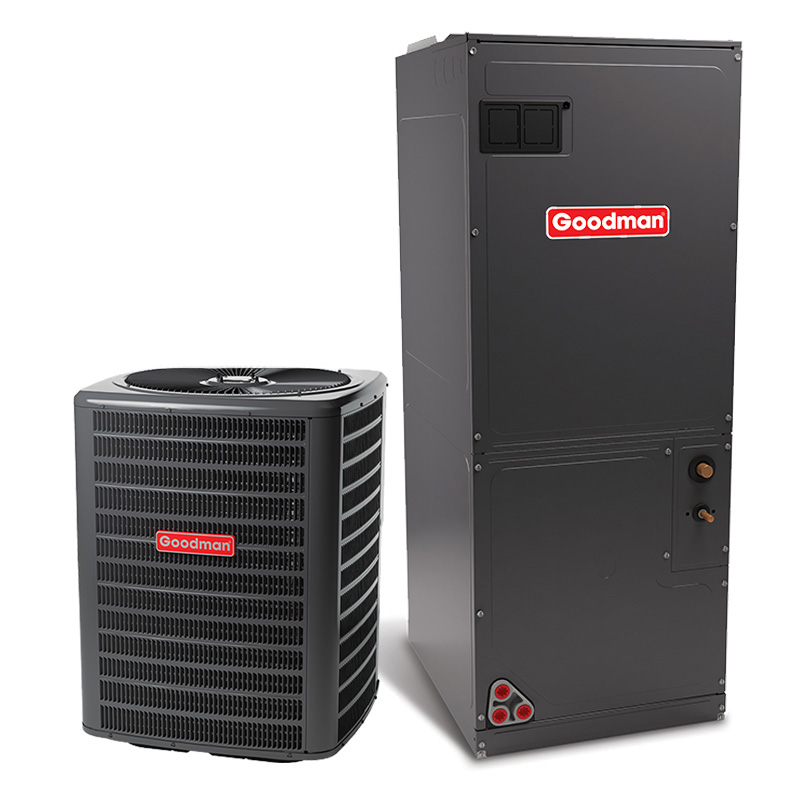
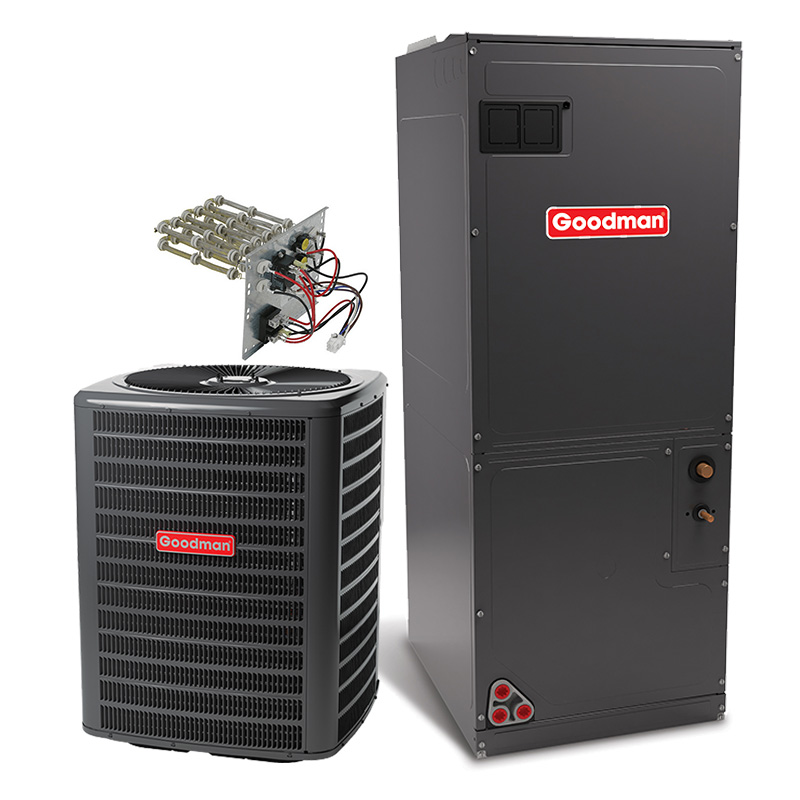
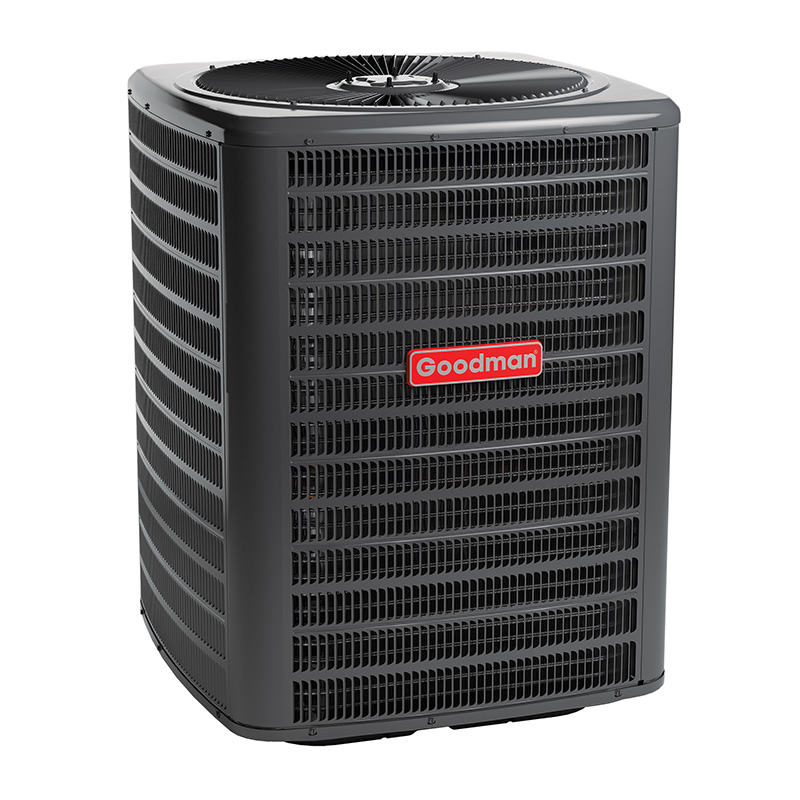
Goodman 3.5 Ton 15.2 SEER2 R32 Heat Pump Split System ***PREMIUM SEASONAL SPECIALS***
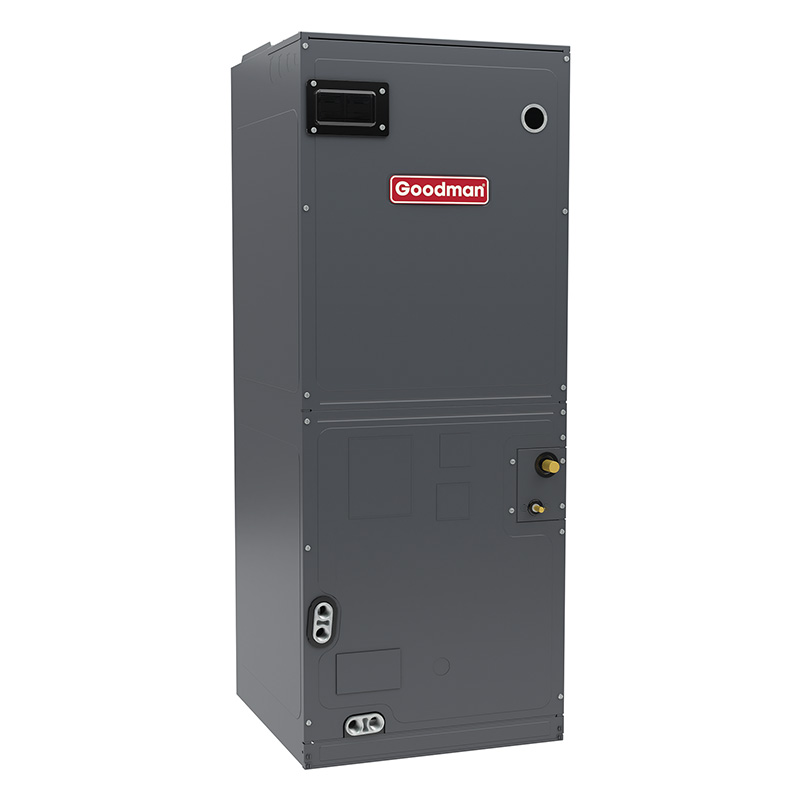
View on AC Direct see your lowest price →Check current price on AC Direct →
Key features
- 3.5-ton capacity suited to mid-size residential applications
- 15.2 SEER2 efficiency rating meets and modestly exceeds current federal minimums
- R-32 refrigerant offers a lower global-warming potential than R-410A
- Single-stage heat pump operation provides both heating and cooling from one outdoor unit
- Priced approximately 15 to 25 percent below comparable Carrier, Trane, and Lennox models
- Requires a compatible R-32-rated air handler or coil for system operation
About this system
The Goodman 3.5-ton 15.2 SEER2 R-32 heat pump split system is built for mid-size homes in the 1,800-to-2,400-square-foot range that need both cooling and heating from a single outdoor unit. At 15.2 SEER2, it clears the federal minimum efficiency threshold with modest headroom, landing squarely in the entry-to-mid tier where operating costs are noticeably lower than older 13 or 14 SEER equipment but not at the ceiling of what modern heat pumps can achieve. For homeowners replacing aging R-22 or R-410A systems, the switch to R-32 refrigerant means lower global-warming potential and, in most markets, easier long-term serviceability as the industry continues its phase-down of older refrigerants.
This system suits buyers who prioritize upfront affordability over premium brand cachet and who plan to work with an experienced, reputable installer. Goodman equipment has a documented dependence on installation quality, meaning a careful contractor who pressure-tests the system, verifies the refrigerant charge, and sizes the equipment correctly can produce results that rival more expensive alternatives. Buyers who cut corners on labor or choose the lowest-bid installer assume meaningfully more risk with this brand than they would with a Trane or Carrier of comparable efficiency. The 3.5-ton capacity also narrows the field of compatible air handlers, so confirming coil compatibility before purchase is a necessary step.
The Goodman 3.5-ton 15.2 SEER2 R-32 heat pump is a workable, budget-conscious choice for homeowners who prioritize lower purchase cost and can secure a skilled installer. Efficiency is adequate rather than impressive, and real-world longevity depends heavily on installation quality and willingness to budget for component repairs after the seven-year mark. It is not the system for buyers who want to install it and forget it for two decades.
Overall score is the average of the five ratings above.
What we like
- Significantly lower upfront cost than comparable Carrier, Trane, or Lennox heat pumps
- R-32 refrigerant reduces environmental impact versus R-410A systems
- 15.2 SEER2 delivers genuine efficiency gains over older sub-14 SEER equipment
- Widely available parts network makes capacitor and minor repairs accessible in most markets
- Straightforward single-stage design keeps service calls simpler than variable-speed systems
Trade-offs
- Compressor lifespan averages 10 to 14 years, shorter than the 15 to 20 years documented for premium brands
- Evaporator coil leaks appear in a meaningful share of owner reports, a cost risk past the warranty window
- A minority of owners report refrigerant leaks within the first year, typically tied to install or charge errors
- Single-stage operation delivers less precise humidity and temperature control than two-stage or variable-speed alternatives
What homeowners and pros say about Goodman
Owners and technicians discussing Goodman equipment tend to land in one of two camps, and the split is telling. On ConsumerAffairs, where the rating sits at roughly 2.5 out of 5, the recurring story is repair costs that climb noticeably after year seven, with dual-run capacitor failures and evaporator coil leaks drawing the most frustration. Google dealer reviews tell a softer story, averaging around 3.8 out of 5 across locations, where the most common praise is straightforward: the price was right and the system is doing its job. For this 3.5-ton R-32 heat pump specifically, that tension is worth taking seriously before purchase.
HVAC technicians who work on Goodman equipment regularly point to two consistent realities. First, capacitors are the brand’s most documented weak point, a repair that is generally quick and costs between 300 and 600 dollars but becomes more frequent as the unit ages. Second, compressor lifespan in Goodman heat pumps tends to land in the 10-to-14-year range, meaningfully shorter than the 15-to-20 years associated with Trane, Carrier, and Lennox compressors. A minority of owners also report refrigerant leaks in the first year, which technicians attribute primarily to installation errors rather than factory problems. The consistent professional advice is to treat installer selection as seriously as brand selection when buying Goodman equipment, because the two are not separable when it comes to how this system actually performs over its life.
Sources: ConsumerAffairs Goodman owner reviews, AHRI Directory of Certified Product Performance, U.S. DOE appliance and equipment efficiency standards, Goodman product specification sheets.
What it costs to run
At 15.2 SEER2, cooling this 3.5-ton system for a typical 1200-hour cooling season at the U.S. average electricity rate of $0.17/kWh works out to roughly $564 per year in cooling, about $75 less per year than a minimum-efficiency 13.4 SEER2 unit of the same size. Your real cost depends on your climate and local rate.
Method: (42,000 BTU/hr ÷ 15.2 SEER2) × 1200 hours ÷ 1000 × $0.17/kWh. Rate source: U.S. EIA average; cooling hours: moderate-climate estimate.
How it compares
| Brand | Comparable model | SEER2 | Stage | Price position |
|---|---|---|---|---|
| Goodman | 3.5 Ton 15.2 SEER2 R-32 Heat Pump Split System | 15.2 | Single-stage | Value pick |
| Carrier | Performance 15 Heat Pump (25PHA series) | 15+ | Single-stage | Typically 15 to 25 percent more than Goodman |
| Trane | XR15 Heat Pump | 15+ | Single-stage | Typically 15 to 25 percent more than Goodman |
| Lennox | Merit ML15XP1 Heat Pump | 15+ | Single-stage | Typically 15 to 25 percent more than Goodman |
Competitor rows are comparable single-stage units at similar efficiency; price is relative position, not a quote.
Questions about this system
Is 15.2 SEER2 actually efficient enough to make a real difference on my electric bill?
Compared to a system rated 13 or 14 SEER2, yes, you will see a measurable reduction in cooling and heating energy use. However, 15.2 SEER2 sits near the lower end of today's available range, so homeowners in climates with long, hot summers may find that a 17 or 18 SEER2 unit pays back the price difference over time. For moderate climates and average run times, 15.2 SEER2 is a reasonable middle ground.
What are the most common repair issues I should budget for with this Goodman heat pump?
Dual-run capacitors are the most frequently reported failure point and typically cost between 300 and 600 dollars to replace, including labor. Evaporator coil leaks are documented in a meaningful share of owner reviews and can be more expensive to address. Compressor failures become more likely after the 10-to-14-year mark, which is earlier than the average for premium-brand compressors.
What does switching to R-32 refrigerant mean for me as an owner?
R-32 has a lower global-warming potential than R-410A and is being adopted broadly across the industry, which should support parts and refrigerant availability for years to come. Practically speaking, R-32 requires technicians with the correct certification and equipment, so you will want to confirm your service contractor is set up to handle it before you call for routine maintenance or a refrigerant charge.
Some early Goodman owners report refrigerant leaks in the first year. How do I reduce that risk?
First-year refrigerant leaks in Goodman equipment are most often attributed to installation errors, specifically improper line connections or an incorrect initial refrigerant charge rather than a factory defect. Choosing a licensed installer who performs a thorough leak test and verifies the charge against manufacturer specs is the most effective way to avoid this outcome. Getting a written start-up checklist from your contractor is a reasonable request.
Will this 3.5-ton unit work with my existing air handler, or do I need to replace that too?
Because this system uses R-32 refrigerant, it requires a compatible R-32-rated indoor coil or air handler. Most existing air handlers designed for R-410A are not rated for R-32, so a full system replacement is likely necessary. Confirm coil compatibility with your contractor before purchasing to avoid a mismatch that could void warranty coverage or reduce system efficiency.
Specifications
| Cooling capacity | 3.5 Ton |
| Efficiency | 15.2 SEER2 |
| Refrigerant | R-32 |