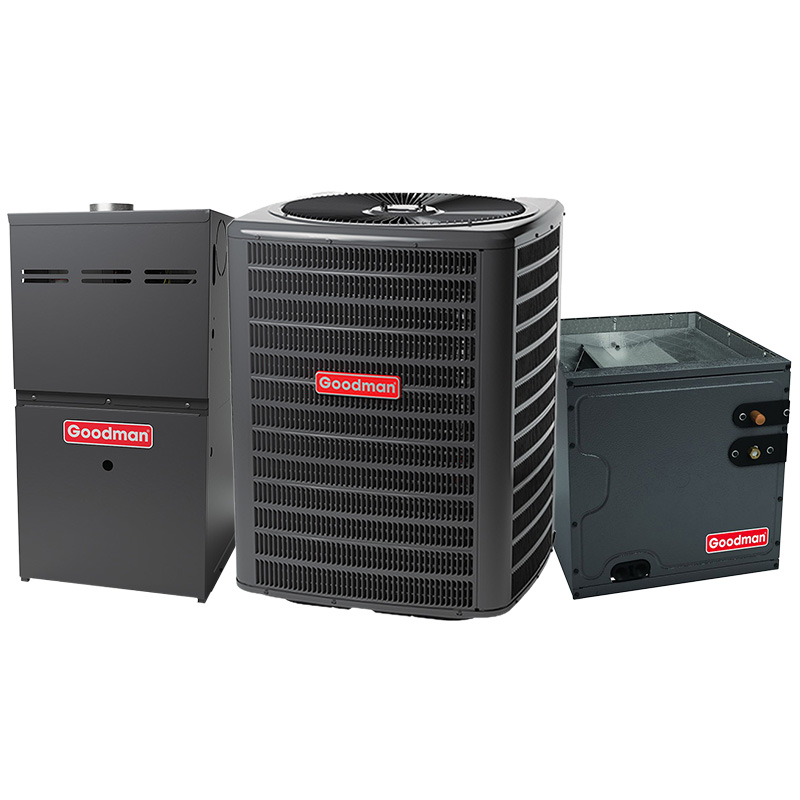
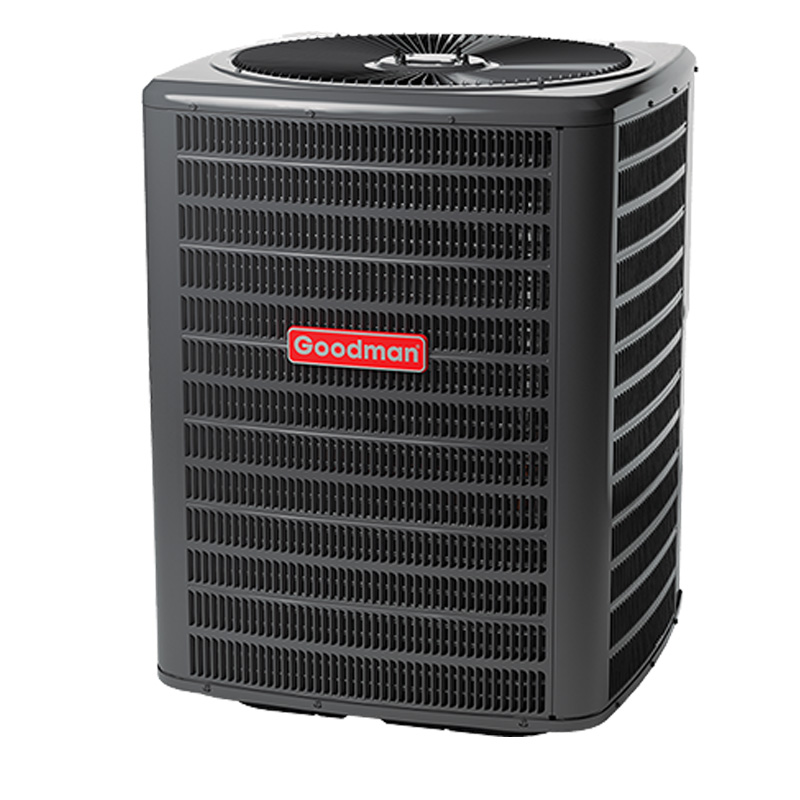
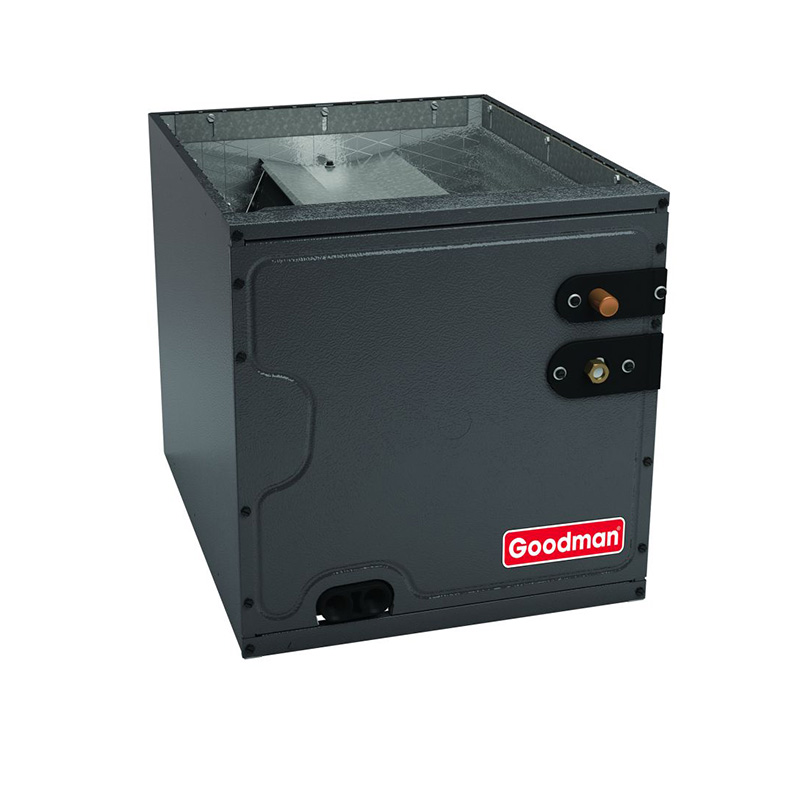
Goodman 3.5 Ton AC And 100000 BTU 80% AFUE Gas Furnace System | 15.2 SEER2 AC | Multi-Speed ECM Low NOx Furnace | Upflow | R32
View on AC Direct see your lowest price →Check current price on AC Direct →
Key features
- 15.2 SEER2 cooling efficiency, meeting 2023 federal minimums with headroom
- R-32 refrigerant with lower global warming potential than R-410A
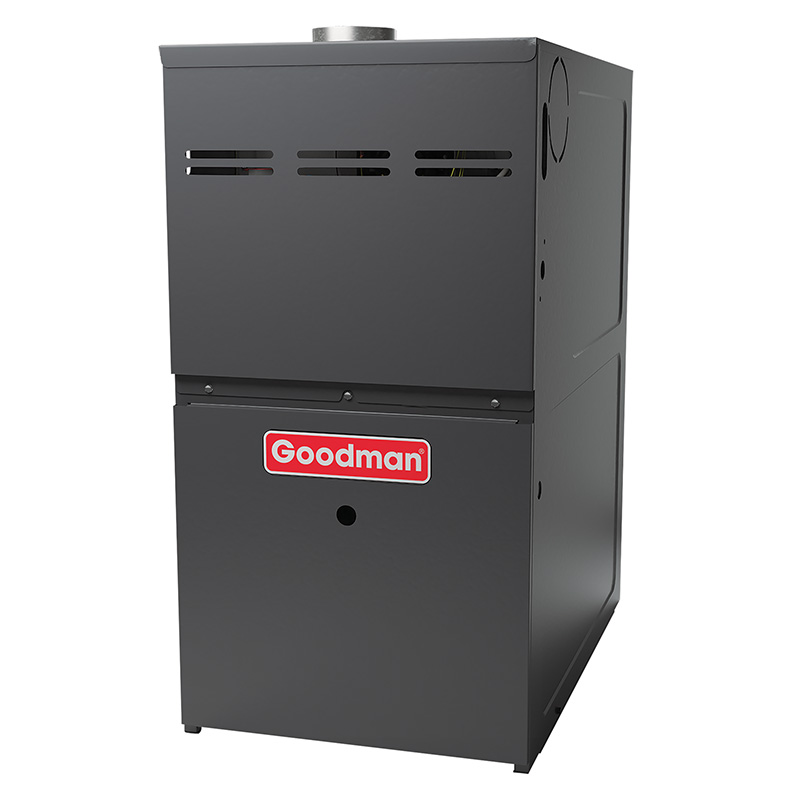
- 100,000 BTU 80% AFUE gas furnace for mid-efficiency heating
- Multi-speed ECM blower motor reduces electricity use at part-load
- Upflow configuration fits standard basement or closet installations
- 3.5-ton capacity sized for roughly 1,800 to 2,400 sq ft depending on load
About this system
The Goodman 3.5-ton, 15.2 SEER2 air conditioner paired with a 100,000 BTU 80% AFUE multi-speed ECM gas furnace is a full split system aimed at mid-size homes in the 1,800 to 2,400 square foot range, depending on climate and insulation. The 15.2 SEER2 rating lands just above the federal minimum efficiency thresholds that took effect in 2023, meaning it meets code comfortably without reaching into premium two-stage or variable-speed territory. The R-32 refrigerant is a meaningful upgrade over older R-410A systems, carrying a lower global warming potential and slightly better thermodynamic efficiency. The upflow furnace configuration suits the most common installation setup in North American homes, where the air handler sits in a basement or utility closet and pushes conditioned air upward through the duct system.
The ECM (electronically commutated motor) blower on the furnace is one of the standout components in this package. ECM motors use significantly less electricity than standard PSC motors at part-load speeds, which matters because the blower runs far more hours per year than the burner or compressor. The 80% AFUE rating means 20 cents of every dollar spent on gas leaves as exhaust, which is honest mid-tier efficiency. Homeowners in mild to moderate climates will find this acceptable, while those in very cold regions where the furnace runs hard from November through March may want to weigh a 96% AFUE alternative. Taken together, this system suits budget-conscious buyers who want reliable, code-compliant comfort without paying the premium-brand markup.
This Goodman system delivers honest, code-compliant performance at a price point that undercuts comparable Carrier, Trane, and Lennox packages by a meaningful margin. The ECM blower and R-32 refrigerant are genuine advantages at this price tier, but buyers should go in aware that long-term reliability leans heavily on installer quality and that component longevity, particularly the compressor, trails premium brands. It is a sound choice if budget is the primary constraint and you have a trusted HVAC contractor.
Overall score is the average of the five ratings above.
What we like
- Priced 15 to 25 percent below comparable Trane, Carrier, and Lennox systems
- ECM blower motor reduces operating costs compared to standard PSC motors
- R-32 refrigerant is more environmentally responsible and widely available
- Upflow design is straightforward for most residential duct layouts
- 15.2 SEER2 keeps utility bills reasonable without a premium efficiency price
Trade-offs
- 80% AFUE leaves meaningful heating efficiency on the table versus 95-96% alternatives
- Dual-run capacitors and evaporator coil leaks are the most documented failure points in owner reviews
- Compressor lifespan averages 10 to 14 years, shorter than the 15 to 20 years typical of premium brands
- Single-stage cooling means less precise humidity control compared to two-stage or variable systems
What homeowners and pros say about Goodman
Homeowners who purchase Goodman equipment tend to cluster around two camps: those who are satisfied with years of trouble-free performance when installation was done right, and those who encountered frustrating repair bills after the first several years, often citing the same components. On ConsumerAffairs, Goodman scores around 2.5 out of 5, and it is worth noting that platform attracts disproportionately dissatisfied owners. The recurring theme in those reviews is repair costs rising after roughly year seven, which aligns with the documented compressor lifespan of 10 to 14 years compared to 15 to 20 years for premium brands. Google dealer reviews paint a more balanced picture, averaging around 3.8 out of 5, where affordability is the most consistent praise. The specific failure modes that come up repeatedly are dual-run capacitor failures (a relatively inexpensive fix in the $300 to $600 range), evaporator coil leaks (more involved and costly), and a minority of first-year refrigerant leaks that technicians attribute to installation or initial charge issues rather than the equipment itself.
HVAC professionals generally describe Goodman as a viable product when installed carefully and maintained consistently, while cautioning that the brand does not carry the same margin for sloppy workmanship that premium equipment sometimes tolerates. For this 3.5-ton, 15.2 SEER2 system with an ECM furnace, experienced technicians tend to highlight the ECM blower as a genuine value at this price tier and note that R-32 service is becoming more routine in their shops. The honest professional consensus is that the gap between Goodman and the major premium brands is real but narrower than the price difference might imply, provided the installer is skilled and the system gets annual maintenance. Buyers who treat installation quality as non-negotiable and plan for potential capacitor service down the road tend to have more positive long-term experiences with equipment in this line.
Sources: ConsumerAffairs Goodman owner reviews, AHRI Directory of Certified Product Performance, U.S. DOE appliance and equipment efficiency standards, Goodman product specification sheets.
What it costs to run
At 15.2 SEER2, cooling this 3.5-ton system for a typical 1200-hour cooling season at the U.S. average electricity rate of $0.17/kWh works out to roughly $564 per year in cooling, about $75 less per year than a minimum-efficiency 13.4 SEER2 unit of the same size. Your real cost depends on your climate and local rate.
Method: (42,000 BTU/hr ÷ 15.2 SEER2) × 1200 hours ÷ 1000 × $0.17/kWh. Rate source: U.S. EIA average; cooling hours: moderate-climate estimate.
How it compares
| Brand | Comparable model | SEER2 | Stage | Price position |
|---|---|---|---|---|
| Goodman | 3.5 Ton 15.2 SEER2 AC + 100K BTU 80% AFUE ECM Furnace | 15.2 | Single-stage | Value pick |
| Carrier | Performance 15 Series (24ACC6) | 15.2 | Single-stage | Typically 15 to 25 percent more than this Goodman package |
| Trane | XR15 Series | 15.0-15.2 | Single-stage | Typically 15 to 25 percent more than this Goodman package |
| Lennox | Merit ML15XC1 Series | 15.2 | Single-stage | Typically 15 to 25 percent more than this Goodman package |
Competitor rows are comparable single-stage units at similar efficiency; price is relative position, not a quote.
Questions about this system
Is 15.2 SEER2 good enough, or should I pay more for a higher-efficiency unit?
15.2 SEER2 meets and exceeds current federal minimums and will keep cooling bills reasonable in most climates. Upgrading to a 17 or 18 SEER2 variable-speed system delivers better humidity control and quieter operation, but the payback period in energy savings can stretch to 8 to 12 years depending on local electricity rates, so the higher-efficiency option is harder to justify on cost alone for most buyers.
Why does this furnace use R-32 refrigerant instead of R-410A?
R-32 has roughly one-third the global warming potential of R-410A and performs slightly better thermodynamically, which contributed to Goodman adopting it as R-410A is phased out under EPA regulations. Practically speaking, R-32 is becoming standard and parts availability is growing, so this is a forward-looking specification rather than a liability.
What are the most common repairs I should budget for on a Goodman system?
Dual-run capacitors are the most frequently cited failure, and that repair typically runs between $300 and $600, parts and labor included. Evaporator coil leaks appear in a meaningful share of owner reviews and are more expensive to address. Setting aside an annual maintenance budget and having a service agreement in place can catch capacitor degradation before it causes a no-cool event.
Does the upflow configuration mean this system can only be installed in a basement?
Upflow means the furnace draws return air from the bottom and discharges heated or cooled air from the top, which suits basements and first-floor utility closets feeding overhead ductwork. It is the most common residential configuration in North America, but if your ductwork runs below the air handler, you would need a downflow or horizontal model instead.
How does Goodman's warranty compare to premium brands on this type of system?
Goodman typically offers a 10-year parts limited warranty on registered systems, which is competitive on paper with Carrier and Trane at similar price points. The important caveat is that warranty coverage only applies to parts, not labor, which can be expensive on a coil or compressor replacement; a separate labor warranty through your installer is worth asking about at the time of purchase.
Specifications
| Cooling capacity | 3.5 Ton |
| Efficiency | 15.2 SEER2 |
| Furnace output | 100000 BTU |
| Furnace efficiency | 80% AFUE |
| Configuration | Upflow |
| Refrigerant | R-32 |