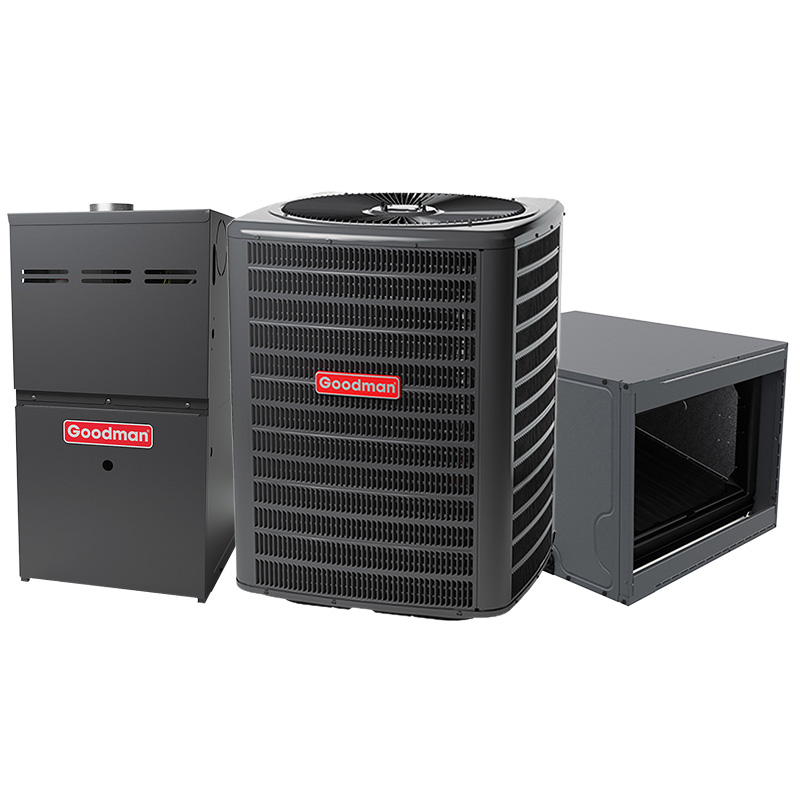
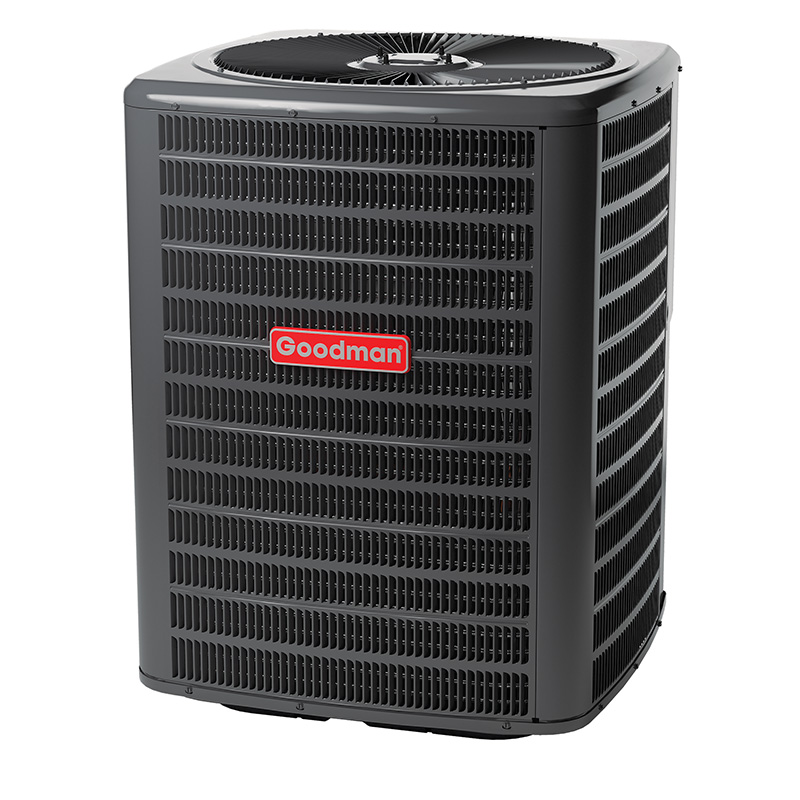
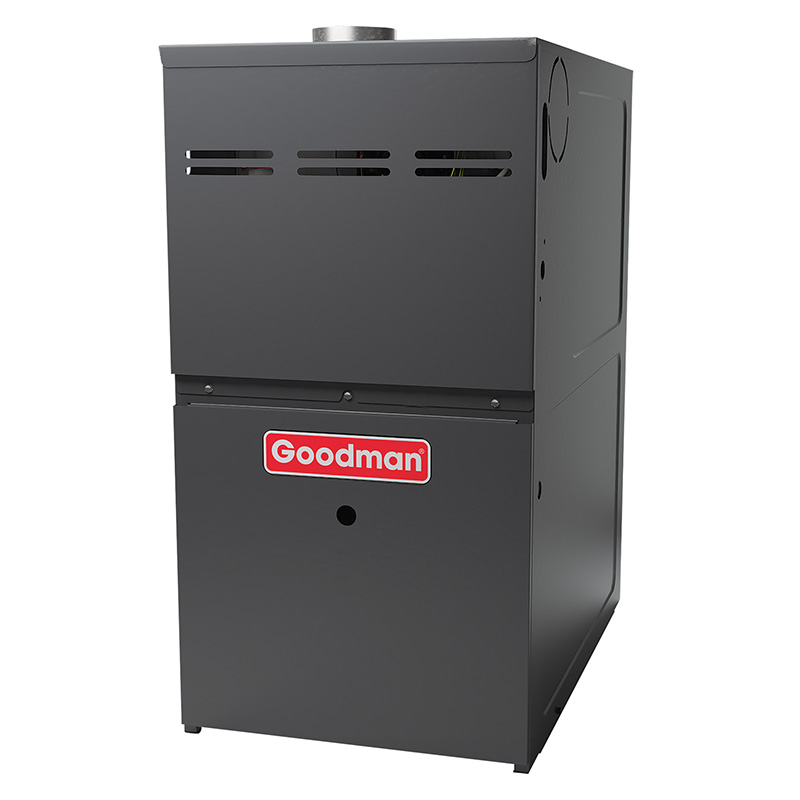
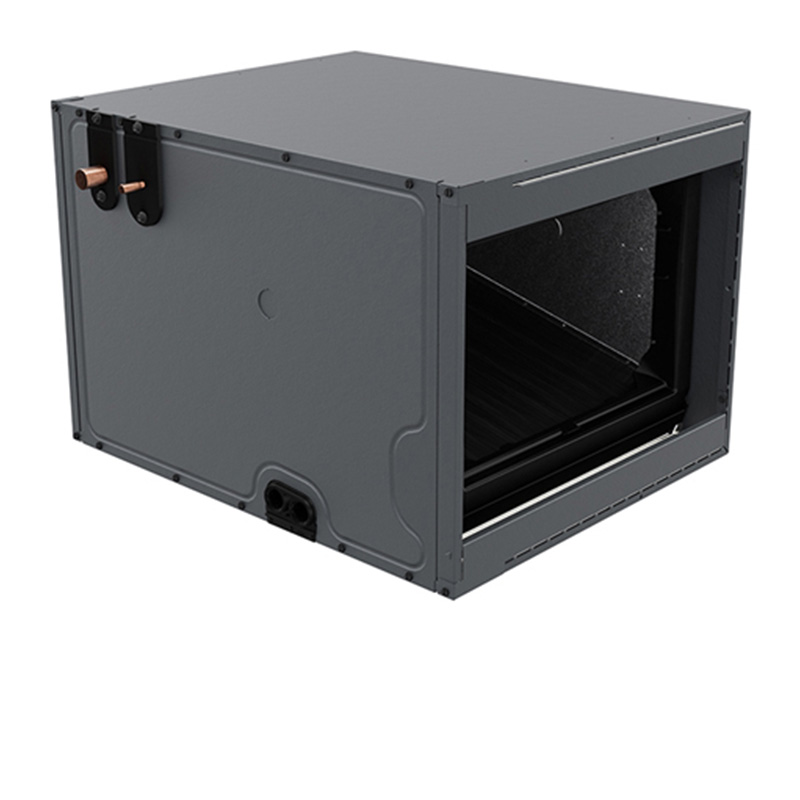
Goodman 3.5 Ton AC And 80000 BTU 80% AFUE Gas Furnace System | 15.2 SEER2 AC | Multi-Speed ECM Low NOx Furnace | Horizontal | R32
View on AC Direct see your lowest price →Check current price on AC Direct →
Key features
- 15.2 SEER2 rated central air conditioner, 3.5-ton cooling capacity
- 80,000 BTU gas furnace with 80% AFUE heating efficiency
- Multi-speed ECM blower motor for quieter, more efficient airflow
- Low NOx burner design meets California and other strict emissions standards
- R-32 refrigerant with significantly lower global warming potential than R-410A
- Horizontal configuration for attic, crawlspace, or side-load closet installations
About this system
The Goodman 3.5-ton, 15.2 SEER2 AC paired with an 80,000 BTU, 80% AFUE horizontal gas furnace is designed for homes that need a lot of cooling capacity in a configuration that fits attic or crawlspace installations where upright units simply will not go. At 3.5 tons, this system is sized for roughly 1,600 to 2,100 square feet depending on your climate, insulation, and duct layout, though a proper Manual J load calculation should always confirm sizing before purchase. The R-32 refrigerant is a meaningful step forward in environmental responsibility, carrying a global warming potential roughly 68 percent lower than the R-410A it replaces, and it is increasingly the industry standard for new residential equipment.
The 80% AFUE furnace means 20 cents of every dollar in gas is lost as exhaust, which is acceptable in mild-winter climates but represents a real operating cost gap versus 96% AFUE condensing units in heating-heavy regions. The multi-speed ECM blower motor improves comfort and lowers electricity draw compared to a standard PSC motor, and the Low NOx combustion design meets the stricter emissions rules now in effect in California and other states. The horizontal configuration adds installation flexibility but also adds labor complexity, which is worth factoring into your total project budget.
This Goodman system delivers solid entry-level efficiency and real installation flexibility at a price point noticeably below comparable Carrier, Trane, or Lennox equipment. The trade-off is a brand track record that includes well-documented capacitor failures and shorter average compressor life, meaning total cost of ownership over 15 years may close the gap with pricier brands. It is a defensible buy when budget is tight and the installing contractor is experienced.
Overall score is the average of the five ratings above.
What we like
- Purchase price typically 15 to 25 percent below Trane, Lennox, and Carrier equivalents
- R-32 refrigerant is more environmentally responsible and easier to service under evolving regulations
- Multi-speed ECM motor reduces electricity use and improves humidity control versus single-speed blowers
- Low NOx rating satisfies California SCAQMD rules and similar state regulations out of the box
- Horizontal orientation opens up installation sites that rule out upright systems
Trade-offs
- 80% AFUE loses one-fifth of purchased gas as exhaust, a meaningful ongoing cost in cold climates
- Dual-run capacitor failures are the most commonly reported repair, typically appearing before year 10
- Compressor lifespan averages 10 to 14 years, shorter than the 15 to 20 years often seen in premium brands
- Evaporator coil leaks appear in a notable share of owner reports, and horizontal coils can be harder to access for repair
What homeowners and pros say about Goodman
Homeowners who choose Goodman most often point to the lower purchase price as the deciding factor, and dealer Google reviews around 3.8 out of 5 reflect that many buyers feel they got reasonable performance for what they paid. The complaints that pull the ConsumerAffairs score down to roughly 2.5 out of 5 tend to cluster around repair costs that accumulate after year 7, which is consistent with the documented failure pattern of dual-run capacitors wearing out and, in a smaller share of cases, evaporator coil leaks that are costly to address once refrigerant access becomes an issue. For a horizontal install, coil access can be especially inconvenient depending on attic clearance.
HVAC technicians have a more nuanced view of Goodman than the consumer review sites suggest. Many professionals note that a well-installed Goodman with annual maintenance performs acceptably for 10 to 12 years, but they are consistent about one point: install quality is the single biggest variable in how long the system lasts. The compressor averaging 10 to 14 years compared to 15 to 20 years on premium brands is a real trade-off that shows up in long-term ownership cost. The early refrigerant leak reports, seen in a minority of units, are most often traced back to installation rather than the equipment itself, reinforcing that choosing a qualified contractor for this system is not optional, it is the most important purchase decision after choosing the equipment.
Sources: ConsumerAffairs Goodman owner reviews, AHRI Directory of Certified Product Performance, U.S. DOE appliance and equipment efficiency standards, Goodman product specification sheets.
What it costs to run
At 15.2 SEER2, cooling this 3.5-ton system for a typical 1200-hour cooling season at the U.S. average electricity rate of $0.17/kWh works out to roughly $564 per year in cooling, about $75 less per year than a minimum-efficiency 13.4 SEER2 unit of the same size. Your real cost depends on your climate and local rate.
Method: (42,000 BTU/hr ÷ 15.2 SEER2) × 1200 hours ÷ 1000 × $0.17/kWh. Rate source: U.S. EIA average; cooling hours: moderate-climate estimate.
How it compares
| Brand | Comparable model | SEER2 | Stage | Price position |
|---|---|---|---|---|
| Goodman | GLXS4BA42 + GCVC8 (this system) | 15.2 | Single-stage AC / Multi-speed furnace | Value pick |
| Carrier | Comfort 24ACC636 + 58CVA | 15.2 | Single-stage AC / Multi-speed furnace | Approximately 15 to 20 percent more than this system |
| Trane | XR15 (4TTR5042) + S8X2 | 15.0 | Single-stage AC / Multi-speed furnace | Approximately 20 to 25 percent more than this system |
| Lennox | Merit ML14XC1 + ML180E | 15.0 | Single-stage AC / Multi-speed furnace | Approximately 20 percent more than this system |
Competitor rows are comparable single-stage units at similar efficiency; price is relative position, not a quote.
Questions about this system
Is 80% AFUE good enough, or should I upgrade to a 96% furnace for this system?
In climates with short, mild winters, the operating cost difference between 80% and 96% AFUE may take 8 to 12 years to recover in energy savings. If you are in the Upper Midwest, Northeast, or mountain states and run the furnace heavily from October through April, a 96% AFUE condensing furnace typically pays back the price difference faster and makes more financial sense long-term.
Why does horizontal configuration matter, and does it affect reliability?
Horizontal installation orients the furnace on its side to fit in attics, crawlspaces, or tight closets where a standard upright unit cannot stand. It does not inherently reduce reliability, but it does require a properly rated horizontal kit and careful condensate drainage setup. Poor horizontal installs are a common source of early service calls, so contractor experience with this configuration matters.
How does R-32 refrigerant affect service and refrigerant leak concerns?
R-32 requires certified technicians and equipment rated for its slightly higher operating pressures, but it is increasingly common and most established HVAC contractors already work with it. A minority of Goodman owners report refrigerant leaks in the first year, which is usually traced to installation or initial charge quality rather than a factory defect, so getting a thorough commissioning check at startup is important.
What is the warranty on this Goodman system, and what does it actually cover?
Goodman typically offers a 10-year parts warranty when the unit is registered within 60 days of installation, dropping to a shorter period if registration is missed. The warranty covers parts but not labor, refrigerant, or diagnostic fees, which means a compressor replacement under warranty can still run hundreds of dollars out of pocket. Read the registration terms carefully before installation day.
How often do the dual-run capacitors fail, and is that a big deal to fix?
Capacitor failure is the single most commonly reported repair across Goodman owner reviews, and it tends to surface in the 5 to 10 year range. The good news is it is usually a straightforward fix costing roughly 300 to 600 dollars including labor, and most HVAC technicians can diagnose and replace it in under an hour. Adding a capacitor inspection to your annual tune-up is a reasonable way to catch one before it causes a no-cooling call on the hottest day of the year.
Specifications
| Cooling capacity | 3.5 Ton |
| Efficiency | 15.2 SEER2 |
| Furnace output | 80000 BTU |
| Furnace efficiency | 80% AFUE |
| Configuration | Horizontal |
| Refrigerant | R-32 |