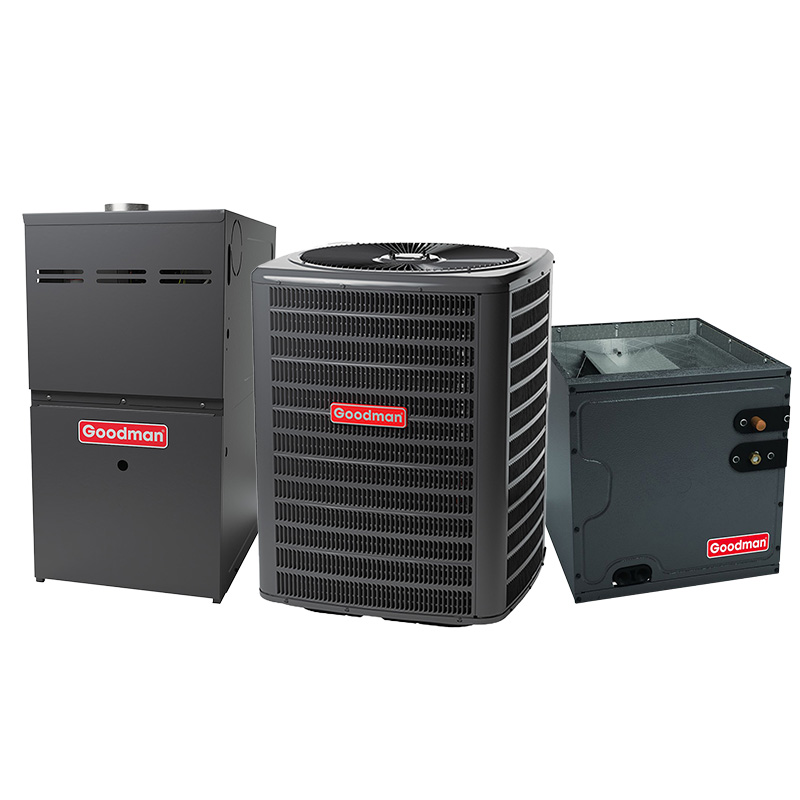
Goodman 3.5 Ton Dual Fuel Hybrid Heat Pump System – 100000 BTU California Low NOx Gas Furnace, 80% AFUE, 15.2 SEER2, Upflow, R32
View on AC Direct see your lowest price →Check current price on AC Direct →
Key features
- Dual fuel hybrid design: heat pump handles mild cold, 100,000 BTU gas furnace takes over in hard freezes
- 15.2 SEER2 cooling efficiency meets current federal standards for most U.S. climate zones
- 80% AFUE California Low NOx furnace satisfies NOx emissions requirements for California installations
- R-32 refrigerant with lower global warming potential than R-410A, aligned with industry transition
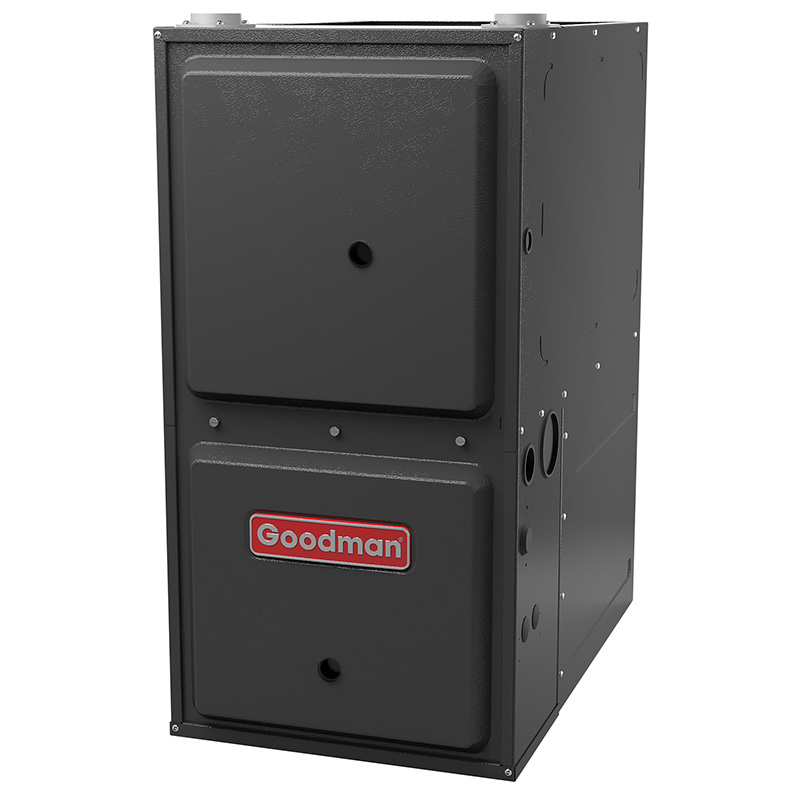
- Upflow configuration fits the most common basement or closet forced-air duct layout
- Priced roughly 15 to 25 percent below comparable Trane, Carrier, and Lennox systems
About this system
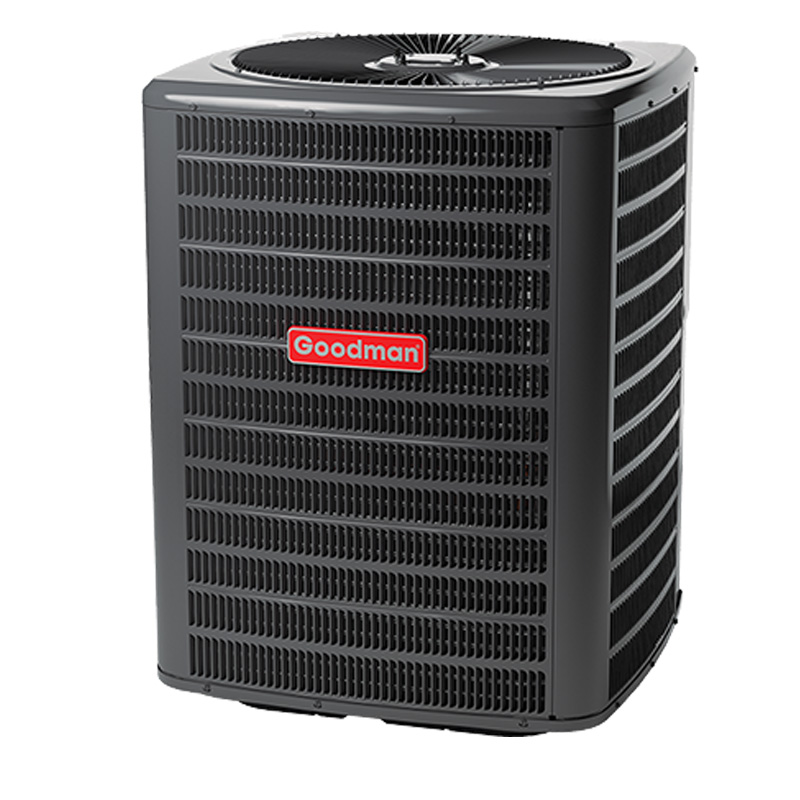
The Goodman 3.5-ton dual fuel hybrid heat pump system pairs a 15.2 SEER2 R-32 heat pump with a 100,000 BTU, 80% AFUE upflow gas furnace, giving homeowners in climates that swing between mild winters and hard freezes a practical two-source heating strategy. The heat pump handles moderate cold efficiently, and the furnace takes over once outdoor temperatures drop below the heat pump’s economic balance point, typically somewhere in the low-to-mid 30s Fahrenheit depending on local utility rates. That switchover logic, managed by a compatible dual fuel thermostat, is the core value proposition here: lower electricity bills on shoulder-season days, reliable gas heat when temperatures bottom out.
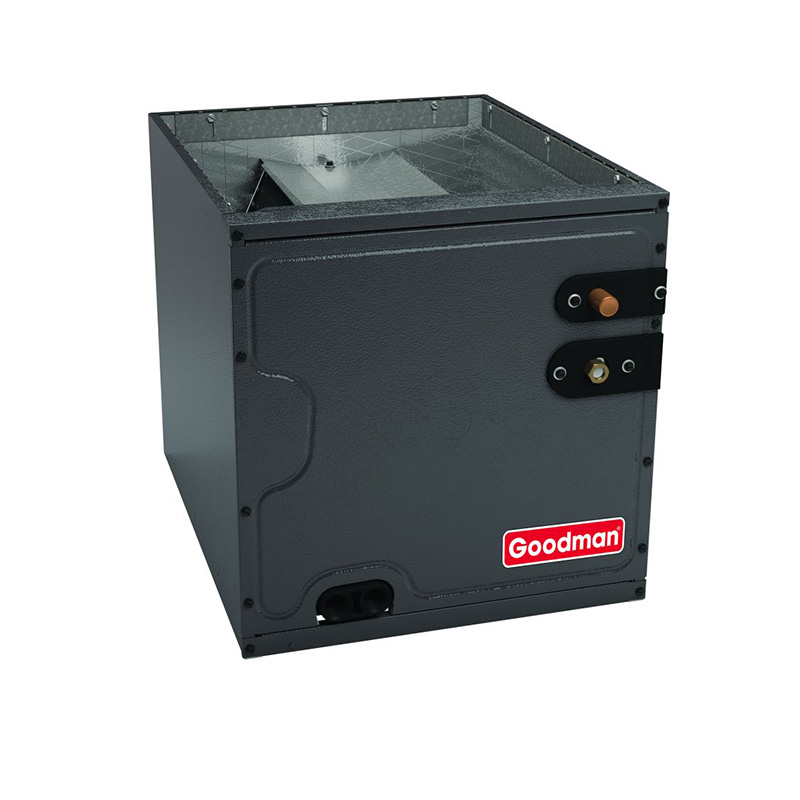
At 15.2 SEER2 the cooling efficiency clears the current federal minimum for most regions but sits at the entry level of the mid-efficiency tier rather than the top of it. The 80% AFUE furnace is similarly positioned: it satisfies code in most Northern states and meets California’s Low NOx requirements, but homeowners in very cold climates who run the furnace heavily will leave some savings on the table compared with a 96% AFUE modulating unit. The R-32 refrigerant charge is a forward-looking choice, carrying a lower global warming potential than legacy R-410A and aligning with industry direction. The upflow configuration suits the most common forced-air installation layout, where the air handler sits in a basement or utility closet and ducts run up through the living space.
This system is well suited to a homeowner replacing aging equipment in a mid-size home who wants the flexibility of dual fuel without paying premium-brand prices. Budget should account for a quality installation, since Goodman’s real-world longevity tracks closely with how carefully the system is commissioned, not just the hardware itself.
The Goodman dual fuel hybrid system delivers a genuinely useful heating strategy for mixed climates at a price point that makes the technology accessible, but 80% AFUE and 15.2 SEER2 are entry-level efficiency numbers, not standout ones. Buyers who prioritize upfront savings over long-term operating costs and who vet their installer carefully will get solid value; those expecting premium-brand build quality or longevity at a budget price will likely be disappointed somewhere around year 8 to 10.
Overall score is the average of the five ratings above.
What we like
- Dual fuel logic reduces heating bills in climates where temperatures regularly hover above the gas-heat balance point
- R-32 refrigerant is a future-aware choice that lowers environmental impact and aligns with where the industry is heading
- California Low NOx certification opens this system to installations in California and other strict-emissions markets
- Priced 15 to 25 percent below comparable Carrier, Trane, and Lennox equipment, lowering the barrier to dual fuel technology
- Upflow layout is the most common residential configuration, making replacement installations relatively straightforward
Trade-offs
- 80% AFUE furnace leaves measurable efficiency gains on the table compared with 95%+ AFUE alternatives, especially in cold climates with long heating seasons
- 15.2 SEER2 is near the low end of mid-efficiency cooling; higher-SEER2 options exist at modest added cost
- Documented failure modes include dual-run capacitor failures, evaporator coil leaks, and compressor lifespans averaging 10 to 14 years versus 15 to 20 for premium brands
- A minority of owners report refrigerant leaks within the first year, typically traced to installation or initial charge issues rather than the equipment itself
What homeowners and pros say about Goodman
Homeowners who have lived with Goodman equipment tend to land in two camps. Those who had a careful installation and kept up with basic maintenance, filter changes, annual tune-ups, coil cleaning, report years of uneventful service and point to the lower upfront cost as the reason they chose it. Those who ran into trouble usually encountered it around or after year 7, which lines up with the recurring pattern in Goodman’s ConsumerAffairs profile, where the brand scores approximately 2.5 out of 5 and the most common complaint thread is repair bills that feel disproportionate relative to what the system originally cost. Google dealer reviews, which draw from a broader and less complaint-driven pool, sit closer to 3.8 out of 5 across locations, with affordability cited most often as the reason buyers were satisfied.
HVAC technicians who work on Goodman units regularly point to dual-run capacitor failure as the most routine service call, a relatively inexpensive fix in the 300 to 600 dollar range but one that comes up with enough regularity to be worth knowing about. Evaporator coil leaks show up in a meaningful share of owner accounts, and compressor longevity in the field tends to average 10 to 14 years rather than the 15 to 20 years more commonly associated with Carrier, Trane, or Lennox compressors. A smaller group of owners, mostly in the first-year window, have reported refrigerant leaks that technicians typically attribute to installation workmanship rather than a product defect. For a dual fuel system specifically, where the interaction between heat pump and furnace controls adds another layer of commissioning complexity, the quality of the installing contractor carries even more weight than it does on a simpler single-fuel setup.
Sources: ConsumerAffairs Goodman owner reviews, AHRI Directory of Certified Product Performance, U.S. DOE appliance and equipment efficiency standards, Goodman product specification sheets.
What it costs to run
At 15.2 SEER2, cooling this 3.5-ton system for a typical 1200-hour cooling season at the U.S. average electricity rate of $0.17/kWh works out to roughly $564 per year in cooling, about $75 less per year than a minimum-efficiency 13.4 SEER2 unit of the same size. Your real cost depends on your climate and local rate.
Method: (42,000 BTU/hr ÷ 15.2 SEER2) × 1200 hours ÷ 1000 × $0.17/kWh. Rate source: U.S. EIA average; cooling hours: moderate-climate estimate.
How it compares
| Brand | Comparable model | SEER2 | Stage | Price position |
|---|---|---|---|---|
| Goodman | 3.5-Ton Dual Fuel Hybrid (this system) | 15.2 | Single-stage | Value pick |
| Carrier | Performance Series Dual Fuel (25HCB / 59SC80) | 15.2 | Single-stage | Typically 15 to 25 percent more than this Goodman system |
| Trane | XR15 Heat Pump with S8B1 80% AFUE Furnace | 15.0–15.2 | Single-stage | Typically 15 to 25 percent more than this Goodman system |
| Lennox | Merit Series ML14XP1 Heat Pump with ML80UH Furnace | 15.2 | Single-stage | Typically 15 to 25 percent more than this Goodman system |
Competitor rows are comparable single-stage units at similar efficiency; price is relative position, not a quote.
Questions about this system
How does the dual fuel switchover actually work, and what controls it?
A compatible dual fuel thermostat monitors outdoor temperature and compares the cost of running the heat pump against the cost of burning gas. When the heat pump becomes the more expensive option, typically somewhere in the low-to-mid 30s Fahrenheit depending on your utility rates, the thermostat switches the furnace on automatically. You set the balance point during commissioning, and some thermostats allow you to adjust it later if your utility rates change.
Is R-32 refrigerant safe, and will technicians in my area be able to service it?
R-32 is mildly flammable and classified A2L, which requires technicians to hold the appropriate certification and use compatible equipment. It is becoming more common in residential systems, but you should confirm with your HVAC contractor that their technicians are R-32 certified before scheduling service, particularly in rural markets where the transition is slower.
Does 80% AFUE meet code in my state, and is it enough for a cold climate?
80% AFUE meets federal minimum efficiency standards and California Low NOx requirements, and it satisfies code in most states, though some Northern jurisdictions now require 90% or higher for new installations, so verify local code before purchasing. In a climate where the furnace runs heavily from November through March, upgrading to a 95% or 96% AFUE furnace will reduce annual gas consumption noticeably, and the payback period is often under five years in cold regions.
What are the most likely repairs I should budget for over the first ten years?
The most commonly reported failure on Goodman systems is the dual-run capacitor, which typically costs 300 to 600 dollars to replace and is a quick fix. Evaporator coil leaks appear in a meaningful share of owner reviews and can be more costly depending on whether the coil needs replacement. Compressors on Goodman systems have averaged 10 to 14 years in documented owner experience, which is shorter than the 15 to 20 years often cited for premium-brand compressors, so budgeting for a potential compressor replacement in that window is prudent.
Why do some Goodman owners report refrigerant leaks in the first year, and how do I avoid that?
First-year refrigerant leaks on Goodman systems are most often traced to installation errors, specifically improper line set connections or an incorrect initial charge, rather than a defect in the equipment itself. Hiring an HVAC contractor who follows manufacturer commissioning procedures, pressure-tests the system before startup, and verifies the charge with proper instrumentation is the most effective way to avoid this issue.
Specifications
| Cooling capacity | 3.5 Ton |
| Efficiency | 15.2 SEER2 |
| Furnace output | 100000 BTU |
| Furnace efficiency | 80% AFUE |
| Configuration | Upflow |
| Refrigerant | R-32 |