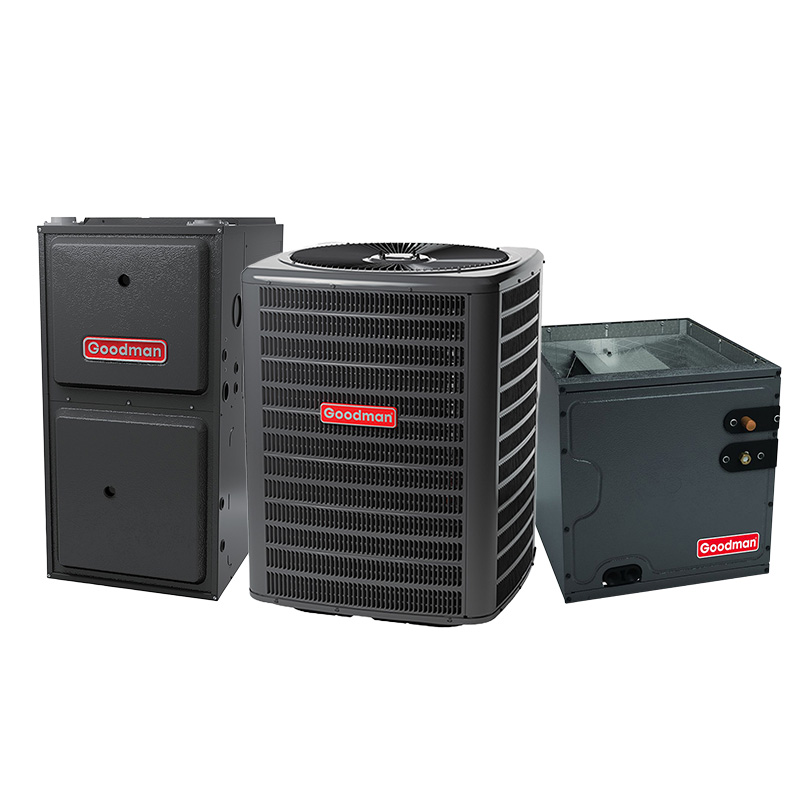
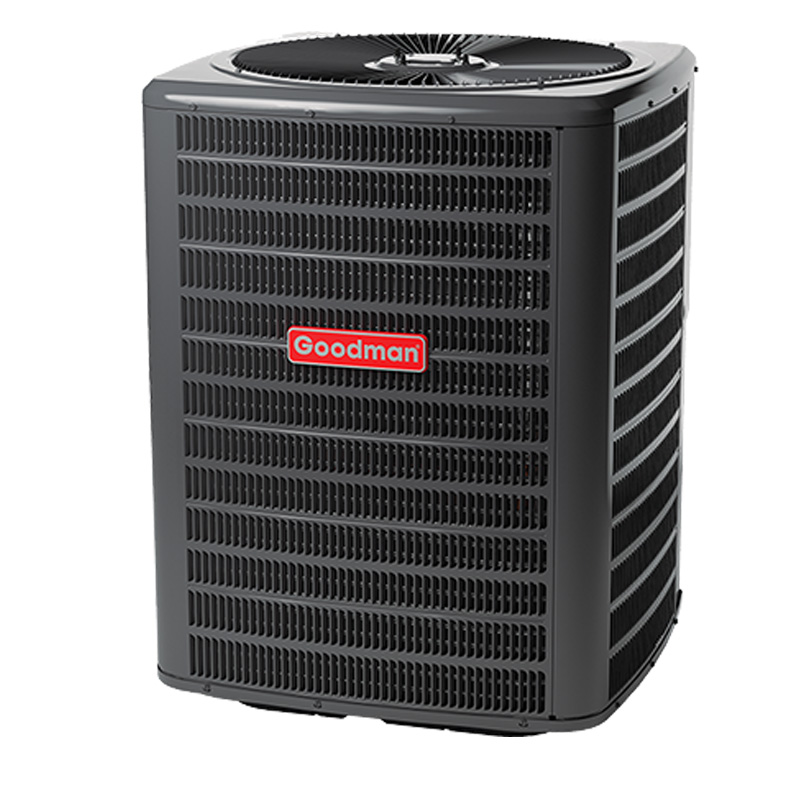
Goodman 3.5 Ton Dual Fuel Hybrid Heat Pump System – 100000 BTU Gas Furnace, 96% AFUE, 15.2 SEER2, Upflow, R32
View on AC Direct see your lowest price →Check current price on AC Direct →
Key features
- 3.5-ton dual fuel hybrid system pairs 15.2 SEER2 heat pump with 96% AFUE gas furnace
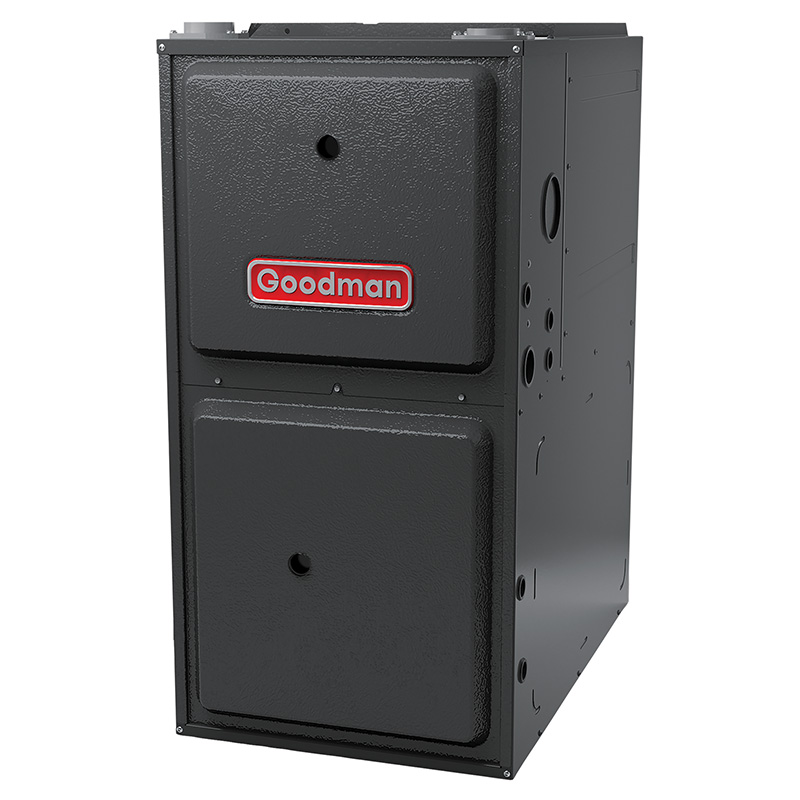
- 100,000 BTU upflow gas furnace for basement or closet installations with overhead ductwork
- R-32 refrigerant with lower global warming potential than R-410A for improved environmental profile
- Automatic fuel-source switching optimizes between electric heat pump and gas heat by outdoor temperature
- 96% AFUE rating qualifies for many utility efficiency rebates in applicable regions
- Goodman factory warranty covers parts, with registration required for extended coverage terms
About this system
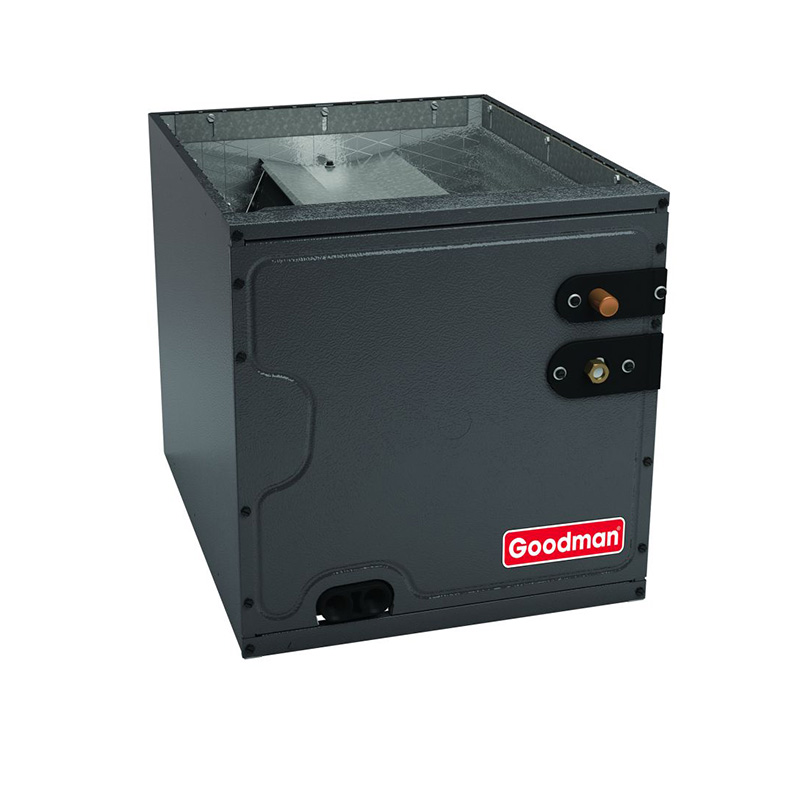
The Goodman 3.5-ton dual fuel hybrid heat pump system pairs a 15.2 SEER2 heat pump with a 96% AFUE, 100,000 BTU upflow gas furnace. That combination gives your home two heating sources that switch automatically based on outdoor temperature and fuel cost: the heat pump handles mild weather efficiently, and the gas furnace takes over when temperatures drop below the point where a heat pump struggles. For homes in mixed or cold climates with existing gas service, that flexibility can meaningfully reduce annual energy bills compared to a straight gas system or a heat pump alone.
The 15.2 SEER2 rating clears the current federal minimum for most regions, though it sits at the lower end of the mid-efficiency tier rather than at the top. The 96% AFUE furnace is solidly high-efficiency and qualifies for many utility rebate programs. R-32 refrigerant has a lower global warming potential than the R-410A it replaces and is becoming the industry standard, which matters for future serviceability. The upflow configuration means the furnace cabinet discharges conditioned air upward, making it the right fit for basement or closet installs where ductwork runs above the unit. It is not suitable for attic or horizontal applications without a differently configured system.
This system suits a homeowner who wants the operating-cost benefits of a dual fuel setup without paying premium-brand prices, and who is working with an experienced installer. Because Goodman equipment performance is closely tied to installation quality, the choice of contractor matters as much as the equipment itself. Budget-conscious buyers replacing a system in a well-maintained duct system, with a reliable local Goodman dealer, are the strongest candidates for this configuration.
The Goodman 3.5-ton dual fuel hybrid system offers genuine energy-management flexibility and high-efficiency gas heating at a price point 15 to 25 percent below comparable Trane, Carrier, or Lennox equipment. The trade-off is a documented history of capacitor failures, evaporator coil leaks, and compressor lifespans that tend to run shorter than premium competitors, and performance that depends heavily on the quality of your installing contractor. For buyers who prioritize upfront savings, have solid local Goodman dealer support, and are realistic about potential mid-life service costs, this system delivers solid value without overpromising.
Overall score is the average of the five ratings above.
What we like
- Dual fuel setup provides real-world heating cost flexibility in climates with both cold snaps and moderate winters
- 96% AFUE furnace is among the most efficient gas heating options available and may qualify for utility rebates
- R-32 refrigerant is current-generation and widely serviceable as the industry transitions away from R-410A
- Upflow configuration fits common basement and utility closet installations without modification
- Priced 15 to 25 percent below Trane, Carrier, and Lennox systems at similar efficiency ratings
Trade-offs
- Dual-run capacitor failures are the most commonly reported issue, typically appearing in years 5 to 9 and costing $300 to $600 to fix
- Evaporator coil leaks appear in a meaningful share of owner reviews and can be a more costly repair
- Compressor lifespan averages 10 to 14 years versus 15 to 20 for premium brands, meaning earlier replacement likelihood
- A minority of owners report refrigerant leaks in year one, usually pointing to installation or initial charge issues rather than the unit itself
What homeowners and pros say about Goodman
Owners and dealers who leave feedback on Google rate Goodman dealers around 3.8 out of 5 across hundreds of reviews per location, with affordability and straightforward replacement installs as the most consistent praise. The picture is more mixed on ConsumerAffairs, where Goodman scores roughly 2.5 out of 5 on a channel that skews heavily toward complaint-driven posts. The pattern that emerges from both sources on systems like this dual fuel setup is predictable: buyers who had strong installer relationships tend to report years of trouble-free operation, while those who used lower-bid contractors report more early headaches. For a dual fuel hybrid system, where switchover calibration and refrigerant charge both have to be right on day one, that installer dependence is especially pronounced.
The specific failure modes documented for Goodman equipment are worth knowing before you buy. Dual-run capacitors are the most commonly reported component failure, generally in the $300 to $600 repair range and considered a manageable nuisance rather than a system-ending event. Evaporator coil leaks appear in a notable share of owner reviews and carry higher repair costs. Compressors tend to average 10 to 14 years of service life, which is meaningfully shorter than the 15 to 20 years more common with Trane, Carrier, or Lennox compressors at this efficiency tier. A smaller number of owners report refrigerant leaks in the first year, an issue that technicians generally attribute to installation errors rather than factory defects. None of these are disqualifying on their own, but together they reinforce the case for budgeting a service contract and choosing your contractor carefully rather than treating this as a set-it-and-forget-it purchase.
Sources: ConsumerAffairs Goodman owner reviews, AHRI Directory of Certified Product Performance, U.S. DOE appliance and equipment efficiency standards, Goodman product specification sheets.
What it costs to run
At 15.2 SEER2, cooling this 3.5-ton system for a typical 1200-hour cooling season at the U.S. average electricity rate of $0.17/kWh works out to roughly $564 per year in cooling, about $75 less per year than a minimum-efficiency 13.4 SEER2 unit of the same size. Your real cost depends on your climate and local rate.
Method: (42,000 BTU/hr ÷ 15.2 SEER2) × 1200 hours ÷ 1000 × $0.17/kWh. Rate source: U.S. EIA average; cooling hours: moderate-climate estimate.
How it compares
| Brand | Comparable model | SEER2 | Stage | Price position |
|---|---|---|---|---|
| Goodman | 3.5 Ton Dual Fuel Hybrid – GMVC96 / GSZ15 series, R-32 | 15.2 | Single-stage | Value pick |
| Carrier | Performance Dual Fuel – 25HCE6 series with 59SC2 furnace | 15.2 | Single-stage | Typically 15 to 25 percent more than Goodman |
| Trane | XR15 Dual Fuel with S9X2 furnace | 15.0–15.5 | Single-stage | Typically 15 to 25 percent more than Goodman |
| Lennox | Merit ML15XP1 Dual Fuel with ML196 furnace | 15.2 | Single-stage | Typically 15 to 25 percent more than Goodman |
Competitor rows are comparable single-stage units at similar efficiency; price is relative position, not a quote.
Questions about this system
At what outdoor temperature does the system switch from the heat pump to the gas furnace?
The switchover point, called the balance point, is typically set by your installer during commissioning and often falls between 30 and 40 degrees Fahrenheit depending on your climate and local gas versus electric rates. Some thermostats allow the homeowner to adjust this setpoint. Getting that balance point dialed in correctly is one reason installer experience matters so much with a dual fuel system.
Is R-32 refrigerant harder to find or more expensive to service than R-410A?
R-32 is increasingly available as the industry transitions away from R-410A, and most HVAC technicians certified for R-410A can handle R-32 with minor adjustments since the handling requirements are similar. It is mildly flammable, which requires technicians to follow updated safety procedures, but it is not exotic or difficult to source in most markets.
Does this system work as a straight heat pump in mild weather without running the furnace at all?
Yes, that is exactly how a hybrid dual fuel system operates. The heat pump runs as the primary heating source during mild conditions, and the gas furnace only activates when temperatures drop to the configured balance point or when the heat pump cannot meet the setpoint on its own. This is the core efficiency advantage of the dual fuel design.
How important is the installer, and what should I look for in a contractor for this system?
Installer quality is the single most cited factor in how long a Goodman system performs and how many early service calls it generates. Look for a contractor with documented Goodman or allied brand experience, proper refrigerant certification for R-32, and a process that includes verifying refrigerant charge levels, airflow balance, and dual fuel switchover settings after installation. First-year refrigerant leaks are frequently traced to installation rather than the unit.
What does the Goodman warranty cover, and do I need to register the equipment?
Goodman offers a 10-year parts limited warranty on registered equipment, which requires registration within a set window after installation. Without registration, coverage typically drops to a shorter term. The warranty covers parts but not labor, so factor in potential labor costs when budgeting for any warranty repairs over the life of the system.
Specifications
| Cooling capacity | 3.5 Ton |
| Efficiency | 15.2 SEER2 |
| Furnace output | 100000 BTU |
| Furnace efficiency | 96% AFUE |
| Configuration | Upflow |
| Refrigerant | R-32 |