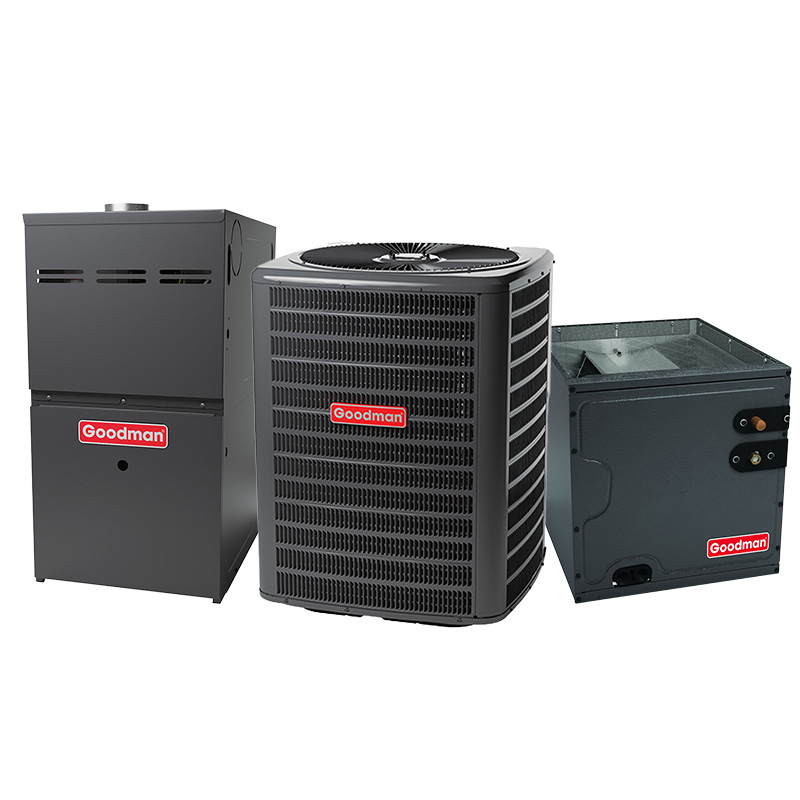
Goodman 3.5 Ton Dual Fuel Hybrid Heat Pump System – 80000 BTU Gas Furnace, 80% AFUE, 15.2 SEER2, Upflow, R32
View on AC Direct see your lowest price →Check current price on AC Direct →
Key features
- 3.5-ton heat pump rated at 15.2 SEER2 for above-baseline cooling efficiency
- 80,000 BTU gas furnace with 80% AFUE upflow configuration
- Dual-fuel hybrid operation automatically selects heat pump or gas heat based on conditions
- R-32 refrigerant with lower global warming potential than R-410A
- Upflow air discharge compatible with standard attic-duct installations
- Value-tier pricing typically 15 to 25 percent below comparable Trane, Lennox, and Carrier systems
About this system
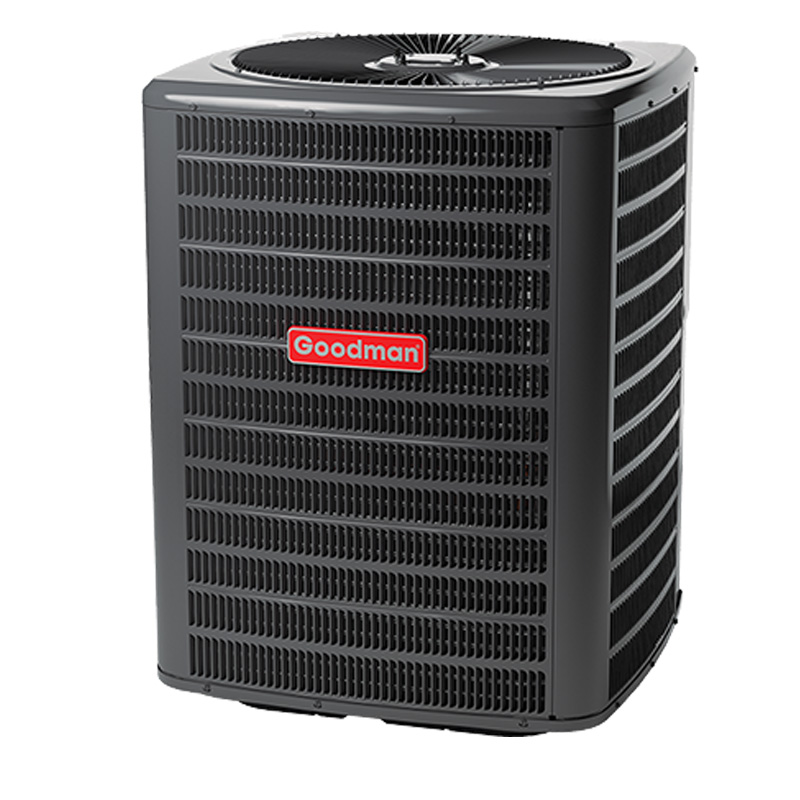
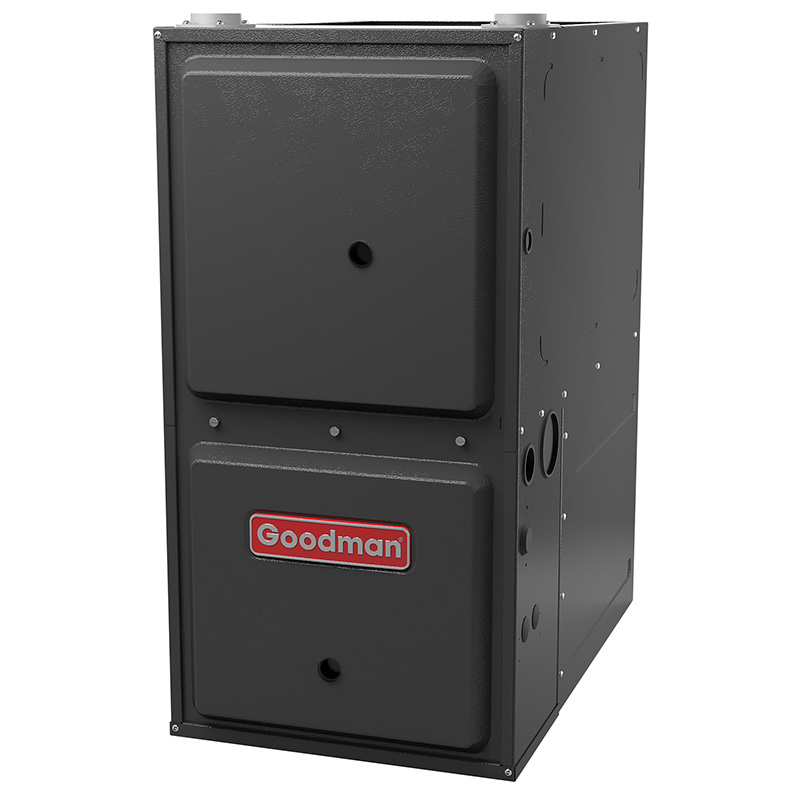
The Goodman 3.5-ton Dual Fuel Hybrid Heat Pump System pairs a 15.2 SEER2 heat pump with an 80,000 BTU, 80% AFUE upflow gas furnace, giving you two heating sources in one package. The system switches automatically between electric heat pump operation and gas heat depending on outdoor temperature and fuel costs, which is the defining advantage of a dual-fuel setup. At 3.5 tons it targets homes roughly in the 1,800 to 2,400 square foot range, though your actual load calculation may differ based on insulation, climate zone, and window area.
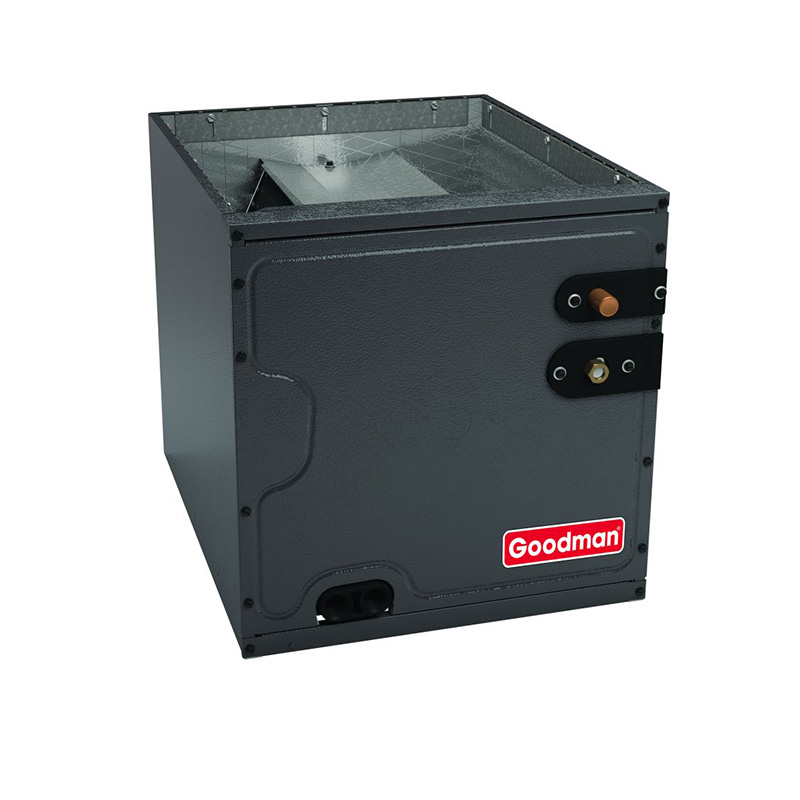
The R-32 refrigerant is worth noting. R-32 has a lower global warming potential than the older R-410A it replaces, and it operates at slightly higher pressures, which requires technicians who are current on handling procedures. The upflow configuration means the air handler or furnace sits at the bottom and discharges warm or cool air upward, the standard layout for most homes with ductwork in the attic or upper floors. The 80% AFUE rating means 80 cents of every dollar of gas burned becomes usable heat, which is code-compliant in many regions but sits at the lower end of efficiency for new equipment. Homeowners in cold climates who run gas heat heavily through winter may want to weigh whether the higher upfront cost of a 96% AFUE furnace would pay back over time.
This system suits buyers who want the fuel-cost flexibility of dual-fuel operation at a price point that is noticeably lower than Carrier, Trane, or Lennox equivalents. It is a reasonable fit for moderate climates where the heat pump carries the load most of the year and the furnace handles the coldest days. It is less compelling for anyone in a severe cold climate who will lean on the gas side heavily and wants the long-term efficiency gains of a higher AFUE rating.
This Goodman dual-fuel system delivers genuine fuel-switching flexibility and a 15.2 SEER2 efficiency rating at a price that undercuts the major premium brands by a meaningful margin. The trade-off is a brand track record that shows more post-year-7 repair frequency than the competition and an 80% AFUE furnace that is functional but not efficient by current standards. Buyers who prioritize upfront cost and have access to a skilled installer will find solid value here; those who prioritize long-term reliability or fuel savings should weigh their options carefully.
Overall score is the average of the five ratings above.
What we like
- Dual-fuel hybrid setup provides real flexibility to use whichever energy source is cheaper or more reliable at any given time
- 15.2 SEER2 meets and slightly exceeds the 2023 federal minimum in most regions, keeping cooling costs reasonable
- Priced 15 to 25 percent below comparable Carrier, Trane, and Lennox systems, which is a real dollar difference at this equipment size
- R-32 refrigerant is forward-compatible with evolving environmental regulations and widely supported by equipment manufacturers
- Upflow configuration is the most common residential layout, so finding qualified installers and replacement parts is straightforward
Trade-offs
- 80% AFUE is the low end of new furnace efficiency; homeowners in colder climates who rely heavily on gas will pay more to operate it than a 96% AFUE alternative
- Dual-run capacitors are the most frequently reported failure on Goodman equipment and, while the repair cost is relatively low, it points to a component quality gap versus premium brands
- Compressor lifespan averages 10 to 14 years in owner experience, compared to 15 to 20 years commonly reported for Trane and Lennox compressors
- A minority of owners report refrigerant leaks within the first year, typically tied to installation quality rather than the unit itself, which means choosing a highly experienced installer is not optional
What homeowners and pros say about Goodman
Homeowners who have lived with Goodman equipment tend to split along a clear line. Those who had a skilled installer and maintained the system consistently report years of unremarkable, functional operation and praise the lower purchase price. Those who experienced problems point to repair bills that started appearing around year seven or eight, with dual-run capacitor failures being the most frequently mentioned issue, typically a 300 to 600 dollar fix but an unwelcome one. Evaporator coil leaks appear often enough in owner accounts to be a known risk rather than an edge case. On ConsumerAffairs, Goodman sits at roughly 2.5 out of 5, though that platform draws complaints at a higher rate than praise, so the sample skews negative. Across Google dealer reviews the picture is somewhat better, around 3.8 out of 5, where affordability is the most common reason for a positive review.
HVAC technicians are generally candid about where Goodman sits in the market. Most will install it without objection and acknowledge that the value proposition is real, but they tend to be direct about compressor longevity: Goodman compressors average roughly 10 to 14 years in field experience, versus 15 to 20 years for Trane and Lennox equipment. For this specific dual-fuel system, pros flag the R-32 charging process as a step that requires current training, and a small but documented share of first-year refrigerant leaks on Goodman units traces back to installation or initial charge issues rather than factory defects. The consistent professional advice is that the installer you choose matters as much as the brand you buy at this price tier.
Sources: ConsumerAffairs Goodman owner reviews, AHRI Directory of Certified Product Performance, U.S. DOE appliance and equipment efficiency standards, Goodman product specification sheets.
What it costs to run
At 15.2 SEER2, cooling this 3.5-ton system for a typical 1200-hour cooling season at the U.S. average electricity rate of $0.17/kWh works out to roughly $564 per year in cooling, about $75 less per year than a minimum-efficiency 13.4 SEER2 unit of the same size. Your real cost depends on your climate and local rate.
Method: (42,000 BTU/hr ÷ 15.2 SEER2) × 1200 hours ÷ 1000 × $0.17/kWh. Rate source: U.S. EIA average; cooling hours: moderate-climate estimate.
How it compares
| Brand | Comparable model | SEER2 | Stage | Price position |
|---|---|---|---|---|
| Goodman | Dual Fuel Hybrid Heat Pump System (this unit) | 15.2 | Single-stage | Value pick |
| Carrier | Performance Series Dual Fuel (25HCB6 / 59TP6) | 15.2 | Single-stage | Typically 15 to 25 percent more than this Goodman system |
| Trane | XR15 Dual Fuel System (XR15 / S8X1) | 15.0–15.5 | Single-stage | Typically 15 to 25 percent more than this Goodman system |
| Lennox | Merit Series Dual Fuel (14HPX / ML180) | 15.0–15.5 | Single-stage | Typically 15 to 25 percent more than this Goodman system |
Competitor rows are comparable single-stage units at similar efficiency; price is relative position, not a quote.
Questions about this system
How does the system decide whether to run the heat pump or the gas furnace?
The system uses a balance point temperature, typically set during installation between 25 and 40 degrees Fahrenheit depending on your climate and local fuel costs. Below that threshold the gas furnace takes over because it becomes more cost-effective or the heat pump loses capacity. Your installer can adjust this set point to match your utility rates.
Is 80% AFUE going to cost me significantly more to operate than a higher-efficiency furnace?
On a straight comparison, a 96% AFUE furnace converts 16 cents more of every gas dollar into heat. In a moderate climate where the heat pump handles the bulk of heating and the furnace only kicks in on the coldest days, the real-world savings gap is smaller than it sounds. In a cold climate where gas runs frequently from November through March, the operating cost difference adds up and the payback period on a higher AFUE unit shortens considerably.
What does R-32 mean for servicing, and will any HVAC tech be able to work on it?
R-32 requires technicians to be EPA 608 certified, the same as R-410A, but it operates at higher pressures and has different handling requirements that not every tech is current on. When scheduling service or installation, confirm the technician has direct experience with R-32 systems to avoid improper charging, which is one documented source of early refrigerant leaks on Goodman equipment.
What is the warranty on this system and what does it actually cover?
Goodman typically offers a 10-year parts limited warranty when the equipment is registered within a set window after installation, and a lifetime heat exchanger warranty on the furnace. Labor is not covered, which means a compressor replacement inside the warranty period can still run hundreds of dollars in labor costs. Confirm registration requirements with your installer at the time of setup.
How important is installer quality with a Goodman system specifically?
It is the single most important variable. Technicians consistently cite installation quality as the primary driver of how long Goodman equipment lasts and how reliably it runs. The documented first-year refrigerant leak issue and the capacitor failures that tend to appear after year seven are both worsened by improper installation or charging. Spending on a more experienced contractor offsets more risk here than it might with a premium brand that has tighter factory tolerances.
Specifications
| Cooling capacity | 3.5 Ton |
| Efficiency | 15.2 SEER2 |
| Furnace output | 80000 BTU |
| Furnace efficiency | 80% AFUE |
| Configuration | Upflow |
| Refrigerant | R-32 |