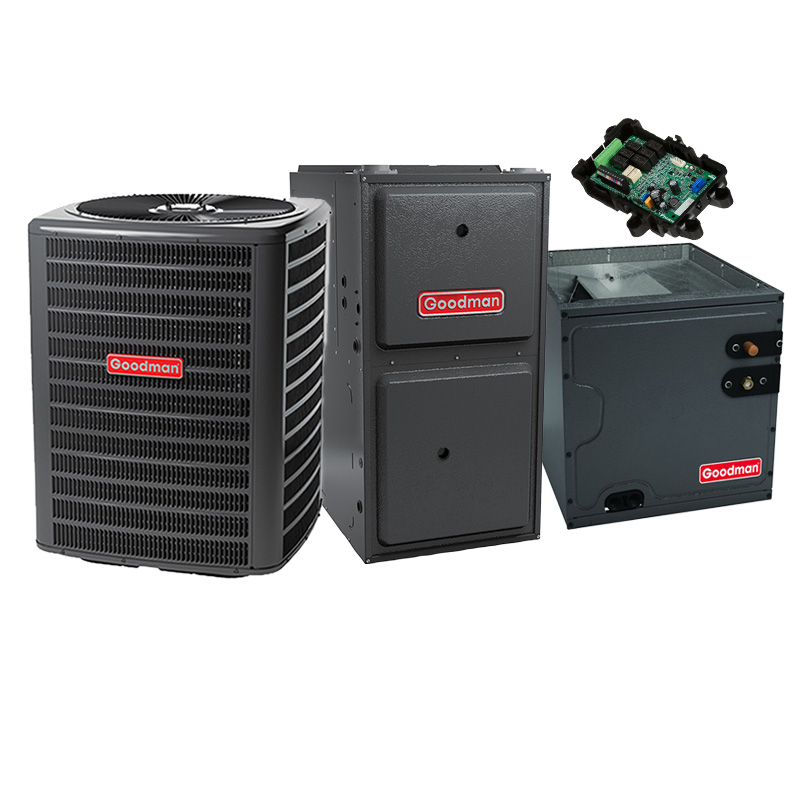
Goodman 3 Ton 13.5 SEER2 80000 BTU 96% AFUE Gas Furnace With R32 Air Condenser and Coil System – Upflow
View on AC Direct see your lowest price →Check current price on AC Direct →
Key features
- 3-ton cooling capacity paired with 80,000 BTU gas heating for mid-size homes
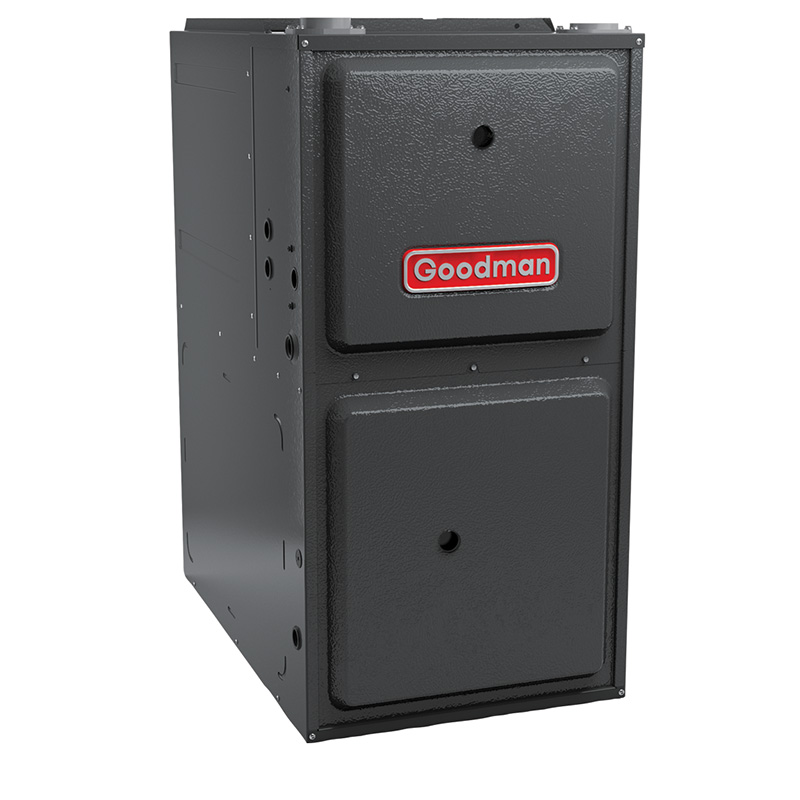
- 96% AFUE single-stage furnace keeps heating waste to a minimum
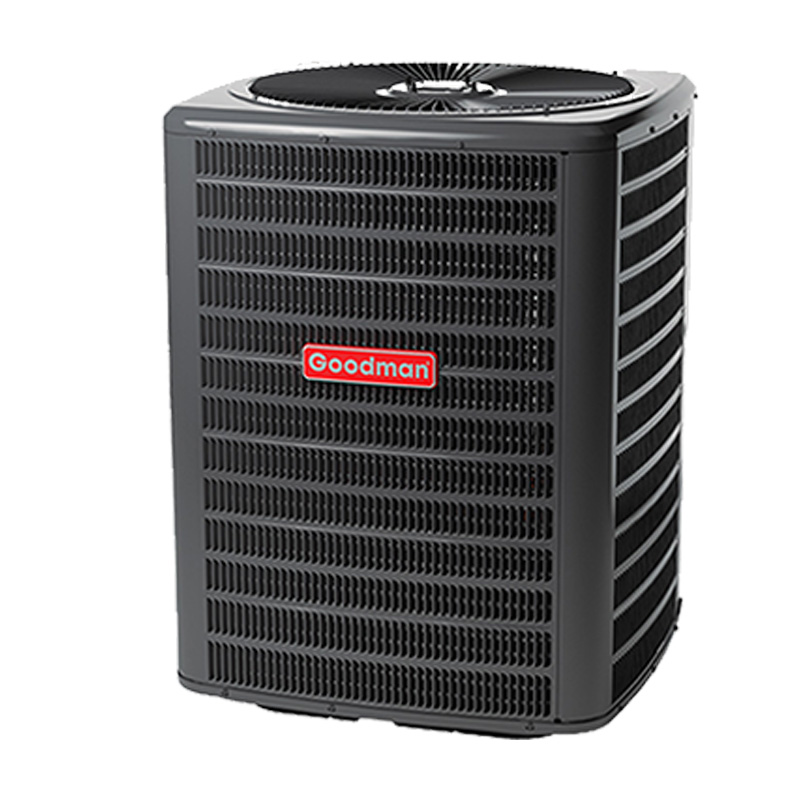
- 13.5 SEER2 air condenser meets current federal efficiency minimums with upward headroom
- R-32 refrigerant with roughly 70% lower global warming potential than R-410A
- Upflow configuration designed for basement or crawlspace duct systems
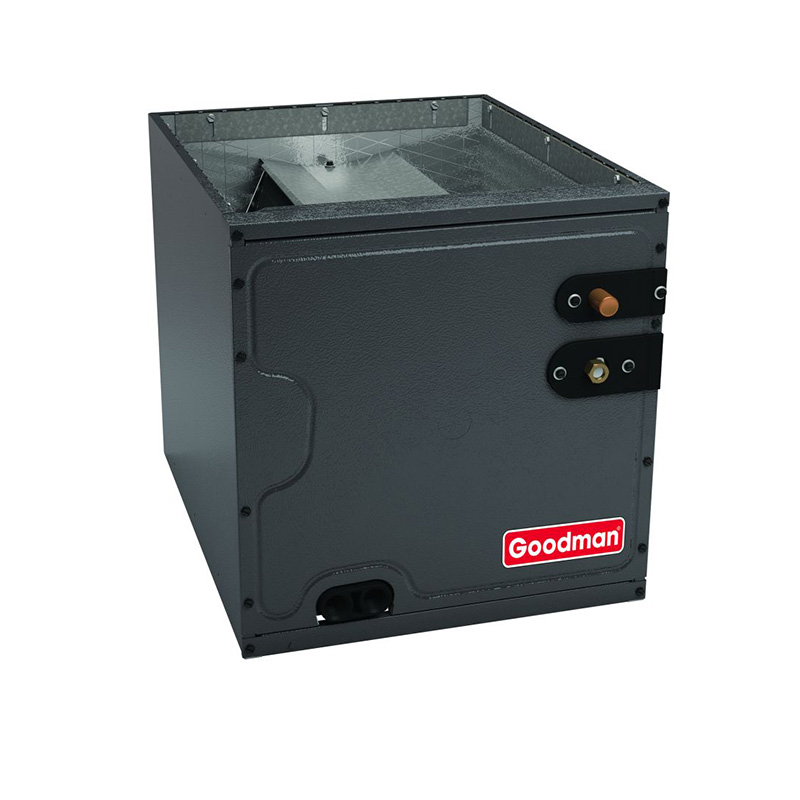
- Factory-matched coil included, simplifying installation and warranty compliance
About this system
The Goodman 3-Ton 13.5 SEER2 / 96% AFUE upflow system bundles a central air condenser, evaporator coil, and 80,000 BTU gas furnace into a single matched package aimed at homeowners who need to replace aging equipment without stretching their budget. The 96% AFUE rating is a genuine high point: only 4 cents of every dollar spent on gas escapes as waste heat, putting this furnace in the same efficiency tier as premium brands regardless of what you pay for it. The 13.5 SEER2 cooling rating clears the federal minimum with a little room to spare, though it sits well below the 16-to-18 SEER2 range where energy savings start to compound meaningfully over time.
R-32 refrigerant is a forward-looking choice here. It carries a global warming potential roughly 70 percent lower than the R-410A it replaces, and its slightly higher energy efficiency per unit of refrigerant charge can contribute marginally to system performance. It also means any future servicing technician will need R-32 certified equipment, so confirming your installer is set up for it before the job starts is worthwhile. The upflow configuration routes conditioned air upward through floor-level supply and return ducts, which suits most basement or crawlspace installations in colder climates where a high-AFUE furnace makes the most sense.
This system is best understood as a reliable workhorse for budget-conscious homeowners in mid-size homes, roughly 1,400 to 1,800 square feet depending on climate zone and insulation. It is not a premium efficiency or premium longevity purchase. What it offers is solid, code-compliant performance at a price point that leaves money in the budget for a quality installation, which, with Goodman equipment especially, is where the long-term outcome is most often decided.
This Goodman system delivers genuinely strong heating efficiency at a price well below Carrier, Trane, or Lennox equivalents, making it a reasonable choice for homeowners who prioritize upfront affordability and invest in a skilled installer. Cooling efficiency is adequate but not outstanding, and Goodman's documented history of capacitor failures and shorter average compressor lifespan means you should budget for routine maintenance and have a repair fund ready around year seven. It earns its place in the market for what it is, without pretending to be something it is not.
Overall score is the average of the five ratings above.
What we like
- 96% AFUE furnace is among the most efficient single-stage units available at any price point
- R-32 refrigerant is a more environmentally responsible choice and future-ready
- Factory-matched coil is included, removing one sourcing variable for installers
- Priced 15 to 25 percent below comparable Trane, Lennox, and Carrier systems
- Straightforward upflow design is well understood by the vast majority of residential HVAC technicians
Trade-offs
- Dual-run capacitors are the most frequently reported failure, typically around years 5 to 8, adding 300 to 600 dollars per repair event
- Average compressor lifespan of 10 to 14 years runs shorter than the 15 to 20 years commonly seen with premium-brand compressors
- A minority of owners report refrigerant leaks within the first year, most often tied to installation or charge issues rather than the equipment itself
- 13.5 SEER2 cooling efficiency offers limited long-term energy savings compared to mid- or high-efficiency alternatives
What homeowners and pros say about Goodman
Among homeowners, Goodman draws predictably split reactions. On ConsumerAffairs, where the format tends to attract people who have had problems, Goodman averages around 2.5 out of 5 stars, with the most consistent complaint being repair costs that begin climbing after roughly year seven of ownership. Google dealer reviews tell a more balanced story, averaging around 3.8 out of 5 across hundreds of reviews per location, where affordability is the single most frequently praised attribute. For this specific upflow bundle, the pattern holds: buyers who got a careful installation and kept up with basic maintenance report years of unremarkable, functional service. Those who skipped the Manual J calculation or went with the lowest-bid installer tend to surface in the complaint forums sooner.
HVAC technicians who work on Goodman equipment regularly point to dual-run capacitors as the component they replace most often on these systems, a repair that typically falls in the 300 to 600 dollar range and is straightforward for any qualified technician. Evaporator coil leaks show up in a meaningful share of owner accounts and represent a more costly repair event. Compressor longevity averaging 10 to 14 years is a real and documented gap compared to the 15-to-20-year range commonly seen with Trane, Carrier, or Lennox compressors. None of this makes Goodman a bad product at its price point, but it does mean the decision to buy one should be made with eyes open: the savings at purchase are real, and so is the likelihood of earlier and more frequent service calls as the system ages.
Sources: ConsumerAffairs Goodman owner reviews, AHRI Directory of Certified Product Performance, U.S. DOE appliance and equipment efficiency standards, Goodman product specification sheets.
What it costs to run
At 13.5 SEER2, cooling this 3-ton system for a typical 1200-hour cooling season at the U.S. average electricity rate of $0.17/kWh works out to roughly $544 per year in cooling, about $4 less per year than a minimum-efficiency 13.4 SEER2 unit of the same size. Your real cost depends on your climate and local rate.
Method: (36,000 BTU/hr ÷ 13.5 SEER2) × 1200 hours ÷ 1000 × $0.17/kWh. Rate source: U.S. EIA average; cooling hours: moderate-climate estimate.
How it compares
| Brand | Comparable model | SEER2 | Stage | Price position |
|---|---|---|---|---|
| Goodman | 3-Ton 13.5 SEER2 / 96% AFUE Upflow Bundle (this system) | 13.5 | Single-stage | Value pick |
| Carrier | Comfort Series (24ACC6 condenser + 58SB furnace) | 14.3 | Single-stage | Typically 15 to 25% higher than this system |
| Trane | XR14 condenser + S9V2 furnace | 14.0 | Single-stage | Typically 15 to 25% higher than this system |
| Lennox | Merit Series ML14XC1 condenser + ML196E furnace | 14.3 | Single-stage | Typically 20 to 30% higher than this system |
Competitor rows are comparable single-stage units at similar efficiency; price is relative position, not a quote.
Questions about this system
Does R-32 refrigerant require a specially certified technician to service this system?
Yes. R-32 is mildly flammable and requires technicians to hold specific R-32 handling certification and use compatible recovery equipment. Before you commit to this system, confirm that your installing contractor and any likely service technicians in your area are already set up for R-32, since not all shops have made the transition yet.
The 96% AFUE furnace sounds great, but is it variable-speed or single-stage?
This is a single-stage furnace, meaning it runs at full capacity or not at all. A 96% AFUE rating on a single-stage unit is genuinely efficient in fuel use, but you will not get the quieter operation, finer humidity control, or comfort consistency that a two-stage or variable-speed furnace provides. For most straightforward heating applications it is adequate; for homes with comfort complaints or humidity issues, a modulating unit is worth the upgrade conversation.
What are the most likely repair costs I should plan for over a 10-year period?
The most commonly reported failure on Goodman equipment is the dual-run capacitor, which typically runs 300 to 600 dollars to replace and can show up in the 5-to-8-year window. Evaporator coil leaks appear in a meaningful share of owner reviews and can be significantly more expensive. Budgeting for one or two service calls beyond routine maintenance in a decade of ownership is realistic based on Goodman's documented performance history.
Will a 3-ton system be the right size for my home?
Three tons is a common fit for homes in the roughly 1,400 to 1,800 square foot range, but the right size depends on your climate zone, insulation level, window area, and ceiling height. An improperly sized system, whether oversized or undersized, shortens equipment life and hurts comfort. Insist that your installer perform a Manual J load calculation before the equipment is ordered.
Does using a factory-matched coil from Goodman affect the warranty coverage?
Yes, and it matters. Goodman's full parts warranty, typically 10 years on registered systems, generally requires that the coil be a matched Goodman component and that the system be registered by a licensed contractor within a specified window after installation. Using a third-party coil or failing to register can reduce coverage to a shorter baseline period, so confirm registration requirements with your installer before the job is complete.
Specifications
| Cooling capacity | 3 Ton |
| Efficiency | 13.5 SEER2 |
| Furnace output | 80000 BTU |
| Furnace efficiency | 96% AFUE |
| Configuration | Upflow |
| Refrigerant | R-32 |