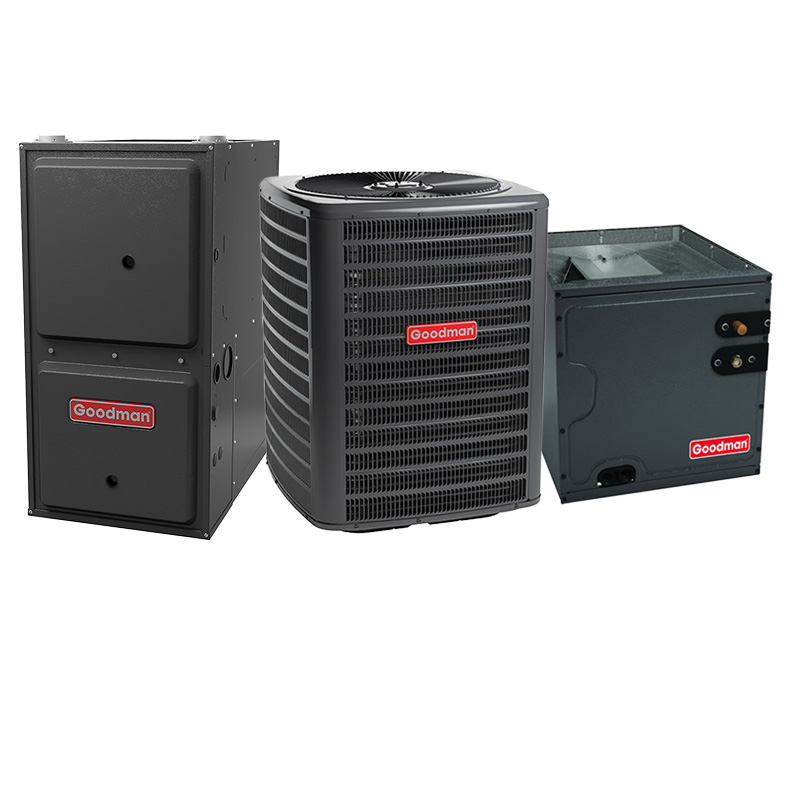
Goodman 3 Ton 13.8 SEER2 100000 BTU 96% AFUE Multi-Speed ECM Gas Furnace System – Downflow | R32
View on AC Direct see your lowest price →Check current price on AC Direct →
Key features
- 3-ton cooling capacity at 13.8 SEER2, meeting current federal minimum efficiency standards
- 100,000 BTU gas furnace rated at 96% AFUE for high-efficiency heating
- Multi-speed ECM blower motor for quieter, more even airflow than single-speed alternatives
- Downflow configuration designed for overhead-closet or platform installations
- R-32 refrigerant with lower global-warming potential than R-410A
- Matched system design intended to simplify installation and warranty compliance
About this system
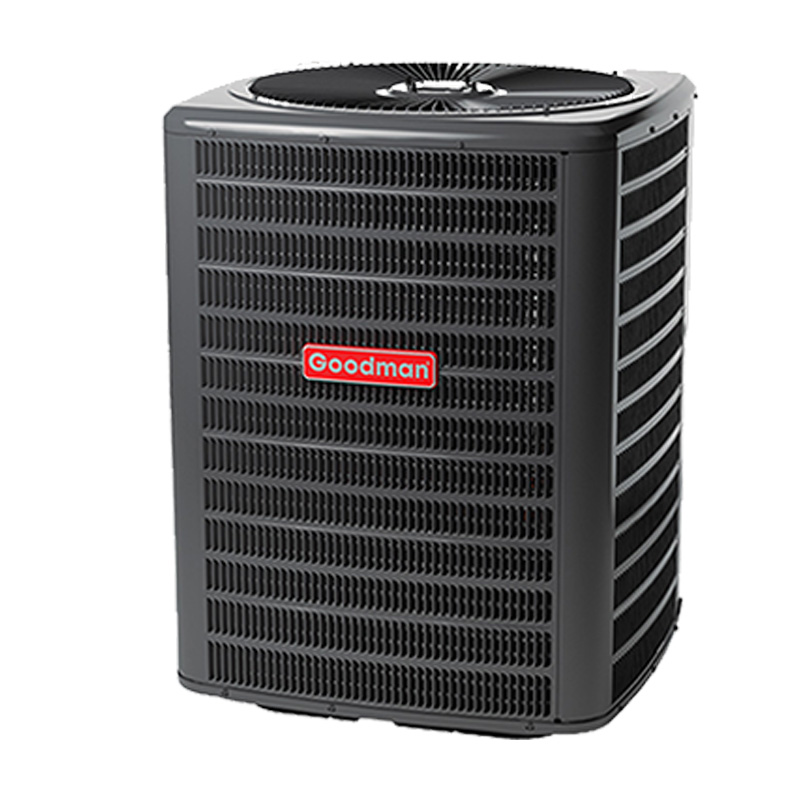
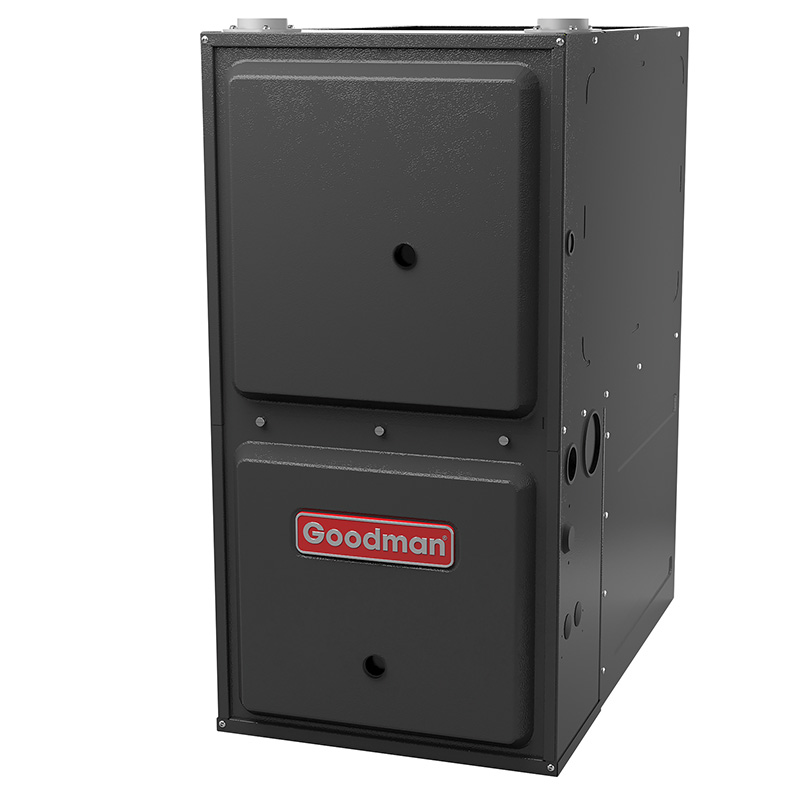
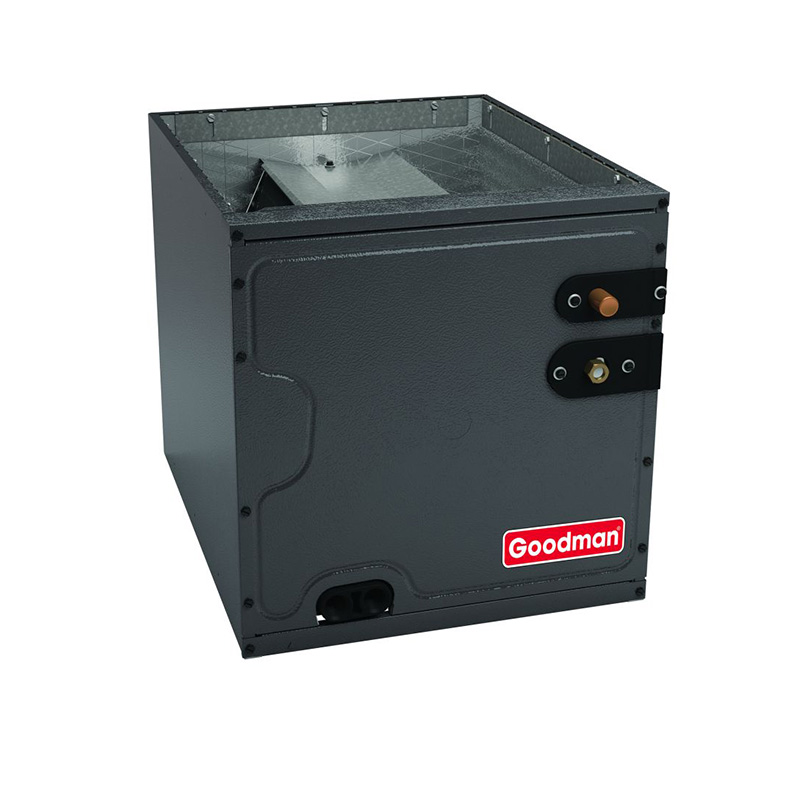
The Goodman 3-ton, 13.8 SEER2 / 96% AFUE downflow system pairs a mid-efficiency central air conditioner with a high-efficiency gas furnace in a single matched package, sized for homes roughly in the 1,400 to 2,000 square foot range depending on climate, insulation, and layout. The downflow configuration means the furnace discharges conditioned air downward into the ductwork below, which is standard for installations where the air handler sits in an upper-level closet or on a platform above the living space. R-32 refrigerant carries a lower global-warming potential than the older R-410A it replaces, and it is gradually becoming the industry default as regulations tighten.
On the cooling side, 13.8 SEER2 sits right at the federal minimum efficiency threshold for most U.S. regions, meaning it meets the bar but does not exceed it. Expect modest, not impressive, energy savings compared with units rated 16 SEER2 and above. The furnace side is a different story: 96% AFUE is genuinely high efficiency, with a multi-speed ECM blower motor that modulates airflow for quieter operation and more even temperature distribution than a single-speed unit. The 100,000 BTU input is appropriate for larger or colder-climate homes, though proper Manual J load calculation is essential before sizing this or any system.
This system suits budget-conscious homeowners who want a strong furnace without paying premium brand prices, and who understand that the AC side of the package is entry-level rather than high-performance. It is also a reasonable fit for rental properties or situations where the priority is getting reliable heat at a lower upfront cost, with the expectation that some maintenance expenses will likely arise before the ten-year mark.
This Goodman package delivers genuinely efficient heating at a value price point, but the cooling side is entry-level and the brand's track record past year seven introduces real maintenance risk. It is a reasonable choice for buyers who are cost-constrained upfront and are comfortable budgeting for potential repairs down the line, but it is not the system for someone expecting fifteen-plus years of low-touch ownership.
Overall score is the average of the five ratings above.
What we like
- 96% AFUE furnace rating is high efficiency by any standard, not just by budget-brand standards
- ECM multi-speed blower improves comfort and humidity control versus single-speed motors
- R-32 refrigerant positions the system well for evolving environmental regulations
- Priced roughly 15 to 25 percent below comparable Carrier, Trane, and Lennox configurations
- Matched factory system simplifies warranty claims versus mixing brands
Trade-offs
- 13.8 SEER2 on the cooling side is at the regulatory floor, with no headroom for energy savings beyond the minimum
- Dual-run capacitors are the most frequently reported failure point and often need replacement within the first ten years
- Compressor lifespan averages 10 to 14 years versus 15 to 20 years for premium brands, affecting long-term cost of ownership
- A minority of owners have reported evaporator coil leaks and first-year refrigerant loss, issues that are closely tied to install quality
What homeowners and pros say about Goodman
Homeowners who have lived with Goodman equipment long enough to form a real opinion tend to split along a clear line. Those who had their system installed by an experienced, careful contractor often report years of trouble-free operation and credit the brand’s pricing for making a high-efficiency furnace accessible. Those who ran into problems more frequently point to repair bills arriving earlier than expected, with dual-run capacitor replacements and evaporator coil issues being the most commonly named culprits in owner feedback. On ConsumerAffairs, Goodman scores around 2.5 out of 5, where the complaints concentrate on costs that accumulate after roughly year seven. Across Google dealer reviews, the picture is less grim, averaging near 3.8 out of 5, with the word most often attached to the brand being affordable.
HVAC technicians who work on Goodman equipment regularly describe it as serviceable hardware that rewards a thorough install and punishes a rushed one more than premium brands do. The specific failure modes they cite most often for this class of Goodman system are dual-run capacitor failures, typically a low-cost repair in the 300 to 600 dollar range, evaporator coil leaks that show up in a meaningful share of owner reports, and compressor lifespans that tend to average 10 to 14 years rather than the 15 to 20 years more common among Trane, Carrier, and Lennox compressors. A smaller group of owners has reported refrigerant loss in the first year, which technicians generally attribute to an install or charge error rather than a factory defect. The consensus among pros is that this system can perform well for its price class, but the installer you choose carries more weight than it would with a premium brand.
Sources: ConsumerAffairs Goodman owner reviews, AHRI Directory of Certified Product Performance, U.S. DOE appliance and equipment efficiency standards, Goodman product specification sheets.
What it costs to run
At 13.8 SEER2, cooling this 3-ton system for a typical 1200-hour cooling season at the U.S. average electricity rate of $0.17/kWh works out to roughly $532 per year in cooling, about $16 less per year than a minimum-efficiency 13.4 SEER2 unit of the same size. Your real cost depends on your climate and local rate.
Method: (36,000 BTU/hr ÷ 13.8 SEER2) × 1200 hours ÷ 1000 × $0.17/kWh. Rate source: U.S. EIA average; cooling hours: moderate-climate estimate.
How it compares
| Brand | Comparable model | SEER2 | Stage | Price position |
|---|---|---|---|---|
| Goodman | 3-Ton 13.8 SEER2 / 96% AFUE Downflow Multi-Speed ECM Package | 13.8 | Multi-speed | Value pick |
| Carrier | Comfort 13 (24ACC3) with 58MCA gas furnace | 13.8 | Single-stage | Typically 15 to 25 percent more than Goodman |
| Trane | XR13c with S9X2 gas furnace | 13.8 | Single-stage | Typically 15 to 25 percent more than Goodman |
| Lennox | Merit 13ACX with ML96E gas furnace | 13.8 | Single-stage | Typically 15 to 25 percent more than Goodman |
Competitor rows are comparable single-stage units at similar efficiency; price is relative position, not a quote.
Questions about this system
Is 13.8 SEER2 going to noticeably increase my electricity bill compared with a higher-rated unit?
Compared with a 16 or 18 SEER2 system, yes, you will pay more per cooling hour. The gap is real but may be modest depending on your climate and how many cooling hours you log annually. In a hot, humid region where the AC runs heavily from May through September, upgrading to a higher SEER2 unit often pays back the price difference within five to eight years.
Why does this system use a downflow configuration and how do I know if my home is set up for it?
Downflow means the furnace pulls return air in at the top and discharges heated or cooled air downward into ducts below the unit. It is common when the air handler is installed in a closet on an upper floor or on a raised platform. Your installer or the existing duct layout will confirm whether downflow is the right orientation for your home.
What is the warranty on this Goodman system and what do I need to do to keep it valid?
Goodman typically offers a 10-year parts warranty on registered equipment, with a lifetime heat exchanger warranty on the furnace for the original registered owner. Registration must be completed within a set window after installation, and some warranty terms require professional installation by a licensed contractor. Review the documentation that ships with the unit to confirm current terms.
Goodman's reviews online look mixed. Are the negative reviews mostly about bad installs or the equipment itself?
Both factors appear in owner feedback. Goodman carries a ConsumerAffairs score of around 2.5 out of 5, where recurring complaints focus on repair costs climbing after roughly year seven. Google dealer reviews average near 3.8 out of 5, where affordability is the most common praise. The brand's documented weak points, dual-run capacitor failures, evaporator coil leaks, and shorter-than-premium compressor lifespans, are real equipment-level concerns, not solely install issues, though a poor install can accelerate all of them.
Is R-32 refrigerant going to be hard to service in a few years, and is it safe?
R-32 is already widely used in other markets and is being adopted broadly across the U.S. HVAC industry, so supply and technician familiarity are expected to grow, not shrink. It is mildly flammable, classified A2L, which means certified technicians follow specific handling procedures, but it is not considered a significant safety concern in normal residential use.
Specifications
| Cooling capacity | 3 Ton |
| Efficiency | 13.8 SEER2 |
| Furnace output | 100000 BTU |
| Furnace efficiency | 96% AFUE |
| Configuration | Downflow |
| Refrigerant | R-32 |