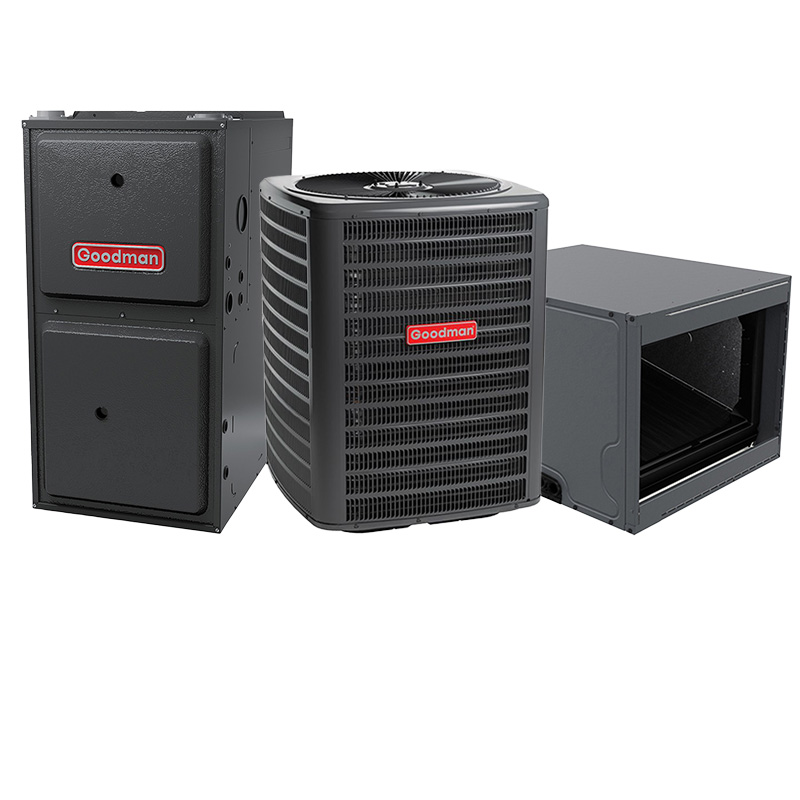
Goodman 3 Ton 13.8 SEER2 100000 BTU 96% AFUE Two Stage Multi-Speed ECM Gas Furnace System – Horizontal | R32
View on AC Direct see your lowest price →Check current price on AC Direct →
Key features
- 3-ton cooling capacity with 13.8 SEER2 efficiency rating
- 100,000 BTU two-stage gas furnace at 96% AFUE
- Horizontal factory configuration for attic or crawl space installs
- Multi-speed ECM blower motor for variable airflow and lower operating cost
- R-32 refrigerant with lower global warming potential than R-410A
- Two-stage heating reduces short cycling and improves temperature consistency
About this system
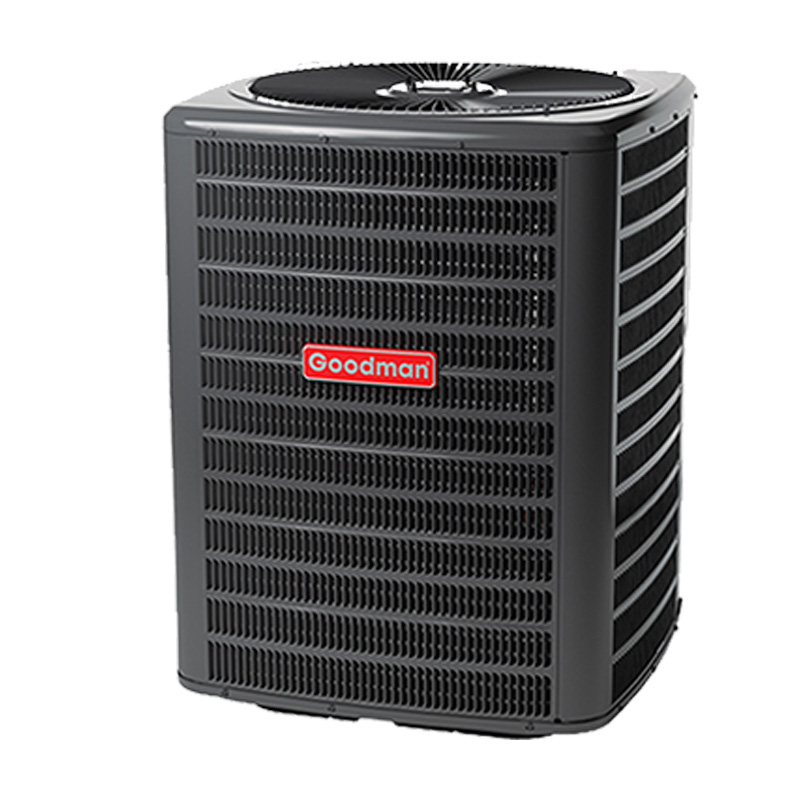
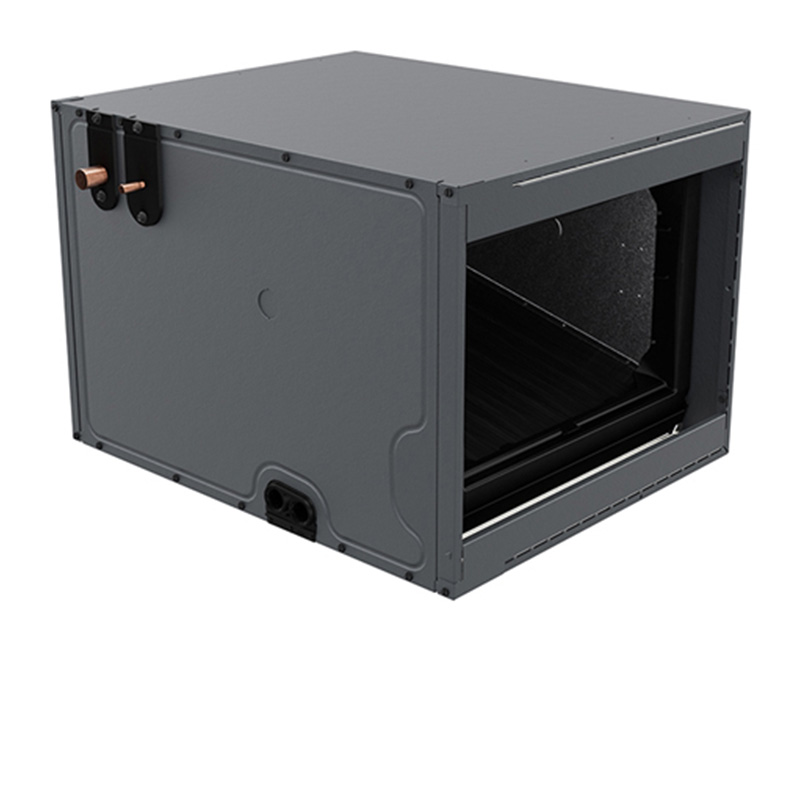
This Goodman 3-ton horizontal split system pairs a 13.8 SEER2 air conditioner with a 100,000 BTU, 96% AFUE two-stage gas furnace, making it a capable choice for homes in the 1,500 to 2,200 square foot range that need both cooling and heating from a single packaged solution. The horizontal configuration is specifically designed for attic or crawl space installations where vertical clearance is limited, so if your air handler has to lie on its side, this system is built for that from the factory rather than adapted to it. R-32 refrigerant is the forward-looking choice here: it has a lower global warming potential than the R-410A it replaces and is now the industry standard direction, meaning parts and refrigerant will remain readily available for the foreseeable future.
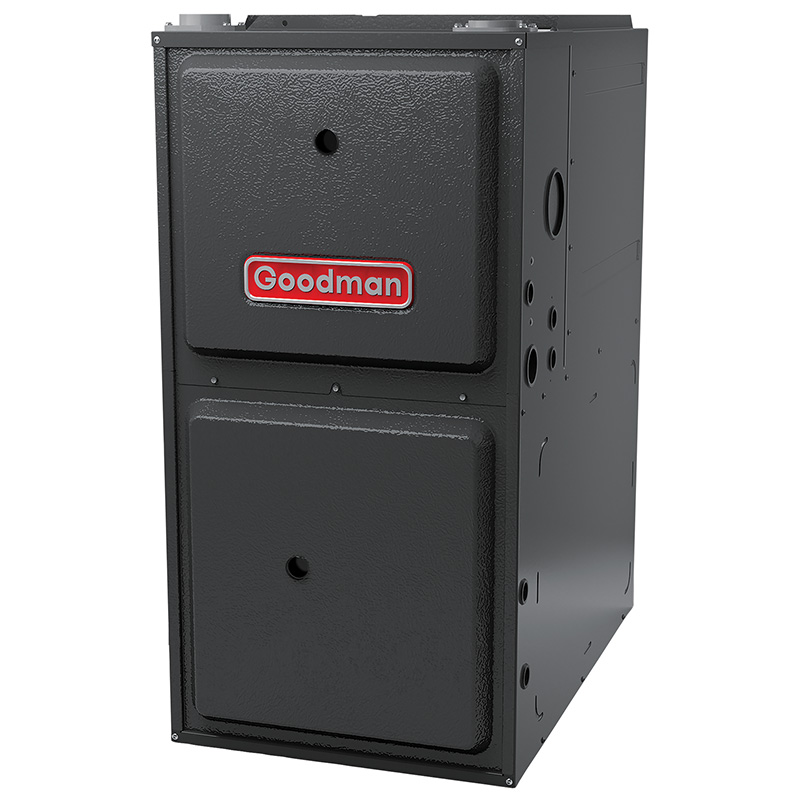
The two-stage furnace and multi-speed ECM blower motor are the real workhorses of this package. Two-stage heating means the furnace runs at a lower fire rate on mild days, cycling less often and delivering more even temperatures throughout the house rather than blasting heat and shutting off. The ECM motor adjusts airflow continuously, which reduces electricity consumption compared to a standard PSC motor and supports better humidity control during cooling season. Together, these features push comfort noticeably above what a single-stage, fixed-speed system would provide at this price point, even if the 13.8 SEER2 efficiency rating sits at the lower end of what qualifies as mid-efficiency in today’s market.
This system delivers genuine comfort upgrades over entry-level equipment at a price point well below comparable Trane, Carrier, or Lennox configurations. The two-stage furnace and ECM blower are real, meaningful features, not just marketing language. The honest trade-off is that Goodman's long-term reliability record and compressor longevity trail premium brands, so installation quality and a solid service relationship matter more here than they would with a higher-tier unit.
Overall score is the average of the five ratings above.
What we like
- Priced 15 to 25 percent below comparable Carrier, Trane, and Lennox systems
- Two-stage furnace reduces short cycling and improves room-to-room temperature consistency
- 96% AFUE is a strong efficiency rating that meaningfully cuts heating fuel costs
- ECM blower motor lowers electricity consumption versus standard PSC motors
- R-32 refrigerant is the current industry direction, supporting long-term parts availability
Trade-offs
- 13.8 SEER2 is near the lower end of mid-efficiency; higher SEER2 options exist at moderate cost increases
- Compressor lifespan averages 10 to 14 years versus 15 to 20 for premium-brand compressors
- Evaporator coil leaks and dual-run capacitor failures are the most frequently reported owner complaints
- Horizontal-only configuration limits installation flexibility if your setup changes in the future
What homeowners and pros say about Goodman
Homeowners who have owned Goodman equipment show up in two very different places online. On Google dealer reviews, where Goodman-installed systems average around 3.8 out of 5 across hundreds of reviews per location, the most repeated praise is straightforward: the system works and the price was fair. On ConsumerAffairs, where the audience skews heavily toward people who had a problem, the score drops to roughly 2.5 out of 5, and the recurring frustration is repair costs that start climbing after about year seven. Neither picture is the whole story, but together they sketch a brand that delivers solid value when the install goes well and when the owner has a reliable service relationship, and that can feel like a money pit when those conditions are not met.
HVAC technicians who work on Goodman equipment regularly tend to have a practical view of it. They will tell you that dual-run capacitors are the single most common service call on these units, a relatively minor fix in the 300 to 600 dollar range that can turn serious if it goes unnoticed and strains the compressor. Evaporator coil leaks also show up with enough frequency in owner feedback to be worth knowing about going in. The compressor picture is more significant over the long run: Goodman compressors tend to average 10 to 14 years in the field, compared to 15 to 20 for premium brands, which matters more the longer you plan to stay in the home. A minority of owners have also reported refrigerant leaks in the first year, typically traced to an installation or initial charge issue rather than the equipment itself, which underscores how much install quality shapes the outcome with this brand.
Sources: ConsumerAffairs Goodman owner reviews, AHRI Directory of Certified Product Performance, U.S. DOE appliance and equipment efficiency standards, Goodman product specification sheets.
What it costs to run
At 13.8 SEER2, cooling this 3-ton system for a typical 1200-hour cooling season at the U.S. average electricity rate of $0.17/kWh works out to roughly $532 per year in cooling, about $16 less per year than a minimum-efficiency 13.4 SEER2 unit of the same size. Your real cost depends on your climate and local rate.
Method: (36,000 BTU/hr ÷ 13.8 SEER2) × 1200 hours ÷ 1000 × $0.17/kWh. Rate source: U.S. EIA average; cooling hours: moderate-climate estimate.
How it compares
| Brand | Comparable model | SEER2 | Stage | Price position |
|---|---|---|---|---|
| Goodman | 3-Ton 13.8 SEER2 / 96% AFUE Two-Stage Horizontal System | 13.8 | Two-stage | Value pick |
| Carrier | Performance 14 Series (24ACC6) with 96% AFUE 59TP6 Furnace | 14.3 | Two-stage | Moderately higher than this system |
| Trane | XR14 (4TTR4) with S9V2 96% AFUE Two-Stage Furnace | 14.0 | Two-stage | Moderately to significantly higher than this system |
| Lennox | Merit ML14XC1 with SL280V Two-Stage Furnace | 14.0 | Two-stage | Significantly higher than this system |
Competitor rows are comparable single-stage units at similar efficiency; price is relative position, not a quote.
Questions about this system
Why is this system horizontal-only, and can it be converted to vertical?
Horizontal units are factory-built with internal components oriented for side-by-side airflow, which is required for attic and crawl space installs where the unit lies flat. Converting a horizontal-only unit to vertical orientation is not supported and voids the warranty, so you should confirm your installation space before purchasing.
What does the two-stage furnace actually mean for my heating bills?
A two-stage furnace fires at a lower capacity, typically around 65 percent, on milder days and only steps up to full 100,000 BTU output when outdoor temperatures demand it. This reduces the number of hard on-off cycles, which is where the most fuel is wasted, and most homeowners in moderate climates find the furnace runs in low stage the majority of the heating season.
Is R-32 refrigerant hard to find or work with if my system needs service?
R-32 is increasingly common as the industry moves away from R-410A, and most HVAC service companies are already stocking and certified to handle it. It does require slightly different handling procedures than R-410A due to its mild flammability classification, so confirm your service technician has R-32 certification before scheduling work.
What are the most likely repair costs I should budget for over the first ten years?
Dual-run capacitor failures are the most commonly reported issue with Goodman equipment and typically run 300 to 600 dollars including labor, usually showing up after several years of use. Evaporator coil leaks are the second most cited complaint and are more expensive to address. Setting aside a small annual service budget and getting a preventive maintenance contract helps catch capacitor wear before it causes a compressor-damaging failure.
Does Goodman's warranty require professional installation, and what does it actually cover?
Yes, Goodman requires installation by a licensed HVAC contractor to register the full parts warranty, and the system must be registered within a set window after installation to receive the longest coverage term. The warranty covers parts but not labor, which is a meaningful distinction since labor often represents the larger share of a repair bill, so budgeting for a service agreement is worth considering.
Specifications
| Cooling capacity | 3 Ton |
| Efficiency | 13.8 SEER2 |
| Furnace output | 100000 BTU |
| Furnace efficiency | 96% AFUE |
| Configuration | Horizontal |
| Refrigerant | R-32 |