Goodman 3 Ton 13.8 SEER2 60000 BTU 96% AFUE Multi-Speed ECM Gas Furnace System – Horizontal | R32
View on AC Direct see your lowest price →Check current price on AC Direct →
Key features
- 96% AFUE high-efficiency gas furnace reduces heat waste to roughly 4 cents on the dollar
- Multi-speed ECM blower motor cuts fan electricity use versus single-speed PSC motors
- Horizontal configuration designed for attic and crawlspace installs where vertical units will not fit
- R-32 refrigerant with lower global warming potential than outgoing R-410A
- 13.8 SEER2 cooling efficiency meets current federal minimum standards for most U.S. regions
- 3-ton / 60,000 BTU capacity suited to homes in the 1,400 to 1,900 square foot range depending on climate and insulation
About this system
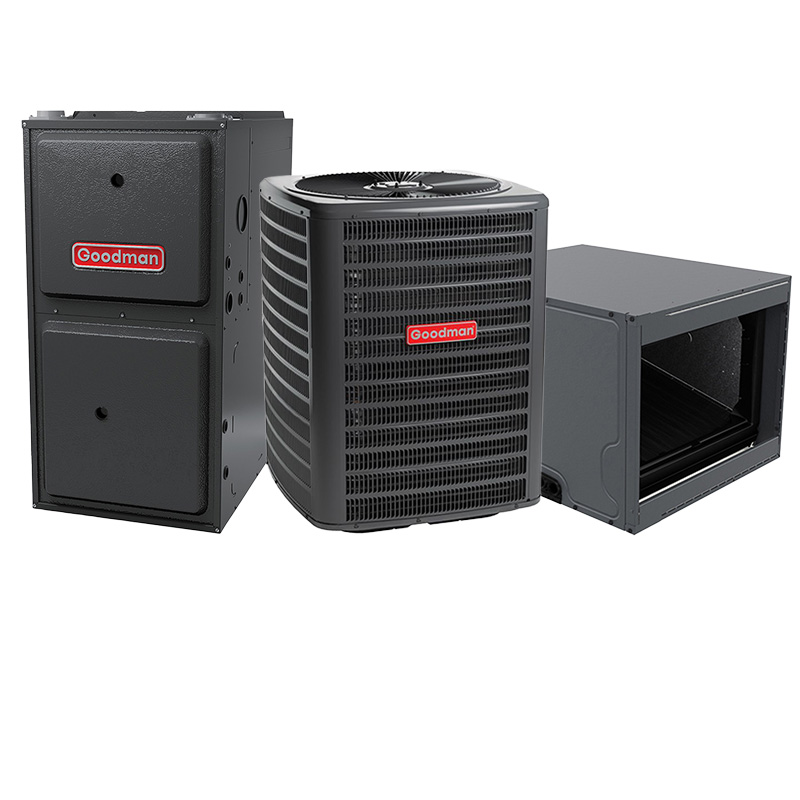
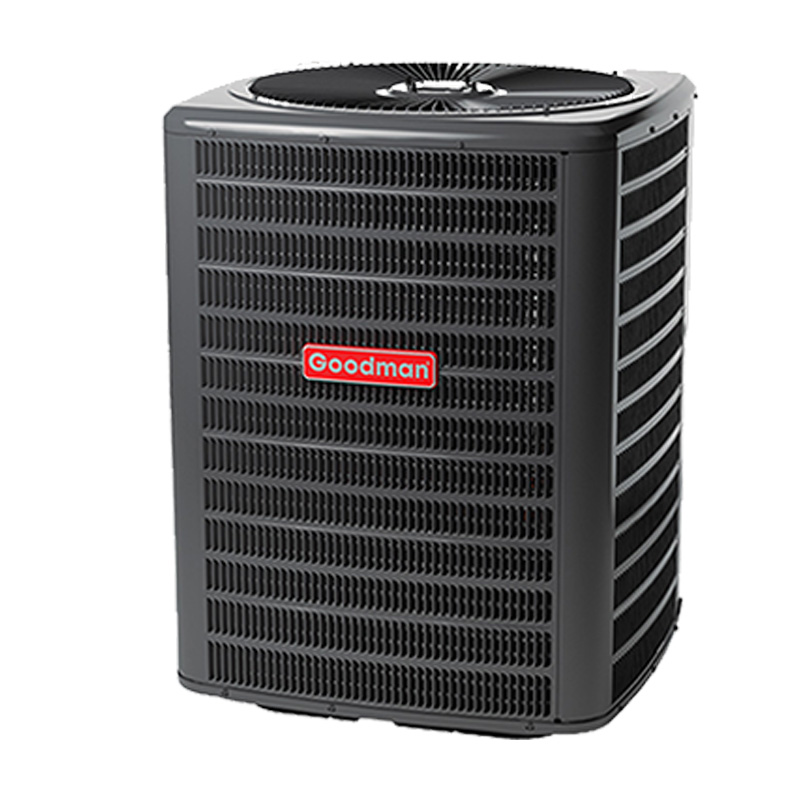
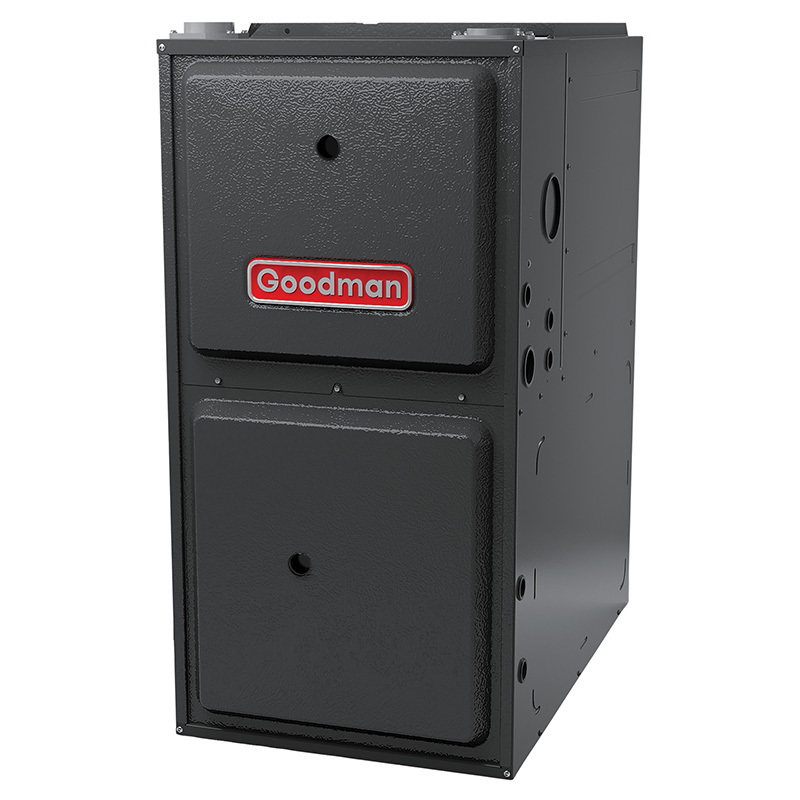
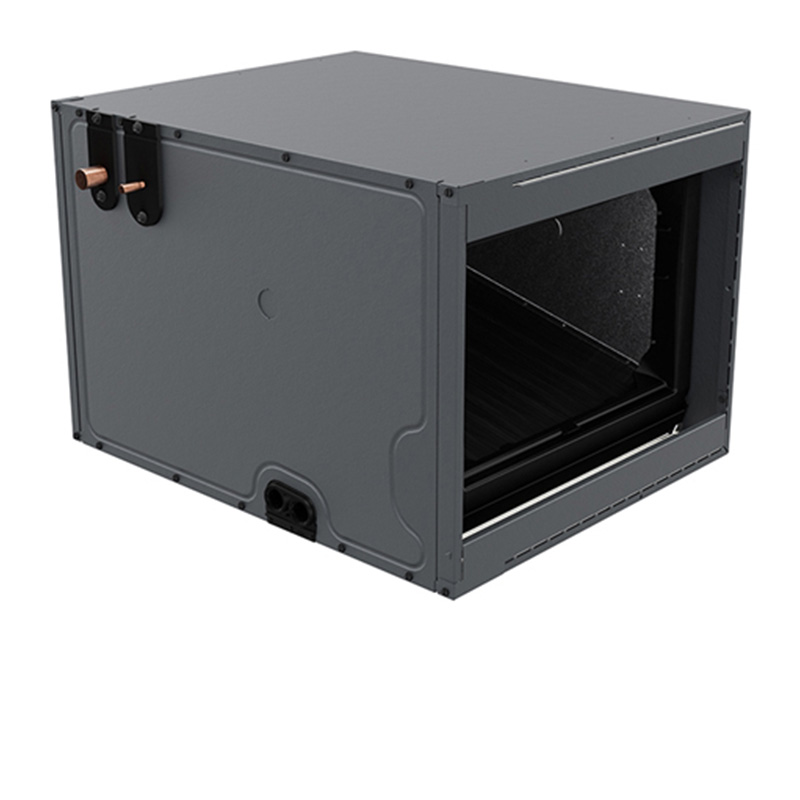
This Goodman 3-ton, 13.8 SEER2 horizontal system pairs a 60,000 BTU, 96% AFUE multi-speed ECM gas furnace with a matching outdoor condensing unit running R-32 refrigerant. The horizontal configuration makes it the right call for attic and crawlspace installations where vertical airflow simply is not practical. At 96% AFUE, nearly all the gas combustion translates into usable heat, which is a meaningful efficiency step above the 80% baseline and lands this unit in the high-efficiency category for furnaces. The multi-speed ECM blower motor ramps airflow up and down based on demand rather than running flat-out every cycle, which trims blower electricity consumption and helps maintain more even temperatures throughout the home.
R-32 refrigerant is the current-generation replacement for R-410A, carrying a lower global warming potential and slightly better thermodynamic properties. The 13.8 SEER2 rating meets federal minimum efficiency standards for most U.S. climate regions and represents a workable but not exceptional cooling efficiency. Homeowners in mild climates or those prioritizing upfront cost over long-run utility savings will find this tier reasonable. Those in hot, humid climates running the AC five or six months a year may find the economics favor stepping up to a higher SEER2 unit, but for moderate-use regions this system hits a sensible balance between purchase price and operating cost.
This Goodman combo system offers a competitive entry price and genuinely capable specs for a budget-tier install, particularly the 96% AFUE furnace and ECM blower. The trade-off is Goodman's documented track record of capacitor failures, evaporator coil leak reports, and compressor longevity that typically falls short of premium brands, so total cost of ownership depends heavily on how well the system is installed and maintained.
Overall score is the average of the five ratings above.
What we like
- Priced roughly 15 to 25 percent below comparable Carrier, Trane, and Lennox systems at similar specs
- 96% AFUE furnace is a genuine high-efficiency rating that meaningfully reduces annual gas bills
- ECM multi-speed blower improves comfort and lowers fan operating costs versus single-speed alternatives
- Horizontal configuration addresses a real installation constraint that most standard systems cannot solve
- R-32 refrigerant is current-generation, avoiding the phase-out and supply concerns tied to R-410A
Trade-offs
- Dual-run capacitors are the most commonly reported failure on Goodman outdoor units, typically requiring a 300 to 600 dollar service call
- Evaporator coil leaks appear in a notable share of owner reviews, a more expensive repair than capacitor replacement
- Compressor lifespan averages 10 to 14 years in real-world reports, versus 15 to 20 years for premium-brand compressors
- A minority of first-year owners have reported refrigerant leaks, usually traced to install or initial charge problems rather than equipment defects, but still a startup risk
What homeowners and pros say about Goodman
Homeowners who post about Goodman equipment tend to fall into two camps. On ConsumerAffairs, where the platform attracts people who are already frustrated, Goodman earns around 2.5 out of 5, with the most repeated complaint being repair bills that start accumulating after year seven or eight. Capacitor replacements are the most frequently mentioned service call, and they come up often enough that many technicians pre-emptively stock them when visiting Goodman systems. Evaporator coil leaks and refrigerant issues appear less often but are more expensive when they do surface. On Google dealer review pages, the tone shifts considerably, where Goodman equipment averages roughly 3.8 out of 5 and affordability is the most common reason owners say they are satisfied with their purchase decision.
HVAC professionals who work on Goodman equipment regularly tend to give it a pragmatic endorsement: it is a functional system at an accessible price, and it can deliver a reasonable service life when installed carefully by a technician who verifies refrigerant charge, checks electrical connections, and does not cut corners on startup procedures. The documented compressor lifespan of 10 to 14 years, compared to 15 to 20 years reported for premium brands, is the most honest long-view concern technicians raise. For this horizontal system specifically, pros note that attic installs add a maintenance accessibility challenge, so the annual service appointment that helps catch early capacitor or coil issues becomes even more important than it would be for a ground-level unit.
Sources: ConsumerAffairs Goodman owner reviews, AHRI Directory of Certified Product Performance, U.S. DOE appliance and equipment efficiency standards, Goodman product specification sheets.
What it costs to run
At 13.8 SEER2, cooling this 3-ton system for a typical 1200-hour cooling season at the U.S. average electricity rate of $0.17/kWh works out to roughly $532 per year in cooling, about $16 less per year than a minimum-efficiency 13.4 SEER2 unit of the same size. Your real cost depends on your climate and local rate.
Method: (36,000 BTU/hr ÷ 13.8 SEER2) × 1200 hours ÷ 1000 × $0.17/kWh. Rate source: U.S. EIA average; cooling hours: moderate-climate estimate.
How it compares
| Brand | Comparable model | SEER2 | Stage | Price position |
|---|---|---|---|---|
| Goodman | GSZH503610 + GMVM960603BN (Horizontal) | 13.8 | Multi-speed | Value pick |
| Carrier | Comfort Series 24ACC636 + 58CV | 14.0 | Single-stage | Typically 15 to 25 percent more than Goodman |
| Trane | XR14c + S9V2 | 14.0 | Single-stage | Typically 15 to 25 percent more than Goodman |
| Lennox | Merit Series ML14XC1 + ML196V | 14.0 | Single-stage | Typically 15 to 25 percent more than Goodman |
Competitor rows are comparable single-stage units at similar efficiency; price is relative position, not a quote.
Questions about this system
Why does this system use horizontal orientation and can it be installed vertically instead?
Horizontal orientation means the air handler section is laid on its side, which is specifically engineered for attic rafters and low-clearance crawlspaces. Using a horizontal unit in a vertical application is not recommended and typically not supported by the manufacturer; if you have a closet or basement install, you would need a vertical upflow or downflow configuration instead.
What does R-32 refrigerant mean for me as a homeowner, and will my existing line set work?
R-32 is the replacement refrigerant for R-410A with a lower global warming potential and slightly better efficiency characteristics. Existing R-410A copper line sets can often be reused if they are clean and the right diameter, but your installer must verify this before commissioning; do not assume compatibility without a professional assessment.
What is the most likely repair I should budget for in the first ten years?
Based on documented owner reports, the dual-run capacitor on the outdoor unit is the most common failure point for Goodman systems and typically costs 300 to 600 dollars to replace including a service call. Evaporator coil leaks are a more costly but less universal concern that also appear in owner reviews. Keeping a service contract or annual maintenance agreement reduces the chance of catching these failures late.
How important is installer quality for this specific system?
Very important. HVAC technicians consistently point to install quality as the single biggest factor in Goodman system longevity. First-year refrigerant leaks, for example, are usually traced to improper charge or connection work rather than factory defects. Choosing a licensed, experienced installer who pressure-tests the system and verifies the refrigerant charge is not optional if you want this unit to reach its rated service life.
Is 13.8 SEER2 efficient enough, or should I step up to a higher-efficiency model?
13.8 SEER2 meets current federal minimums and is a reasonable choice for homeowners in moderate climates or those who run the air conditioning fewer than four months a year. In hot climates with long cooling seasons, the annual utility savings from a 16 or 18 SEER2 unit can offset a higher purchase price over five to eight years, so it is worth running the numbers for your specific location and usage pattern before committing.
Specifications
| Cooling capacity | 3 Ton |
| Efficiency | 13.8 SEER2 |
| Furnace output | 60000 BTU |
| Furnace efficiency | 96% AFUE |
| Configuration | Horizontal |
| Refrigerant | R-32 |