Goodman 3 Ton 13.8 SEER2 80000 BTU 96% AFUE Multi-Speed ECM Gas Furnace System – Horizontal | R32
View on AC Direct see your lowest price →Check current price on AC Direct →
Key features
- 3-ton cooling capacity suits homes roughly 1,400 to 2,000 sq ft depending on climate and load calculation
- 96% AFUE furnace sends only about 4% of combustion energy out the flue
- Multi-speed ECM blower motor improves humidity control and reduces blower electricity draw vs. PSC motors
- Horizontal discharge configuration designed for attic, crawl space, or side-install applications
- R-32 refrigerant charge with lower global warming potential than outgoing R-410A
- 13.8 SEER2 cooling efficiency meets 2023 federal minimum standards in most U.S. regions
About this system
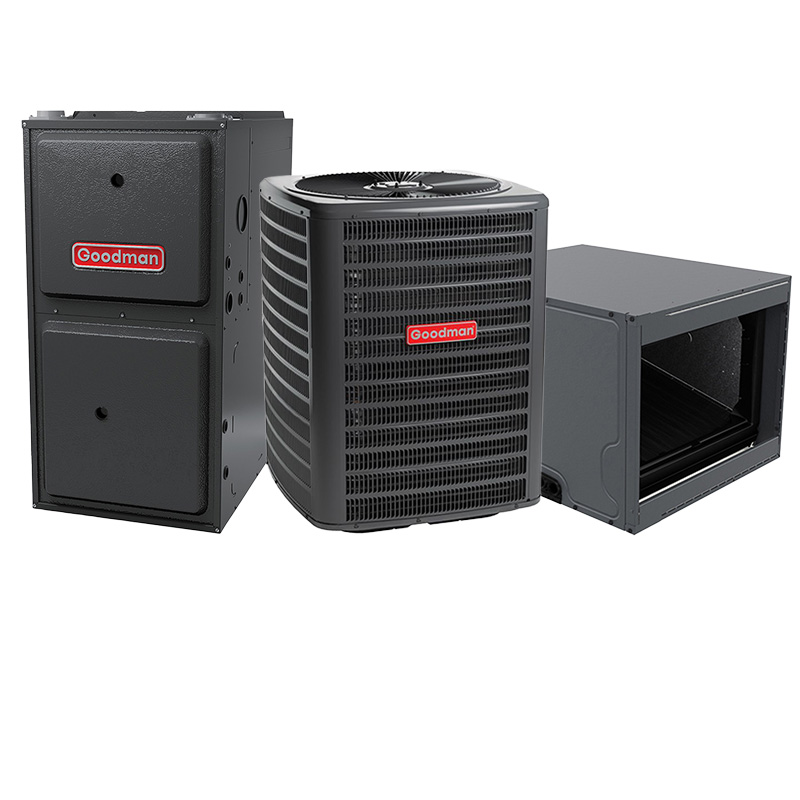
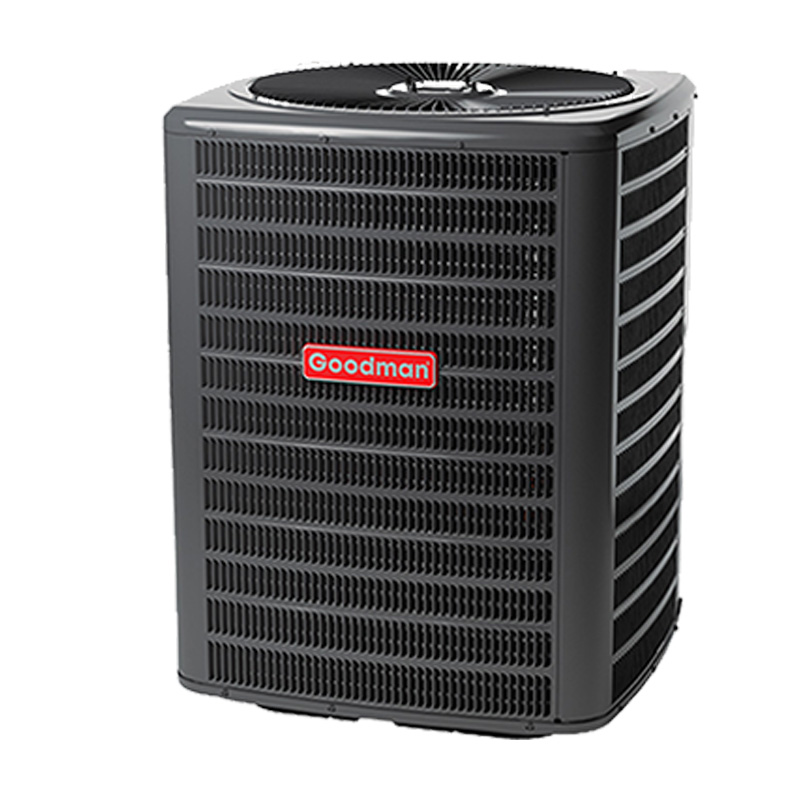
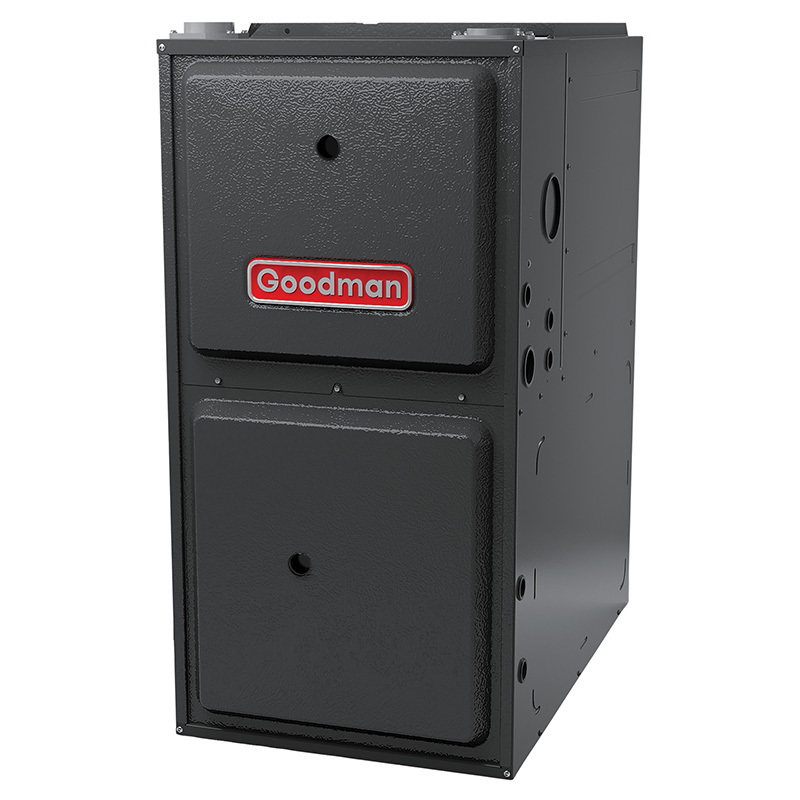
This Goodman 3-ton system pairs a 13.8 SEER2 cooling unit with an 80,000 BTU, 96% AFUE multi-speed ECM gas furnace sized for homes roughly in the 1,400 to 2,000 square foot range, depending on climate zone and insulation. The 96% AFUE rating means only about 4 cents of every heating dollar goes up the flue, putting it in the upper tier of gas furnace efficiency without crossing into the condensing-unit complexity of some 98% AFUE models. The multi-speed ECM blower motor runs at variable speeds to match demand more closely than a single-speed unit, which helps with humidity control and can shave modest amounts off electricity bills compared to a PSC motor.
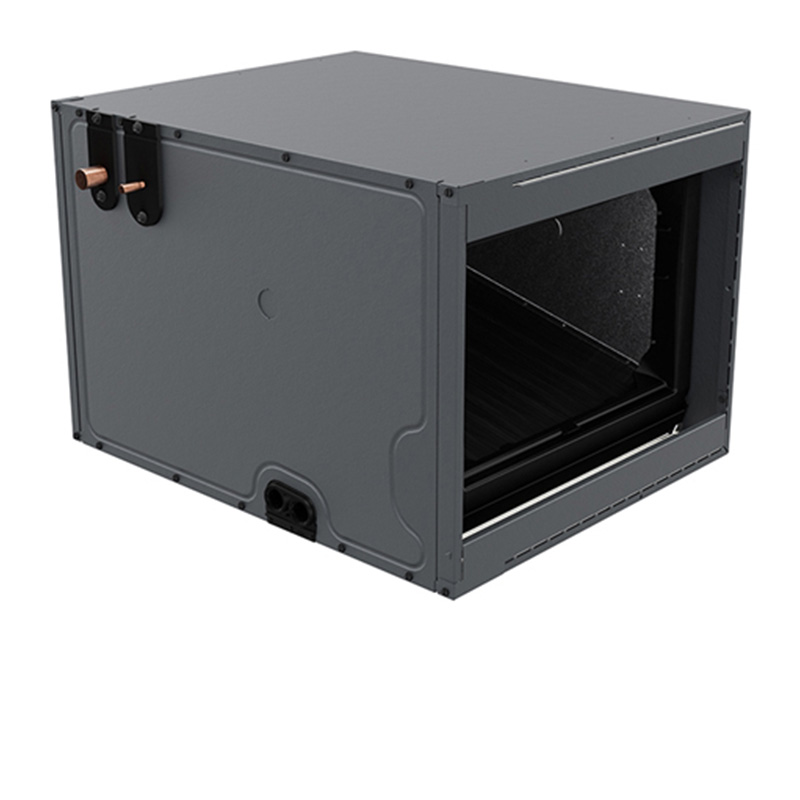
The horizontal configuration is the key distinguishing factor here. Most residential systems install in an upflow or downflow orientation, so horizontal is specifically for attics, crawl spaces, or side-discharge applications where vertical clearance is limited. If your installation point fits that description, this configuration solves a real problem. If it does not, you are paying for a configuration you do not need and potentially complicating service access. R-32 refrigerant replaces the older R-410A that most existing residential systems use; it has a lower global warming potential and is becoming more common in new installs, though it does require technicians to confirm their certifications cover R-32 handling before starting work.
This system delivers solid furnace efficiency at a price point that beats comparable Carrier, Trane, and Lennox equipment by 15 to 25 percent, making it a reasonable choice for budget-conscious homeowners in the right install situation. The horizontal-only configuration narrows its appeal to specific job sites, and Goodman's real-world reliability record shows documented weak points, particularly around capacitors and evaporator coil longevity, that buyers should weigh against the upfront savings. Install quality matters more with this brand than with premium alternatives, so the choice of contractor is not secondary.
Overall score is the average of the five ratings above.
What we like
- 96% AFUE furnace efficiency is genuinely high-tier for a value-priced system
- ECM multi-speed blower improves comfort and humidity management over basic single-speed units
- R-32 refrigerant is forward-compatible with tightening refrigerant regulations
- Priced 15 to 25 percent below comparable Trane, Lennox, and Carrier systems
- Horizontal configuration fills a real installation gap where vertical units cannot fit
Trade-offs
- Dual-run capacitors are the most frequently reported failure, typically adding $300 to $600 in service costs around or after year 7
- Evaporator coil leaks appear in a meaningful share of owner reviews and can be costly to address
- Compressor lifespan averages 10 to 14 years versus 15 to 20 years for premium-brand compressors
- A minority of owners report refrigerant leaks within the first year, most often tied to install or initial charge quality
What homeowners and pros say about Goodman
Homeowners who share feedback on Goodman systems tend to split along a familiar line: those who had a careful, experienced installer and a service contract are mostly satisfied, while those who went with the lowest-bid contractor report frustration when repairs add up after the sixth or seventh year. Goodman’s ConsumerAffairs score of around 2.5 out of 5 reflects a complaint-heavy audience, but the recurring pattern in those complaints, climbing repair costs after year 7, is consistent enough to take seriously. The Google dealer review average of roughly 3.8 out of 5 is more balanced and aligns with the brand’s real position: a capable value product when conditions favor it.
Among HVAC technicians, Goodman carries a reputation as a serviceable but parts-prone brand. The dual-run capacitor is the most commonly cited failure point, typically a straightforward fix in the $300 to $600 range but one that recurs often enough to be a known line item on service schedules. Evaporator coil leaks are the more serious concern, showing up frequently enough in owner accounts to suggest this is not a rare edge case. Compressor longevity averaging 10 to 14 years, compared to the 15 to 20 years technicians associate with Trane and Carrier compressors, is the clearest long-term trade-off against the upfront savings. For this horizontal R-32 system specifically, pros also flag that R-32 certification and proper horizontal drain pan orientation require extra attention at install, making contractor selection even more consequential than usual for a Goodman job.
Sources: ConsumerAffairs Goodman owner reviews, AHRI Directory of Certified Product Performance, U.S. DOE appliance and equipment efficiency standards, Goodman product specification sheets.
What it costs to run
At 13.8 SEER2, cooling this 3-ton system for a typical 1200-hour cooling season at the U.S. average electricity rate of $0.17/kWh works out to roughly $532 per year in cooling, about $16 less per year than a minimum-efficiency 13.4 SEER2 unit of the same size. Your real cost depends on your climate and local rate.
Method: (36,000 BTU/hr ÷ 13.8 SEER2) × 1200 hours ÷ 1000 × $0.17/kWh. Rate source: U.S. EIA average; cooling hours: moderate-climate estimate.
How it compares
| Brand | Comparable model | SEER2 | Stage | Price position |
|---|---|---|---|---|
| Goodman | This system (13.8 SEER2 / 96% AFUE Horizontal, R-32) | 13.8 | Multi-speed | Value pick |
| Carrier | Comfort Series (24ACC / 59SC80 pairing) | 14.0 | Single-stage | Typically 15 to 25 percent more than this Goodman system |
| Trane | XR14 / S8X1 series pairing | 14.0 | Single-stage | Typically 15 to 25 percent more than this Goodman system |
| Lennox | Merit ML14 / ML196 series pairing | 14.3 | Single-stage | Typically 15 to 25 percent more than this Goodman system |
Competitor rows are comparable single-stage units at similar efficiency; price is relative position, not a quote.
Questions about this system
Why does this system only come in horizontal configuration, and how do I know if my installation qualifies?
Horizontal units are built to lie on their side and discharge air through the side of the cabinet rather than top or bottom, which is required in low-clearance attics, certain crawl spaces, and some closet installs. Your installer should confirm the specific unit orientation, drain pan position, and service-access clearance before ordering, because retrofitting the wrong configuration is expensive.
What does switching from R-410A to R-32 mean for service and maintenance costs?
R-32 requires technicians to hold current certification for its handling, as it is mildly flammable (A2L classification). Most licensed HVAC contractors in 2024 and beyond are certified for it, but you should confirm before scheduling service. Refrigerant cost differences are minor for the homeowner; the bigger consideration is making sure any technician who services this system is qualified.
Goodman gets mixed reviews online. How worried should I be about long-term reliability?
Goodman's ConsumerAffairs rating sits around 2.5 out of 5, though that channel skews toward complaints. Google dealer reviews average closer to 3.8 out of 5, with affordability as the most common praise. The documented weak points are real: dual-run capacitors are the most common service call (usually a $300 to $600 fix), evaporator coil leaks show up in a notable share of owner reports, and compressors average 10 to 14 years rather than the 15 to 20 years seen in premium brands. A service contract and a skilled installer reduce, but do not eliminate, these risks.
The 13.8 SEER2 rating sounds modest. Is this system efficient enough to avoid high summer electricity bills?
13.8 SEER2 meets the 2023 federal minimum efficiency standard for most U.S. regions, so it is compliant but not high-efficiency on the cooling side. Homeowners in climates with long, hot summers may see a meaningful difference in monthly bills by stepping up to a 16 or 17 SEER2 system, while those in moderate climates will see less payback from the higher upfront cost of a more efficient unit.
What warranty comes with this Goodman system, and are there conditions I should know about?
Goodman typically offers a 10-year parts limited warranty on registered systems, but registration usually must be completed within 60 days of installation to activate the full term. Failure to register generally drops coverage to 5 years. The warranty covers parts, not labor, which means a coil leak or compressor failure after year 7 could still cost several hundred to over a thousand dollars in labor even under warranty.
Specifications
| Cooling capacity | 3 Ton |
| Efficiency | 13.8 SEER2 |
| Furnace output | 80000 BTU |
| Furnace efficiency | 96% AFUE |
| Configuration | Horizontal |
| Refrigerant | R-32 |