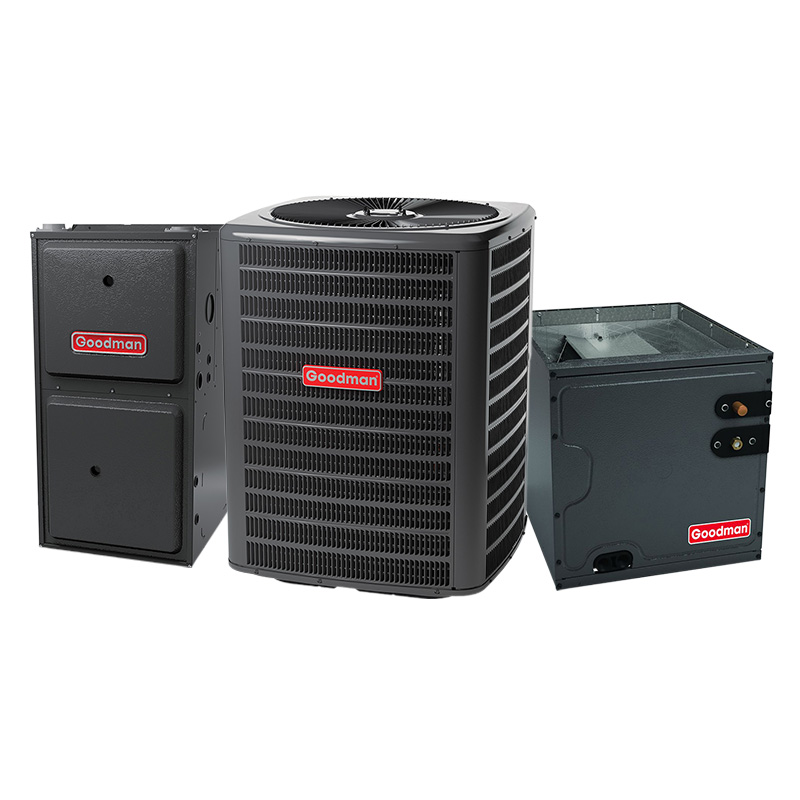
Goodman 3 Ton 13.8 SEER2 AC & Gas Furnace System – Multi-Speed, 60000 BTU Gas Furnace, 92% AFUE, Upflow, R32
View on AC Direct see your lowest price →Check current price on AC Direct →
Key features
- 3-ton cooling capacity, suited for homes approximately 1,400 to 2,000 sq ft depending on local climate
- 13.8 SEER2 efficiency rating, meets federal minimum standards for most U.S. regions
- 60,000 BTU gas furnace at 92% AFUE for mid-efficiency heating performance
- R-32 refrigerant, which carries a lower global warming potential than older R-410A
- Multi-speed blower motor allows basic airflow adjustment at the furnace
- Upflow configuration designed for basement, utility room, or closet installations with overhead ductwork
About this system
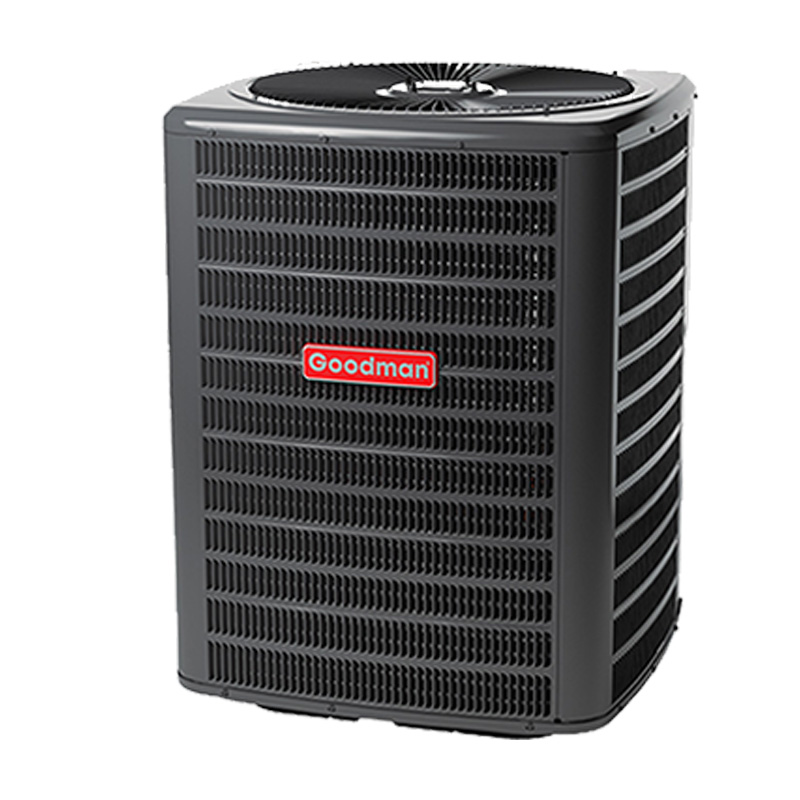
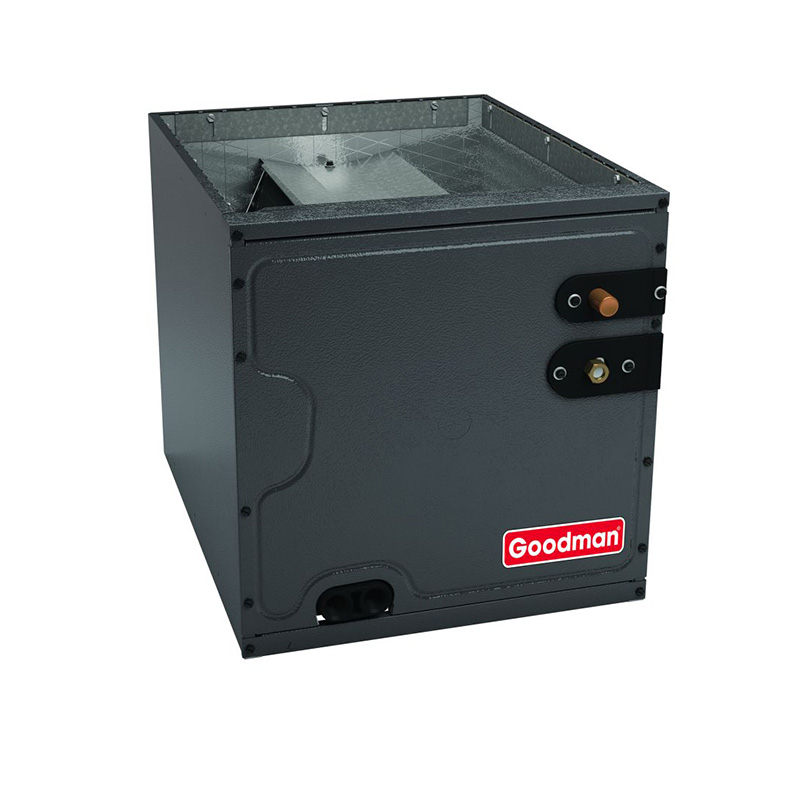
The Goodman GLXS3BN3610D pairs a 3-ton, 13.8 SEER2 air conditioner with a 60,000 BTU, 92% AFUE upflow gas furnace into a matched split system for homes roughly in the 1,400 to 2,000 square-foot range, depending on climate and insulation. The 13.8 SEER2 rating clears the federal minimum threshold for most U.S. regions but sits at the lower end of the mid-efficiency spectrum, meaning operating costs will be noticeably higher over time than systems rated 16 SEER2 or above. It uses R-32 refrigerant, a lower-global-warming-potential option that is becoming more common across the industry and is generally easier to handle in smaller charge quantities.
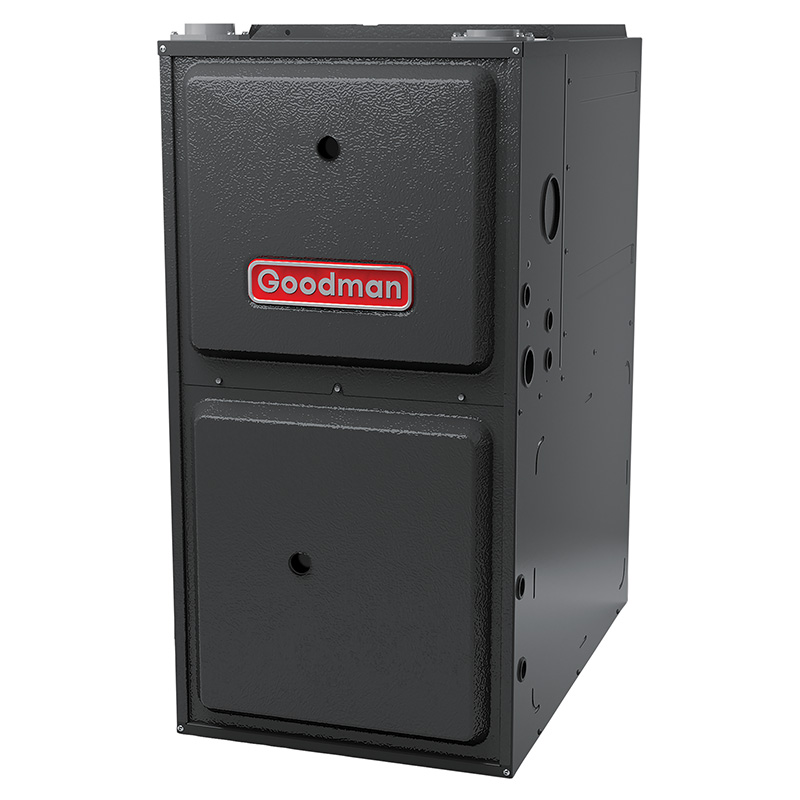
The 92% AFUE furnace converts 92 cents of every dollar of gas into usable heat, which qualifies as mid-efficiency. It runs in upflow configuration, meaning conditioned air exits the top of the furnace and feeds into ductwork above, making it the right fit for installations in basements, utility closets, or crawlspaces where supply ducts run overhead. The multi-speed blower motor gives installers and homeowners some flexibility in airflow tuning, though it is a step below the variable-speed motors found on premium systems when it comes to humidity control and quiet operation. This system suits budget-conscious homeowners who need reliable replacement equipment and are comfortable with the trade-offs that come with entry-level tier pricing.
The Goodman GLXS3BN3610D is a competent entry-level system that delivers functional cooling and heating at a price point well below Carrier, Trane, and Lennox equivalents. Its efficiency is adequate rather than impressive, and long-term ownership costs depend heavily on how carefully it is installed and maintained. Buyers who prioritize upfront savings and have access to a skilled installer will get reasonable service life; those expecting premium durability or low utility bills should look at higher-efficiency alternatives.
Overall score is the average of the five ratings above.
What we like
- Priced approximately 15 to 25 percent below comparable Carrier, Trane, and Lennox systems, reducing upfront capital outlay
- R-32 refrigerant is a forward-looking choice with lower environmental impact than the R-410A it replaces
- 92% AFUE furnace meets mid-efficiency standards and qualifies in many areas for utility rebates
- Multi-speed blower provides more airflow flexibility than a single-speed motor
- Goodman's broad dealer and parts network means service technicians and replacement components are widely available
Trade-offs
- 13.8 SEER2 is near the minimum threshold, so monthly energy costs will be higher than mid- or high-efficiency alternatives over the system's life
- Dual-run capacitor failures are the most commonly reported repair, typically appearing within the first several years and costing $300 to $600 per service call
- Compressor lifespan averages 10 to 14 years, meaningfully shorter than the 15 to 20 years seen in premium-brand compressors
- A minority of owners report refrigerant leaks in the first year, most often traced to installation or initial charge issues rather than manufacturing defects
What homeowners and pros say about Goodman
Homeowners who post about this system online tend to split along a familiar line: those who got a solid installation and kept up with annual maintenance report years of uneventful service and frequently point to the lower purchase price as the reason they chose Goodman over a name-brand alternative. Those who ran into trouble most often cite capacitor failures and, less frequently, evaporator coil leaks, both of which appear consistently in owner feedback. Goodman’s ConsumerAffairs score sits at roughly 2.5 out of 5, though that channel skews toward people who are frustrated enough to write a review, and the recurring theme there is repair costs climbing after about year seven. Google dealer reviews average closer to 3.8 out of 5, with affordability as the most repeated praise across hundreds of location-level reviews.
HVAC technicians tend to give Goodman a pragmatic assessment. Most will install it without hesitation at the right price point, and they note that the parts are widely stocked and straightforward to replace. The capacitor issue is so well known in the trade that many techs proactively swap it during a tune-up rather than waiting for a failure call. The more serious caution from experienced installers is that Goodman’s longevity depends on the quality of the installation more than almost any other brand at this tier: a poorly charged system, undersized ductwork, or a rushed startup can accelerate the compressor wear that already trends shorter than premium competitors at 10 to 14 years versus 15 to 20 years for higher-end brands. The system rewards careful work and punishes shortcuts.
Sources: ConsumerAffairs Goodman owner reviews, AHRI Directory of Certified Product Performance, U.S. DOE appliance and equipment efficiency standards, Goodman product specification sheets.
What it costs to run
At 13.8 SEER2, cooling this 3-ton system for a typical 1200-hour cooling season at the U.S. average electricity rate of $0.17/kWh works out to roughly $532 per year in cooling, about $16 less per year than a minimum-efficiency 13.4 SEER2 unit of the same size. Your real cost depends on your climate and local rate.
Method: (36,000 BTU/hr ÷ 13.8 SEER2) × 1200 hours ÷ 1000 × $0.17/kWh. Rate source: U.S. EIA average; cooling hours: moderate-climate estimate.
How it compares
| Brand | Comparable model | SEER2 | Stage | Price position |
|---|---|---|---|---|
| Goodman | GLXS3BN3610D | 13.8 | Single-stage | Value pick |
| Carrier | Comfort Series (24ACC3 / 58CVA pairing) | 14.0 | Single-stage | Typically 15 to 25 percent more than Goodman |
| Trane | XR14 / S8X1 pairing | 14.0 | Single-stage | Typically 15 to 25 percent more than Goodman |
| Lennox | Merit Series (13ACX / ML180 pairing) | 13.8–14.0 | Single-stage | Typically 15 to 25 percent more than Goodman |
Competitor rows are comparable single-stage units at similar efficiency; price is relative position, not a quote.
Questions about this system
Is 13.8 SEER2 going to cost me noticeably more to run than a higher-rated system?
Yes, in practical terms. A system rated 16 or 17 SEER2 can use 15 to 20 percent less electricity for the same cooling output, and over a decade that gap adds up. If your cooling season is long or electricity rates are high, the efficiency difference is worth pricing out before committing to the lower-cost unit.
What are the most likely repairs I should budget for over the first ten years?
Dual-run capacitor replacement is the single most common Goodman service call, typically running $300 to $600. Evaporator coil leaks show up in a meaningful share of owner reports and are a more expensive repair. Setting aside a small annual maintenance budget and scheduling yearly tune-ups is the best way to catch both issues early.
Does this system work with a smart thermostat?
Yes, the multi-speed furnace is compatible with most 24-volt smart thermostats, including common models from Ecobee and Honeywell. Confirm with your installer that the thermostat you choose supports multi-speed fan control if you want to take full advantage of the blower's flexibility.
Why does this system use R-32 instead of R-410A?
R-32 has a significantly lower global warming potential than R-410A and is part of the industry's phased transition away from older refrigerants under updated EPA regulations. Practically, R-32 systems require a smaller refrigerant charge for the same capacity, but technicians working on it do need specific training and equipment, so confirm your service tech is certified for R-32 before scheduling repairs.
What does upflow configuration mean, and how do I know if it fits my installation?
Upflow means the furnace draws return air in from the bottom and discharges heated or cooled air out the top into the supply ductwork. This is the correct orientation when your ductwork runs overhead, as is typical in basements and utility closets. If your ducts are beneath the unit or in a slab, you would need a downflow or horizontal configuration instead, so verify your existing layout before ordering.
Specifications
| Cooling capacity | 3 Ton |
| Efficiency | 13.8 SEER2 |
| Furnace output | 60000 BTU |
| Furnace efficiency | 92% AFUE |
| Configuration | Upflow |
| Refrigerant | R-32 |
| Model | GLXS3BN3610D |