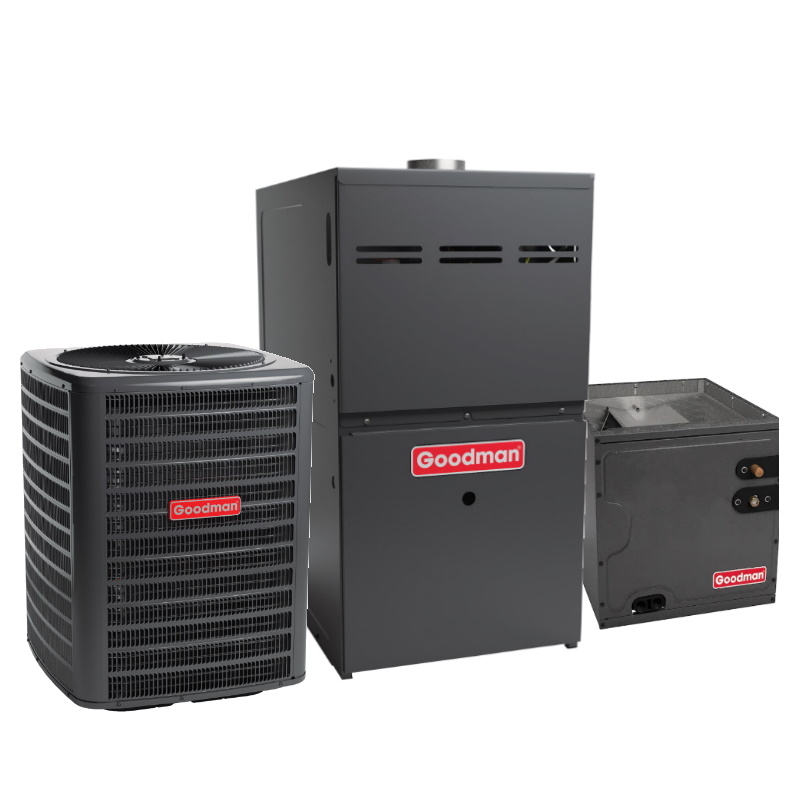
Goodman 3 Ton 14.5 SEER2 80000 BTU 80% Single Stage Gas System Upflow Low NOx
View on AC Direct see your lowest price →Check current price on AC Direct →
Key features
- 3-ton cooling capacity with 14.5 SEER2 efficiency rating
- 80,000 BTU single-stage gas furnace at 80% AFUE
- Upflow configuration for basement or ground-level installs with overhead ductwork
- Low NOx burner meets California SCAQMD and similar air quality requirements
- Single-stage operation for straightforward, lower-cost mechanical design
- Goodman ComfortBridge technology compatible for communicating thermostat integration
About this system
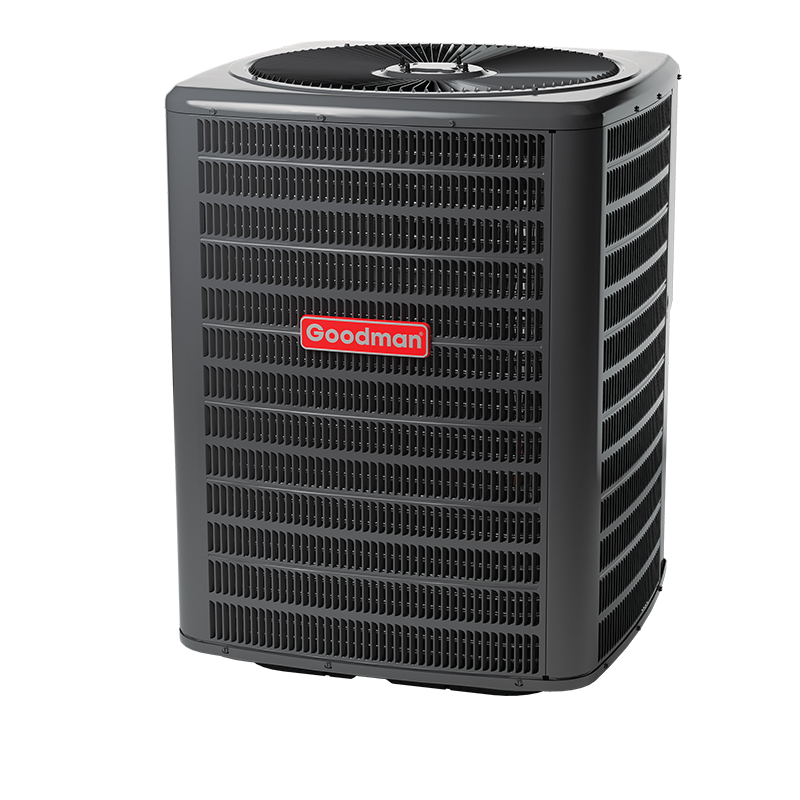
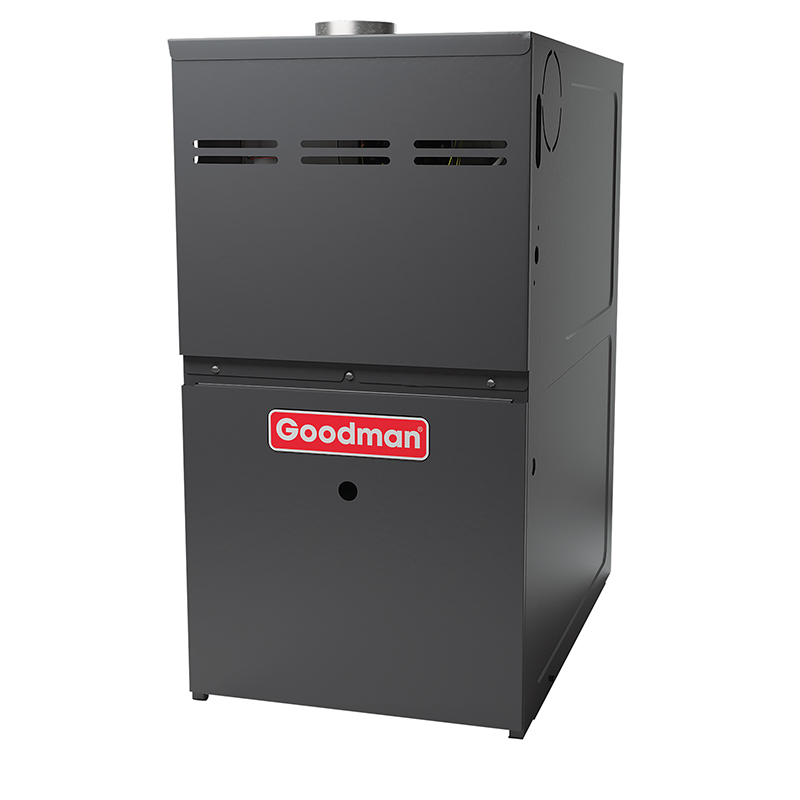
The Goodman GSXN403610 pairs a 3-ton, 14.5 SEER2 central air conditioner with an 80,000 BTU, 80% AFUE single-stage gas furnace in an upflow configuration. The 14.5 SEER2 rating clears the current federal minimum for most U.S. regions by a comfortable margin without reaching into premium-tier pricing, making it a workable choice for homeowners who want reliable baseline cooling and heating without paying for efficiency gains that take many years to recoup. The Low NOx designation on the furnace side meets California’s strict air quality standards, so this system is compliant in SCAQMD and similar regulated districts.
Upflow configurations blow conditioned air upward into the duct system, which suits homes where the furnace sits in a basement or ground-level utility closet with ductwork running through the floor above. Single-stage operation means the system runs at full capacity or not at all, a straightforward approach that keeps equipment costs down but can produce more temperature swing and slightly more on-off cycling than two-stage or variable-speed alternatives. Buyers replacing an aging R-22 or early R-410A system on a fixed budget, or landlords maintaining rental properties, are the most common fit for a package like this.
The GSXN403610 delivers an honest baseline system at a price point that is genuinely hard to match from a name-brand manufacturer. Efficiency and feature set are entry-level by design, and long-term ownership costs hinge heavily on installation quality and willingness to budget for maintenance. It is a reasonable buy for cost-conscious homeowners who go in with clear expectations.
Overall score is the average of the five ratings above.
What we like
- Purchase price typically runs 15 to 25 percent below comparable Carrier, Trane, and Lennox units
- 14.5 SEER2 clears federal minimums, keeping summer operating costs reasonable without a premium upcharge
- Low NOx furnace is code-compliant in California and other strict-emissions regions
- Single-stage design means fewer electronic components and generally straightforward service calls
- Goodman's broad dealer network makes parts and service widely available across most U.S. markets
Trade-offs
- Dual-run capacitors are the most commonly reported early failure point, typically adding a 300 to 600 dollar service call within the first several years
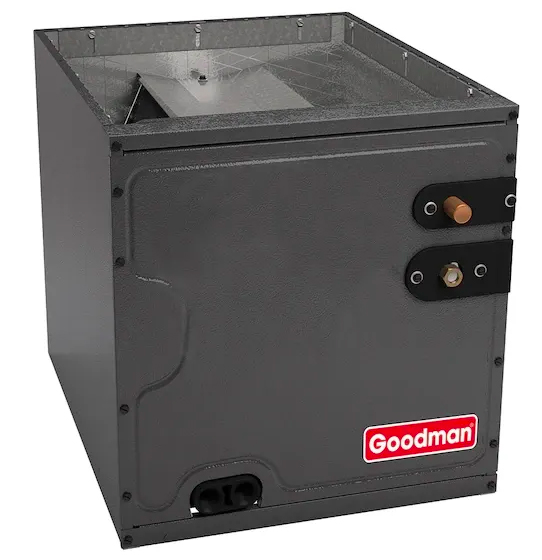
- Compressor lifespan averages 10 to 14 years versus 15 to 20 years for premium-brand compressors, which affects long-run cost of ownership
- Evaporator coil leaks appear in a meaningful share of owner reports, a known weakness in the product line
- Single-stage operation cannot modulate output, so temperature consistency and humidity control are inferior to two-stage or variable-speed systems
What homeowners and pros say about Goodman
Homeowners who bought Goodman equipment tend to split into two camps. Those who had a careful, experienced installer often report years of trouble-free operation and appreciate the lower upfront cost, which is reflected in Google dealer review scores that average around 3.8 out of 5 across hundreds of location-based reviews. The word that comes up most often in positive feedback is affordability. Those who ended up on the other side of that equation, or who bought during a period of thinner installation oversight, tend to surface on complaint-skewed channels like ConsumerAffairs, where Goodman sits at roughly 2.5 out of 5 and the recurring story is repair bills climbing after year 7 or 8.
HVAC technicians are generally candid that Goodman equipment lives or dies by the quality of its installation and how consistently it is maintained. The dual-run capacitor is the part they expect to replace first, typically a quick and inexpensive call but one that catches unprepared owners off guard. Evaporator coil leaks show up in a real share of owner reports and can be a more expensive repair. Compressor lifespan, averaging 10 to 14 years compared to 15 to 20 years in premium brands, is the clearest long-run trade-off. For the GSXN403610 specifically, going in with a maintenance plan and a realistic expectation of one or two service calls over a decade is the honest framing for this category of equipment at this price point.
Sources: ConsumerAffairs Goodman owner reviews, AHRI Directory of Certified Product Performance, U.S. DOE appliance and equipment efficiency standards, Goodman product specification sheets.
What it costs to run
At 14.5 SEER2, cooling this 3-ton system for a typical 1200-hour cooling season at the U.S. average electricity rate of $0.17/kWh works out to roughly $506 per year in cooling, about $42 less per year than a minimum-efficiency 13.4 SEER2 unit of the same size. Your real cost depends on your climate and local rate.
Method: (36,000 BTU/hr ÷ 14.5 SEER2) × 1200 hours ÷ 1000 × $0.17/kWh. Rate source: U.S. EIA average; cooling hours: moderate-climate estimate.
How it compares
| Brand | Comparable model | SEER2 | Stage | Price position |
|---|---|---|---|---|
| Goodman | GSXN403610 with GMVC8 furnace | 14.5 | Single-stage | Value pick |
| Carrier | Comfort 14 Series (24ACC4) | 14.5 | Single-stage | Typically 15 to 25 percent more than Goodman |
| Trane | XR14 Series (4TTR4) | 14.5 | Single-stage | Typically 15 to 25 percent more than Goodman |
| Lennox | Merit 14 Series (14ACX) | 14.5 | Single-stage | Typically 15 to 25 percent more than Goodman |
Competitor rows are comparable single-stage units at similar efficiency; price is relative position, not a quote.
Questions about this system
Is 14.5 SEER2 good enough, or should I spend more for higher efficiency?
14.5 SEER2 meets and exceeds federal minimum standards and will keep operating costs reasonable in most climates. Upgrading to 16 or 18 SEER2 does reduce utility bills further, but in moderate climates the payback period on the higher upfront cost often stretches beyond 8 to 10 years, so it only makes financial sense if you expect a long stay in the home.
What does the Low NOx label mean and do I actually need it?
Low NOx means the furnace burner emits less nitrogen oxide, a regulated air pollutant. It is required by law in California's South Coast Air Quality Management District and a handful of other regulated regions. If you are outside those areas it does not hurt performance, but it is not a requirement you need to seek out specifically.
How often do Goodman capacitors actually fail, and what does it cost?
Dual-run capacitors are the single most frequently reported repair item on Goodman equipment, and they can fail within the first few years of operation. Replacement typically runs 300 to 600 dollars including labor, and most HVAC technicians can complete the swap in under an hour. Keeping a service contract or scheduling annual maintenance tune-ups is the best way to catch a weak capacitor before it strands you without cooling on a hot day.
Does upflow installation limit where this system can go?
Yes. Upflow means the furnace draws return air from the bottom and discharges warm or cooled air from the top into overhead ductwork. It works well in basements, crawl-space homes, and utility closets with ducts running through the floor above, but it is not the right choice for attic or horizontal installations. Confirm your duct layout with your installer before ordering.
What warranty does this Goodman system carry?
Goodman typically offers a 10-year parts limited warranty when the equipment is registered by the homeowner within a specified window after installation, usually 60 days. The compressor often carries a separate limited lifetime replacement warranty under those same registration terms. Failing to register on time typically drops coverage to a shorter base period, so registration is worth doing immediately after install.
Specifications
| Cooling capacity | 3 Ton |
| Efficiency | 14.5 SEER2 |
| Furnace output | 80000 BTU |
| Configuration | Upflow |
| Model | GSXN403610 |