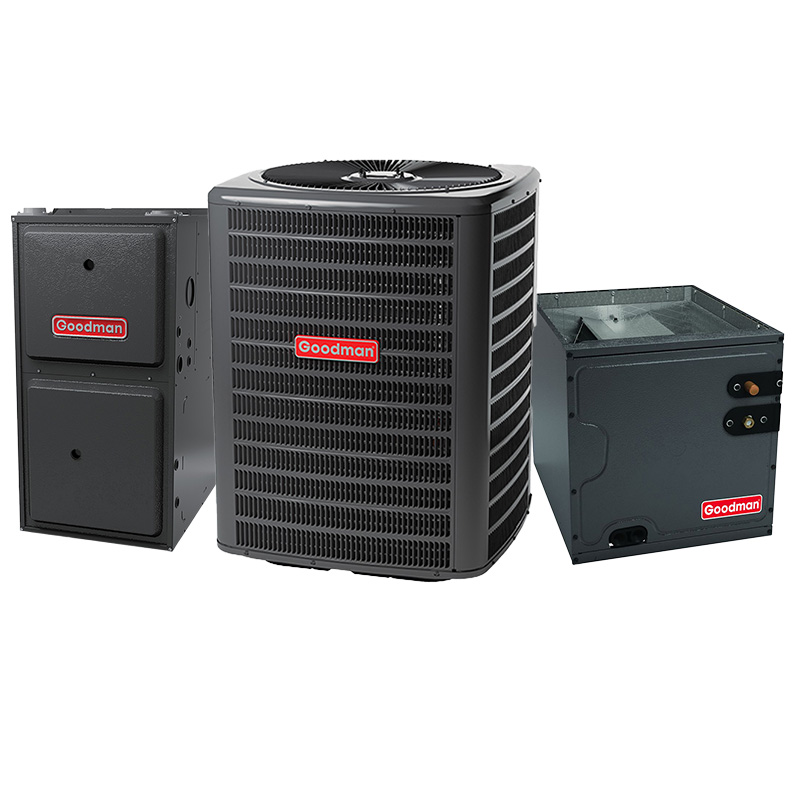
Goodman 3 Ton 14.5 SEER2 AC With 100000 BTU 96% AFUE 2-Stage Variable-Speed ECM Gas Furnace System – Upflow | R32
View on AC Direct see your lowest price →Check current price on AC Direct →
Key features
- 14.5 SEER2 cooling efficiency, meets current federal minimum for most U.S. regions
- 96% AFUE two-stage gas furnace reduces short-cycling and improves temperature consistency
- Variable-speed ECM blower motor lowers electricity use and improves humidity control
- R-32 refrigerant with lower global warming potential than R-410A
- Upflow configuration designed for basement or closet installations with supply air moving upward
- 100,000 BTU heating capacity suited to larger or less-insulated homes in colder climates
About this system
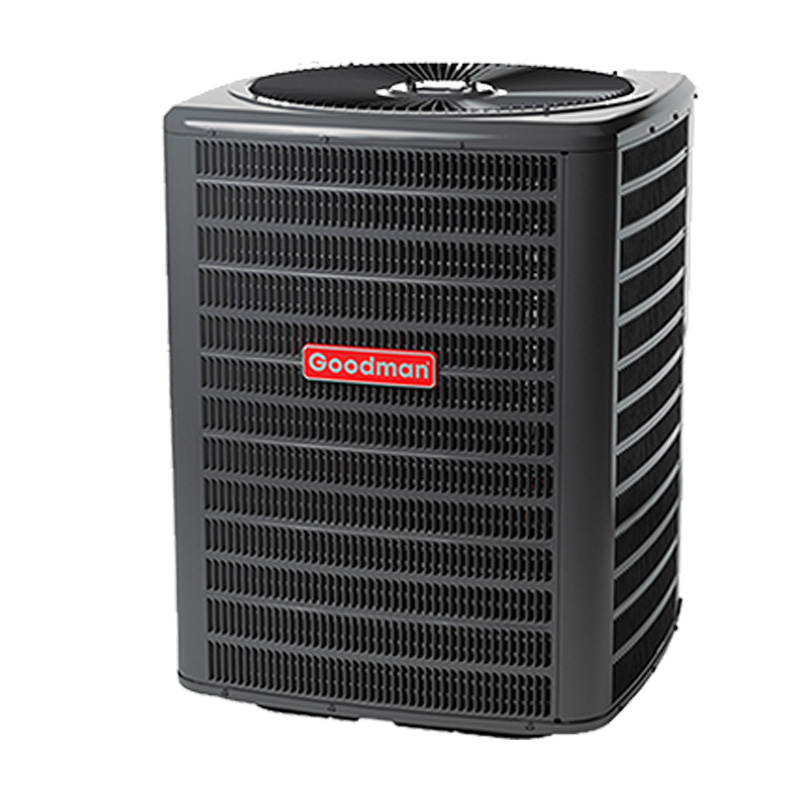
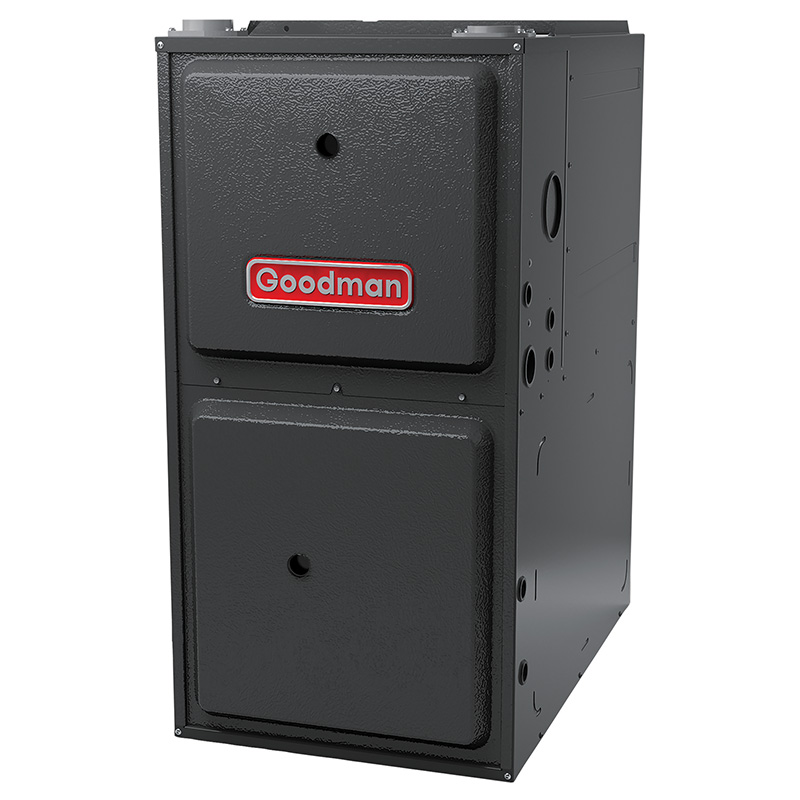
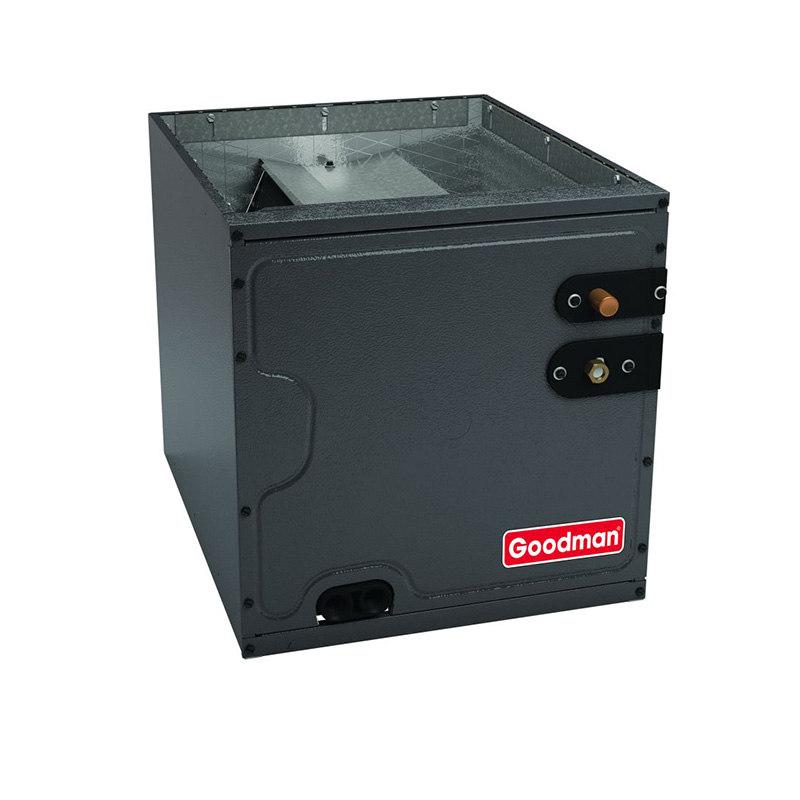
This Goodman system pairs a 3-ton, 14.5 SEER2 air conditioner with a 100,000 BTU, 96% AFUE two-stage, variable-speed ECM gas furnace in an upflow configuration, and it uses R-32 refrigerant rather than the older R-410A. That combination makes it a reasonable fit for a mid-size home in a mixed climate where heating costs are real and summer cooling demands are moderate. The 14.5 SEER2 rating sits at the lower edge of the current efficiency tier, clearing federal minimums without pushing into premium territory, while the 96% AFUE furnace captures nearly all the heat value from the gas it burns, which matters in colder regions with long heating seasons.
The two-stage furnace and variable-speed ECM blower are where this package earns its keep compared to single-stage alternatives. Two-stage heating means the furnace runs at a lower fire most of the time, cycling less aggressively and distributing heat more evenly. The ECM motor adjusts airflow continuously, cutting blower electricity use significantly versus a standard PSC motor and improving humidity control on the cooling side. R-32 is worth noting: it has a lower global warming potential than R-410A and is being adopted industry-wide, so parts and refrigerant availability should be solid going forward. Upflow-only configuration does limit where this system can be installed, so confirm your air handler location suits that orientation before purchasing.
This Goodman system delivers a solid feature set at a price point 15 to 25 percent below comparable Trane, Carrier, and Lennox equipment, making it an accessible entry into two-stage heating and variable-speed blower technology. The trade-off is a brand track record that shows more repair activity after year seven and compressor longevity that typically trails premium competitors. For budget-conscious buyers who hire a skilled installer and stay current on maintenance, it can perform well; buyers prioritizing long-term reliability over upfront savings should weigh the alternatives carefully.
Overall score is the average of the five ratings above.
What we like
- Two-stage furnace with ECM blower improves comfort and reduces blower electricity costs versus single-stage systems
- 96% AFUE is a genuinely high heating efficiency rating that reduces annual gas costs in cold climates
- R-32 refrigerant positions the system for long-term parts availability as the industry moves away from R-410A
- Price is typically 15 to 25 percent below comparable Carrier, Trane, and Lennox systems for the same feature tier
- Upflow orientation is a clean match for the most common residential furnace placement in homes with basements or ground-level utility closets
Trade-offs
- Dual-run capacitors are the most frequently reported failure point and, while usually a low-cost fix, they become more common after the first several years of use
- Evaporator coil leaks appear in a meaningful share of owner reviews, which can mean refrigerant loss and costly repairs
- Compressor lifespan averages 10 to 14 years in documented owner experience, shorter than the 15 to 20 years reported for premium brands
- A minority of owners report refrigerant leaks within the first year, typically linked to install or initial charge quality rather than a product defect
What homeowners and pros say about Goodman
Homeowners who track down Goodman reviews quickly find a split picture. On ConsumerAffairs, where the format attracts frustrated owners more than satisfied ones, Goodman sits at roughly 2.5 out of 5, with the recurring theme being repair costs that climb after about year seven of ownership. Google dealer reviews tell a somewhat different story, landing around 3.8 out of 5 across a broad sample, where the most common praise is straightforward: the price is lower than the competition and the system cools and heats as expected when properly installed. Both data points are honest signals worth holding together rather than picking one to ignore.
HVAC technicians who work on Goodman equipment regularly point to a few patterns specific to the brand. Dual-run capacitors are the most frequently replaced part, typically a routine and relatively affordable fix, but one that becomes more common as the system ages. Evaporator coil leaks show up in a notable share of owner complaints and carry a higher repair cost. Compressor longevity tends to average 10 to 14 years in real-world reports, which is shorter than the 15 to 20 years technicians associate with Trane, Carrier, and Lennox compressors. For this particular system, which adds a two-stage furnace and ECM blower to the equation, the furnace components themselves draw fewer complaints than the cooling side, and the variable-speed blower is generally regarded as a meaningful comfort upgrade over single-stage alternatives at this price point. The consensus from both groups comes down to the same thing: get a quality installer, keep up with maintenance, and this system can deliver solid value for the upfront cost.
Sources: ConsumerAffairs Goodman owner reviews, AHRI Directory of Certified Product Performance, U.S. DOE appliance and equipment efficiency standards, Goodman product specification sheets.
What it costs to run
At 14.5 SEER2, cooling this 3-ton system for a typical 1200-hour cooling season at the U.S. average electricity rate of $0.17/kWh works out to roughly $506 per year in cooling, about $42 less per year than a minimum-efficiency 13.4 SEER2 unit of the same size. Your real cost depends on your climate and local rate.
Method: (36,000 BTU/hr ÷ 14.5 SEER2) × 1200 hours ÷ 1000 × $0.17/kWh. Rate source: U.S. EIA average; cooling hours: moderate-climate estimate.
How it compares
| Brand | Comparable model | SEER2 | Stage | Price position |
|---|---|---|---|---|
| Goodman | 3-Ton 14.5 SEER2 AC + 96% AFUE 2-Stage ECM Furnace (this system) | 14.5 | Two-stage furnace / single-stage condenser | Value pick |
| Carrier | Performance Series 24ACC6 with 59TP6 two-stage furnace | 15-16 | Two-stage | Typically 15 to 25 percent more than this Goodman system |
| Trane | XR15 condenser with S9V2 two-stage variable-speed furnace | 15 | Two-stage | Typically 15 to 25 percent more than this Goodman system |
| Lennox | Merit Series ML14XC1 with SLP98V variable-capacity furnace | 15 | Two-stage to variable | Typically 15 to 25 percent more than this Goodman system |
Competitor rows are comparable single-stage units at similar efficiency; price is relative position, not a quote.
Questions about this system
Is 14.5 SEER2 enough efficiency, or should I step up to a higher-rated system?
14.5 SEER2 meets current federal minimums and will meaningfully cut cooling costs compared to an older 10 to 12 SEER system. Stepping up to 16 or 18 SEER2 typically adds cost upfront and makes the most sense in climates with long, hot summers where the AC runs heavily for several months. In a moderate cooling climate, the payback on a higher-efficiency unit can take many years.
What does R-32 refrigerant mean for me practically, and will it be harder to service than R-410A?
R-32 is the direction the industry is moving, so technicians and refrigerant supply are increasingly available rather than scarce. It does require technicians to be familiar with its slightly higher pressure characteristics. For most homeowners, the practical difference at service time is minimal, and R-32 reduces the environmental impact of any refrigerant released during service.
How much of this system's reliability depends on who installs it?
Significantly. Goodman technicians and owners consistently point to install quality as the primary factor in how long the system lasts and how efficiently it runs. Proper refrigerant charge, duct sizing, and electrical connections are all critical, and the brand's own track record shows that early refrigerant leaks are usually a charge or install issue rather than a factory defect. Getting a licensed, experienced HVAC contractor matters more with this brand than with some others.
What are the most likely repairs I should budget for over the life of this system?
Dual-run capacitor replacement is the most commonly reported issue and typically costs 300 to 600 dollars including a service call. Evaporator coil leaks are a documented concern that can be more expensive to address. After roughly year seven, ConsumerAffairs reviews show repair frequency increasing. Setting aside a dedicated HVAC repair fund from year five onward is a reasonable approach.
This is listed as upflow only. What does that mean and how do I confirm it fits my home?
Upflow means the furnace pulls return air in at the bottom and pushes conditioned air out the top, feeding into a duct system above it. This configuration suits basements, utility rooms, and closets where the ductwork runs overhead. If your existing furnace is a downflow or horizontal unit, this system will not be a direct replacement without significant duct modification, so confirm your current setup with your installer before ordering.
Specifications
| Cooling capacity | 3 Ton |
| Efficiency | 14.5 SEER2 |
| Furnace output | 100000 BTU |
| Furnace efficiency | 96% AFUE |
| Configuration | Upflow |
| Refrigerant | R-32 |