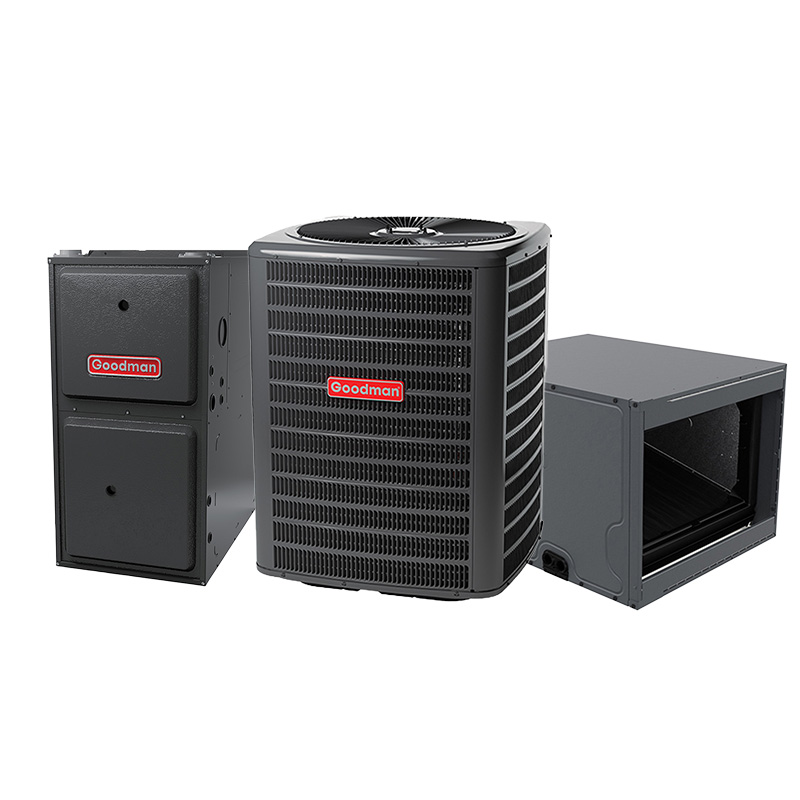
Goodman 3 Ton 14.5 SEER2 Dual Fuel Heat Pump & Gas Furnace Hybrid System – Modulating, Variable-Speed, 60000 BTU Gas Furnace, 97% AFUE, Horizontal, R32
View on AC Direct see your lowest price →Check current price on AC Direct →
Key features
- Dual fuel hybrid operation: heat pump runs in mild weather, gas furnace takes over when efficiency or temperature demands it
- 97% AFUE modulating gas furnace limits fuel waste and adjusts output in small steps for steadier indoor temperatures
- Variable-speed blower motor reduces energy use and noise compared to single- or two-speed alternatives
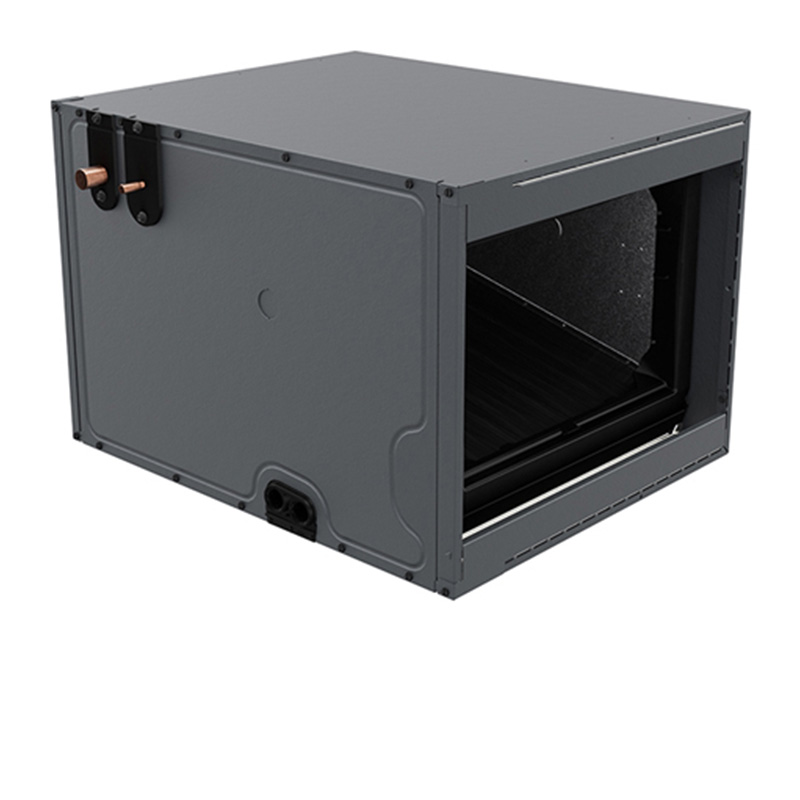
- Horizontal cabinet configuration designed for attic, crawlspace, or side-closet installations
- R-32 refrigerant replaces R-410A with a lower global-warming potential and is increasingly required by new equipment rules
- 14.5 SEER2 cooling efficiency meets current federal minimums with modest energy savings over lower-rated equipment
About this system
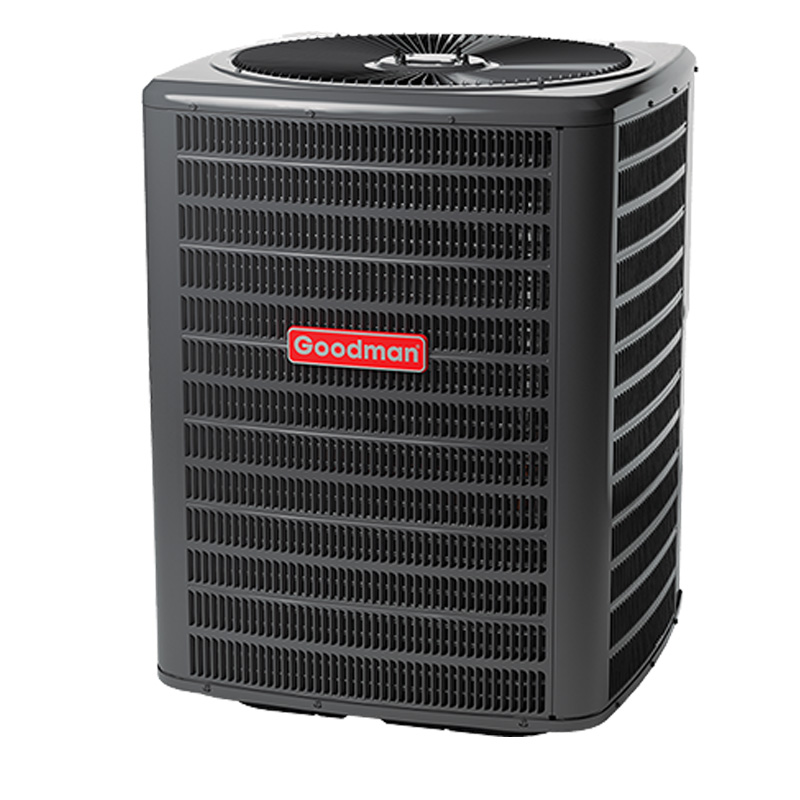
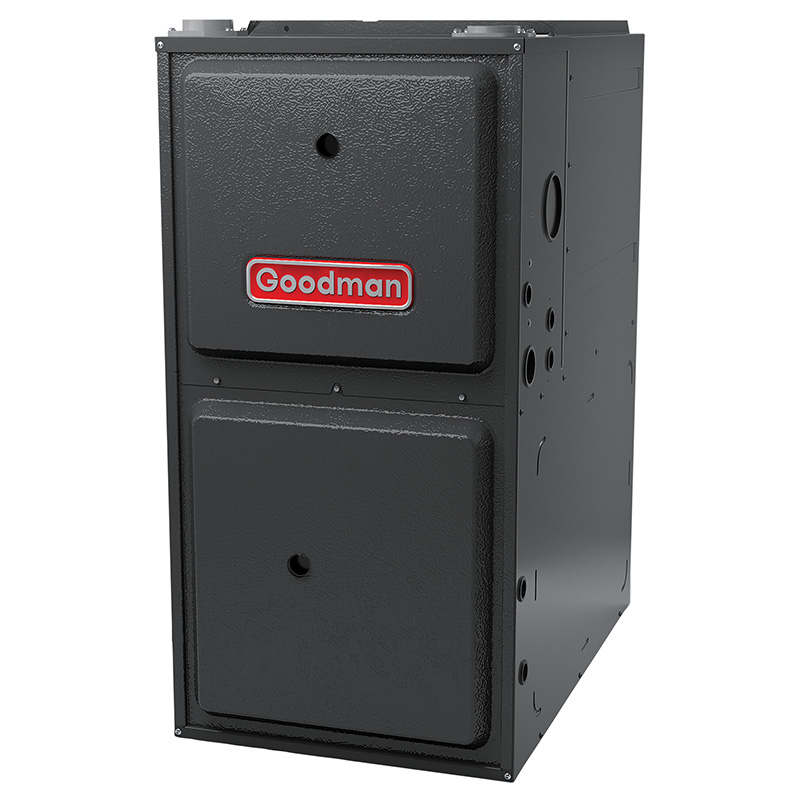
The Goodman GLXS5BA3610D is a 3-ton dual fuel hybrid system pairing a 14.5 SEER2 variable-speed heat pump with a 97% AFUE modulating gas furnace in a horizontal configuration. Dual fuel means the system automatically switches between electric heat pump operation and gas heat depending on outdoor temperature and fuel cost thresholds, making it a practical choice for climates where winters are cold enough to push a heat pump past its efficient range but mild-season heating is still a regular occurrence. The horizontal cabinet orientation is specifically built for attic, crawlspace, or side-closet installations where vertical units simply will not fit.
The 60,000 BTU gas furnace running at 97% AFUE keeps almost all of the fuel’s energy in the home rather than sending it up the flue, which is about as efficient as residential gas equipment gets. The modulating burner and variable-speed blower allow the system to run at lower capacity most of the time rather than cycling on and off at full blast, which improves comfort, reduces temperature swings, and lowers noise levels. R-32 refrigerant carries a lower global-warming potential than the R-410A it replaces and is becoming the new standard as R-410A is phased down. This system suits homeowners in mixed-climate regions who already have a gas line, want lower operating costs across both seasons, and need a horizontal installation that rules out many competing configurations.
This Goodman hybrid system delivers genuinely high-end furnace efficiency and flexible dual fuel operation at a price point that undercuts comparable Carrier, Trane, and Lennox configurations by a meaningful margin. The trade-off is a brand with a mixed long-term reliability record and cooling efficiency that sits at the entry level of the current market rather than near the top. Buyers who prioritize upfront value and a highly efficient gas furnace over premium build quality will find it a reasonable fit, provided the install is handled by an experienced contractor.
Overall score is the average of the five ratings above.
What we like
- 97% AFUE modulating furnace is among the most efficient gas heating available for residential use
- Dual fuel logic reduces annual operating costs by using the cheaper energy source at the right time
- Variable-speed blower improves comfort and holds humidity more consistently than single-speed equipment
- Horizontal-only configuration fills a real gap where vertical units are not an option
- Priced 15 to 25 percent below comparable Trane, Lennox, and Carrier hybrid systems
Trade-offs
- 14.5 SEER2 cooling efficiency is at the current federal minimum, not a standout performer in warm climates
- Dual run capacitors are the most commonly documented failure point across Goodman heat pumps, typically surfacing within the first several years
- Compressor lifespan averages 10 to 14 years in owner reports, shorter than the 15 to 20 years more commonly associated with premium brands
- Horizontal-only configuration limits retrofit flexibility; this unit cannot be repurposed for upflow or downflow applications later
What homeowners and pros say about Goodman
Homeowners who buy Goodman systems tend to split into two camps fairly quickly. Those who had a skilled contractor handle the installation often report years of uneventful service and point to the lower upfront cost as the main reason they chose the brand. Those who ran into problems, particularly after the six or seven year mark, are more likely to surface in complaint-skewed channels: Goodman carries roughly a 2.5 out of 5 on ConsumerAffairs, where recurring frustration centers on repair bills arriving sooner than owners expected. Google dealer reviews land considerably higher, around 3.8 out of 5 across hundreds of location-level reviews, with affordability cited most often as the reason buyers are satisfied. The gap between those two scores reflects the platform effect as much as anything else, since ConsumerAffairs draws disproportionately from people motivated to file a complaint.
HVAC technicians are consistent on one point: a Goodman system installed carefully by an experienced contractor performs better and lasts longer than a premium brand put in by someone cutting corners. The documented weak spots on the heat pump side are specific and worth knowing before you buy. Dual run capacitors are the most commonly reported failure across Goodman heat pump units, generally a low-cost fix but an annoyance if it happens repeatedly. Evaporator coil leaks show up in a meaningful share of longer-term owner accounts and carry a higher repair bill. Compressor lifespan in real-world reports tends to fall in the 10 to 14 year range, which is shorter than the 15 to 20 years owners of Trane and Lennox equipment more often see. A small number of first-year refrigerant leak reports also appear, and technicians almost universally attribute those to installation or initial charge problems rather than factory defects. For this particular hybrid system, where the 97% AFUE furnace does the heavy lifting in cold weather, the heat pump side is under less sustained stress than in an all-electric installation, which may work in favor of longevity here.
Sources: ConsumerAffairs Goodman owner reviews, AHRI Directory of Certified Product Performance, U.S. DOE appliance and equipment efficiency standards, Goodman product specification sheets.
What it costs to run
At 14.5 SEER2, cooling this 3-ton system for a typical 1200-hour cooling season at the U.S. average electricity rate of $0.17/kWh works out to roughly $506 per year in cooling, about $42 less per year than a minimum-efficiency 13.4 SEER2 unit of the same size. Your real cost depends on your climate and local rate.
Method: (36,000 BTU/hr ÷ 14.5 SEER2) × 1200 hours ÷ 1000 × $0.17/kWh. Rate source: U.S. EIA average; cooling hours: moderate-climate estimate.
How it compares
| Brand | Comparable model | SEER2 | Stage | Price position |
|---|---|---|---|---|
| Goodman | GLXS5BA3610D (Hybrid Dual Fuel) | 14.5 | Variable / Modulating | Value pick |
| Carrier | Performance Series Dual Fuel (25HCB / 59TP6) | 15.0-16.0 | Two-stage | Typically 15 to 25 percent more than the Goodman |
| Trane | XR15 Dual Fuel with S9X2 Gas Furnace | 15.0 | Two-stage | Typically 15 to 25 percent more than the Goodman |
| Lennox | Merit Series ML14XP1 Dual Fuel with SL280V Furnace | 14.3-15.5 | Single-stage / Variable-speed blower | Typically 15 to 25 percent more than the Goodman |
Competitor rows are comparable single-stage units at similar efficiency; price is relative position, not a quote.
Questions about this system
How does the system decide when to run on gas versus the heat pump?
The control system uses a switchover temperature, typically set between 30 and 40 degrees Fahrenheit during installation, below which the gas furnace takes over because the heat pump's efficiency drops off sharply in very cold air. Some thermostats also allow a cost-based switchover if your utility rates favor gas or electricity at different times. Your installing contractor should set this threshold based on your local climate and energy rates.
Is a 14.5 SEER2 rating going to cost me noticeably more to run than a higher-efficiency heat pump?
The real-world difference between 14.5 SEER2 and, say, 17 or 18 SEER2 exists but is not dramatic in moderate climates, particularly in a dual fuel setup where the heat pump is not carrying the full heating load anyway. In hot climates with long cooling seasons, a higher SEER2 unit would recover some of its price premium through lower electric bills over time. For primarily heating-dominant climates, the 97% AFUE furnace side of this system tends to have a bigger impact on annual operating costs.
What does the horizontal-only configuration mean for my installation?
The air handler and furnace in this system are built to lie on their side, which suits attic rafters, crawlspaces, or horizontal closet chases. They cannot be stood upright for upflow or downflow applications. Before purchasing, confirm with your contractor that your ductwork and mechanical space are set up for horizontal airflow, because the cabinet cannot be repositioned after the fact.
What are the most common repairs owners run into with Goodman heat pumps, and what do they cost?
Dual run capacitor failure is the most frequently reported issue across Goodman heat pump reviews, and it is generally a straightforward repair in the 300 to 600 dollar range. Evaporator coil leaks appear in a meaningful share of longer-term owner accounts and are more expensive to address. A small percentage of owners also report refrigerant leaks in the first year, which is usually traced back to installation rather than the equipment itself.
Does Goodman's warranty cover both the heat pump and the gas furnace in this system?
Goodman offers a 10-year parts warranty on registered equipment, which covers major components including the compressor, heat exchanger, and coil. Registration must be completed within a set window after installation, typically 60 days, to receive the full term rather than a shorter default period. Labor is not included in the manufacturer warranty, so your service costs in the event of a covered repair depend entirely on your contractor's labor rates.
Specifications
| Cooling capacity | 3 Ton |
| Efficiency | 14.5 SEER2 |
| Furnace output | 60000 BTU |
| Furnace efficiency | 97% AFUE |
| Configuration | Horizontal |
| Refrigerant | R-32 |
| Model | GLXS5BA3610D |