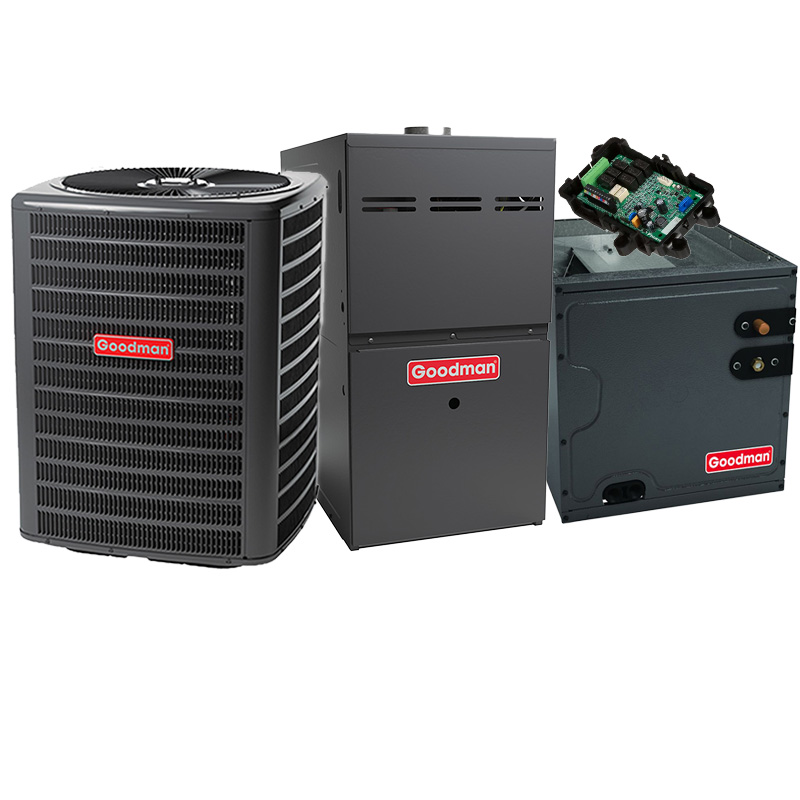
Goodman 3 Ton 14 SEER2 100000 BTU 96% AFUE Two-Stage Gas Furnace With R32 Air Condenser and Coil System – Upflow
View on AC Direct see your lowest price →Check current price on AC Direct →
Key features
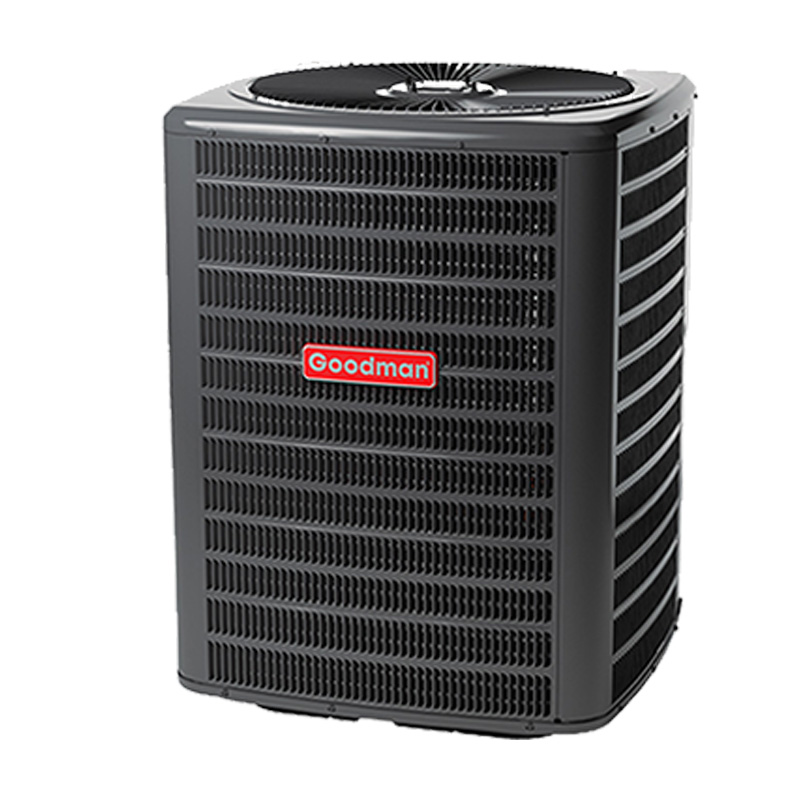
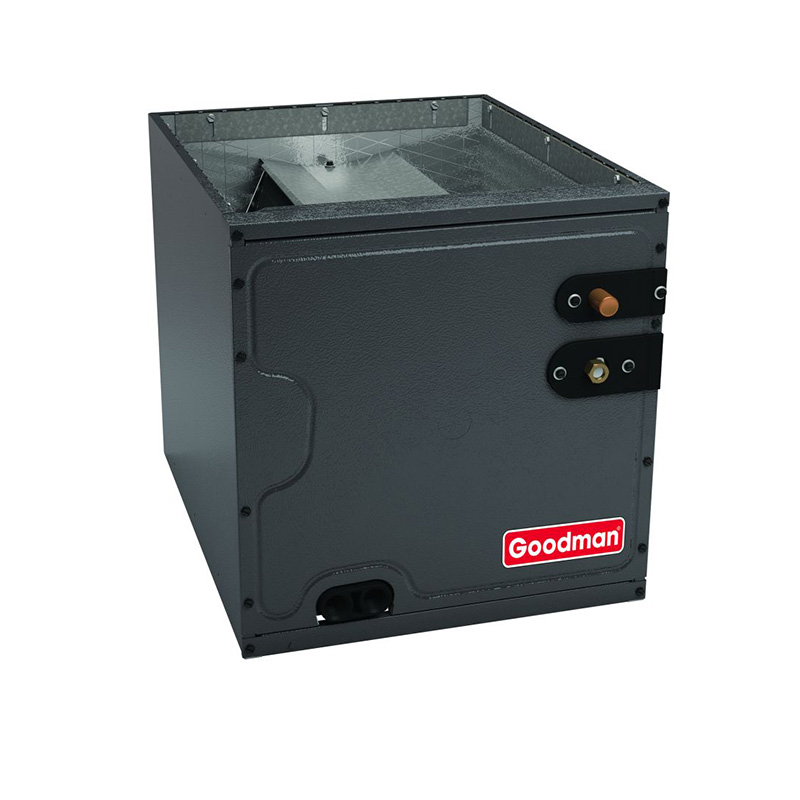
- 14 SEER2-rated 3-ton R-32 condenser matched to a cased upflow evaporator coil
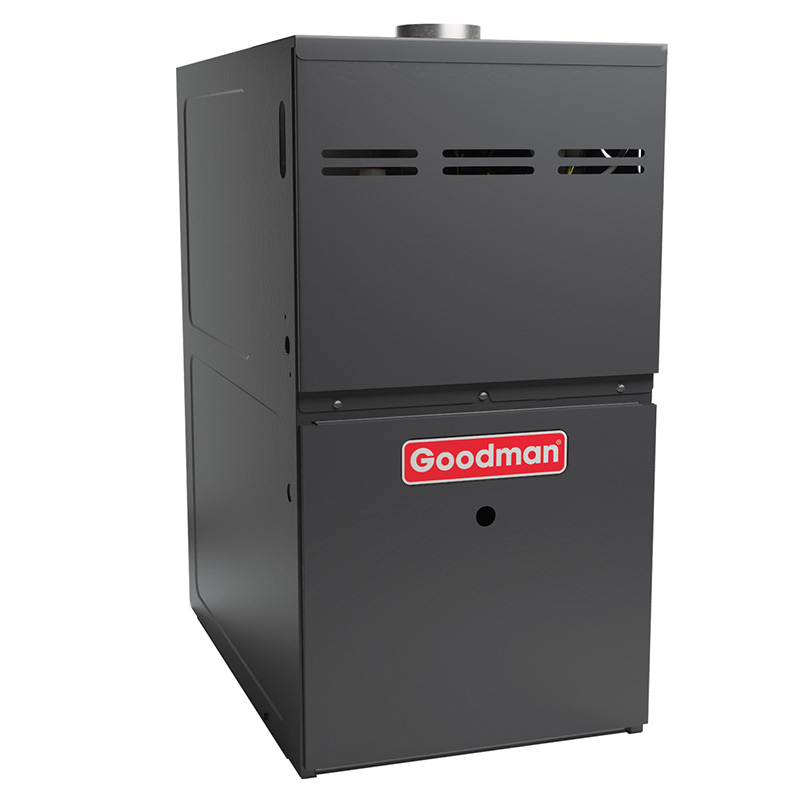
- Two-stage gas furnace at 100,000 BTU input with 96% AFUE efficiency
- R-32 refrigerant with lower global warming potential than R-410A
- Two-stage heating reduces short-cycling and improves temperature consistency
- Upflow cabinet design for basement or closet installations with overhead ductwork
- Factory-matched system simplifies equipment selection and can support AHRI certification
About this system
This Goodman system bundles three components into one shipment: a 3-ton R-32 air condenser rated at 14 SEER2, a matching evaporator coil configured for upflow installation, and a 100,000 BTU two-stage gas furnace running at 96% AFUE. Together they cover cooling loads typical of homes in the 1,400 to 2,000 square foot range, depending on climate zone, insulation quality, and window area. The 96% AFUE rating means only about four cents of every gas dollar escapes as waste heat, which is solidly in the high-efficiency category for residential furnaces. Two-stage heating adds a low-fire mode that runs most of the time, reducing short-cycling, evening out room temperatures, and cutting operating noise compared with single-stage units.
The switch to R-32 refrigerant is worth noting. R-32 has a lower global warming potential than the R-410A it replaces, and it is becoming the industry standard as R-410A is phased out under EPA regulations. On the practical side, R-32 operates at higher pressures, so any service technician who touches this system needs to be equipped and certified for it. The upflow configuration is designed for installation in a basement, utility closet, or mechanical room where supply air exits the top of the furnace cabinet and feeds into overhead ductwork. Buyers in crawlspace or attic applications should verify that a different configuration fits their layout before purchasing this bundle.
This Goodman bundle delivers genuine high-efficiency heating and code-compliant cooling at a price point that is hard to match from premium brands. The two-stage furnace and 96% AFUE rating are real performance advantages, but buyers should budget for potential capacitor replacements after year five and understand that long-term reliability depends heavily on the quality of the installation. It is a solid choice for cost-conscious homeowners who work with a reputable installer.
Overall score is the average of the five ratings above.
What we like
- 96% AFUE furnace rating cuts heating waste to roughly 4 cents per gas dollar
- Two-stage heating reduces short-cycling and improves comfort across larger spaces
- Priced 15 to 25 percent below comparable Carrier, Trane, and Lennox systems
- R-32 refrigerant positions the system ahead of the R-410A phase-out
- Factory-matched bundle simplifies equipment selection and supports AHRI efficiency certification
Trade-offs
- Dual-run capacitors are the most commonly reported failure point, typically needing replacement within 5 to 10 years at a cost of roughly $300 to $600
- Compressor lifespan averages 10 to 14 years versus 15 to 20 years for premium-brand compressors
- A minority of owners report refrigerant leaks in the first year, usually tied to install or charge issues rather than the equipment itself
- Evaporator coil leaks appear in a meaningful share of owner reviews, which can mean costly repairs after the warranty window closes
What homeowners and pros say about Goodman
Homeowners who post about Goodman equipment online tend to cluster into two camps: those who got a clean install and years of trouble-free service, and those who ran into repair bills after year seven that eroded the original savings. That pattern shows up clearly in the brand’s scores. On ConsumerAffairs, where dissatisfied owners are overrepresented, Goodman sits at roughly 2.5 out of 5, and the recurring complaint is escalating repair costs in the back half of the equipment’s life. On Google dealer reviews, which reflect a broader mix of buyers, the brand lands around 3.8 out of 5, with affordability cited most often as the reason people chose it and were satisfied with that choice.
HVAC technicians who service Goodman equipment regularly point to a few specific failure modes that buyers of this system should be aware of. Dual-run capacitors are the most commonly replaced component, usually failing somewhere in the five-to-ten year window at a repair cost in the $300 to $600 range. Evaporator coil leaks show up in a meaningful share of owner accounts and can become expensive if they occur outside the parts warranty period. Compressors in Goodman units tend to average 10 to 14 years of service life, compared with 15 to 20 years typically seen in premium-brand equipment. A small minority of owners also report refrigerant leaks within the first year, which technicians generally attribute to install or initial charge issues rather than a defect in the equipment itself. For this particular system, with R-32 refrigerant at higher operating pressures, installer competence is even more important than it is with older refrigerant platforms.
Sources: ConsumerAffairs Goodman owner reviews, AHRI Directory of Certified Product Performance, U.S. DOE appliance and equipment efficiency standards, Goodman product specification sheets.
What it costs to run
At 14 SEER2, cooling this 3-ton system for a typical 1200-hour cooling season at the U.S. average electricity rate of $0.17/kWh works out to roughly $525 per year in cooling, about $23 less per year than a minimum-efficiency 13.4 SEER2 unit of the same size. Your real cost depends on your climate and local rate.
Method: (36,000 BTU/hr ÷ 14 SEER2) × 1200 hours ÷ 1000 × $0.17/kWh. Rate source: U.S. EIA average; cooling hours: moderate-climate estimate.
How it compares
| Brand | Comparable model | SEER2 | Stage | Price position |
|---|---|---|---|---|
| Goodman | 3 Ton 14 SEER2 / 96% AFUE Two-Stage Bundle (this system) | 14 | Two-stage furnace, single-stage condenser | Value pick |
| Carrier | Performance 14 Series (24ACC6) with 96% Performance Gas Furnace | 14 | Single-stage condenser, two-stage furnace | Typically 20 to 25 percent above this Goodman bundle |
| Trane | XR14c with S9V2 96% AFUE Two-Stage Gas Furnace | 14 | Single-stage condenser, two-stage furnace | Typically 20 to 30 percent above this Goodman bundle |
| Lennox | Merit ML14XC1 with SL280V 96% AFUE Variable-Speed Gas Furnace | 14 | Single-stage condenser, variable-speed furnace | Typically 25 to 35 percent above this Goodman bundle |
Competitor rows are comparable single-stage units at similar efficiency; price is relative position, not a quote.
Questions about this system
Does R-32 refrigerant require any special handling that typical HVAC technicians may not be prepared for?
Yes. R-32 operates at higher pressures than R-410A and is classified as mildly flammable (A2L), so technicians need specific recovery equipment and training. Most established HVAC companies are already equipping for it, but it is worth confirming with your contractor before scheduling service or a charge check.
What does the two-stage furnace actually do differently from a single-stage unit?
A two-stage furnace fires at a lower capacity (typically around 65 percent) most of the time and only jumps to full output on the coldest days. This means longer, quieter burn cycles, more even heat distribution, and less fuel waste compared with a furnace that is always running at full blast.
How does this system's warranty compare to Trane or Carrier at a similar price tier?
Goodman offers a 10-year parts warranty when the equipment is registered within a set window after install, which is competitive on paper. However, premium brands like Trane and Carrier often back their warranties with a broader dealer network and more consistent warranty claim processing, which matters if you need a repair resolved quickly.
I have a crawlspace, not a basement. Will the upflow configuration work for me?
Upflow is designed for installations where air enters from the bottom of the furnace cabinet and exits the top into overhead ductwork, making it best suited for basements and interior closets. A crawlspace typically requires a downflow or horizontal configuration. Confirm your duct layout with your installer before ordering this specific bundle.
What is the most common repair I should budget for, and when does it usually happen?
Dual-run capacitor failure is the most frequently reported issue with Goodman equipment, and it usually surfaces somewhere between years five and ten. The repair typically runs $300 to $600 including labor and is a straightforward fix for any qualified technician. Setting aside a small annual maintenance fund from the start is a practical way to handle it without a budget surprise.
Specifications
| Cooling capacity | 3 Ton |
| Efficiency | 14 SEER2 |
| Furnace output | 100000 BTU |
| Furnace efficiency | 96% AFUE |
| Configuration | Upflow |
| Refrigerant | R-32 |