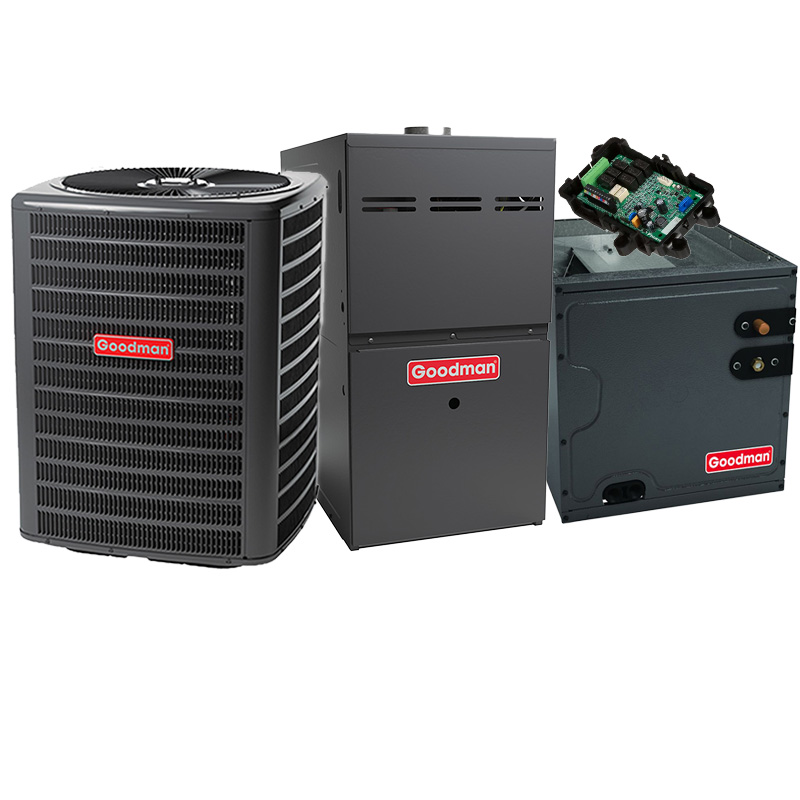
Goodman 3 Ton 14 SEER2 80000 BTU 96% AFUE Two-Stage Gas Furnace With R32 Air Condenser and Coil System – Upflow
View on AC Direct see your lowest price →Check current price on AC Direct →
Key features
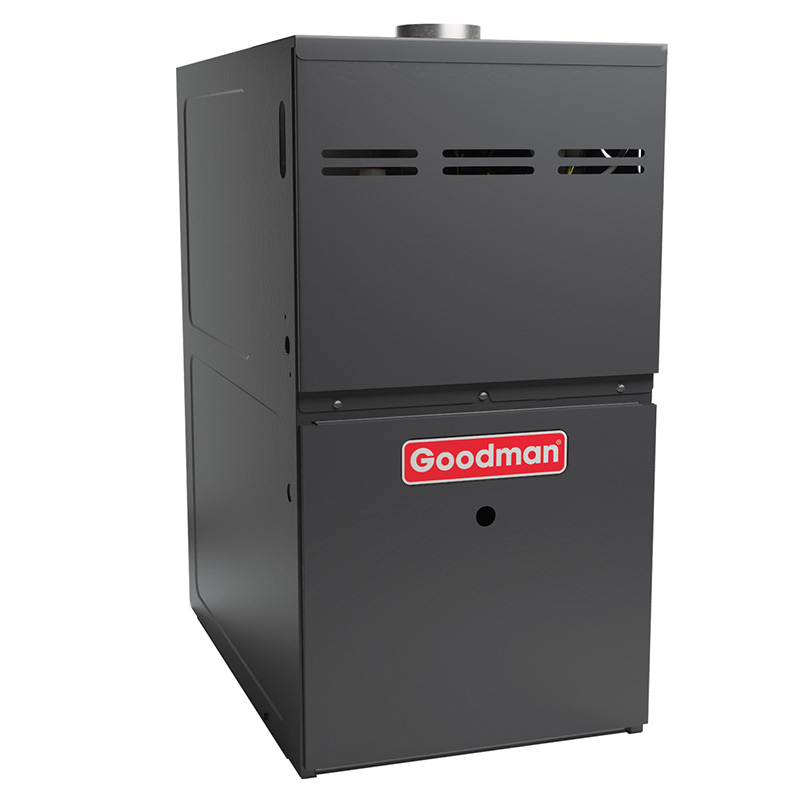
- 96% AFUE two-stage gas furnace rated at 80,000 BTU output
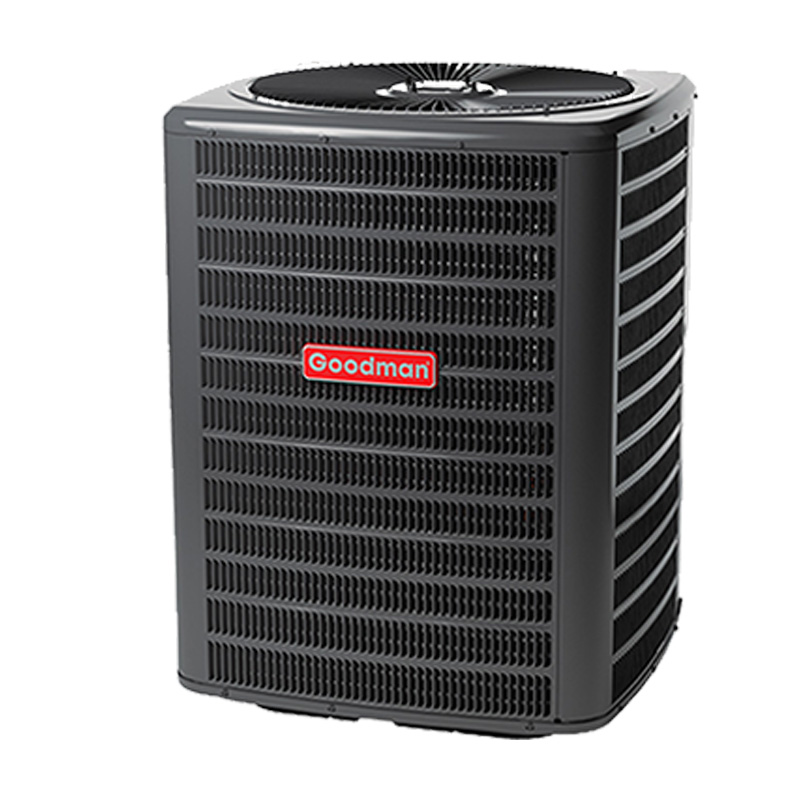
- 14 SEER2 rated air condenser for central cooling efficiency
- R-32 refrigerant with a global warming potential roughly 68% lower than R-410A
- Upflow configuration designed for basement or lower-level furnace placement
- Two-stage operation reduces short-cycling and improves comfort on mild days
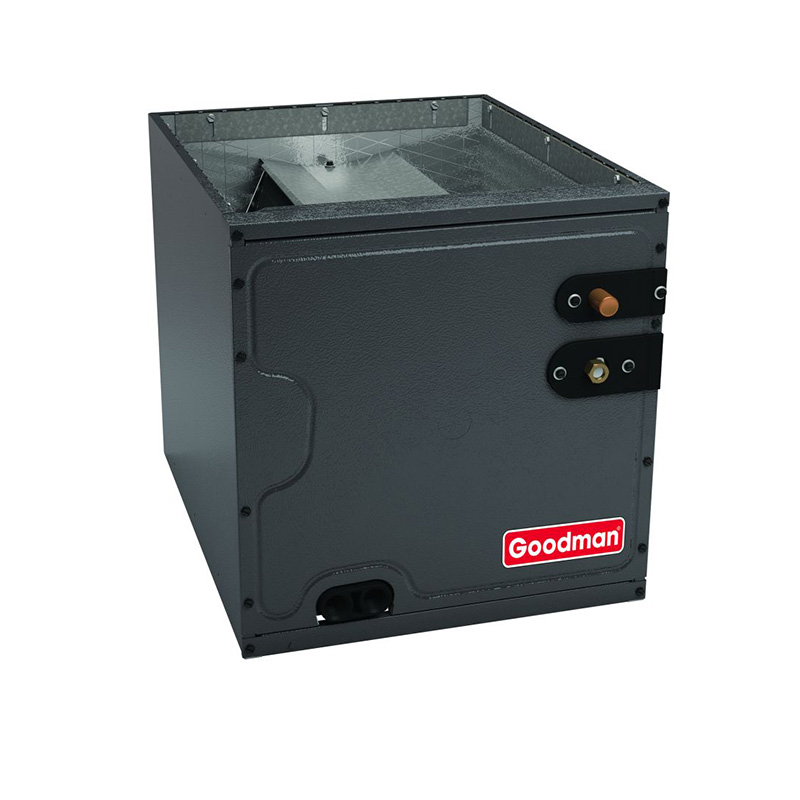
- Matched coil included, reducing compatibility guesswork at installation
About this system
The Goodman 3-ton, 14 SEER2, 96% AFUE two-stage upflow system bundles a central air condenser, evaporator coil, and gas furnace into one coordinated package. The 96% AFUE furnace rating means it converts 96 cents of every dollar of gas into usable heat, putting it firmly in the high-efficiency tier and making it eligible for federal tax credits under current guidelines. Two-stage operation on both the furnace and the outdoor unit allows the equipment to run at a lower capacity on mild days, reducing short-cycling, evening out temperatures room by room, and trimming energy bills compared with single-stage alternatives.
R-32 refrigerant is a meaningful forward-looking detail here. It carries a global warming potential roughly 68 percent lower than the R-410A it replaces, and it tends to operate at slightly higher efficiency per unit of charge. Because R-32 is a mildly flammable (A2L) refrigerant, installation must follow updated handling protocols, which some older technicians are still getting certified for. The upflow configuration suits homes with a basement or utility closet where the furnace sits below the ductwork, a very common arrangement in cold-climate builds. At 80,000 BTU output, this furnace is sized for roughly 1,800 to 2,600 square feet of well-insulated space, though a proper Manual J load calculation should always guide that decision.
This system is aimed at budget-conscious homeowners who want genuine high-efficiency specs without paying the premium associated with Carrier, Trane, or Lennox nameplate pricing. The trade-off is a brand that carries a modest reliability track record relative to those competitors, and one where long-term performance is particularly dependent on who installs it and how well it is maintained over the years.
This Goodman system delivers genuinely high-efficiency specs at a price point that undercuts most comparable premium-brand bundles by 15 to 25 percent, making it a credible choice for budget-focused buyers who plan to invest in quality installation and maintenance. Two-stage operation and 96% AFUE are real advantages that show up in monthly bills and comfort. The brand's documented reliability gaps, particularly around evaporator coil longevity and compressor lifespan compared with top-tier competitors, are trade-offs a buyer should weigh honestly before committing.
Overall score is the average of the five ratings above.
What we like
- 96% AFUE furnace qualifies for federal tax credits and meaningfully cuts heating costs
- Two-stage operation improves comfort and reduces short-cycling versus single-stage systems
- R-32 refrigerant is more environmentally responsible and carries good efficiency characteristics
- Matched coil included simplifies the purchasing and compatibility process
- Price sits 15 to 25 percent below comparable Carrier, Trane, and Lennox systems
Trade-offs
- Compressor lifespan averages 10 to 14 years, shorter than the 15 to 20 years typical of premium brands
- Evaporator coil leaks are a documented and recurring complaint in owner reviews
- Dual-run capacitors are the most reported failure point, usually surfacing in years 5 through 10
- A minority of owners report refrigerant leaks within the first year, generally traced to install or charge issues rather than a factory defect
What homeowners and pros say about Goodman
Homeowners on forums and review platforms tend to split into two camps on Goodman. Those who got a careful installation and stayed current on maintenance frequently report years of uneventful service and praise the up-front savings. Those who encountered problems point to repair bills that erode the initial discount faster than expected. Goodman holds a ConsumerAffairs rating of roughly 2.5 out of 5, though that platform is complaint-skewed by nature, and the recurring theme there is repair costs climbing after about year seven. Google dealer reviews land closer to 3.8 out of 5 across hundreds of reviews per location, where affordability is the most consistent praise and overall satisfaction is more balanced.
HVAC technicians who service this equipment regularly flag dual-run capacitor failures as the most routine Goodman repair call, a straightforward and relatively low-cost fix but one that tends to repeat. Evaporator coil leaks come up often enough in owner accounts to be a genuine concern rather than an isolated issue, and technicians note that compressor lifespan on Goodman equipment tends to run 10 to 14 years on average, compared with 15 to 20 years they typically see from Carrier, Trane, and Lennox compressors. A smaller share of first-year owners report refrigerant leaks that most pros attribute to charge errors at installation rather than factory problems, which reinforces why installer selection matters as much as equipment choice when buying into this brand.
Sources: ConsumerAffairs Goodman owner reviews, AHRI Directory of Certified Product Performance, U.S. DOE appliance and equipment efficiency standards, Goodman product specification sheets.
What it costs to run
At 14 SEER2, cooling this 3-ton system for a typical 1200-hour cooling season at the U.S. average electricity rate of $0.17/kWh works out to roughly $525 per year in cooling, about $23 less per year than a minimum-efficiency 13.4 SEER2 unit of the same size. Your real cost depends on your climate and local rate.
Method: (36,000 BTU/hr ÷ 14 SEER2) × 1200 hours ÷ 1000 × $0.17/kWh. Rate source: U.S. EIA average; cooling hours: moderate-climate estimate.
How it compares
| Brand | Comparable model | SEER2 | Stage | Price position |
|---|---|---|---|---|
| Goodman | 3-Ton 14 SEER2 / 96% AFUE Two-Stage Upflow Bundle (R-32) | 14 | Two-stage | Value pick |
| Carrier | Performance 14 Series (24ACC636 / 59TP6) | 14 | Two-stage | Typically 20 to 25 percent more than this Goodman bundle |
| Trane | XR14c / S9X2 (96% AFUE two-stage bundle) | 14-15 | Two-stage | Typically 20 to 30 percent more than this Goodman bundle |
| Lennox | Merit ML14XC1 / ML196 (96% AFUE two-stage bundle) | 14 | Two-stage | Typically 15 to 25 percent more than this Goodman bundle |
Competitor rows are comparable single-stage units at similar efficiency; price is relative position, not a quote.
Questions about this system
What does the R-32 refrigerant mean for my installer and my home?
R-32 is classified as a mildly flammable A2L refrigerant, which means your HVAC technician needs specific handling certification and must follow updated safety protocols during installation and servicing. Most newer-certified technicians are already trained for it, but it is worth confirming before you hire. In use, R-32 is safe inside the sealed system and poses no risk to occupants under normal operating conditions.
Is this system eligible for the federal energy efficiency tax credit?
The 96% AFUE furnace meets the current IRS efficiency threshold for the 25C residential energy efficiency credit, and the 14 SEER2 central air conditioner may also qualify depending on climate zone and whether it meets the combined efficiency requirements. You should verify current IRS guidance or consult a tax professional, as program details can change year to year.
How important is the installer when buying a Goodman system?
Critically important. HVAC technicians consistently point to installation quality as the single biggest variable in how long a Goodman unit lasts and how well it performs. Proper refrigerant charge, correct duct sizing, and accurate airflow setup directly affect efficiency and component longevity, and many of the first-year refrigerant leak complaints tied to this brand trace back to improper charging at installation rather than a factory defect.
What should I budget for repairs over the life of this system?
Dual-run capacitors are the most commonly reported failure item and typically cost 300 to 600 dollars to replace, usually arising somewhere in years 5 through 10. Evaporator coil leaks are the more expensive concern and a recurring theme in owner feedback. Compressor replacement or failure is less common before year 10 but more likely in the 10-to-14-year window than it would be with a premium brand, so setting aside a repair fund after year seven is a reasonable precaution.
Does the upflow configuration work with my home, and can it be converted?
Upflow means the furnace pulls return air in at the bottom and discharges heated or cooled air upward into the duct system, which is the standard arrangement when a furnace sits in a basement or lower-level utility room with ductwork running overhead. If your ductwork runs below the furnace, you would need a downflow or horizontal model instead. Upflow furnaces are not field-convertible, so confirming your duct configuration before purchasing is essential.
Specifications
| Cooling capacity | 3 Ton |
| Efficiency | 14 SEER2 |
| Furnace output | 80000 BTU |
| Furnace efficiency | 96% AFUE |
| Configuration | Upflow |
| Refrigerant | R-32 |