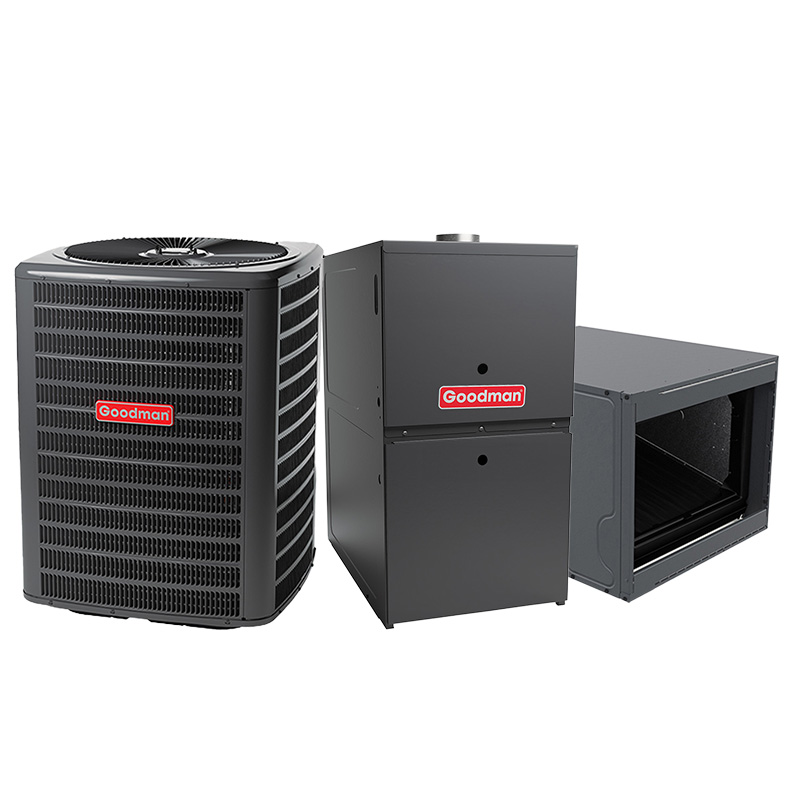
Goodman 3 Ton 14 SEER2 AC & Gas Furnace System – Two Stage Variable-Speed, 80000 BTU Gas Furnace, 80% AFUE, Horizontal, R32
View on AC Direct see your lowest price →Check current price on AC Direct →
Key features
- Two-stage compressor reduces short-cycling and improves humidity control on moderate-temperature days
- Variable-speed ECM blower delivers quieter operation and more consistent airflow than single-speed alternatives
- Horizontal cabinet orientation designed for attic, crawl-space, and side-load closet installations
- R-32 refrigerant with lower global-warming potential than legacy R-410A systems
- 80,000 BTU output at 80% AFUE, suitable for moderate-to-cold climates with mid-range heating loads
- 14 SEER2 efficiency rating meets federal minimums across most U.S. climate zones
About this system
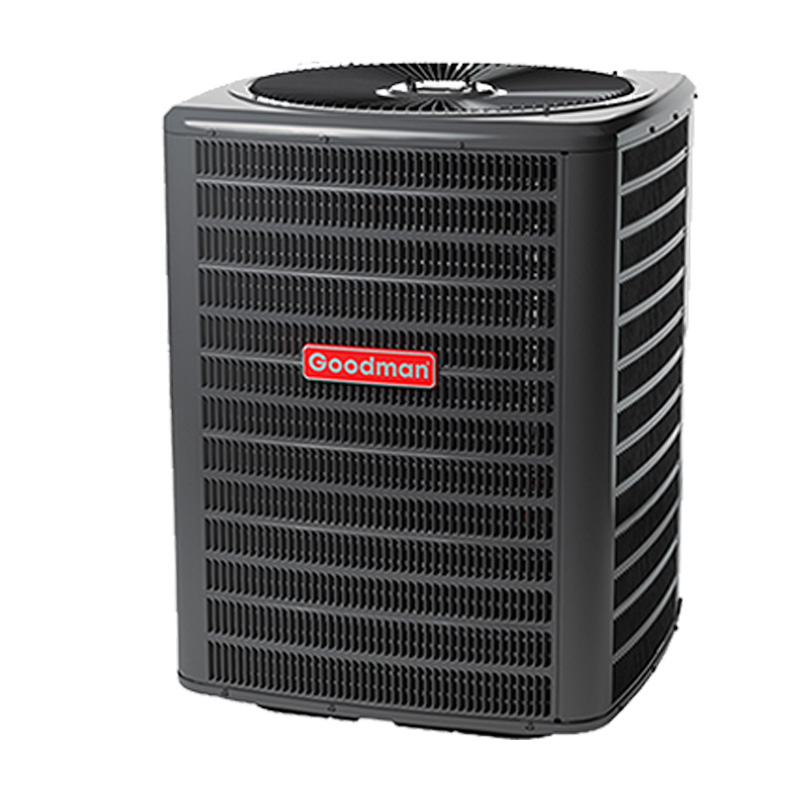
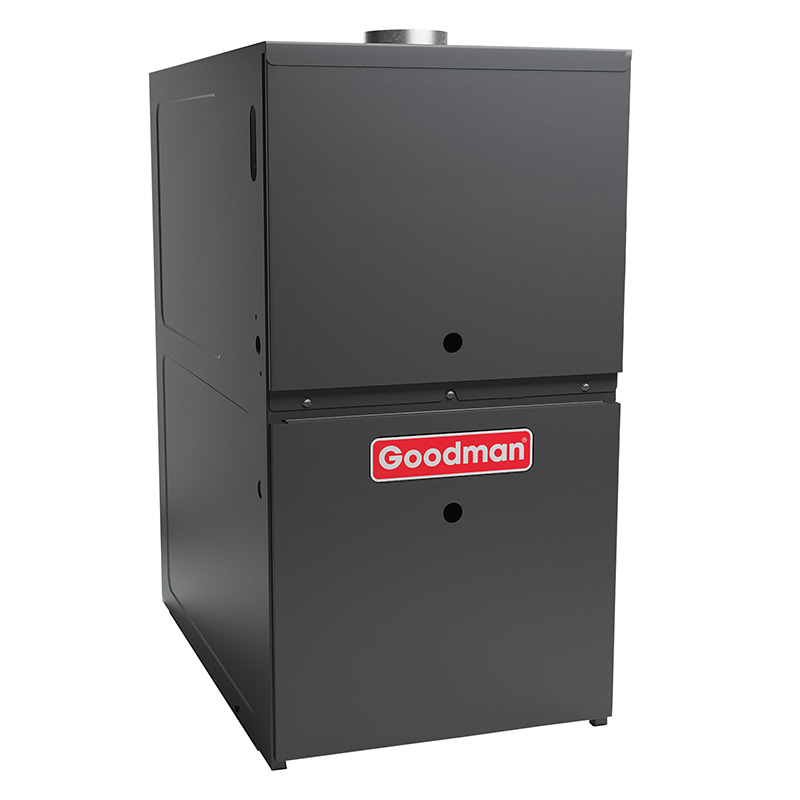
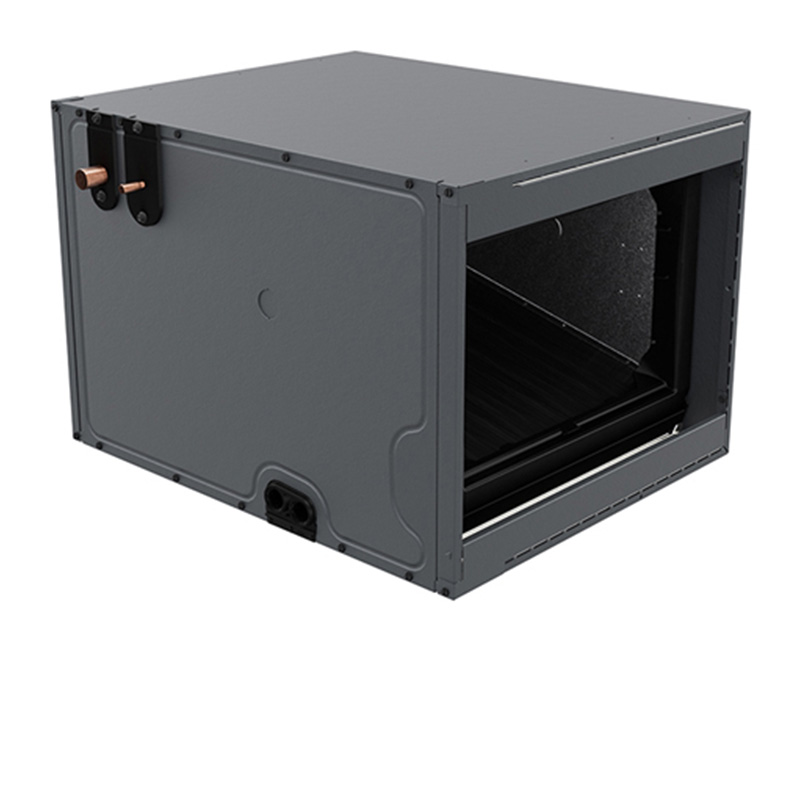
This Goodman 3-ton, 14 SEER2 system pairs a two-stage, variable-speed air conditioner with an 80,000 BTU, 80% AFUE horizontal gas furnace. The horizontal configuration is purpose-built for attic or crawl-space installations where vertical clearance is limited, making it a practical fit for ranch-style homes, manufactured housing, and additions where ductwork runs parallel to the floor. R-32 refrigerant carries a lower global-warming potential than the R-410A it replaces, and its higher energy density allows for slightly smaller refrigerant charges.
The two-stage compressor runs at a reduced capacity on mild days, which cuts cycling, reduces humidity swings, and lowers wear compared to a single-stage unit. The variable-speed air handler fan ramps up and down gradually, which means quieter startup, more even temperature distribution, and better dehumidification than a fixed-speed blower. At 80% AFUE, the furnace is a mid-efficiency unit: one-fifth of the heat energy in the gas goes up the flue, so homeowners in colder climates or those facing high gas prices may want to weigh a 96% AFUE upgrade. At 14 SEER2, efficiency clears the federal minimum in most U.S. regions but sits at the lower end of the two-stage market.
Goodman positions this system as a budget-conscious upgrade over builder-grade single-stage equipment. It is a reasonable choice for homeowners who want two-stage comfort features without the premium pricing of Trane, Lennox, or Carrier, provided the installation is handled by an experienced technician. Goodman’s reputation is closely tied to install quality, and that reality should weigh heavily in contractor selection.
This system delivers genuine two-stage comfort at a price point meaningfully below comparable Carrier, Trane, and Lennox equipment, making it a workable choice for budget-conscious buyers who prioritize upfront cost. The trade-off is a brand track record that shows a shorter compressor lifespan, documented coil leak reports, and reliability that hinges heavily on installation quality. Buyers who secure a skilled installer and budget for potential capacitor and coil repairs past year seven will get reasonable value; those expecting premium-brand durability should look higher.
Overall score is the average of the five ratings above.
What we like
- Two-stage operation improves comfort and humidity control compared to single-stage systems at similar price points
- Variable-speed blower provides quieter, more even airflow throughout the home
- Priced roughly 15 to 25 percent below comparable Trane, Lennox, and Carrier systems
- R-32 refrigerant is more environmentally responsible than R-410A
- Horizontal configuration serves attic and crawl-space applications that vertical units cannot
Trade-offs
- Compressor longevity averages 10 to 14 years versus 15 to 20 years seen in premium-brand equipment
- Evaporator coil leaks appear in a meaningful share of owner reviews, a recurring cost concern after the warranty period
- 80% AFUE means higher ongoing gas costs compared to 90%-plus condensing furnaces, especially in colder regions
- Overall reliability is strongly dependent on installer skill; a poor installation can accelerate failure of capacitors, coils, and refrigerant lines
What homeowners and pros say about Goodman
Homeowners who share feedback on Goodman systems tend to split along a predictable line. In the early years, the most common praise is straightforward: the system works, it cost less than a Trane or Carrier quote, and the comfort improvement over old single-stage equipment is noticeable. On Google dealer review aggregates, Goodman locations average around 3.8 out of 5 stars across hundreds of reviews, with affordability cited most often as the reason for satisfaction. That score reflects a real segment of buyers who got a solid install and have not hit a significant repair yet.
The picture shifts after roughly year seven. On ConsumerAffairs, where the channel skews toward people motivated to report a problem, Goodman sits at about 2.5 out of 5, and the recurring theme is repair costs that feel disproportionate to the original savings. The specific failure modes that appear most often in owner accounts are dual-run capacitor failures, which are a low-cost fix in the 300 to 600 dollar range when addressed quickly; evaporator coil leaks, which are more expensive and more disruptive; and compressor lifespans that tend to fall in the 10-to-14-year range rather than the 15-to-20 years owners of premium-brand systems sometimes report. A smaller group reports refrigerant leaks within the first year, a pattern that experienced HVAC pros generally attribute to installation error rather than a factory defect. The honest takeaway is that Goodman is not a bad product; it is a price-sensitive product whose long-term results are unusually sensitive to how well it was installed and how promptly repairs are made.
Sources: ConsumerAffairs Goodman owner reviews, AHRI Directory of Certified Product Performance, U.S. DOE appliance and equipment efficiency standards, Goodman product specification sheets.
What it costs to run
At 14 SEER2, cooling this 3-ton system for a typical 1200-hour cooling season at the U.S. average electricity rate of $0.17/kWh works out to roughly $525 per year in cooling, about $23 less per year than a minimum-efficiency 13.4 SEER2 unit of the same size. Your real cost depends on your climate and local rate.
Method: (36,000 BTU/hr ÷ 14 SEER2) × 1200 hours ÷ 1000 × $0.17/kWh. Rate source: U.S. EIA average; cooling hours: moderate-climate estimate.
How it compares
| Brand | Comparable model | SEER2 | Stage | Price position |
|---|---|---|---|---|
| Goodman | GSZTO / GMVM / This System | 14 | Two-stage | Value pick |
| Carrier | Comfort 14 (24ACC4) series | 14 | Single-stage | Typically 15 to 25 percent more than this Goodman system |
| Trane | XR14c series | 14 | Single-stage | Typically 15 to 25 percent more than this Goodman system |
| Lennox | Merit 14ACX series | 14 | Single-stage | Typically 15 to 25 percent more than this Goodman system |
Competitor rows are comparable single-stage units at similar efficiency; price is relative position, not a quote.
Questions about this system
Is the horizontal configuration only for attic installs, or can it work in other locations?
Horizontal units are designed for any space where the cabinet must lie on its side, including crawl spaces, side-load closets, and some garage installations. They are not interchangeable with upflow or downflow vertical configurations, so confirm your existing duct orientation before ordering.
Why does the furnace show 80% AFUE instead of the 96% units I keep seeing advertised?
An 80% AFUE furnace vents combustion gases through a conventional flue, which is required when a high-efficiency condensing furnace cannot be vented properly or when replacing an existing 80% system without re-running exhaust piping. If your home already has PVC venting for a condensing furnace, upgrading to a higher-AFUE unit may make economic sense over time, particularly in colder climates.
What is the most common repair I should budget for on this Goodman system?
Dual-run capacitor failure is the most frequently documented issue across Goodman equipment; it typically runs 300 to 600 dollars to fix and is a quick repair when caught early. Evaporator coil leaks and refrigerant issues are also reported by a meaningful share of owners, generally becoming more likely after year seven.
Does R-32 refrigerant cost more to recharge than R-410A if there is a leak?
R-32 is currently priced competitively with R-410A and in many markets costs less per pound, partly because it requires a smaller charge by weight. However, R-32 is mildly flammable, so recharge work must be done by a certified technician with appropriate equipment; it is not a DIY refrigerant.
How important is installer choice with a Goodman system compared to a premium brand?
It matters with every brand, but it is especially critical with Goodman. HVAC technicians consistently note that Goodman's longevity and performance depend more heavily on installation quality than premium competitors do. A minority of owners have reported refrigerant leaks within the first year, most of which trace back to improper installation or charging rather than a product defect. Choosing an experienced contractor and verifying the refrigerant charge at startup is one of the best investments you can make with this system.
Specifications
| Cooling capacity | 3 Ton |
| Efficiency | 14 SEER2 |
| Furnace output | 80000 BTU |
| Furnace efficiency | 80% AFUE |
| Configuration | Horizontal |
| Refrigerant | R-32 |