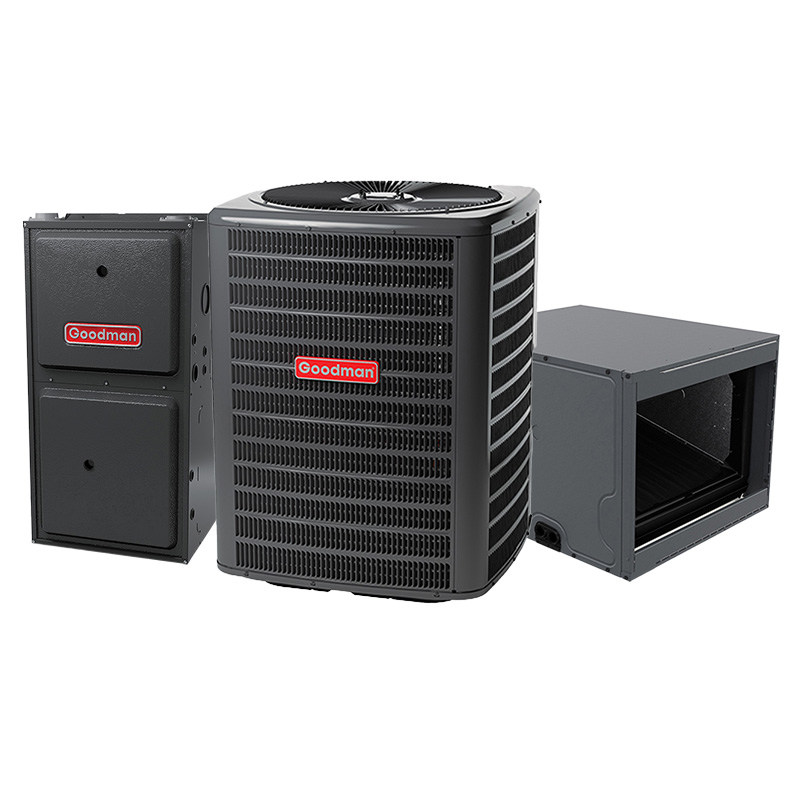
Goodman 3 Ton 14 SEER2 AC With 80000 BTU 96% AFUE 2-Stage Variable-Speed ECM Gas Furnace System – Horizontal | R32
View on AC Direct see your lowest price →Check current price on AC Direct →
Key features
- 3-ton cooling capacity with 14 SEER2 efficiency rating
- 80,000 BTU two-stage gas furnace at 96% AFUE
- Variable-speed ECM blower motor for quieter, more consistent airflow
- Horizontal orientation designed for attic and crawlspace installs
- R-32 refrigerant, lower global warming potential than R-410A
- Two-stage heating reduces temperature swings on mild-weather days
About this system
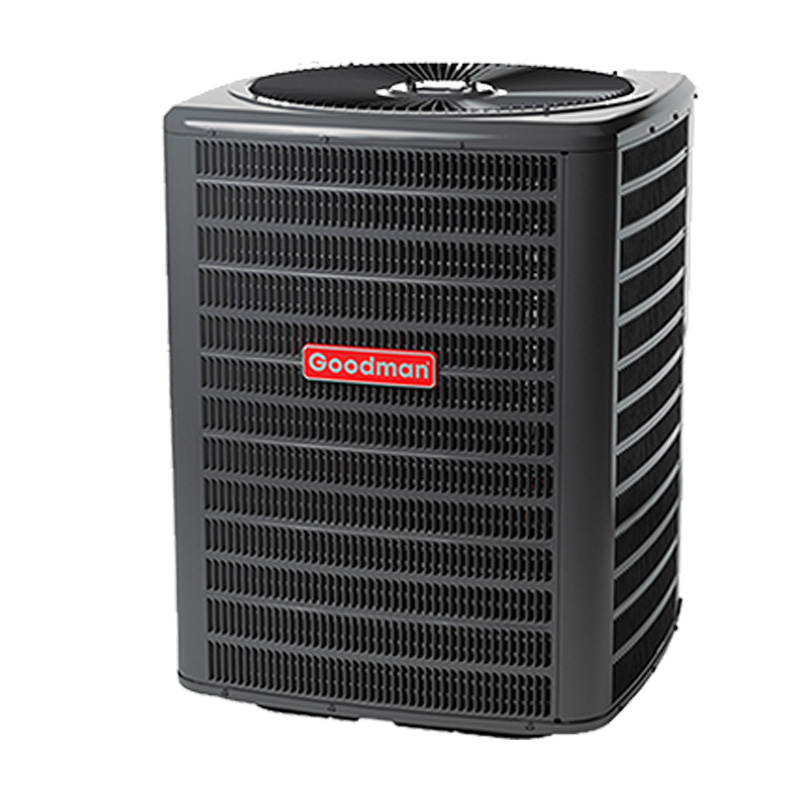
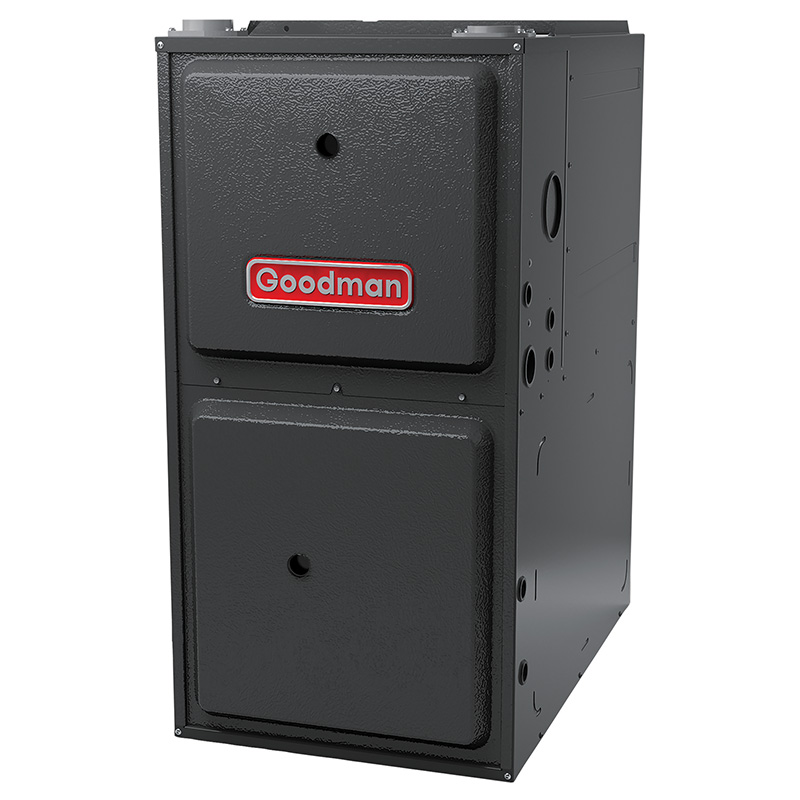
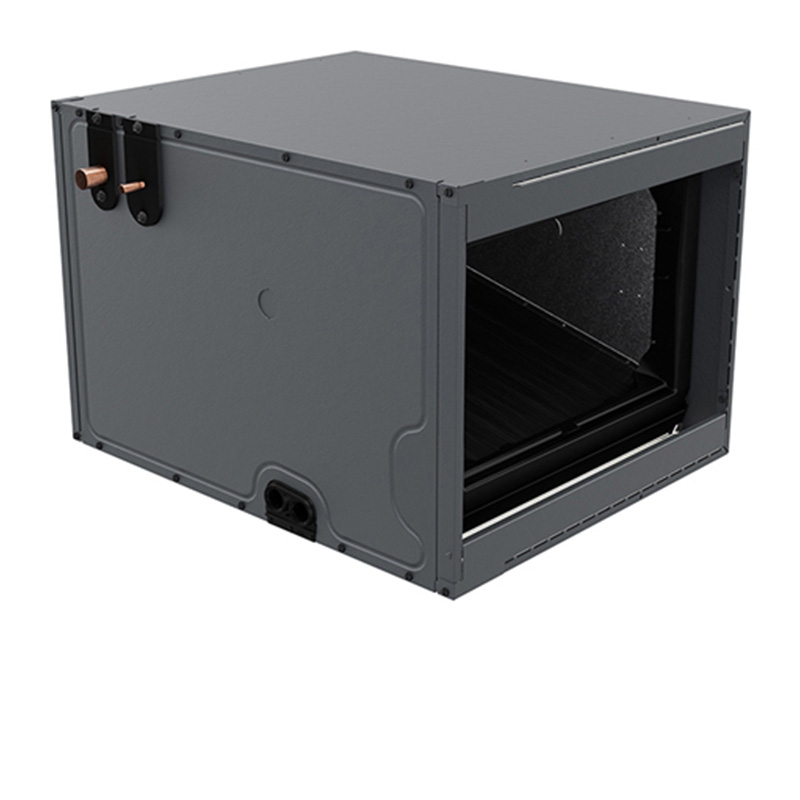
This Goodman horizontal system pairs a 3-ton, 14 SEER2 air conditioner with an 80,000 BTU, 96% AFUE two-stage, variable-speed ECM gas furnace. The horizontal configuration is built specifically for attic installations and tight crawlspace applications where a vertical unit simply will not fit, making it a realistic option for ranch-style homes, manufactured housing, and additions where duct runs originate from above or below. R-32 refrigerant carries a lower global warming potential than R-410A and is gradually becoming the new standard as R-410A is phased out, so this system is positioned for near-term regulatory compliance.
The 96% AFUE rating means roughly 96 cents of every dollar spent on gas becomes usable heat, which puts this furnace in the high-efficiency tier. Two-stage heating and a variable-speed ECM blower motor allow the system to run at a lower capacity on mild days, which reduces temperature swings, lowers noise, and improves humidity control compared to a single-stage unit. At 14 SEER2, the cooling side meets current federal minimums for most U.S. climate regions and is a step above baseline efficiency, though it falls short of premium 18-plus SEER2 systems if maximum energy savings are the priority.
This bundle suits budget-conscious homeowners replacing an older system, landlords managing operating costs, or buyers who plan to stay in a property for 8 to 12 years and want a modern, code-compliant system without paying a premium-brand premium. It is not the right fit for buyers who want top-tier long-term reliability data or the absolute lowest utility bills over a 20-year horizon.
This Goodman horizontal bundle delivers genuinely high-efficiency heating and solid cooling at a price point 15 to 25 percent below comparable Trane, Carrier, and Lennox packages, making it a defensible choice for cost-focused buyers. The two-stage furnace and ECM blower are real comfort upgrades over entry-level alternatives, but Goodman's documented failure modes and shorter average compressor lifespan mean ongoing maintenance costs and repair frequency deserve honest consideration. Install quality is the single biggest variable in how this system performs and how long it lasts.
Overall score is the average of the five ratings above.
What we like
- 96% AFUE furnace keeps gas bills lower than mid-efficiency alternatives
- Two-stage operation and ECM blower improve comfort and humidity control over single-stage systems
- Horizontal configuration fills a genuine gap for attic and crawlspace applications
- R-32 refrigerant aligns with current and upcoming regulatory direction
- Significantly lower upfront cost than premium-brand equivalents at similar specs
Trade-offs
- Dual-run capacitors are the most frequently reported failure point, typically requiring a 300 to 600 dollar repair
- Evaporator coil leaks appear in a meaningful share of owner reports, adding potential mid-life repair costs
- Compressor lifespan averages 10 to 14 years versus 15 to 20 years for premium brands
- 14 SEER2 is the current federal minimum threshold in many regions, offering limited efficiency headroom over the long run
What homeowners and pros say about Goodman
Homeowners who have gone with Goodman tend to land in two camps. Those who got a careful, experienced installer and kept up with annual maintenance generally report solid performance and point to the lower purchase price as a genuine win. Goodman’s Google dealer scores hover around 3.8 out of 5, and affordability is by far the most repeated compliment. The ConsumerAffairs rating tells a rougher story at about 2.5 out of 5, and the complaints there follow a pattern worth noting: owners describe repair costs that start climbing around year seven, often beginning with dual-run capacitor failures in the 300 to 600 dollar range. Evaporator coil leaks also appear with enough regularity to be a planning consideration rather than a rare edge case.
HVAC technicians who work on Goodman equipment frequently repeat the same observation: the brand performs closer to its specs when the installation is clean and thorough, and it underperforms faster when it is not. The compressor lifespan question is the one that separates Goodman most clearly from Carrier, Trane, and Lennox at this spec level. Goodman compressors tend to average 10 to 14 years in the field, versus 15 to 20 years that premium brands more consistently achieve. For this horizontal two-stage system specifically, techs also note that attic installs add thermal stress in summer months, which can accelerate wear on components that are already in Goodman’s documented risk list. The practical takeaway is that the upfront savings are real, the trade-off in expected longevity is also real, and the quality of the installer is the most controllable variable in the outcome.
Sources: ConsumerAffairs Goodman owner reviews, AHRI Directory of Certified Product Performance, U.S. DOE appliance and equipment efficiency standards, Goodman product specification sheets.
What it costs to run
At 14 SEER2, cooling this 3-ton system for a typical 1200-hour cooling season at the U.S. average electricity rate of $0.17/kWh works out to roughly $525 per year in cooling, about $23 less per year than a minimum-efficiency 13.4 SEER2 unit of the same size. Your real cost depends on your climate and local rate.
Method: (36,000 BTU/hr ÷ 14 SEER2) × 1200 hours ÷ 1000 × $0.17/kWh. Rate source: U.S. EIA average; cooling hours: moderate-climate estimate.
How it compares
| Brand | Comparable model | SEER2 | Stage | Price position |
|---|---|---|---|---|
| Goodman | 3 Ton 14 SEER2 AC / 80K BTU 96% AFUE 2-Stage ECM Horizontal | 14 | Two-stage furnace / single-stage AC | Value pick |
| Carrier | Performance Series 24ACC6 / 58TP (96% AFUE two-stage) | 14-15 | Two-stage furnace / single-stage AC | Typically 15 to 25 percent more than Goodman |
| Trane | XR14 / S9X2 (96% AFUE two-stage) | 14 | Two-stage furnace / single-stage AC | Typically 15 to 25 percent more than Goodman |
| Lennox | Merit ML14XC1 / ML196E (96% AFUE two-stage) | 14-15 | Two-stage furnace / single-stage AC | Typically 15 to 25 percent more than Goodman |
Competitor rows are comparable single-stage units at similar efficiency; price is relative position, not a quote.
Questions about this system
Why does this system use a horizontal configuration, and can it be installed vertically?
The horizontal configuration means the air handler and furnace are oriented to lie on their side, which is specifically engineered for attic platforms and low-clearance crawlspace installations. It is not interchangeable with a vertical upflow or downflow configuration, so you need to confirm your installation space and duct orientation with your installer before purchasing.
Is R-32 refrigerant safe and easy to service?
R-32 is mildly flammable but is widely considered manageable under standard HVAC safety practices, and it has a global warming potential about two-thirds lower than R-410A. Most EPA-certified technicians can handle it, though you should confirm your local service providers are equipped and trained for R-32 before committing to this system.
What is the real-world difference between two-stage and single-stage heating in daily use?
On most days, the furnace runs on the lower first stage, which produces gentler, more even heat and reduces the blasts of hot air associated with single-stage systems. The second stage activates during the coldest weather or when the home needs a fast temperature recovery, which also reduces short-cycling and can modestly lower fuel consumption over a heating season.
Goodman has mixed online reviews. Should I be worried about reliability?
Goodman scores around 2.5 out of 5 on ConsumerAffairs, a complaint-heavy channel, and around 3.8 out of 5 across Google dealer reviews where affordability is the most cited positive. The documented failure modes to budget for are dual-run capacitors (a common, relatively low-cost fix), evaporator coil leaks, and a compressor lifespan that tends to average 10 to 14 years rather than the 15 to 20 years typical of premium brands. A strong installer, a maintenance plan, and setting aside a repair fund are the practical ways to manage this.
What warranty comes with this system, and what does it actually cover?
Goodman generally offers a 10-year parts limited warranty when the unit is registered within a set window after installation, covering components such as the compressor, heat exchanger, and functional parts. Labor is not covered by the manufacturer, and warranty terms can vary, so read the specific registration requirements carefully and ask your installer about extended labor coverage options.
Specifications
| Cooling capacity | 3 Ton |
| Efficiency | 14 SEER2 |
| Furnace output | 80000 BTU |
| Furnace efficiency | 96% AFUE |
| Configuration | Horizontal |
| Refrigerant | R-32 |