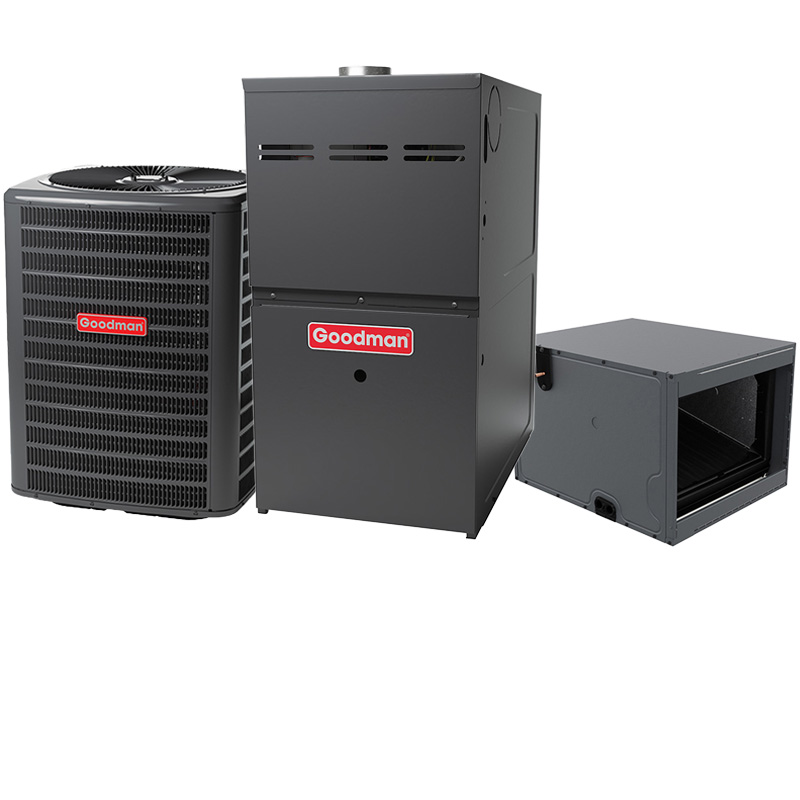
Goodman 3 Ton 15.2 SEER2 60000 BTU 80% AFUE Multi-Speed ECM Gas Furnace System – Horizontal | R32
View on AC Direct see your lowest price →Check current price on AC Direct →
Key features
- 15.2 SEER2 cooling efficiency, meeting and exceeding 2023 federal minimums for most regions
- 80% AFUE multi-speed ECM gas furnace in a horizontal configuration
- R-32 refrigerant with lower global-warming potential than R-410A
- ECM blower motor reduces electrical draw versus single-speed PSC motors
- 3-ton / 36,000 BTU-h cooling capacity suited to roughly 1,500 to 2,000 sq ft depending on climate and insulation
- Designed for attic, crawl-space, or side-discharge installs where vertical units do not fit
About this system
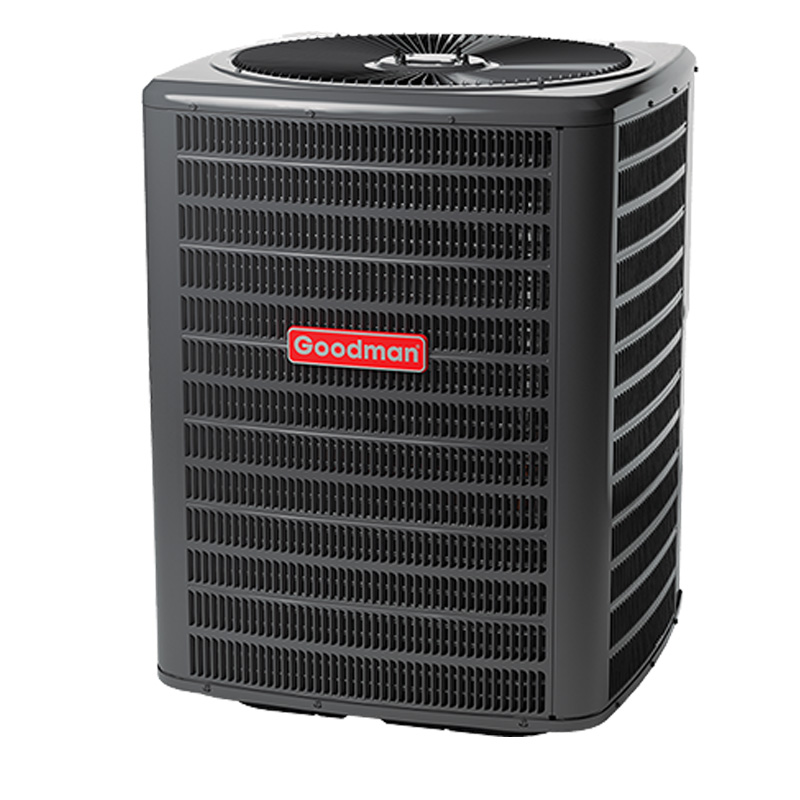
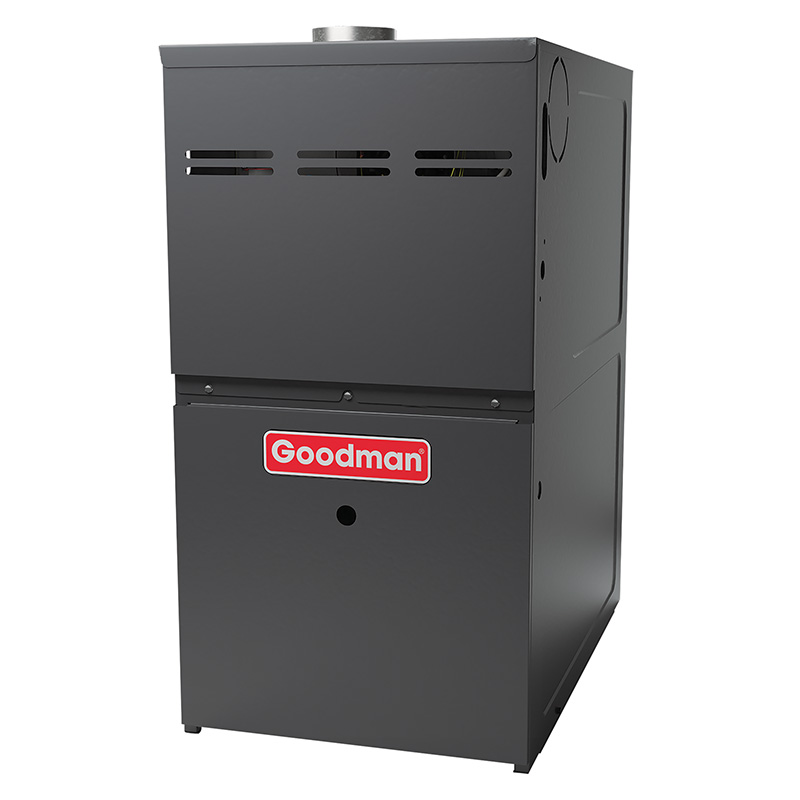
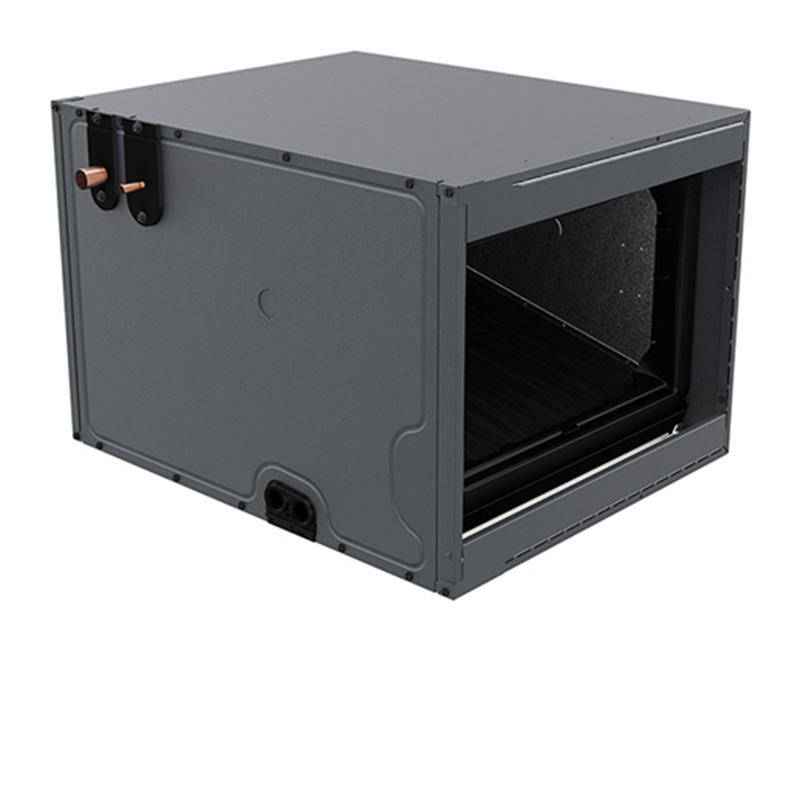
The Goodman 3-ton, 15.2 SEER2 horizontal gas furnace system pairs a 3-ton R-32 cooling unit with a 60,000 BTU, 80% AFUE multi-speed ECM furnace in a horizontal configuration, making it a practical choice for attic installs, crawl spaces, and tight utility closets where upright orientation is not feasible. The 15.2 SEER2 rating lands just above the federal minimum for most U.S. regions, delivering real-world energy savings over older 14 SEER equipment without climbing into the premium price territory of 17-plus SEER2 systems. The ECM blower motor runs at multiple speeds to better match actual load conditions, which reduces short-cycling, lowers electricity consumption on the air-handler side, and helps with humidity control compared to a single-speed PSC motor.
At 80% AFUE, this furnace converts eight of every ten units of fuel into usable heat. That figure is the entry point for modern efficiency and is a reasonable fit for mild to moderate heating climates; homeowners in northern states or those with high natural gas prices should weigh whether a 96% AFUE condensing unit would close the efficiency gap faster than the upfront price difference. R-32 refrigerant has a lower global-warming potential than the older R-410A it replaces, and it is the refrigerant standard Goodman is moving toward across its newer product lines, so parts and service should remain accessible for the foreseeable future. This system suits budget-conscious buyers who need a horizontal-mount solution and want a recognizable brand with a national installer network.
This Goodman system gives homeowners a code-compliant, functional heating and cooling package at a price point that is typically 15 to 25 percent below comparable Carrier, Trane, or Lennox equipment. The horizontal configuration fills a specific installation need that competing budget brands do not always cover well. The trade-off is a documented mid-life reliability curve and a compressor lifespan that tends to trail premium brands, so buyers should plan for a maintenance budget rather than set-and-forget ownership.
Overall score is the average of the five ratings above.
What we like
- Price sits 15 to 25 percent below Carrier, Trane, and Lennox equivalents for the same efficiency tier
- Horizontal-specific design simplifies attic and crawl-space installs versus adapting a vertical unit
- ECM motor improves part-load efficiency and comfort over standard single-speed blowers
- R-32 refrigerant ensures compliance with evolving environmental regulations and long-term parts availability
- Wide national installer network makes warranty service and routine maintenance straightforward to schedule
Trade-offs
- 80% AFUE is the lowest efficiency tier available; fuel costs will be higher than with a 90%-plus condensing furnace, especially in cold climates
- Compressor life averages 10 to 14 years versus 15 to 20 years typical of premium brands, raising long-run replacement cost
- Dual-run capacitor failures and evaporator coil leaks are documented recurring issues that can raise maintenance costs after year 7
- ConsumerAffairs reviews average around 2.5 out of 5, with repair expense complaints becoming more frequent in the second half of the equipment's life
What homeowners and pros say about Goodman
Homeowners who have lived with Goodman equipment tend to split into two camps: those who had a smooth install and ran the system for a decade with only minor repairs, and those who encountered problems in the second half of ownership and found the repair costs frustrating relative to the original price paid. Google dealer reviews across Goodman installers average around 3.8 out of 5, where affordability is the most consistent praise, and most early-ownership experiences are described as satisfactory. ConsumerAffairs tells a harder story, averaging about 2.5 out of 5, with the dominant complaint being that repair costs begin climbing noticeably around year 7. That gap between the two ratings is worth understanding: Google reviews skew toward recent installations and satisfied customers, while ConsumerAffairs captures owners who specifically sought out a platform to report a problem.
HVAC technicians are generally candid about Goodman: the equipment works when it is installed correctly and maintained, but it leaves less margin for an imperfect install or deferred tune-ups than a Trane or Carrier unit of the same age. The specific failure modes they flag most often on Goodman systems are dual-run capacitor failures, which are common but inexpensive to fix, evaporator coil leaks that show up in a meaningful share of owner reports, and compressors that tend to reach end of life between 10 and 14 years rather than the 15 to 20 years a premium brand compressor might see. A small percentage of owners also report refrigerant leaks within the first year, which technicians generally attribute to installation or charge errors rather than a factory defect. For a horizontal-mount application where upfront cost is the primary constraint, this system is a workable choice, provided buyers factor in a realistic maintenance budget for the back half of its life.
Sources: ConsumerAffairs Goodman owner reviews, AHRI Directory of Certified Product Performance, U.S. DOE appliance and equipment efficiency standards, Goodman product specification sheets.
What it costs to run
At 15.2 SEER2, cooling this 3-ton system for a typical 1200-hour cooling season at the U.S. average electricity rate of $0.17/kWh works out to roughly $483 per year in cooling, about $65 less per year than a minimum-efficiency 13.4 SEER2 unit of the same size. Your real cost depends on your climate and local rate.
Method: (36,000 BTU/hr ÷ 15.2 SEER2) × 1200 hours ÷ 1000 × $0.17/kWh. Rate source: U.S. EIA average; cooling hours: moderate-climate estimate.
How it compares
| Brand | Comparable model | SEER2 | Stage | Price position |
|---|---|---|---|---|
| Goodman | 3-Ton 15.2 SEER2 / 60k BTU 80% AFUE ECM Horizontal R-32 | 15.2 | Multi-speed | Value pick |
| Carrier | Comfort Series (24ACC636 / 58SB) | 15.2 | Single-stage | Typically 15 to 25 percent more than Goodman |
| Trane | XR15 / S8B1 | 15.0-15.2 | Single-stage | Typically 15 to 25 percent more than Goodman |
| Lennox | Merit Series (ML15XC1 / ML180) | 15.2 | Single-stage | Typically 15 to 25 percent more than Goodman |
Competitor rows are comparable single-stage units at similar efficiency; price is relative position, not a quote.
Questions about this system
Is 80% AFUE good enough, or should I pay more for a 96% furnace?
80% AFUE meets federal minimums and is adequate in mild-to-moderate heating climates, but in colder northern states the extra fuel burned each season can offset the upfront savings of the 80% unit within 5 to 8 years. Run a heat-load calculation and get natural gas cost projections for your area before deciding.
What does the horizontal configuration mean for my install, and does it limit airflow?
Horizontal orientation means the unit lies on its side, discharging air sideways rather than upward, which is standard for attic platforms and certain crawl-space builds. Airflow performance is equivalent to a vertical unit of the same tonnage when installed correctly; the key requirement is a level, vibration-dampened platform and properly sized ductwork.
How serious is the capacitor failure issue I keep reading about with Goodman?
Dual-run capacitor failure is the most commonly reported repair on Goodman equipment, but it is also one of the least expensive HVAC repairs, typically running between $300 and $600 including a service call. It is worth having a technician check capacitor health during annual maintenance, especially after year 5.
Does this system use R-32, and will refrigerant be easy to find if I have a leak?
Yes, this system is charged with R-32, which is becoming the industry standard as manufacturers phase out R-410A. R-32 is currently widely available through HVAC distributors, and supply is expected to grow rather than shrink over the coming decade. Any early-life refrigerant leak should be treated as an installation or charge issue and addressed under warranty.
What warranty does this Goodman system carry, and what do I need to do to keep it valid?
Goodman typically offers a 10-year parts limited warranty on registered equipment, which requires registration within a specified window after installation, usually 60 days. Labor is not covered under the manufacturer warranty, so a service agreement with your installer is worth pricing separately. Confirm the exact warranty terms on the registration card that ships with your unit, as coverage can vary by model and region.
Specifications
| Cooling capacity | 3 Ton |
| Efficiency | 15.2 SEER2 |
| Furnace output | 60000 BTU |
| Furnace efficiency | 80% AFUE |
| Configuration | Horizontal |
| Refrigerant | R-32 |