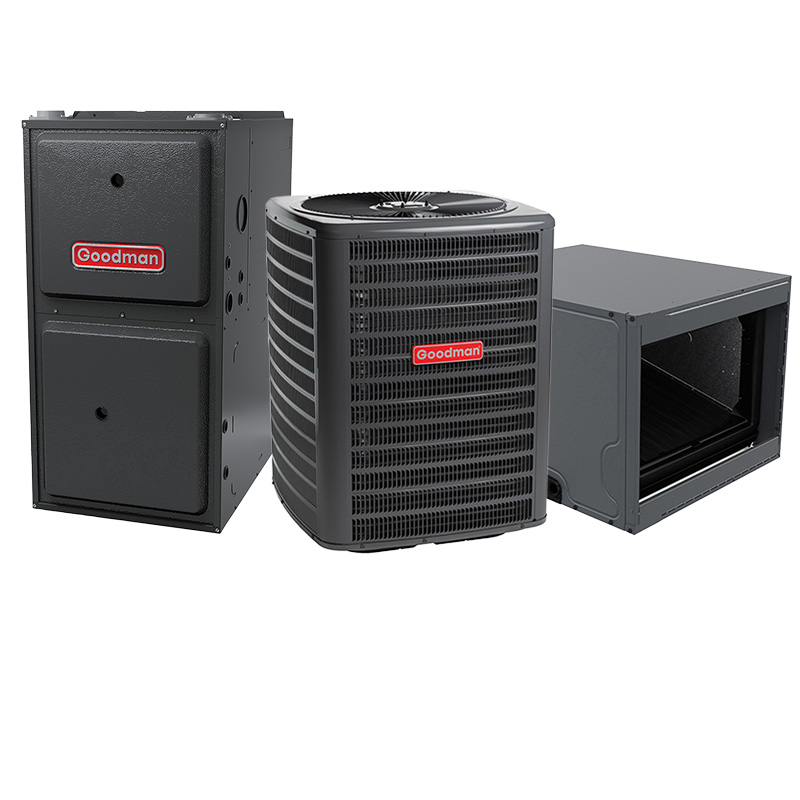
Goodman 3 Ton 15.2 SEER2 60000 BTU 80% AFUE Two Stage Multi-Speed ECM Gas Furnace System – Horizontal | R32
View on AC Direct see your lowest price →Check current price on AC Direct →
Key features
- 3-ton cooling capacity, 15.2 SEER2 efficiency rating
- Two-stage gas furnace at 60,000 BTU and 80% AFUE
- Multi-speed ECM blower motor for quieter, more even airflow
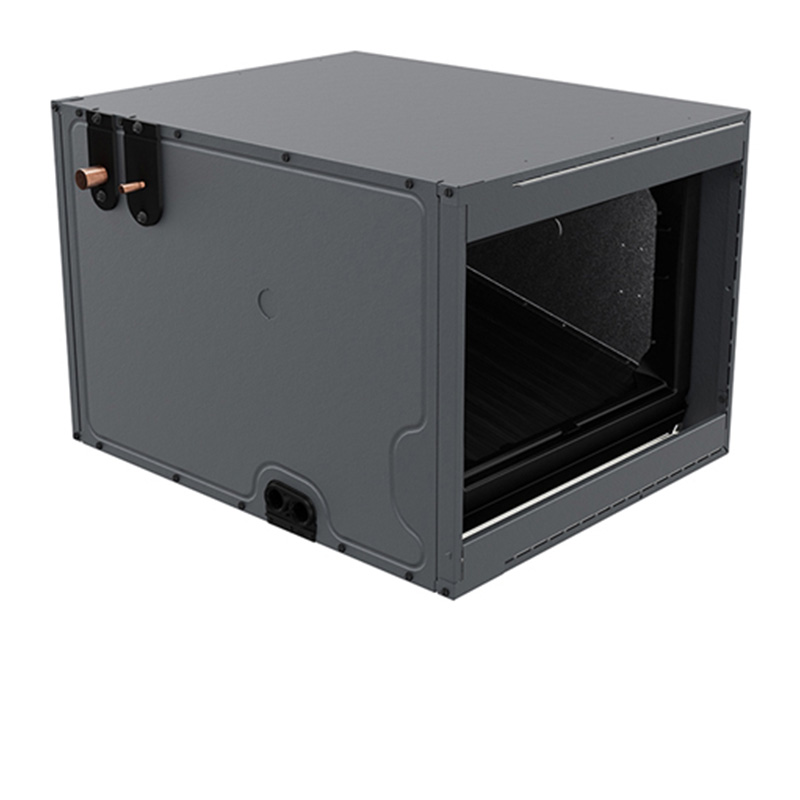
- Horizontal configuration for attic or crawlspace installs
- R-32 refrigerant with lower global warming potential than R-410A
- 10-year parts warranty when registered within 60 days of install
About this system
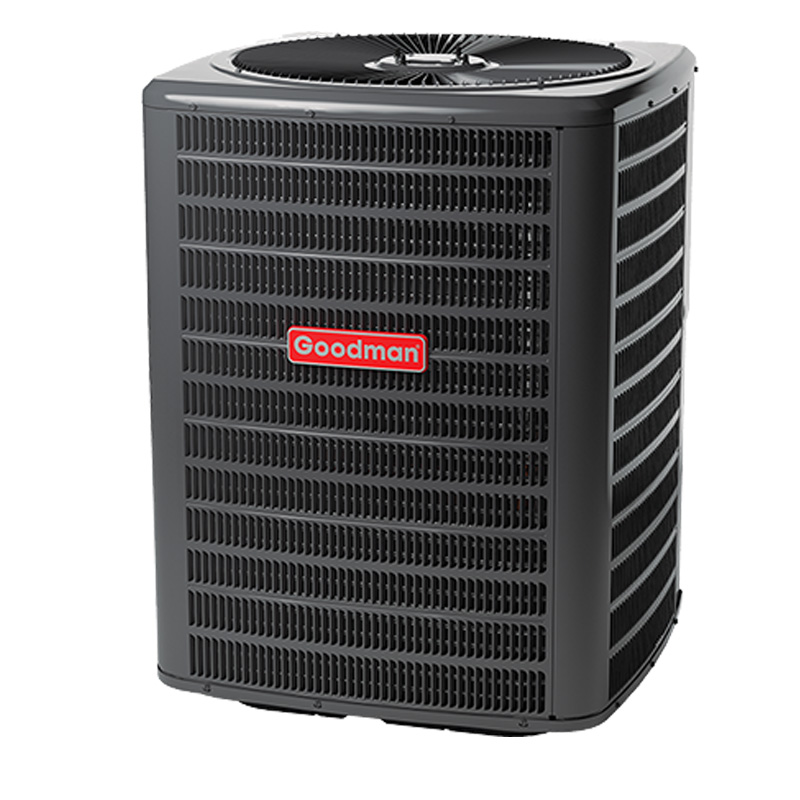
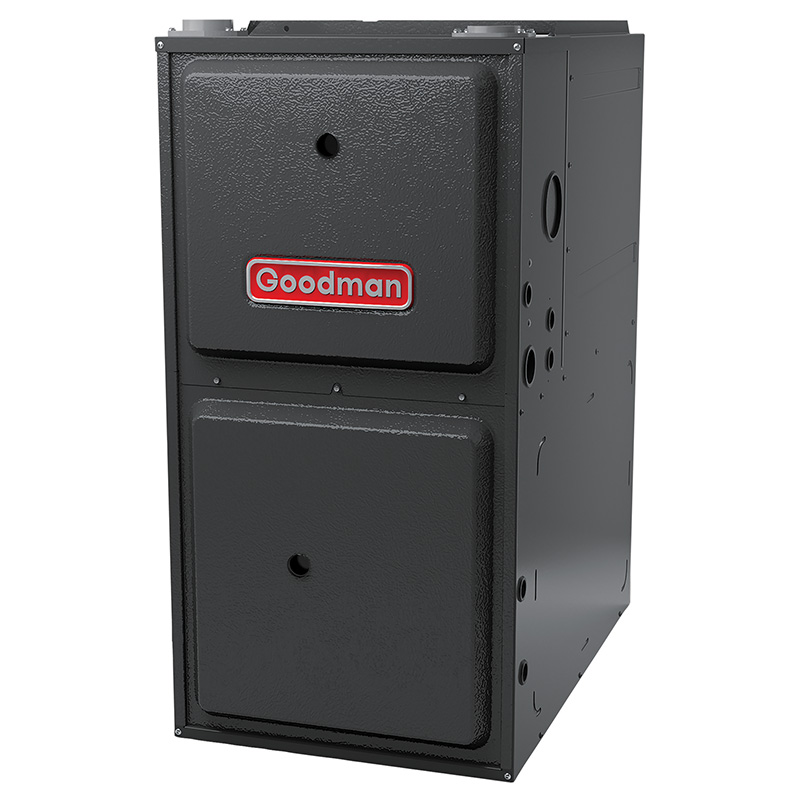
The Goodman GLXS4BA3610 is a 3-ton, 15.2 SEER2 split system paired with a 60,000 BTU 80% AFUE two-stage gas furnace, configured for horizontal installation and charged with R-32 refrigerant. It is aimed at homeowners replacing aging equipment in crawlspace or attic applications where a horizontal air handler orientation is required, and who want a step up from entry-level single-stage performance without moving into premium-brand pricing territory.
The two-stage furnace and multi-speed ECM blower work together to reduce temperature swings and run longer, quieter cycles at a lower stage most of the time, which generally improves comfort and humidity control compared to single-stage alternatives. R-32 has a lower global warming potential than R-410A and is becoming the industry standard for new systems, so parts and refrigerant availability should remain strong for the foreseeable future. At 80% AFUE, roughly one dollar in five of your gas spend exits as exhaust, so homeowners in colder climates or those prioritizing fuel efficiency should consider whether a 96% or higher AFUE unit would pay back the premium over time.
This system suits moderate climates, homes already served by a gas furnace, and buyers whose primary goal is reliable conditioned air at a lower upfront cost than Carrier, Trane, or Lennox equivalents. It is not the right choice for someone who expects hands-off, worry-free ownership over 20-plus years without occasional service calls.
The Goodman GLXS4BA3610 delivers two-stage comfort and ECM blower performance at a price point that undercuts comparable Carrier, Trane, and Lennox systems by 15 to 25 percent. That savings comes with a documented shorter compressor lifespan and a complaint pattern that picks up after year 7, so it rewards buyers who budget for periodic maintenance and the occasional capacitor replacement rather than those expecting set-it-and-forget-it longevity.
Overall score is the average of the five ratings above.
What we like
- Noticeably lower upfront cost than comparable premium-brand systems
- Two-stage operation reduces temperature swings and improves humidity control
- ECM blower runs quietly and uses less electricity than PSC motors
- R-32 refrigerant is the emerging industry standard, supporting future serviceability
- Horizontal configuration covers attic and crawlspace applications many systems skip
Trade-offs
- 80% AFUE leaves meaningful efficiency gains on the table versus 95-96% AFUE options
- Compressor lifespan averages 10 to 14 years, shorter than the 15 to 20 years typical of premium brands
- Evaporator coil leaks are a recurring owner complaint and can be a costly repair
- Overall reliability leans heavily on install quality, and a minority of owners report refrigerant leaks within the first year tied to installation or charge issues
What homeowners and pros say about Goodman
Homeowners discussing Goodman online tend to split along two lines: those who got a clean install and are satisfied with a system that does the job without a premium price tag, and those who hit repair costs in years 7 through 10 and feel the savings evaporated. On Google dealer reviews, Goodman systems average around 3.8 out of 5 across hundreds of location-level reviews, with affordability and straightforward service calls cited most often as positives. ConsumerAffairs ratings sit lower, around 2.5 out of 5, which reflects that platform’s tendency to attract complaints rather than routine satisfaction, but the recurring theme there of repair costs climbing after roughly year 7 aligns with what technicians observe in the field.
HVAC pros tend to be candid that Goodman equipment is install-dependent more than most, meaning a sloppy refrigerant charge or undersized line set will surface as a problem faster on a Goodman than on a Carrier or Trane. The dual-run capacitor is the most commonly replaced part and is considered a low-cost, low-drama repair when caught early. Evaporator coil leaks are more serious and show up in enough owner accounts to be a legitimate concern. Compressors on Goodman systems typically average 10 to 14 years in real-world use, compared to 15 to 20 years for premium brands, which factors into total cost of ownership for buyers planning a long stay in their home. For this horizontal two-stage system specifically, pros note that attic and crawlspace installs add access difficulty to any future service, making it even more important to hire an experienced installer who will get the initial setup right.
Sources: ConsumerAffairs Goodman owner reviews, AHRI Directory of Certified Product Performance, U.S. DOE appliance and equipment efficiency standards, Goodman product specification sheets.
What it costs to run
At 15.2 SEER2, cooling this 3-ton system for a typical 1200-hour cooling season at the U.S. average electricity rate of $0.17/kWh works out to roughly $483 per year in cooling, about $65 less per year than a minimum-efficiency 13.4 SEER2 unit of the same size. Your real cost depends on your climate and local rate.
Method: (36,000 BTU/hr ÷ 15.2 SEER2) × 1200 hours ÷ 1000 × $0.17/kWh. Rate source: U.S. EIA average; cooling hours: moderate-climate estimate.
How it compares
| Brand | Comparable model | SEER2 | Stage | Price position |
|---|---|---|---|---|
| Goodman | GLXS4BA3610 | 15.2 | Two-stage | Value pick |
| Carrier | Performance 15 (24ACC636A003 with 59TP6) | 15.2 | Two-stage | Typically 15 to 20 percent more than this Goodman |
| Trane | XR15 with S9V2 furnace | 15.0 to 15.5 | Two-stage | Typically 20 to 25 percent more than this Goodman |
| Lennox | Merit 16ACX with ML196V furnace | 15.5 to 16.0 | Two-stage | Typically 20 to 25 percent more than this Goodman |
Competitor rows are comparable single-stage units at similar efficiency; price is relative position, not a quote.
Questions about this system
Why is this system configured for horizontal installation only, and can it be adapted for upflow or downflow?
Horizontal configuration means the air handler is designed to lie on its side, which is the standard orientation for attic platforms and crawlspace installs. This particular model is built and certified for horizontal use, and repurposing it for upflow or downflow without a compatible air handler could void the warranty and cause drainage problems. Confirm your install orientation with your contractor before ordering.
What does two-stage mean in practice, and is it worth paying for versus a single-stage system?
A two-stage furnace fires at a lower capacity most of the time and only ramps to full output on the coldest days, which means longer, gentler heating cycles that reduce temperature swings and help dehumidify more effectively. For most homes, the comfort difference is noticeable, and the lower stage run time is easier on components. If your home is small or in a mild climate, the gap narrows, but for a 3-ton system, two-stage is generally the right call.
How serious is the dual-run capacitor failure issue I keep reading about with Goodman?
Capacitor failure is the most commonly reported issue with Goodman equipment and typically shows up as the system not starting or short-cycling. The good news is it is one of the cheapest HVAC repairs, usually running 300 to 600 dollars, and a competent technician can swap one in under an hour. Keeping a service contract or at least scheduling annual tune-ups makes it easy to catch early.
Is R-32 refrigerant easy to get serviced, and is it safe?
R-32 is a mildly flammable refrigerant, which means technicians need specific certifications and procedures to handle it, but it is not unusually hazardous in a properly installed residential system. Availability is growing rapidly as the industry shifts away from R-410A, and most larger HVAC distributors already stock it. Within a few years, it will be as routine to service as R-410A was.
Should I register the warranty, and what does the 10-year parts warranty actually cover?
Yes, registration within 60 days of installation is required to get the full 10-year parts warranty, otherwise coverage drops to 5 years on most components. The parts warranty covers the cost of replacement components but not labor, which can be a significant out-of-pocket expense on a complex repair like a compressor or coil replacement. Pairing the warranty with a labor coverage plan from your installer is worth considering.
Specifications
| Cooling capacity | 3 Ton |
| Efficiency | 15.2 SEER2 |
| Furnace output | 60000 BTU |
| Furnace efficiency | 80% AFUE |
| Configuration | Horizontal |
| Refrigerant | R-32 |
| Model | GLXS4BA3610 |