Goodman 3 Ton 15.2 SEER2 60000 BTU 80% AFUE Two Stage Multi-Speed ECM Gas Furnace System – Upflow | R32
View on AC Direct see your lowest price →Check current price on AC Direct →
Key features
- 15.2 SEER2 cooling efficiency meets current federal minimums with modest headroom above the floor
- Two-stage gas furnace runs at reduced capacity most of the time for quieter, more even heat
- Multi-speed ECM blower motor adjusts airflow to improve comfort and humidity management
- 80% AFUE rating suits mixed or cooling-dominated climates; not optimized for severe cold
- R-32 refrigerant with lower global warming potential than R-410A systems
- Upflow configuration designed for basement or closet installations where air is delivered through top ductwork
About this system
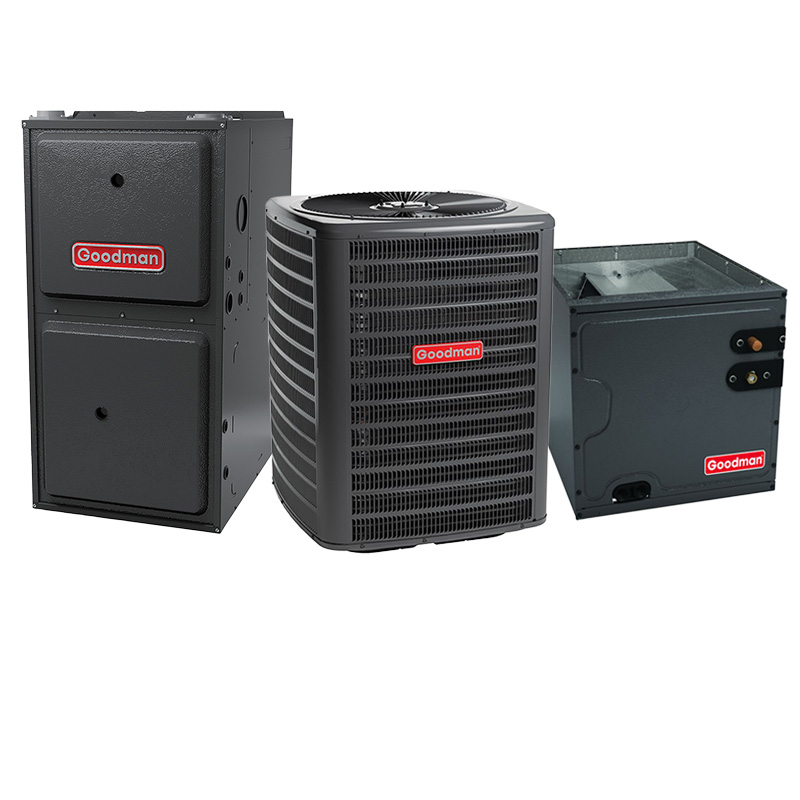
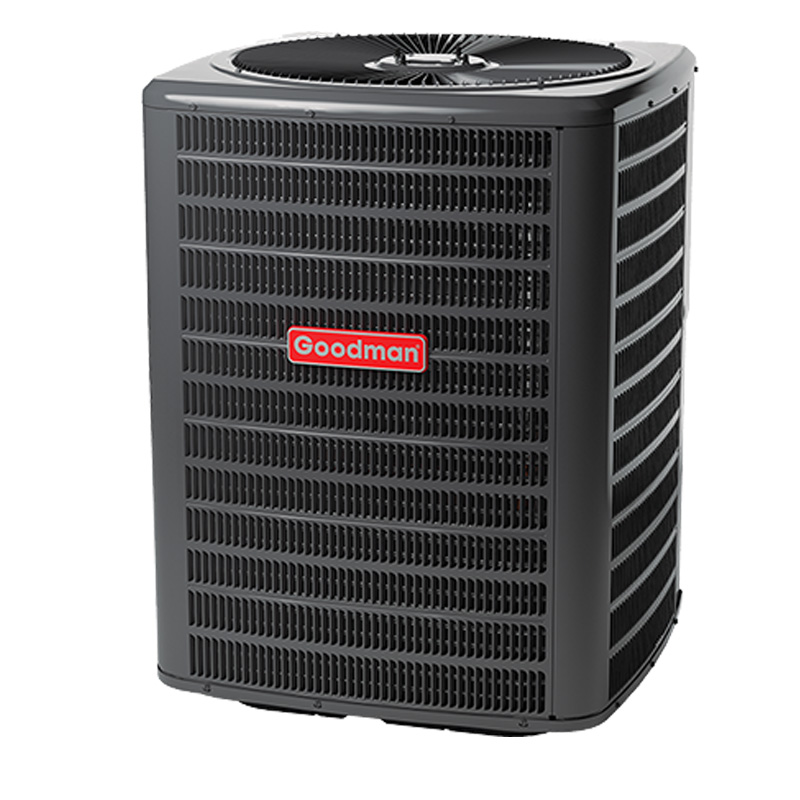
The Goodman GLXS4BA3610 pairs a 3-ton, 15.2 SEER2 split-system air conditioner with a 60,000 BTU, 80% AFUE two-stage gas furnace in an upflow configuration, making it a practical choice for mid-size homes in moderate climates where cooling loads are meaningful but winters stop short of extreme. The R-32 refrigerant charge is worth noting: R-32 has a lower global warming potential than the R-410A it replaces, and its slightly higher operating pressure means any service technician working on this system needs to be familiar with the updated handling procedures. That is not a dealbreaker, but it is worth confirming before you book a service call.
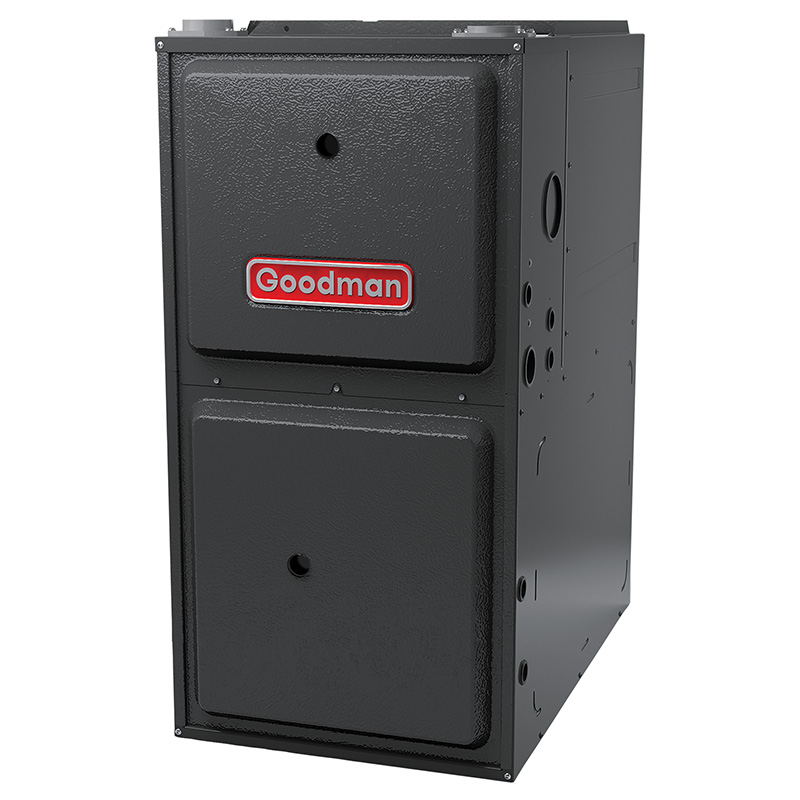
The two-stage furnace and multi-speed ECM blower are the features that separate this system from a basic entry-level package. Two-stage heat means the furnace runs on a lower flame most of the time, cycling up only during the coldest conditions. That translates to fewer hard on-off temperature swings, quieter operation, and modestly better fuel economy compared with a single-stage 80% AFUE unit. The ECM motor adjusts airflow continuously, which also improves humidity control in the shoulder seasons when the air conditioner runs at partial load. For a homeowner replacing an older single-stage system, the comfort improvement is usually noticeable.
At 80% AFUE, this furnace converts eight of every ten units of fuel to heat, which meets current federal minimum efficiency standards in most U.S. climate zones but sits well below 90%+ condensing furnaces. If your home is in a cold northern climate with long heating seasons, the higher gas bills over time may erode the upfront savings. For mixed or southern climates where cooling dominates the annual energy spend, 80% AFUE is a reasonable compromise and keeps installation simpler by avoiding condensate drain requirements.
This Goodman system offers a genuine step up in comfort over basic single-stage equipment at a price point that undercuts comparable Carrier, Trane, and Lennox configurations by 15 to 25 percent. The trade-off is a brand history that shows higher long-term repair frequency and a compressor lifespan that averages shorter than premium competitors, so the value calculation depends heavily on how long you plan to own the home and whether a skilled installer handles the job.
Overall score is the average of the five ratings above.
What we like
- Two-stage furnace and ECM blower deliver noticeably more even temperatures and quieter operation than single-stage alternatives
- R-32 refrigerant is more environmentally responsible and is the direction the industry is heading
- Upfront price is typically 15 to 25 percent below equivalent Trane, Carrier, and Lennox systems
- 80% AFUE is a practical, low-complication choice for homes in mixed or cooling-dominant climates
- Dual-run capacitor failures, the most common documented issue, are a straightforward and relatively low-cost repair
Trade-offs
- Compressor lifespan averages 10 to 14 years versus 15 to 20 years reported for premium-brand compressors
- Evaporator coil leaks appear in a meaningful share of owner reports, which can be a costly repair outside the warranty window
- ConsumerAffairs rating sits around 2.5 out of 5, with repair costs after year 7 as the recurring complaint
- A minority of owners report refrigerant leaks within the first year, pointing to sensitivity to install quality and initial charge accuracy
What homeowners and pros say about Goodman
Owners who leave feedback about Goodman systems online tend to cluster at the extremes: satisfied buyers who highlight the lower upfront cost and straightforward service experience, and frustrated owners who ran into repair bills after the system aged past the seven-year mark. Goodman’s ConsumerAffairs rating sits around 2.5 out of 5, a score pulled down by a channel that skews toward complaint-driven reviews, where the most common theme is escalating repair costs in the later years of ownership. Google dealer reviews paint a more balanced picture at roughly 3.8 out of 5, with affordability and accessibility of parts cited most often as positives. For a two-stage system like the GLXS4BA3610, owners with skilled installers and an annual maintenance routine tend to report fewer problems in the early years.
HVAC professionals who work on Goodman equipment regularly point to dual-run capacitor failures as the most predictable service call, usually a quick fix in the 300 to 600 dollar range and not a reason to avoid the brand. More significant concerns in the trade center on evaporator coil leaks, which show up in a notable share of owner reports and carry a steeper repair cost, and on compressor longevity, where Goodman units tend to average 10 to 14 years compared to the 15 to 20 years commonly cited for premium-brand compressors. A minority of owners also report refrigerant leaks within the first year, which technicians generally attribute to install quality or initial charge issues rather than a manufacturing defect. The consistent professional advice is that Goodman equipment performs best when the installing contractor is experienced and thorough, because the brand’s outcome variability is wider than what you see with Trane, Carrier, or Lennox.
Sources: ConsumerAffairs Goodman owner reviews, AHRI Directory of Certified Product Performance, U.S. DOE appliance and equipment efficiency standards, Goodman product specification sheets.
What it costs to run
At 15.2 SEER2, cooling this 3-ton system for a typical 1200-hour cooling season at the U.S. average electricity rate of $0.17/kWh works out to roughly $483 per year in cooling, about $65 less per year than a minimum-efficiency 13.4 SEER2 unit of the same size. Your real cost depends on your climate and local rate.
Method: (36,000 BTU/hr ÷ 15.2 SEER2) × 1200 hours ÷ 1000 × $0.17/kWh. Rate source: U.S. EIA average; cooling hours: moderate-climate estimate.
How it compares
| Brand | Comparable model | SEER2 | Stage | Price position |
|---|---|---|---|---|
| Goodman | GLXS4BA3610 | 15.2 | two-stage | Value pick |
| Carrier | Comfort 15 (24ACC6) | 15.2 | single-stage | Typically 15 to 25 percent more than this Goodman system |
| Trane | XR15 (4TTR5) | 15.2 | single-stage | Typically 15 to 25 percent more than this Goodman system |
| Lennox | Merit 14ACX | 15.2 | single-stage | Typically 15 to 25 percent more than this Goodman system |
Competitor rows are comparable single-stage units at similar efficiency; price is relative position, not a quote.
Questions about this system
Is 80% AFUE good enough for my climate, or should I be looking at a 96% furnace?
In climates where heating degree days are moderate and cooling dominates the annual energy bill, 80% AFUE is a reasonable and cost-effective choice. In colder northern regions with long heating seasons, a 96% or higher condensing furnace will typically pay back the cost difference in gas savings within several years, so the calculation depends on your local energy rates and climate zone.
What does the two-stage furnace actually change about day-to-day comfort?
The furnace runs at a lower firing rate most of the time and only steps up to full capacity on the coldest days, which means fewer abrupt temperature swings and less on-off cycling noise. Most homeowners who upgrade from a single-stage furnace notice more consistent room temperatures and a quieter system overall.
My installer mentioned R-32 is different from R-410A. Do I need to worry about that?
R-32 requires technicians to use specific tools and follow updated handling procedures because it operates at higher pressure and has a mild flammability classification. Make sure any technician you hire confirms they are certified and equipped to work with R-32 before scheduling service or repairs.
What are the most likely repairs I should budget for over the life of this system?
Dual-run capacitors are the most frequently reported failure on Goodman equipment and typically cost between 300 and 600 dollars to replace, including labor. Evaporator coil leaks appear in a meaningful share of owner reports and carry a higher repair bill, so keeping the system on a regular maintenance schedule is worth doing. Compressors on Goodman units average 10 to 14 years, so budgeting for a potential compressor replacement or full system swap in that window is realistic.
Does the upflow configuration limit where this system can be installed?
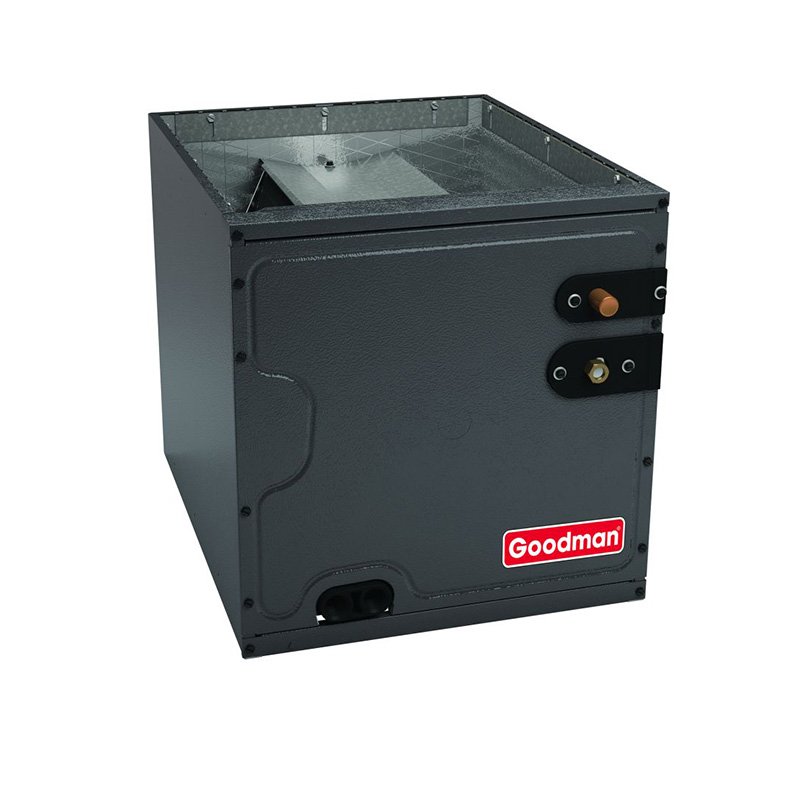
Upflow means conditioned air exits the top of the air handler and travels up through supply ductwork, which suits basement installations and first-floor mechanical closets where the duct system runs above the unit. If your existing ductwork is configured for a downflow or horizontal system, this unit would require ductwork modifications and may not be the right fit without additional work.
Specifications
| Cooling capacity | 3 Ton |
| Efficiency | 15.2 SEER2 |
| Furnace output | 60000 BTU |
| Furnace efficiency | 80% AFUE |
| Configuration | Upflow |
| Refrigerant | R-32 |
| Model | GLXS4BA3610 |