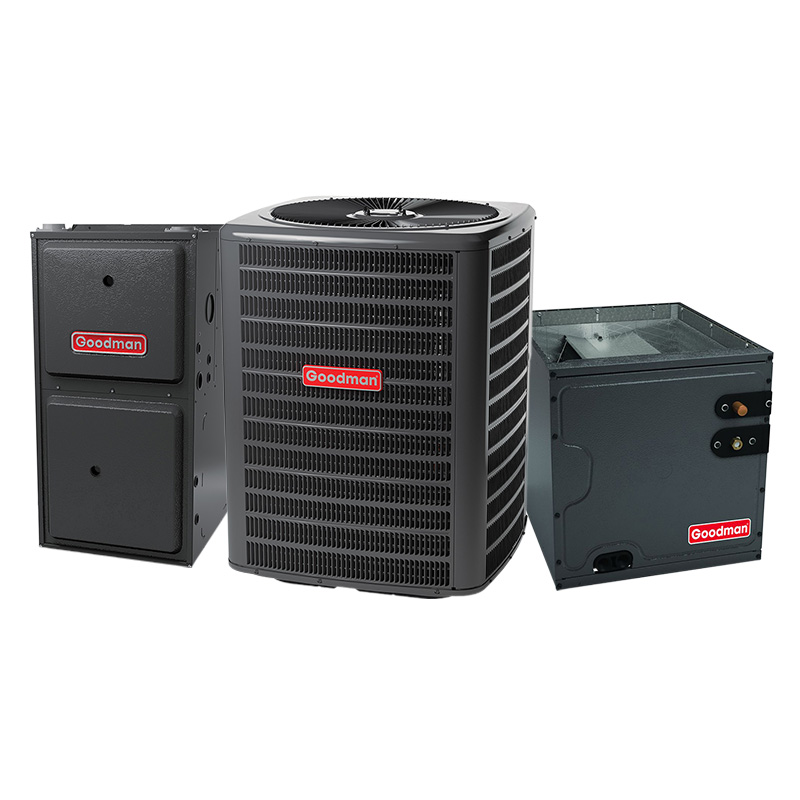
Goodman 3 Ton 15.2 SEER2 AC & Gas Furnace System – Multi-Speed, 100000 BTU Gas Furnace, 92% AFUE, Upflow, R32
View on AC Direct see your lowest price →Check current price on AC Direct →
Key features
- 3-ton cooling capacity matched with 100,000 BTU upflow gas furnace
- 15.2 SEER2 efficiency rating, meeting 2023 federal minimums with a small margin
- 92% AFUE gas furnace recovers 92 cents of every fuel dollar as usable heat
- R-32 refrigerant: lower global-warming potential than R-410A, growing industry standard
- Multi-speed furnace blower for improved airflow balance and dehumidification
- Upflow configuration suits basement and closet installs with overhead duct systems
About this system
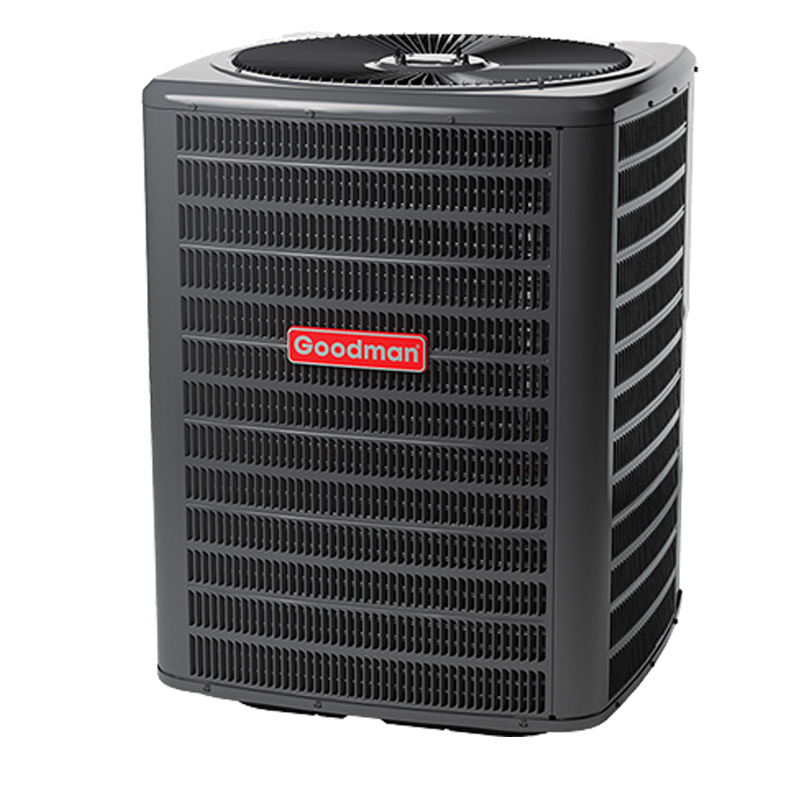
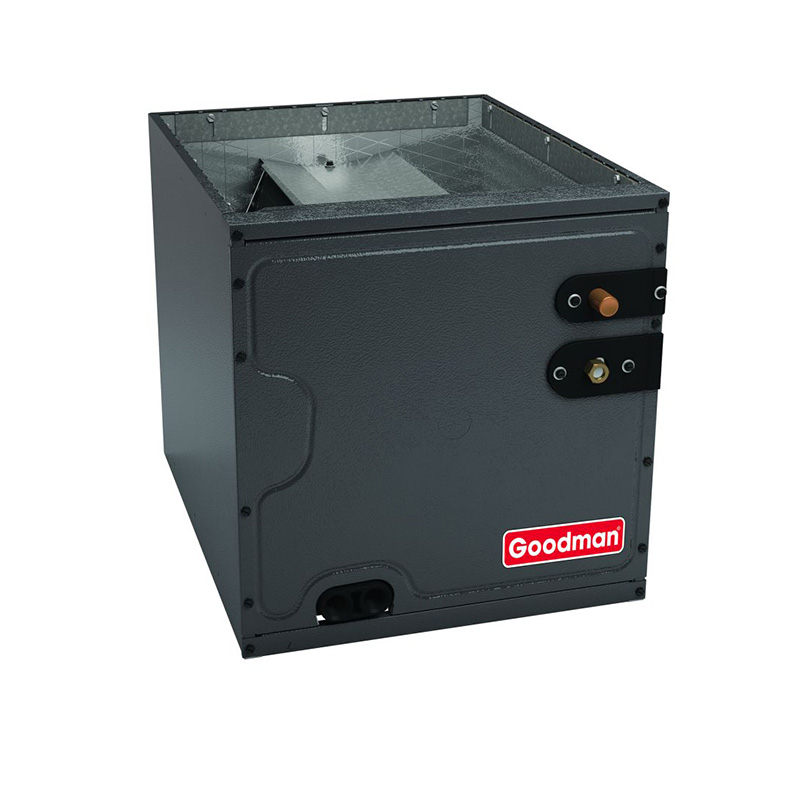
The Goodman GLXS4BA3610 pairs a 3-ton, 15.2 SEER2 central air conditioner with a 100,000 BTU, 92% AFUE upflow gas furnace into a split system designed for homes roughly 1,500 to 2,200 square feet, depending on local climate and insulation. The R-32 refrigerant charge is a forward-looking choice: R-32 has a lower global-warming potential than R-410A, and the industry is steadily moving in that direction, so replacement refrigerant should remain available and reasonably priced well into the future. The multi-speed furnace blower improves airflow balance and helps the coil dehumidify more consistently than a single-speed fan can, which matters in humid climates.
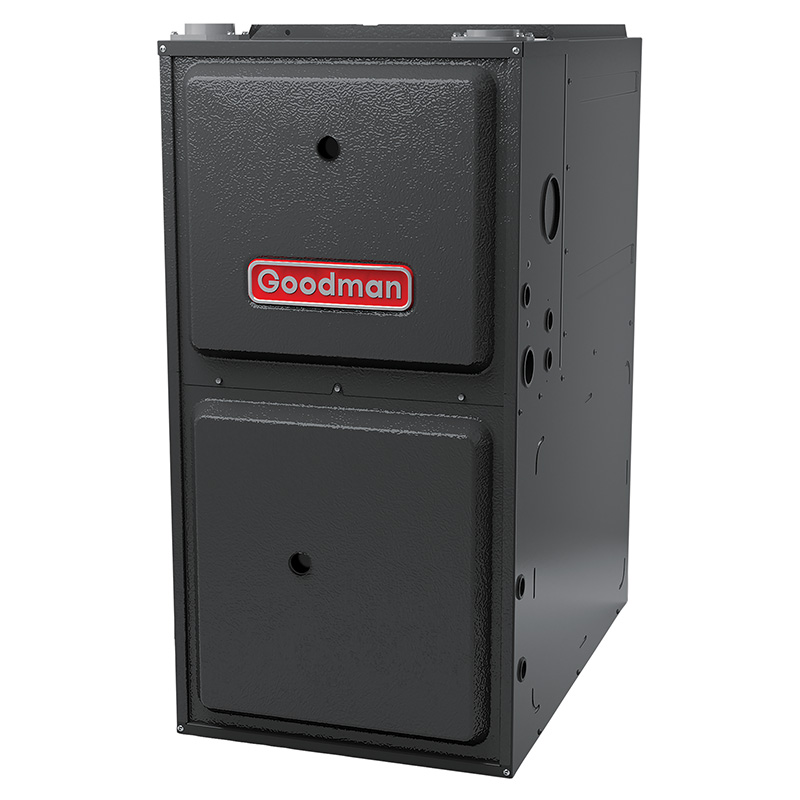
At 15.2 SEER2 the system sits just above the federal minimum efficiency floor that took effect in 2023, qualifying it as a standard-efficiency unit rather than a high-efficiency one. That keeps the upfront price accessible but means operating costs will run modestly higher than a 17 or 18 SEER2 system over time. The 92% AFUE furnace recovers 92 cents of heat energy from every dollar of gas burned, a solid mid-tier rating that suits most cold-climate budgets without the added installation complexity of a 96% or higher condensing furnace. The upflow configuration is the most common residential arrangement, meaning the furnace draws cool return air from the bottom and delivers heated or cooled air upward into the duct system, making it a straightforward fit for homes with a basement or utility closet installation.
The Goodman GLXS4BA3610 is a competent, budget-friendly system that delivers functional cooling and heating performance at a price point notably below premium brands. It is a reasonable choice for cost-conscious buyers who understand that long-term reliability leans heavily on installation quality and a willingness to budget for repairs after year seven. Buyers who plan to stay in the home 15-plus years and want fewer service calls should consider stepping up to a premium brand.
Overall score is the average of the five ratings above.
What we like
- Purchase price typically 15 to 25 percent lower than comparable Carrier, Trane, or Lennox equipment
- R-32 refrigerant is future-friendly with a lower environmental footprint than R-410A
- Multi-speed blower improves comfort and humidity control compared to single-speed alternatives
- 92% AFUE furnace offers solid mid-tier gas efficiency without the complexity of a two-stage heat exchanger system
- Upflow design is widely understood by HVAC technicians, keeping service labor straightforward
Trade-offs
- Dual-run capacitors are the most commonly reported failure point, typically appearing before year seven and costing $300 to $600 per repair
- Evaporator coil leaks appear in a meaningful share of owner reviews and can become an expensive repair outside warranty
- Compressor lifespan averages 10 to 14 years versus 15 to 20 years for premium-brand compressors, shortening the window before a major repair or replacement
- A minority of owners report refrigerant leaks in the first year, most often traced to installation or initial charge quality rather than the unit itself
What homeowners and pros say about Goodman
Homeowners who choose Goodman equipment most often point to the lower upfront cost as the deciding factor, and that sentiment shows up consistently in Google dealer reviews, where the brand averages around 3.8 out of 5 stars across hundreds of locations. Affordability is by far the most frequent praise. On ConsumerAffairs, however, the picture shifts: the brand sits at roughly 2.5 out of 5, and the recurring theme there is repair costs that begin climbing after approximately year seven. That gap between the two scores is worth understanding: Google dealer reviews capture the moment of purchase and initial install, while ConsumerAffairs tends to attract owners who sought out a place to register a grievance after a service event. Neither score tells the whole story on its own.
HVAC technicians who work on Goodman equipment regularly note that the dual-run capacitor is the single most common failure point they encounter on these units, usually a fast and relatively inexpensive repair in the $300 to $600 range but one that seems to arrive with more frequency than on premium brands. Evaporator coil leaks are the complaint that draws the strongest frustration from owners, since coil replacement is a larger job. Compressor longevity is the other consistent talking point among pros: Goodman compressors tend to average 10 to 14 years in service, noticeably shorter than the 15 to 20 years technicians associate with Carrier, Trane, and Lennox equipment. On the R-32 refrigerant transition, most experienced installers are comfortable with the new refrigerant and note that a first-year refrigerant leak, when it does occur, almost always traces back to installation workmanship rather than a factory defect. The consistent takeaway from the trade is that a Goodman system installed by a careful, experienced technician performs far better over its lifespan than one rushed through a low-bid install job.
Sources: ConsumerAffairs Goodman owner reviews, AHRI Directory of Certified Product Performance, U.S. DOE appliance and equipment efficiency standards, Goodman product specification sheets.
What it costs to run
At 15.2 SEER2, cooling this 3-ton system for a typical 1200-hour cooling season at the U.S. average electricity rate of $0.17/kWh works out to roughly $483 per year in cooling, about $65 less per year than a minimum-efficiency 13.4 SEER2 unit of the same size. Your real cost depends on your climate and local rate.
Method: (36,000 BTU/hr ÷ 15.2 SEER2) × 1200 hours ÷ 1000 × $0.17/kWh. Rate source: U.S. EIA average; cooling hours: moderate-climate estimate.
How it compares
| Brand | Comparable model | SEER2 | Stage | Price position |
|---|---|---|---|---|
| Goodman | GLXS4BA3610 (this system) | 15.2 | Single-stage | Value pick |
| Carrier | Comfort 14 Series (24ACC4) | 15.2 | Single-stage | Typically 15 to 25 percent more than this Goodman |
| Trane | XR15 Series | 15.0–15.5 | Single-stage | Typically 15 to 25 percent more than this Goodman |
| Lennox | Merit ML14XC1 Series | 15.2 | Single-stage | Typically 15 to 25 percent more than this Goodman |
Competitor rows are comparable single-stage units at similar efficiency; price is relative position, not a quote.
Questions about this system
Will my existing R-410A line set work with the R-32 refrigerant in this system?
R-32 operates at pressures similar to R-410A, so copper line sets that are clean, the correct diameter, and within the manufacturer's specified length limits are generally reusable. However, your installer must verify the line set condition, flush it properly, and confirm the system is charged to R-32 specifications, since the two refrigerants are not interchangeable and must never be mixed.
The 92% AFUE furnace is listed as upflow only. Can it be converted to horizontal or downflow?
No. The GLXS4BA3610 furnace is designed and certified for upflow installation only, meaning it must draw return air from the bottom and discharge supply air from the top. If your duct layout requires a horizontal or downflow configuration, you will need a different furnace model.
What does the warranty actually cover and for how long?
Goodman typically offers a 10-year parts warranty on registered units, which requires registration within a set window after installation. The compressor often carries its own coverage term within that period. Read the warranty certificate carefully and register promptly, because failure to register generally drops coverage to a shorter base term.
How much should I budget annually for maintenance and potential repairs given Goodman's track record?
Plan on an annual tune-up of $80 to $150 for both units. Beyond that, dual-run capacitor replacements are the most common Goodman repair, typically $300 to $600, and they tend to show up in years five through ten. Setting aside a few hundred dollars a year in a dedicated HVAC repair fund is a reasonable approach for any value-brand system.
Is 15.2 SEER2 going to cost significantly more to run than a higher-efficiency system?
Compared to a 17 SEER2 unit, you can expect to pay roughly 10 to 12 percent more in annual cooling costs at the same usage level. Over a 10-year period that difference may or may not offset the higher purchase price of a more efficient system, depending on your local electricity rate and how many cooling hours your climate demands each year.
Specifications
| Cooling capacity | 3 Ton |
| Efficiency | 15.2 SEER2 |
| Furnace output | 100000 BTU |
| Furnace efficiency | 92% AFUE |
| Configuration | Upflow |
| Refrigerant | R-32 |
| Model | GLXS4BA3610 |