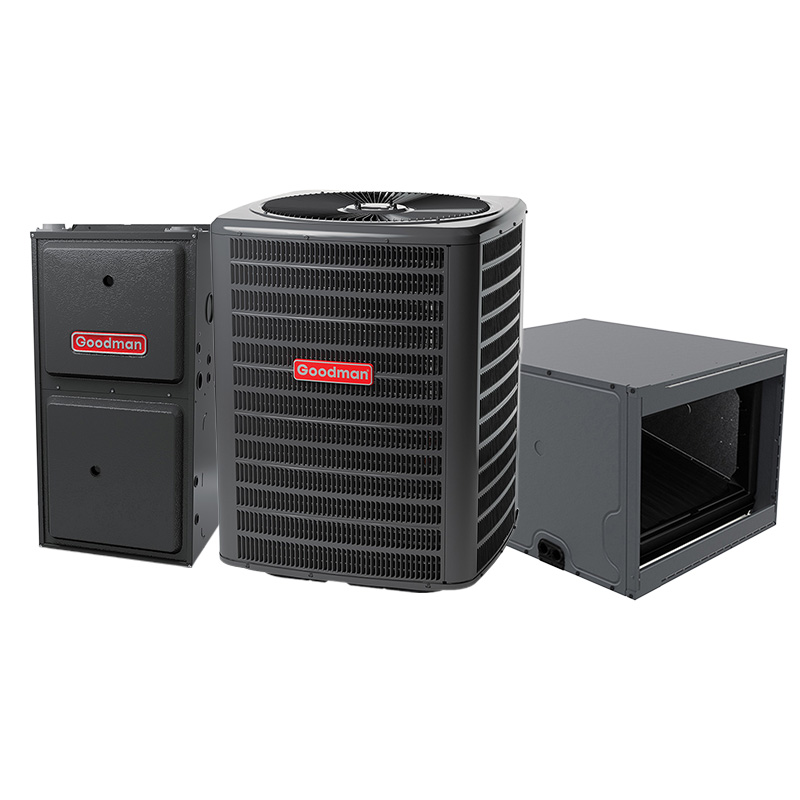
Goodman 3 Ton 15.2 SEER2 AC & Gas Furnace System – Multi-Speed, 60000 BTU Gas Furnace, 92% AFUE, Horizontal, R32
View on AC Direct see your lowest price →Check current price on AC Direct →
Key features
- 3-ton cooling capacity with 15.2 SEER2 efficiency rating
- 60,000 BTU gas furnace at 92% AFUE, multi-speed blower
- Horizontal configuration for attic, crawl space, or side-load installations
- R-32 refrigerant, lower global warming potential than R-410A
- Single-stage cooling compressor with factory-tested refrigerant charge
- Goodman 10-year parts limited warranty with registration required
About this system
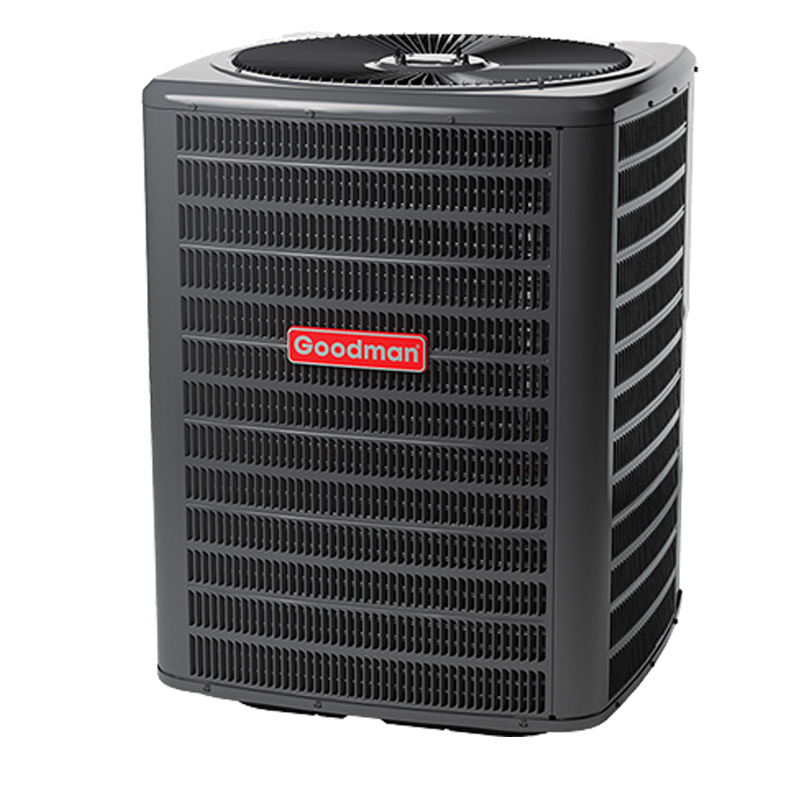
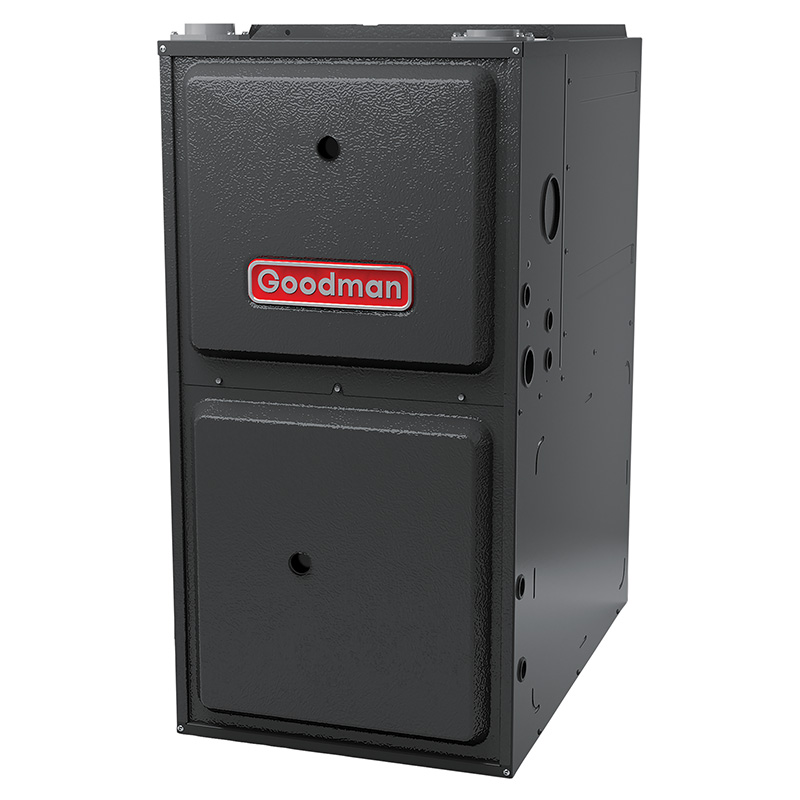
The Goodman GLXS4BA3610 pairs a 3-ton, 15.2 SEER2 single-stage air conditioner with a 60,000 BTU, 92% AFUE multi-speed gas furnace in a horizontal configuration, making it a practical fit for homes where equipment lives in a crawl space, attic, or tight utility chase rather than a basement or closet. The R-32 refrigerant charge is worth noting: R-32 has a lower global warming potential than the R-410A it largely replaces, and it operates at higher pressures, so any service technician who touches this system needs to be current on R-32 handling procedures.
At 15.2 SEER2, this system clears the current federal minimum for most of the country and sits in the entry-level efficiency tier. You will see meaningful savings compared to an older 10 or 12 SEER unit, but homeowners in hot climates who run their AC heavily from May through September may find that stepping up to a 17 or 18 SEER2 two-stage or variable-speed system pays back the price difference faster than they expect. The 92% AFUE furnace is a solid mid-efficiency choice: it avoids the cost and complexity of a two-pipe condensing system while still converting 92 cents of every dollar of gas into usable heat. The horizontal draw configuration limits where this system can be installed, so confirm your air handler orientation before purchasing.
This Goodman bundle delivers reliable entry-level performance at a price point that typically undercuts Carrier, Trane, and Lennox by 15 to 25 percent for comparable specs, which is a real advantage for budget-conscious homeowners. The trade-off is a documented history of capacitor failures after the midpoint of ownership, shorter average compressor life than premium brands, and efficiency that stops short of what two-stage or variable systems offer in comfort and long-run operating costs. It is an honest, functional system when installed correctly, but not one to choose if longevity and lowest lifetime cost are your primary drivers.
Overall score is the average of the five ratings above.
What we like
- Priced 15 to 25 percent below comparable Carrier, Trane, and Lennox systems
- 92% AFUE furnace avoids condensate drain complexity of 96%+ two-pipe units
- R-32 refrigerant is lower-GWP and increasingly standard across the industry
- Multi-speed blower improves airflow balance compared to single-speed-only designs
- 10-year parts warranty (registered) covers major components including compressor and heat exchanger
Trade-offs
- Single-stage compressor cycles fully on and off, providing less humidity control and comfort consistency than two-stage or variable-speed options
- Dual-run capacitors are the most commonly reported failure, typically surfacing after year 5 to 7, with repair costs in the $300 to $600 range
- Compressor lifespan averages 10 to 14 years versus 15 to 20 years for premium-brand compressors
- A minority of owners report refrigerant leaks in the first year, most traced to install or initial charge issues rather than the equipment itself
What homeowners and pros say about Goodman
Homeowners who post about Goodman online tend to fall into two camps, and the split is fairly predictable. On ConsumerAffairs, where the audience skews toward people motivated enough by frustration to write a review, Goodman scores around 2.5 out of 5, with the recurring theme being repair bills that start climbing after roughly year 7. On Google dealer reviews, where the full customer base is more represented, scores sit closer to 3.8 out of 5, and affordability is consistently the most cited reason people chose the brand. Neither number is invented praise or unfair criticism: they reflect what this equipment actually is, a value-tier product that competes on upfront price rather than long-term operating costs.
HVAC technicians who work on Goodman equipment regularly point to two failure modes that come up more than others: dual-run capacitors that weaken and fail, typically after the system has been running for several years, and evaporator coil leaks that show up in a meaningful share of owner reviews. Compressors are the bigger long-term concern, averaging 10 to 14 years in real-world use compared to the 15 to 20 years more commonly associated with Trane, Carrier, and Lennox compressors. A small share of owners also report refrigerant leaks within the first year, and technicians consistently attribute those to install or initial charge problems rather than a defect in the unit itself. The consensus among pros is that a properly installed, regularly maintained Goodman will serve most households adequately, but install quality and annual upkeep matter more with this brand than with premium alternatives.
Sources: ConsumerAffairs Goodman owner reviews, AHRI Directory of Certified Product Performance, U.S. DOE appliance and equipment efficiency standards, Goodman product specification sheets.
What it costs to run
At 15.2 SEER2, cooling this 3-ton system for a typical 1200-hour cooling season at the U.S. average electricity rate of $0.17/kWh works out to roughly $483 per year in cooling, about $65 less per year than a minimum-efficiency 13.4 SEER2 unit of the same size. Your real cost depends on your climate and local rate.
Method: (36,000 BTU/hr ÷ 15.2 SEER2) × 1200 hours ÷ 1000 × $0.17/kWh. Rate source: U.S. EIA average; cooling hours: moderate-climate estimate.
How it compares
| Brand | Comparable model | SEER2 | Stage | Price position |
|---|---|---|---|---|
| Goodman | GLXS4BA3610 | 15.2 | Single-stage | Value pick |
| Carrier | Comfort 14 series (24ACC4) | 15.2 | Single-stage | Typically 15 to 25 percent more than Goodman |
| Trane | XR15 series | 15.0 to 15.6 | Single-stage | Typically 15 to 25 percent more than Goodman |
| Lennox | Merit ML14XC1 series | 15.2 | Single-stage | Typically 15 to 25 percent more than Goodman |
Competitor rows are comparable single-stage units at similar efficiency; price is relative position, not a quote.
Questions about this system
Does this system require a special technician because it uses R-32 refrigerant?
Yes, R-32 is classified as mildly flammable (A2L) and requires a technician who has completed R-32 specific handling training and has the correct equipment. Most established HVAC companies are already equipped for it, but confirm this before scheduling service, especially in areas where R-32 adoption has been slower.
What does the horizontal configuration actually mean, and does it limit where this can go?
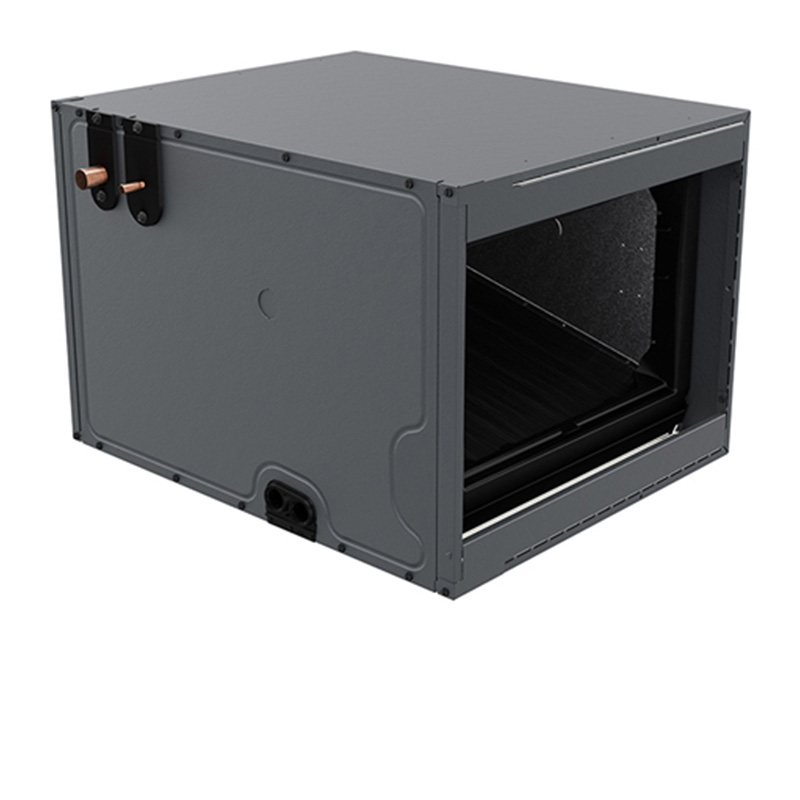
Horizontal configuration means the air handler is designed to lie on its side, drawing air in from one end and discharging it out the other, which suits attics, crawl spaces, and tight horizontal chases. It cannot be installed in an upflow or downflow vertical orientation without the correct coil cabinet, so verify your installation space before purchasing this specific model.
The 10-year warranty sounds strong. What are the conditions I need to meet to keep it valid?
Goodman requires product registration within 60 days of installation to activate the 10-year parts limited warranty; without registration, coverage typically defaults to five years on parts. The warranty also generally requires installation by a licensed HVAC contractor and does not cover labor, refrigerant, or consequential costs, so factor in the cost of service calls separately.
How often does the dual-run capacitor actually fail, and is it expensive to fix?
Capacitor failure is the most commonly reported issue across Goodman owner feedback, and it tends to appear after roughly year 5 to 7 of use. The part itself is inexpensive, but with labor the repair typically runs $300 to $600. Keeping the outdoor unit clean and on an annual maintenance plan helps catch a weakening capacitor before it causes a no-cool situation on the hottest day of summer.
Will a 3-ton, 60,000 BTU system be the right size for my home?
Sizing depends on square footage, insulation levels, ceiling height, window area, local climate, and other factors that only a Manual J load calculation can properly account for. A 3-ton unit is commonly matched to homes in the 1,500 to 2,000 square foot range in moderate climates, but that is a rough guideline, not a substitute for a calculation done by your installing contractor before the equipment is ordered.
Specifications
| Cooling capacity | 3 Ton |
| Efficiency | 15.2 SEER2 |
| Furnace output | 60000 BTU |
| Furnace efficiency | 92% AFUE |
| Configuration | Horizontal |
| Refrigerant | R-32 |
| Model | GLXS4BA3610 |