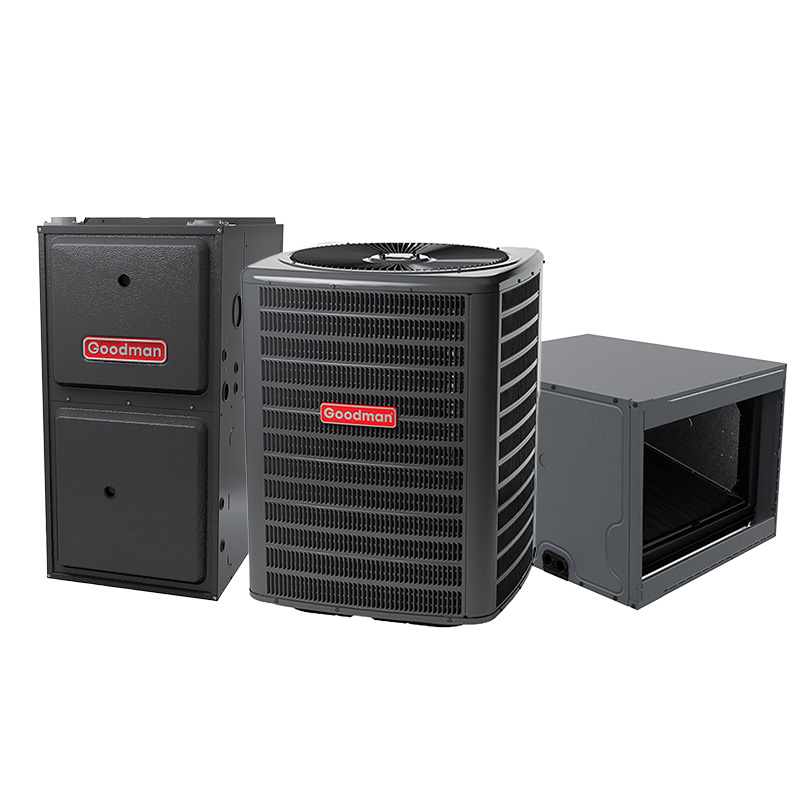
Goodman 3 Ton 15.5 SEER2 AC & Gas Furnace System – Two Stage Variable-Speed, 80000 BTU Gas Furnace, 96% AFUE, Horizontal, R32
View on AC Direct see your lowest price →Check current price on AC Direct →
Key features
- 15.5 SEER2 two-stage cooling for improved dehumidification and efficiency over single-stage units
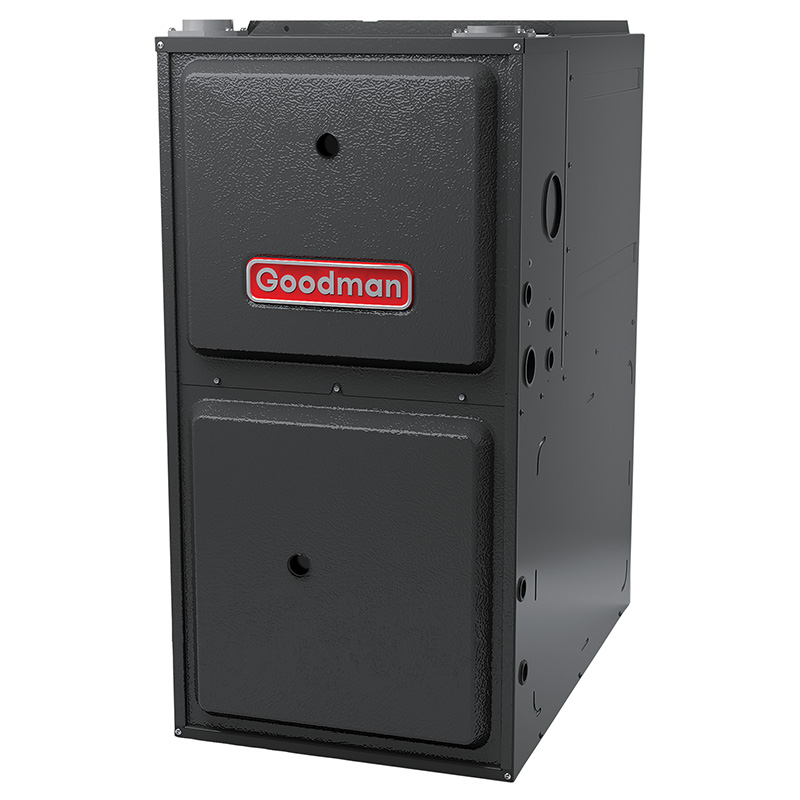
- 96% AFUE gas furnace converts 96 cents of every fuel dollar into usable heat
- 80,000 BTU heating capacity sized for moderate to larger rooms in 3-ton load calculations
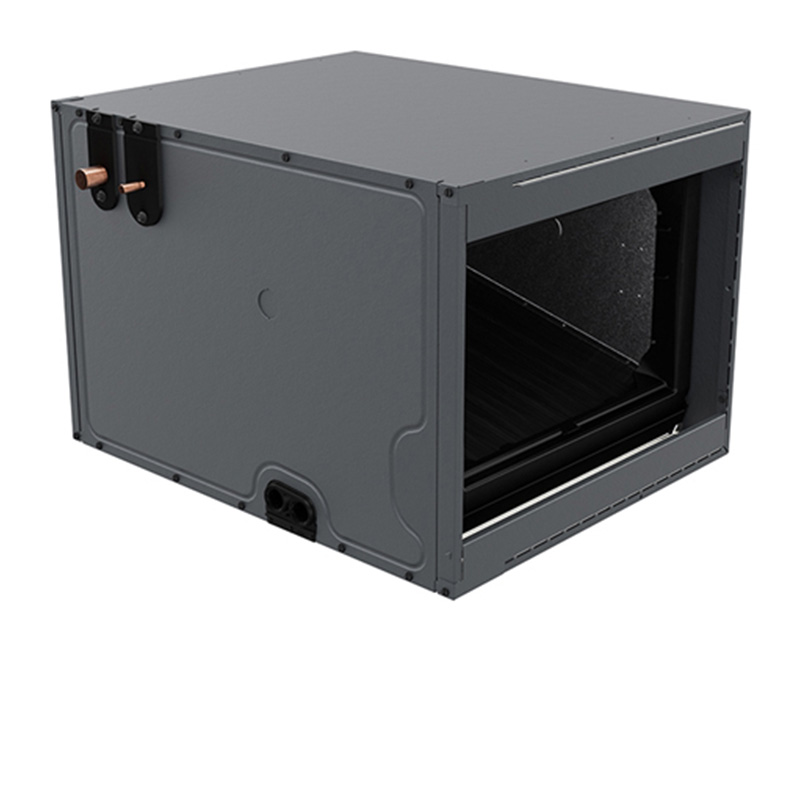
- Horizontal configuration designed for attic, crawlspace, and manufactured-home installations
- R-32 refrigerant with lower global warming potential than R-410A
- Variable-speed air handler reduces noise and improves temperature consistency
About this system
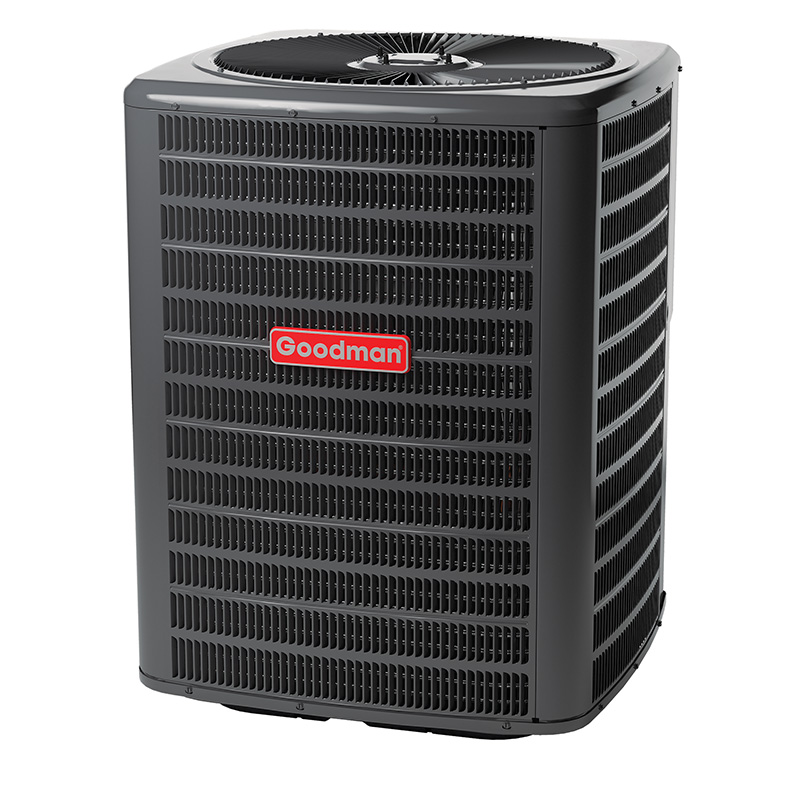
The Goodman 3-ton 15.5 SEER2 two-stage, variable-speed system pairs a 96% AFUE 80,000 BTU gas furnace with a cooling unit that uses R-32 refrigerant, a lower global-warming-potential alternative to R-410A. The horizontal configuration makes this build specifically suited to attic installs, crawlspace setups, and manufactured homes where vertical clearance is limited. Two-stage cooling means the compressor runs at a lower capacity on mild days and ramps up only when needed, which typically improves dehumidification compared with a single-stage unit and reduces short-cycling. The variable-speed air handler moves air more quietly and consistently across all operating modes.
A 96% AFUE rating places this furnace in the upper tier of non-condensing efficiency, meaning 96 cents of every fuel dollar goes to heat your space. At 3 tons, the system is sized for roughly 1,200 to 1,800 square feet depending on your climate zone, insulation level, and local heat-load calculation. R-32 is gaining traction in residential equipment because of its lower environmental impact and its compatibility with the post-R-410A regulatory direction, though it does require technicians who are familiar with its slightly higher operating pressures and flammability classification. Goodman prices this system 15 to 25 percent below comparable Trane, Lennox, and Carrier equipment, which is the clearest reason buyers choose it.
This system is a reasonable fit for budget-conscious homeowners in moderate climates who want meaningful efficiency gains over a basic single-stage unit without paying premium-brand prices. It is not the best choice for someone who expects the equipment to run 18 or more years with minimal intervention. Performance over the long term tracks closely with installation quality, a point HVAC technicians consistently raise when discussing Goodman outcomes.
This Goodman package delivers genuinely competitive efficiency specs and a real cost advantage at purchase, making it a practical choice for homeowners working within a tighter budget. The two-stage compressor and variable-speed blower are meaningful upgrades over entry-level equipment, but Goodman's documented compressor lifespan of 10 to 14 years and known weak points around capacitors and evaporator coils mean you should budget for maintenance and not expect premium-brand longevity. The value proposition is real, but it comes with an honest trade-off in long-run reliability.
Overall score is the average of the five ratings above.
What we like
- Priced 15 to 25 percent below Trane, Lennox, and Carrier equipment at similar efficiency ratings
- Two-stage cooling reduces short-cycling and improves humidity control on mild days
- 96% AFUE is a high-efficiency furnace rating that meaningfully lowers heating bills compared with 80% AFUE alternatives
- R-32 refrigerant aligns with upcoming regulatory direction and has a lower environmental footprint than R-410A
- Variable-speed blower improves comfort and reduces operating noise compared with single-speed alternatives
Trade-offs
- Dual-run capacitors are the most commonly reported failure point, typically requiring a 300 to 600 dollar repair within the first several years
- Evaporator coil leaks appear in a meaningful portion of owner reviews, which can be a costly repair outside warranty
- Compressor lifespan averages 10 to 14 years, noticeably shorter than the 15 to 20 years documented for premium brands
- A minority of owners report refrigerant leaks in year one, most often traced to installation errors or improper R-32 charging procedures
What homeowners and pros say about Goodman
Homeowners who chose Goodman most often point to the upfront savings as the deciding factor, and that tracks with Goodman’s real market position at 15 to 25 percent below Trane, Lennox, and Carrier pricing. On Google dealer reviews Goodman averages around 3.8 out of 5 across hundreds of location-level reviews, with affordability mentioned repeatedly as the reason buyers went with the brand. On ConsumerAffairs the picture is less flattering, at roughly 2.5 out of 5, though that platform captures a higher share of owners who sought it out specifically to file a complaint after a repair bill landed. The recurring theme in that complaint pool is repair costs climbing after roughly year 7, which lines up with the documented compressor lifespan of 10 to 14 years and the known tendency for dual-run capacitors to fail first, typically a 300 to 600 dollar fix when it happens.
HVAC technicians who service Goodman equipment regularly point to two things: install quality is the primary driver of how long the system lasts, and owners should go in with eyes open about the specific failure points. Dual-run capacitors are the most common service call on these units and are generally a quick repair, but evaporator coil leaks also show up in a meaningful share of owner reports and are a more expensive problem, especially outside the warranty window. A small number of owners, typically those with R-410A backgrounds who switched to R-32, report refrigerant leaks in the first year, almost always attributed to improper charging during installation. For this horizontal R-32 system specifically, confirming your installer has hands-on R-32 experience before the job starts is a practical step that costs nothing and can prevent the most common early-failure scenario.
Sources: ConsumerAffairs Goodman owner reviews, AHRI Directory of Certified Product Performance, U.S. DOE appliance and equipment efficiency standards, Goodman product specification sheets.
What it costs to run
At 15.5 SEER2, cooling this 3-ton system for a typical 1200-hour cooling season at the U.S. average electricity rate of $0.17/kWh works out to roughly $474 per year in cooling, about $74 less per year than a minimum-efficiency 13.4 SEER2 unit of the same size. Your real cost depends on your climate and local rate.
Method: (36,000 BTU/hr ÷ 15.5 SEER2) × 1200 hours ÷ 1000 × $0.17/kWh. Rate source: U.S. EIA average; cooling hours: moderate-climate estimate.
How it compares
| Brand | Comparable model | SEER2 | Stage | Price position |
|---|---|---|---|---|
| Goodman | 3-Ton 15.5 SEER2 Two-Stage Variable-Speed 96% AFUE Horizontal R-32 | 15.5 | Two-stage | Value pick |
| Carrier | Performance 15 Series (24ACC6) | 15-15.5 | Single-stage | Typically 15 to 25 percent more than this Goodman system |
| Trane | XR15 | 15-15.5 | Single-stage | Typically 15 to 25 percent more than this Goodman system |
| Lennox | Merit 14ACX / ML14XC1 | ~15 | Single-stage | Typically 15 to 25 percent more than this Goodman system |
Competitor rows are comparable single-stage units at similar efficiency; price is relative position, not a quote.
Questions about this system
Is R-32 refrigerant going to cause problems finding a service technician?
R-32 is increasingly common in residential equipment, but it carries an A2L flammability classification that requires technicians to have specific training and tools. In most metro areas you will find certified technicians, but in rural markets you should confirm availability before purchasing. Ask your installer directly whether they are already servicing R-32 systems.
What does the horizontal configuration actually mean, and is it right for my home?
Horizontal means the air handler is designed to lie on its side, with airflow running lengthwise rather than vertically. This is specifically built for attic installations, tight crawlspaces, and some manufactured-home setups where a vertical unit simply will not fit. If your existing system is a vertical upflow or downflow unit, this configuration is not interchangeable and you would need a different product.
Goodman has mixed reviews online. Should I be worried about buying this system?
Goodman scores around 2.5 out of 5 on ConsumerAffairs, a channel that draws disproportionately from frustrated owners, and around 3.8 out of 5 on Google dealer reviews where affordability is the most frequent praise. The documented weak points are dual-run capacitors, evaporator coil leaks, and compressor lifespans that average 10 to 14 years rather than the 15 to 20 years seen in premium brands. A skilled installation and a proactive maintenance plan are the two biggest factors in keeping a Goodman system running well past year 10.
What warranty comes with this system, and is there anything I need to do to activate it?
Goodman typically offers a 10-year parts warranty when the equipment is registered online within a specified window after installation, and a base warranty that is shorter if you miss that registration deadline. The compressor usually carries its own coverage period, but review the actual warranty documents for this specific model number because coverage terms can vary. Failure to register on time is a common reason owners lose extended coverage.
How important is it that I get a load calculation done before installing this 3-ton system?
It is the single most important step before any installation. A 3-ton unit is only correctly sized if a Manual J or equivalent heat-load calculation confirms it for your specific square footage, insulation, window area, and climate. Oversizing causes short-cycling, poor dehumidification, and faster wear on the compressor. Undersizing leaves the system running continuously without reaching setpoint. Do not let any installer skip this step or size the unit based solely on the tonnage of your old equipment.
Specifications
| Cooling capacity | 3 Ton |
| Efficiency | 15.5 SEER2 |
| Furnace output | 80000 BTU |
| Furnace efficiency | 96% AFUE |
| Configuration | Horizontal |
| Refrigerant | R-32 |