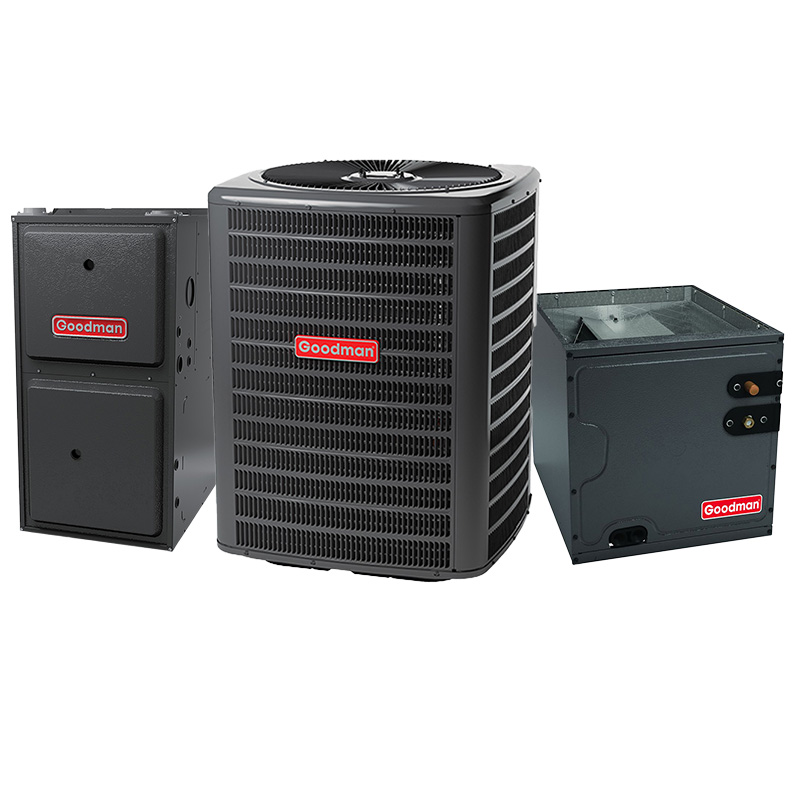
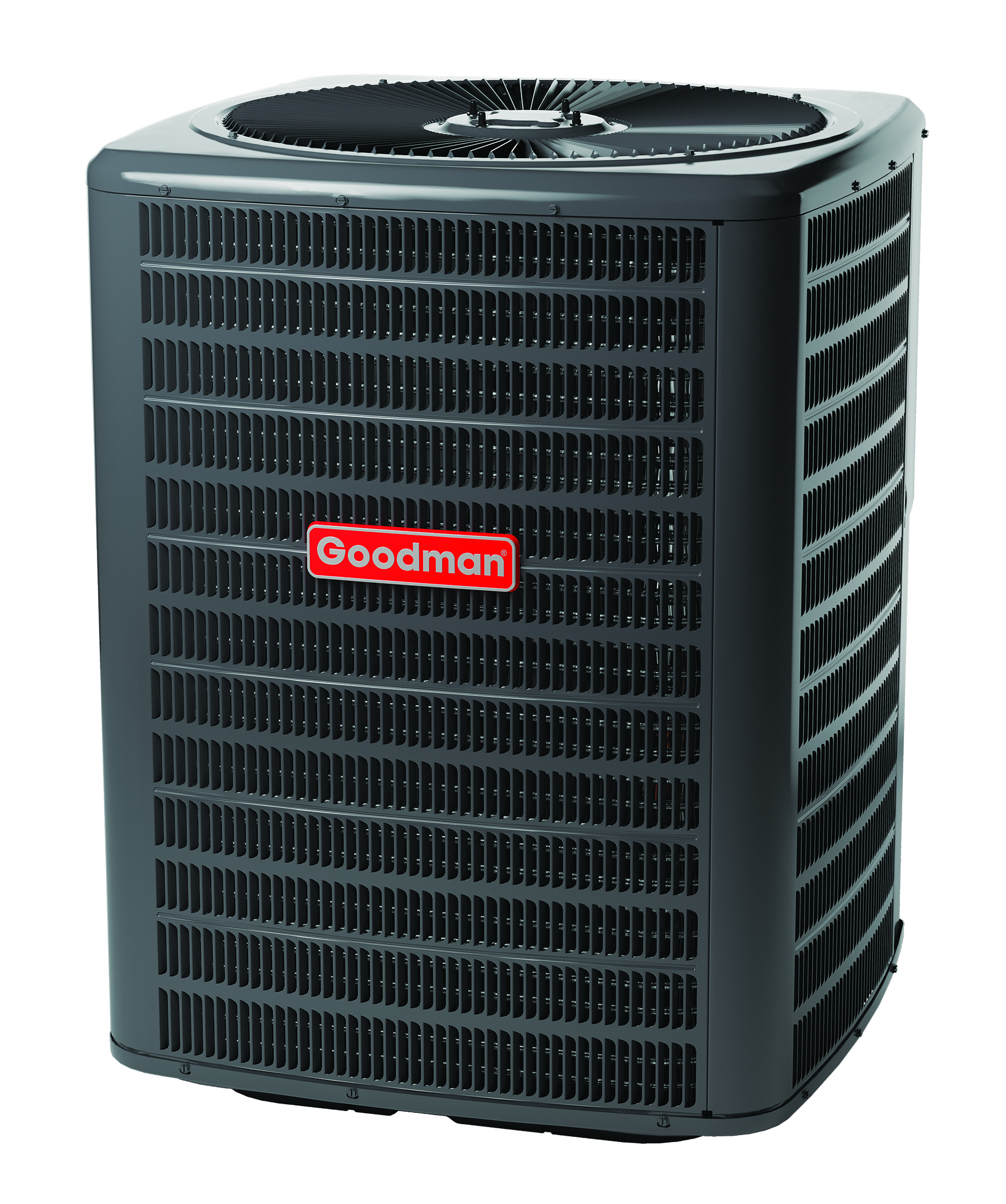
Goodman 3 Ton 16.7 SEER2 AC With 60000 BTU 96% AFUE 2-Stage Variable-Speed ECM Gas Furnace System – Upflow | 2-Stage High Efficiency AC | R32
View on AC Direct see your lowest price →Check current price on AC Direct →
Key features
- 3-ton, 16.7 SEER2 two-stage air conditioner with R-32 refrigerant
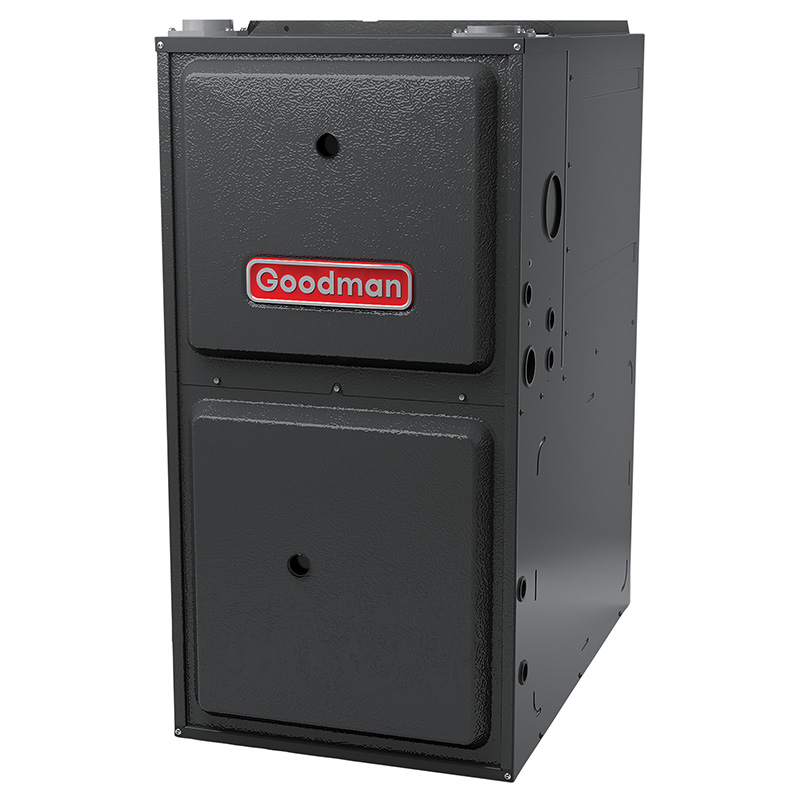
- 60,000 BTU two-stage gas furnace rated at 96% AFUE for high-efficiency heating
- Variable-speed ECM blower motor for quieter operation and lower fan electricity use
- Two-stage operation reduces short cycling and improves dehumidification on mild days
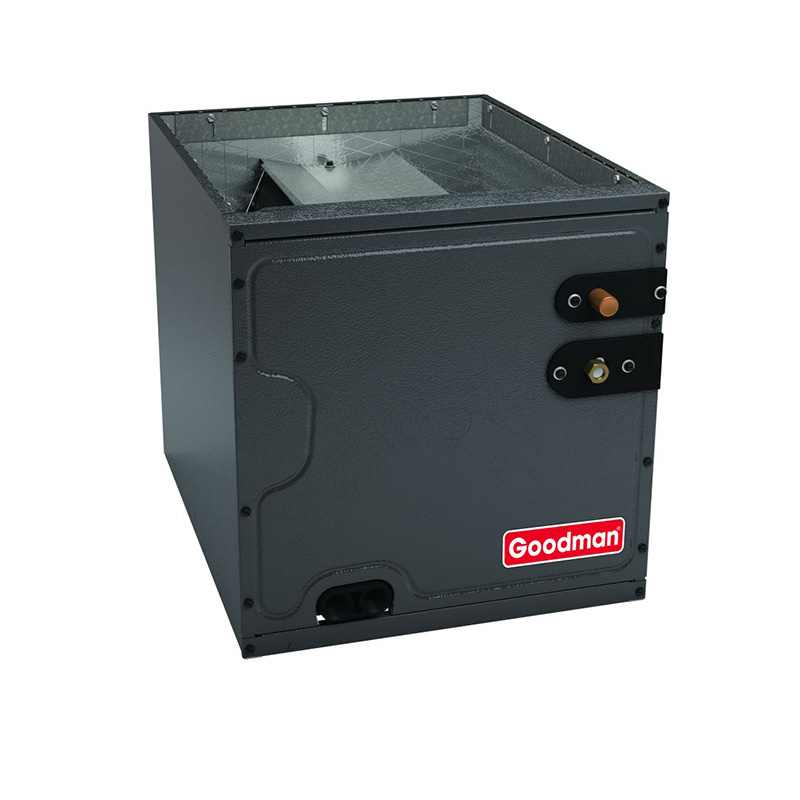
- Upflow cabinet configuration for standard basement or closet installations
- R-32 refrigerant offers lower global-warming potential than R-410A
About this system
The Goodman GLXT7CA3610 pairs a 3-ton, 16.7 SEER2 two-stage air conditioner with a 60,000 BTU, 96% AFUE two-stage variable-speed ECM gas furnace in an upflow configuration. The combination is well-suited to mid-size homes, roughly 1,400 to 2,200 square feet depending on climate and insulation, where a single-stage system would cycle on and off too frequently and a full variable-capacity inverter system would push the budget further than most owners want to go. Two-stage cooling gives you a low-capacity mode for mild days, which reduces short cycling, lowers humidity, and cuts runtime noise compared to single-stage equipment at a similar price point.
The R-32 refrigerant charge is worth noting for anyone thinking long-term. R-32 has a lower global-warming potential than R-410A and is already the direction the industry is moving, so finding service refrigerant in five or ten years should be straightforward. The variable-speed ECM blower motor is the real workhorse of the comfort side: it ramps up and down to maintain steady airflow, uses noticeably less electricity than a standard PSC motor, and is quieter at low-demand operation. The 96% AFUE furnace means roughly 96 cents of every dollar spent on gas goes toward heat, which qualifies as high efficiency and will satisfy most utility rebate thresholds. This system suits budget-conscious homeowners who want genuine efficiency gains over base-tier equipment without paying the premium-brand markup, provided they invest in a quality installation.
The GLXT7CA3610 delivers a genuinely capable two-stage, high-efficiency system at a price point that is hard to match among name-brand alternatives. The trade-off is that Goodman's long-term reliability sits below premium competitors, with compressors averaging 10 to 14 years and documented issues around evaporator coil leaks and capacitor failures after year seven. Buyers who prioritize upfront value and commit to a skilled installer will get solid performance; those who want maximum longevity or the fewest service calls over 20 years should compare premium-brand options first.
Overall score is the average of the five ratings above.
What we like
- Two-stage cooling and heating improve comfort and humidity control compared to single-stage systems at the same price
- 96% AFUE furnace qualifies for most utility efficiency rebates and meaningfully reduces annual gas costs
- Variable-speed ECM blower cuts fan energy use and runs quieter than PSC-motor alternatives
- R-32 refrigerant is forward-compatible with industry direction, making future service easier to source
- Priced 15 to 25 percent below comparable Trane, Carrier, and Lennox systems, freeing budget for a quality installation
Trade-offs
- Compressor lifespan averages 10 to 14 years, shorter than the 15 to 20 years documented for premium-brand compressors
- Evaporator coil leaks appear in a meaningful share of owner reports, a cost that can be significant if it occurs out of warranty
- Dual-run capacitor failures are the most commonly reported service event, typically showing up after year seven
- A minority of owners have reported refrigerant leaks within the first year, generally traced to installation or initial charge quality rather than the equipment itself
What homeowners and pros say about Goodman
On Google dealer reviews, Goodman equipment collectively scores around 3.8 out of 5, with affordability cited most often as the reason buyers chose it. That sentiment fits the GLXT7CA3610 well: the two-stage, ECM-equipped spec sheet is competitive with premium brands at a noticeably lower price, and HVAC contractors generally describe Goodman as a workable product when installation is done carefully. Technicians consistently note, however, that install quality is the single biggest variable in how long one of these systems lasts, meaning a rushed or under-qualified installation can undercut the value advantage quickly.
On ConsumerAffairs, Goodman sits at roughly 2.5 out of 5, a score shaped by the platform’s complaint-heavy audience. The recurring themes there are repair costs climbing after about year seven, which aligns with the documented pattern of dual-run capacitor failures being the most common service call and evaporator coil leaks surfacing later in the system’s life. Compressor longevity is another real consideration: Goodman compressors average 10 to 14 years, which is shorter than the 15 to 20 years associated with premium brands. A small share of owners also report refrigerant leaks within the first year, a pattern that points to installation or initial charge quality rather than a manufacturing defect. Taken together, the picture is a system that offers genuine value upfront but rewards buyers who spend carefully on the installation and keep up with basic maintenance like annual capacitor checks after year five or six.
Sources: ConsumerAffairs Goodman owner reviews, AHRI Directory of Certified Product Performance, U.S. DOE appliance and equipment efficiency standards, Goodman product specification sheets.
What it costs to run
At 16.7 SEER2, cooling this 3-ton system for a typical 1200-hour cooling season at the U.S. average electricity rate of $0.17/kWh works out to roughly $440 per year in cooling, about $108 less per year than a minimum-efficiency 13.4 SEER2 unit of the same size. Your real cost depends on your climate and local rate.
Method: (36,000 BTU/hr ÷ 16.7 SEER2) × 1200 hours ÷ 1000 × $0.17/kWh. Rate source: U.S. EIA average; cooling hours: moderate-climate estimate.
How it compares
| Brand | Comparable model | SEER2 | Stage | Price position |
|---|---|---|---|---|
| Goodman | GLXT7CA3610 | 16.7 | Two-stage | Value pick |
| Carrier | Comfort 16 (CA16) | ~16 | Single-stage | Typically 15 to 25 percent more than the Goodman |
| Trane | XR16 Series | ~16 | Single-stage | Typically 15 to 25 percent more than the Goodman |
| Lennox | Merit ML16XC1 | ~16 | Single-stage | Typically 15 to 25 percent more than the Goodman |
Competitor rows are comparable single-stage units at similar efficiency; price is relative position, not a quote.
Questions about this system
Is 16.7 SEER2 enough to qualify for the federal tax credit or utility rebates?
The federal 25C tax credit for central air conditioners requires at least 16 SEER2 for split systems, so this unit clears that threshold. Utility rebate requirements vary by provider, but 16.7 SEER2 meets or exceeds most program minimums. Confirm your local utility's current requirements before purchase, as thresholds change.
How does the two-stage AC actually improve comfort compared to a single-stage unit?
On mild days the system runs in its lower capacity stage, which keeps it running longer at reduced output rather than blasting on and off. Longer run times move more air through the coil, pulling out more moisture, so indoor humidity stays lower. You also get more even temperatures throughout the house and less of the temperature swing associated with short cycling.
What is the most likely repair this system will need, and what does it cost?
Dual-run capacitors are the most commonly reported failure point on Goodman equipment and typically run 300 to 600 dollars for parts and labor. This is generally a quick repair. Evaporator coil leaks are a more expensive possibility and tend to appear later in the system's life, potentially running into the thousands depending on coil access and refrigerant recovery costs.
Does this system work with my existing gas line and ductwork?
The 60,000 BTU furnace is compatible with natural gas or propane with the appropriate conversion kit. Whether your existing ductwork is adequate for a 3-ton upflow system depends on the duct sizing and layout in your home; an HVAC contractor performing a Manual J load calculation and Manual D duct evaluation before installation will confirm compatibility and catch any restrictions that would hurt efficiency or airflow.
How does the R-32 refrigerant affect servicing compared to the R-410A I have now?
R-32 requires technicians to use dedicated recovery equipment and follow slightly different handling procedures due to its mild flammability classification (A2L). It is not a direct drop-in for R-410A systems. However, R-32 availability is growing quickly as the industry phases out R-410A, so locating service refrigerant should not be a problem going forward. Make sure your installing contractor is certified to work with A2L refrigerants.
Specifications
| Cooling capacity | 3 Ton |
| Efficiency | 16.7 SEER2 |
| Furnace output | 60000 BTU |
| Furnace efficiency | 96% AFUE |
| Configuration | Upflow |
| Refrigerant | R-32 |
| Model | GLXT7CA3610 |