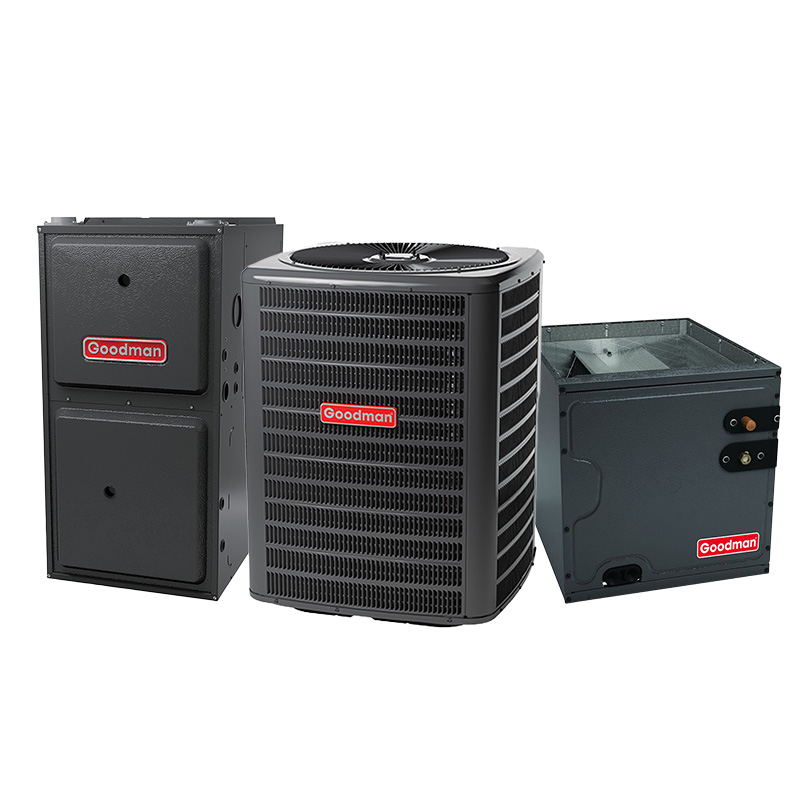
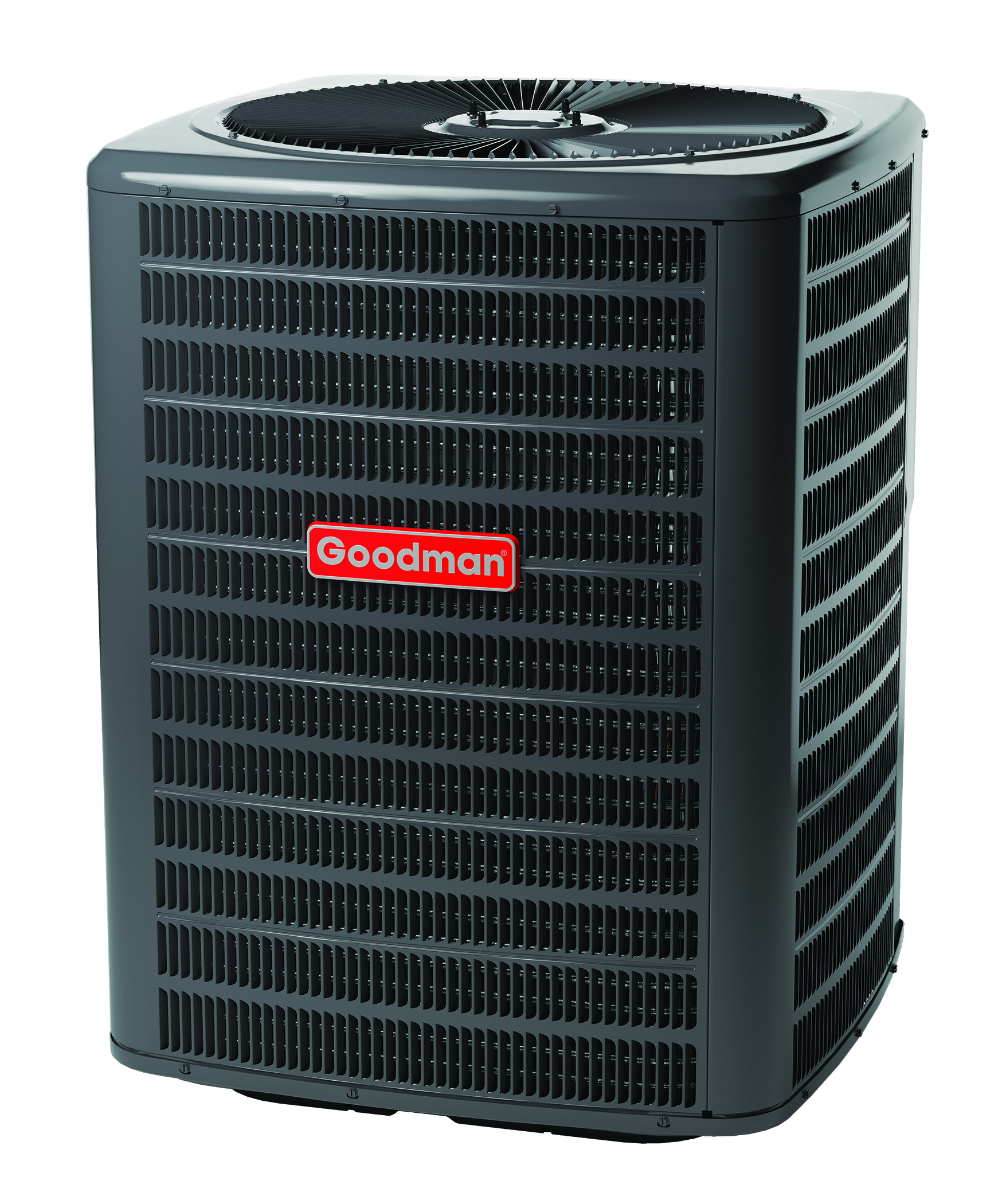
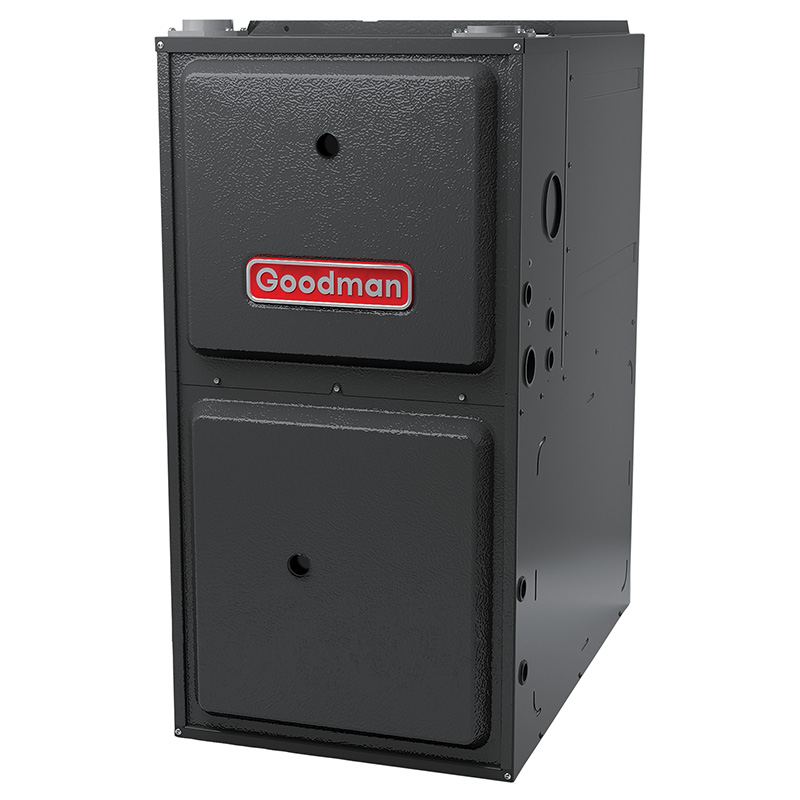
Goodman 3 Ton 16.7 SEER2 Dual Fuel Hybrid Heat Pump System – Two Stage Heat Pump & Two Stage Variable Speed 80000 BTU Gas Furnace, 96% AFUE, Upflow, R32
View on AC Direct see your lowest price →Check current price on AC Direct →
Key features
- 16.7 SEER2 two-stage heat pump with R-32 refrigerant for reduced environmental impact
- 96% AFUE two-stage gas furnace with variable-speed blower for efficient, consistent heating
- Dual-fuel hybrid design automatically switches between electric heat pump and gas heat based on outdoor temperature
- 80,000 BTU heating capacity sized for 3-ton cooling loads in moderate to cold climates
- Upflow furnace configuration for basement, utility room, or ground-floor closet installations
- Two-stage compression reduces short-cycling and improves indoor humidity control versus single-stage systems
About this system
The Goodman 3-Ton 16.7 SEER2 Dual Fuel Hybrid Heat Pump System pairs a two-stage R-32 heat pump with a two-stage, variable-speed 80,000 BTU gas furnace rated at 96% AFUE. The hybrid setup is the key draw here: the heat pump handles most of your heating and cooling load at lower operating cost, then the gas furnace automatically takes over when outdoor temperatures drop to the point where heat pump efficiency falls off. That switchover logic makes this configuration especially well suited to climates that see genuine cold winters but also long, warm shoulder seasons.
The 16.7 SEER2 rating lands in the upper-mid efficiency tier, meaningfully above the federal minimums for most U.S. regions and likely to qualify for federal tax credits under current energy-efficiency incentive rules. The 96% AFUE furnace recovers 96 cents of heat energy from every dollar of gas burned, which is near the top of what condensing gas furnaces can achieve. R-32 refrigerant has a lower global warming potential than the R-410A it is displacing across the industry, and it generally requires a smaller refrigerant charge by weight. The two-stage compressor and variable-speed furnace blower work together to reduce short-cycling, improve humidity control, and keep indoor temperatures more consistent than single-stage equipment can manage.
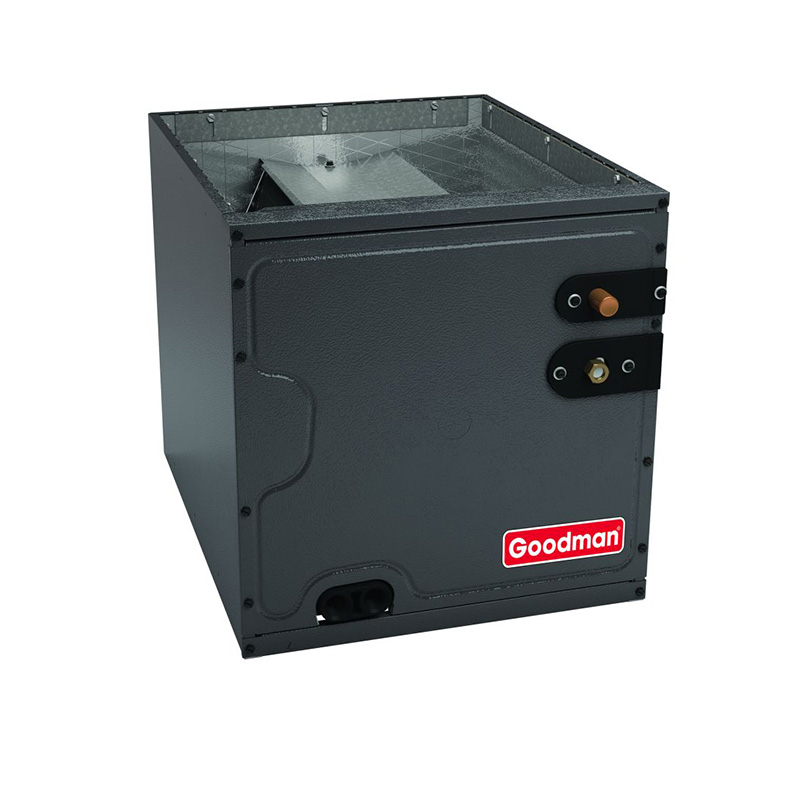
This system ships as a matched split system and requires a compatible air handler or coil, proper line set sizing, and a contractor experienced with dual-fuel controls. Upflow configuration means the furnace sits on the floor and discharges conditioned air upward, the most common arrangement in homes with basement or closet installations. Anyone considering this package should budget realistically for professional installation, because Goodman’s documented track record shows that install quality is the single largest predictor of long-term performance.
This Goodman dual-fuel package delivers genuinely strong efficiency numbers and a capable two-stage, variable-speed setup at a price point that beats comparable Carrier, Trane, and Lennox configurations by 15 to 25 percent. The trade-off is a brand reliability record that sits below the premium tier, with capacitor failures and evaporator coil leaks appearing frequently enough in owner reports to warrant a service plan or an emergency fund. Buyers who prioritize upfront savings over long-term peace of mind and who hire an experienced installer will get solid value here.
Overall score is the average of the five ratings above.
What we like
- Hybrid dual-fuel design optimizes operating cost across a wide range of outdoor temperatures
- 96% AFUE furnace is near the top of condensing gas furnace efficiency
- 16.7 SEER2 rating qualifies for federal energy-efficiency tax credits in most scenarios
- Two-stage compressor and variable-speed blower improve comfort and humidity control over single-stage equipment
- Priced 15 to 25 percent below comparable Carrier, Trane, and Lennox dual-fuel systems
Trade-offs
- Dual-run capacitor failures are the most commonly reported repair issue, typically appearing after a few years of use
- Evaporator coil leaks appear in a meaningful share of owner reviews and can be a costly mid-life repair
- Compressor lifespan averages 10 to 14 years versus 15 to 20 years typical of premium brands
- A minority of owners report refrigerant leaks within the first year, most often traced to installation or initial charge issues
What homeowners and pros say about Goodman
Homeowners who have purchased Goodman equipment tend to split into two camps: those who got a solid installation and report years of trouble-free operation, and those who ran into repair costs that eroded the upfront savings faster than expected. On ConsumerAffairs, Goodman scores around 2.5 out of 5, a channel where complaints are overrepresented, but the recurring theme is repair bills climbing after roughly year seven. Google dealer reviews land around 3.8 out of 5 across hundreds of reviews per location, and affordability is consistently the most cited reason buyers chose the brand. For a dual-fuel system like this one, where the installation involves gas line work, dual-fuel controls, and R-32 refrigerant charging, the quality of the installing contractor carries even more weight than it does on a straight cooling-only system.
HVAC technicians who service Goodman equipment frequently point to dual-run capacitors as the most common call-back item, typically a straightforward repair in the 300 to 600 dollar range but one that can cascade into a compressor failure if the weakened capacitor is not caught early. Evaporator coil leaks show up with enough regularity in owner accounts to be a recognized pattern rather than an isolated complaint. Compressor longevity averaging 10 to 14 years, versus 15 to 20 years for premium brands, is the clearest quantitative gap between Goodman and its higher-priced competitors. A small but notable share of owners also report refrigerant leaks in the first year, which technicians generally attribute to installation workmanship or initial charge issues rather than a manufacturing defect in the unit itself. Taken together, the picture is a system that can perform well and deliver real value, but one that rewards buyers who invest in a reputable installer and a preventive maintenance agreement.
Sources: ConsumerAffairs Goodman owner reviews, AHRI Directory of Certified Product Performance, U.S. DOE appliance and equipment efficiency standards, Goodman product specification sheets.
What it costs to run
At 16.7 SEER2, cooling this 3-ton system for a typical 1200-hour cooling season at the U.S. average electricity rate of $0.17/kWh works out to roughly $440 per year in cooling, about $108 less per year than a minimum-efficiency 13.4 SEER2 unit of the same size. Your real cost depends on your climate and local rate.
Method: (36,000 BTU/hr ÷ 16.7 SEER2) × 1200 hours ÷ 1000 × $0.17/kWh. Rate source: U.S. EIA average; cooling hours: moderate-climate estimate.
How it compares
| Brand | Comparable model | SEER2 | Stage | Price position |
|---|---|---|---|---|
| Goodman | 3 Ton 16.7 SEER2 Dual Fuel Hybrid (this system) | 16.7 | Two-stage heat pump / Two-stage variable-speed furnace | Value pick |
| Carrier | Performance Series Dual Fuel (25HCE3 heat pump + 59TP6 furnace) | 16-17 (varies by configuration) | Two-stage | Typically 15 to 25 percent more than this Goodman system |
| Trane | XR15 Dual Fuel (XR15 heat pump + S9V2 furnace) | 15.6-16.5 (varies by configuration) | Two-stage | Typically 15 to 25 percent more than this Goodman system |
| Lennox | Merit Series Dual Fuel (14HPX heat pump + ML196 furnace) | 15.5-16.5 (varies by configuration) | Two-stage | Typically 15 to 25 percent more than this Goodman system |
Competitor rows are comparable single-stage units at similar efficiency; price is relative position, not a quote.
Questions about this system
How does the dual-fuel system decide when to switch between the heat pump and the gas furnace?
The system uses a balance point setting, typically programmed during installation, that defines the outdoor temperature below which the gas furnace takes over from the heat pump. Most installers set this between 35 and 40 degrees Fahrenheit, though it can be adjusted based on your local gas and electricity rates to minimize operating cost.
Will this system qualify for the federal energy-efficiency tax credit?
The heat pump component at 16.7 SEER2 and the gas furnace at 96% AFUE each meet the thresholds for the federal Energy Efficient Home Improvement Credit as currently written, but eligibility depends on your specific tax situation and the equipment being installed in your primary residence. Confirm current IRS guidance or consult a tax professional before purchasing.
What does R-32 refrigerant mean for service and maintenance compared to R-410A?
R-32 has a lower global warming potential than R-410A and typically requires a smaller refrigerant charge by weight, which can reduce material costs if a recharge is ever needed. It is mildly flammable, so technicians servicing the system need to be certified for A2L refrigerants, which is becoming standard across the industry as R-410A is phased out.
Is the upflow furnace configuration compatible with my existing ductwork?
Upflow means the furnace draws return air from the bottom or sides and discharges heated or cooled air upward into the supply duct plenum above it, which suits most homes with ductwork running through a basement, crawlspace, or first-floor closet. If your existing system is a downflow or horizontal configuration, the ductwork will need to be reconfigured, adding to installation cost and complexity.
What maintenance should I plan for to reduce the risk of the known Goodman failure modes?
Annual preventive maintenance that includes inspecting and testing the dual-run capacitor is the single most cost-effective step, since capacitor failure is the most commonly reported issue and catching a weakening capacitor before it fails protects the compressor. Having the refrigerant charge verified at installation and checked periodically addresses the coil leak and early refrigerant loss concerns documented in owner reports.
Specifications
| Cooling capacity | 3 Ton |
| Efficiency | 16.7 SEER2 |
| Furnace output | 80000 BTU |
| Furnace efficiency | 96% AFUE |
| Configuration | Upflow |
| Refrigerant | R-32 |