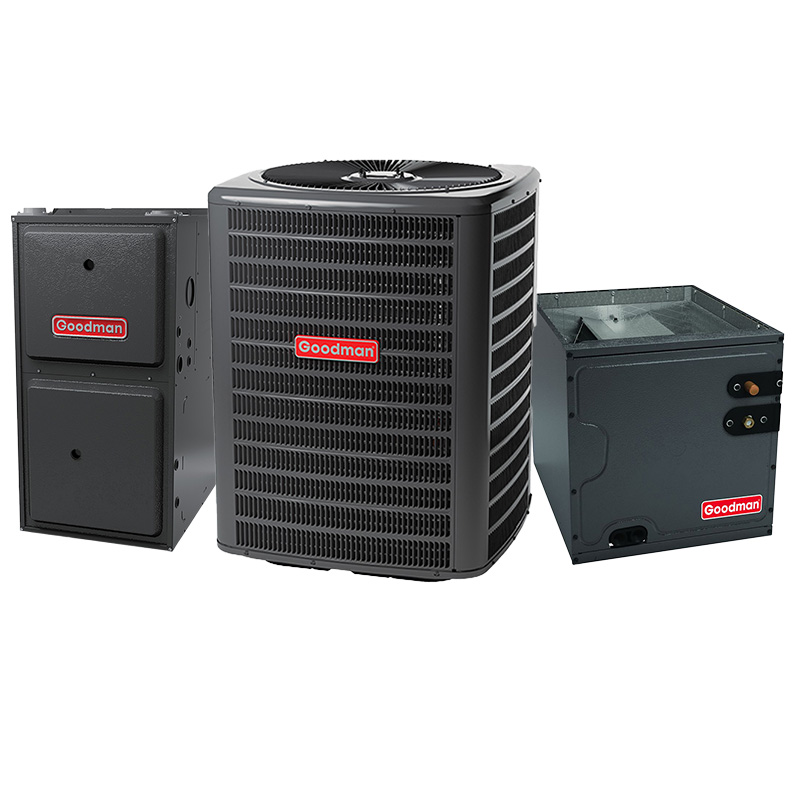
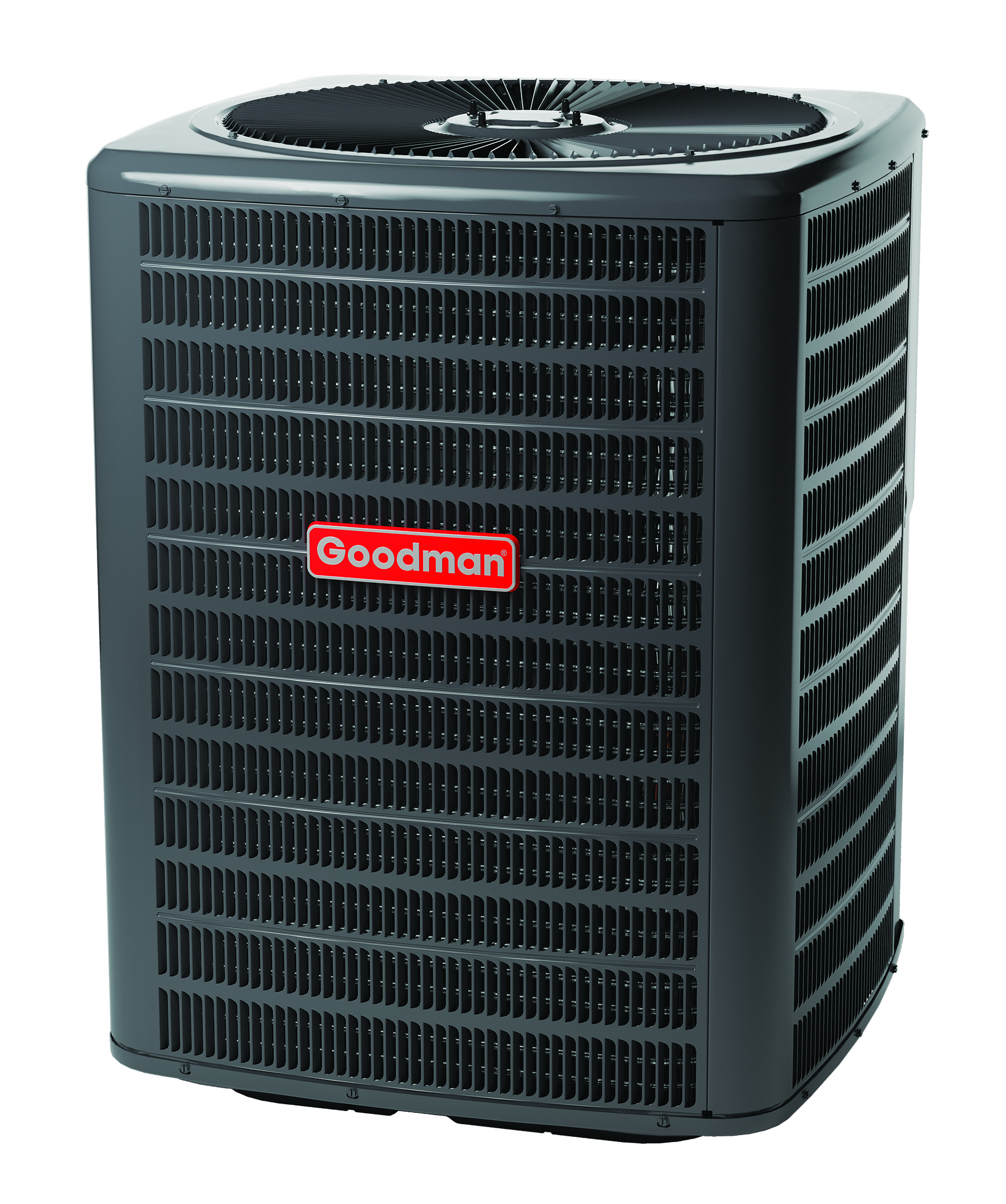
Goodman 3 Ton 17.2 SEER2 AC With 80000 BTU 96% AFUE 2-Stage Variable-Speed ECM Gas Furnace System – Upflow | 2-Stage High Efficiency AC | R32
View on AC Direct see your lowest price →Check current price on AC Direct →
Key features
- 17.2 SEER2 two-stage cooling for improved humidity control and efficiency
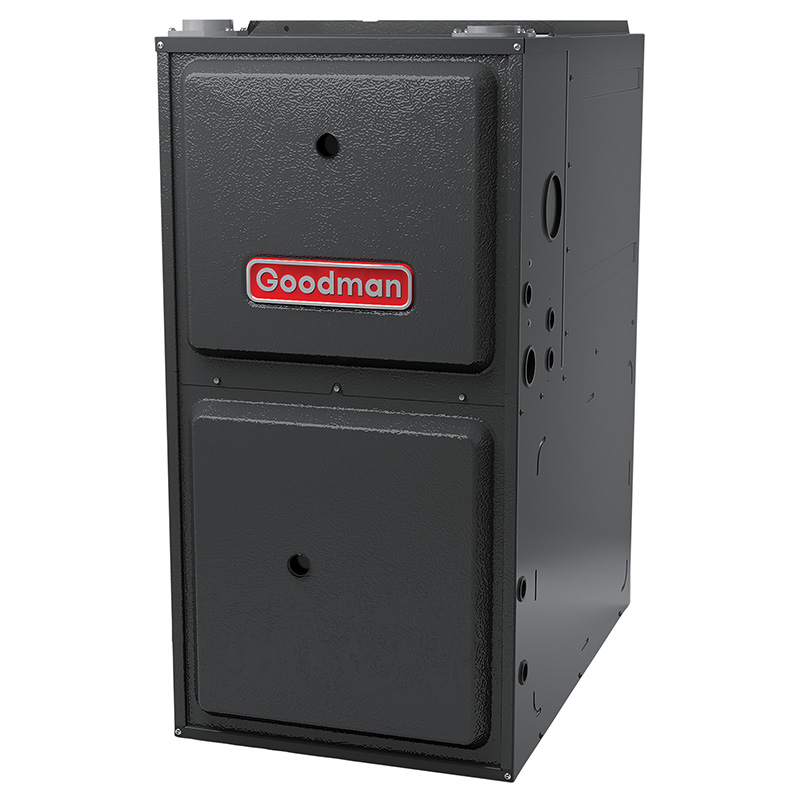
- 96% AFUE two-stage condensing gas furnace with variable-speed ECM blower
- R-32 refrigerant with lower global warming potential than R-410A
- Upflow configuration for basement or ground-level closet installations
- 3-ton capacity suited to roughly 1,500 to 2,000 sq ft depending on climate and load
- ECM motor reduces blower electricity consumption compared to PSC motors
About this system
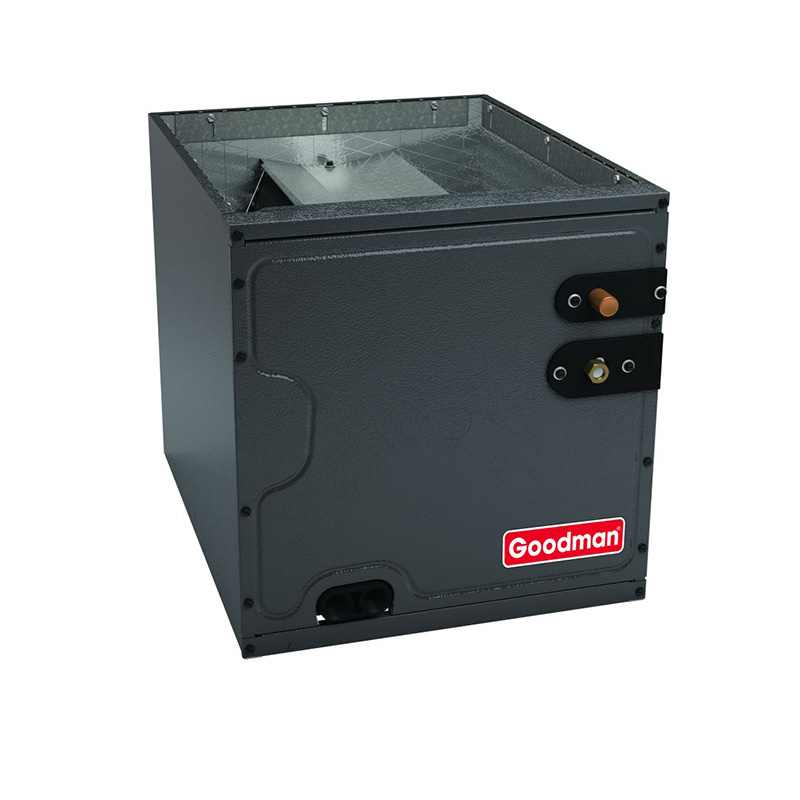
The Goodman GLXT7CA3610 pairs a 3-ton, 17.2 SEER2 two-stage central air conditioner with an 80,000 BTU, 96% AFUE two-stage variable-speed ECM gas furnace in an upflow configuration. The two-stage cooling means the compressor runs at a lower capacity on mild days, reducing short-cycling, improving humidity control, and keeping indoor temperatures more consistent than a single-stage system can manage. The variable-speed ECM blower motor in the furnace further supports that comfort level by ramping airflow gradually rather than slamming on at full blast, which also trims electricity use on the blower side.
The 96% AFUE furnace is a high-efficiency condensing unit, so it will require a PVC flue rather than a traditional B-vent and needs a condensate drain nearby. Upflow configuration means supply air exits the top, suiting a basement or closet installation where ductwork runs up through the floor. The system uses R-32 refrigerant, which has a lower global warming potential than the R-410A it replaces and is now the direction the industry is moving. R-32 does require technicians to be certified and equipped for it, so confirm your installer has the right tools before scheduling. This is a solid mid-efficiency, mid-budget package suited to homeowners who want better-than-basic comfort without spending what a premium brand charges for similar specs.
This Goodman combo delivers genuine two-stage comfort and high-efficiency heating at a price point that typically undercuts comparable Carrier, Trane, and Lennox systems by 15 to 25 percent. The trade-off is a brand with a documented history of capacitor failures, evaporator coil leaks, and compressors that tend to reach end of life sooner than premium-brand counterparts. A quality installation from a certified R-32 technician is not optional here; it is the single biggest variable in how long this system performs.
Overall score is the average of the five ratings above.
What we like
- Two-stage cooling reduces short-cycling and controls humidity better than single-stage alternatives
- 96% AFUE furnace is among the most efficient tier available for gas heating
- Variable-speed ECM blower lowers electricity use and improves airflow consistency
- R-32 refrigerant positions the system for near-term regulatory compliance
- Noticeably lower purchase price than comparable Carrier, Trane, or Lennox systems
Trade-offs
- Dual-run capacitors are the most frequently reported failure point, typically after year 5 to 7, with repair costs in the $300 to $600 range
- Evaporator coil leaks appear in a meaningful share of owner reviews and can be an expensive fix outside warranty
- Compressor lifespan averages 10 to 14 years versus 15 to 20 years seen in premium brands
- R-32 refrigerant requires a certified technician with specific equipment, narrowing the installer pool in some markets
What homeowners and pros say about Goodman
Homeowners who have lived with Goodman equipment tend to split into two camps. Those who had a careful installation and kept up with annual tune-ups often report years of trouble-free operation and point to the lower purchase price as money well spent. Those who ran into problems tend to flag the same specific issues repeatedly: a dual-run capacitor that failed somewhere between years five and eight (typically a $300 to $600 service call), refrigerant leaks traced back to evaporator coil issues, and compressors that did not reach the lifespan owners expected. That pattern shows up in Goodman’s ConsumerAffairs score, which sits at roughly 2.5 out of 5 on a platform where people who had problems are far more likely to leave a review than people who did not. Google dealer-level reviews tell a somewhat different story, averaging around 3.8 out of 5, where the most repeated theme is that Goodman delivers solid functionality for the price.
HVAC technicians tend to describe Goodman as a brand where the installation is everything. A rushed or underqualified install amplifies every weakness in the product, while a meticulous one, with proper refrigerant charge, correct airflow setup, and verified condensate drainage, can produce a system that performs well for a decade or more. For this specific system, R-32 certification is a non-negotiable requirement for the installer, and that adds a screening step the buyer needs to take seriously. Pros also note that the two-stage compressor and ECM blower are genuine upgrades over entry-level Goodman configurations, giving this package better real-world performance than the brand’s base-tier products. The long-run question is whether the compressor, which tends to average 10 to 14 years across the Goodman line versus 15 to 20 years in premium brands, will reach the end of its life before the homeowner is ready to replace the system anyway.
Sources: ConsumerAffairs Goodman owner reviews, AHRI Directory of Certified Product Performance, U.S. DOE appliance and equipment efficiency standards, Goodman product specification sheets.
What it costs to run
At 17.2 SEER2, cooling this 3-ton system for a typical 1200-hour cooling season at the U.S. average electricity rate of $0.17/kWh works out to roughly $427 per year in cooling, about $121 less per year than a minimum-efficiency 13.4 SEER2 unit of the same size. Your real cost depends on your climate and local rate.
Method: (36,000 BTU/hr ÷ 17.2 SEER2) × 1200 hours ÷ 1000 × $0.17/kWh. Rate source: U.S. EIA average; cooling hours: moderate-climate estimate.
How it compares
| Brand | Comparable model | SEER2 | Stage | Price position |
|---|---|---|---|---|
| Goodman | GLXT7CA3610 | 17.2 | Two-stage | Value pick |
| Carrier | Comfort 17 (24ACC6) | 17 | Two-stage | Typically 15 to 25 percent more than this Goodman system |
| Trane | XR17 | 17 | Two-stage | Typically 15 to 25 percent more than this Goodman system |
| Lennox | Merit 16ACX / ML17XC1 | 17 | Two-stage | Typically 15 to 25 percent more than this Goodman system |
Competitor rows are comparable single-stage units at similar efficiency; price is relative position, not a quote.
Questions about this system
Does this system require a special flue or venting setup because of the 96% AFUE furnace?
Yes. A 96% AFUE condensing furnace cannot use a traditional metal B-vent. It requires two-pipe PVC venting for combustion air intake and exhaust, plus a condensate drain line to handle the moisture produced during high-efficiency combustion. Your installer needs to account for both before the job starts.
My current technician is not certified for R-32. Is that a real problem?
It is. R-32 is mildly flammable and requires specific recovery equipment and handling procedures; a technician without the proper certification and tools should not service this system. Before purchasing, confirm your preferred installer is equipped for R-32, since the pool of certified technicians is still smaller than for R-410A in some regions.
What does two-stage cooling actually change day to day compared to a single-stage unit?
On a typical mild day the compressor runs at its lower stage for longer, more even cycles instead of blasting on at full capacity and shutting off quickly. That longer runtime pulls more moisture out of the air, keeps temperatures more consistent from room to room, and tends to be quieter than a single-stage system cycling on and off repeatedly.
Goodman has a mixed reputation online. Should I be worried about buying this system?
The concerns are real but worth context. ConsumerAffairs scores Goodman at roughly 2.5 out of 5, but that platform skews toward people who had problems. Google dealer reviews average around 3.8 out of 5, where affordability is the most consistent praise. The documented failure points are dual-run capacitors (a low-cost fix), evaporator coil leaks, and compressors that tend to age faster than premium-brand units. A thorough installation and annual maintenance visits significantly reduce those risks.
What size home is a 3-ton system typically right for?
A rough rule of thumb puts 3 tons at roughly 1,500 to 2,000 square feet, but actual sizing depends on your climate zone, insulation levels, window area, and ceiling height. An improperly sized system, whether too large or too small, causes comfort and efficiency problems regardless of brand. A proper Manual J load calculation by your installer is the only reliable way to confirm 3 tons is correct for your home.
Specifications
| Cooling capacity | 3 Ton |
| Efficiency | 17.2 SEER2 |
| Furnace output | 80000 BTU |
| Furnace efficiency | 96% AFUE |
| Configuration | Upflow |
| Refrigerant | R-32 |
| Model | GLXT7CA3610 |