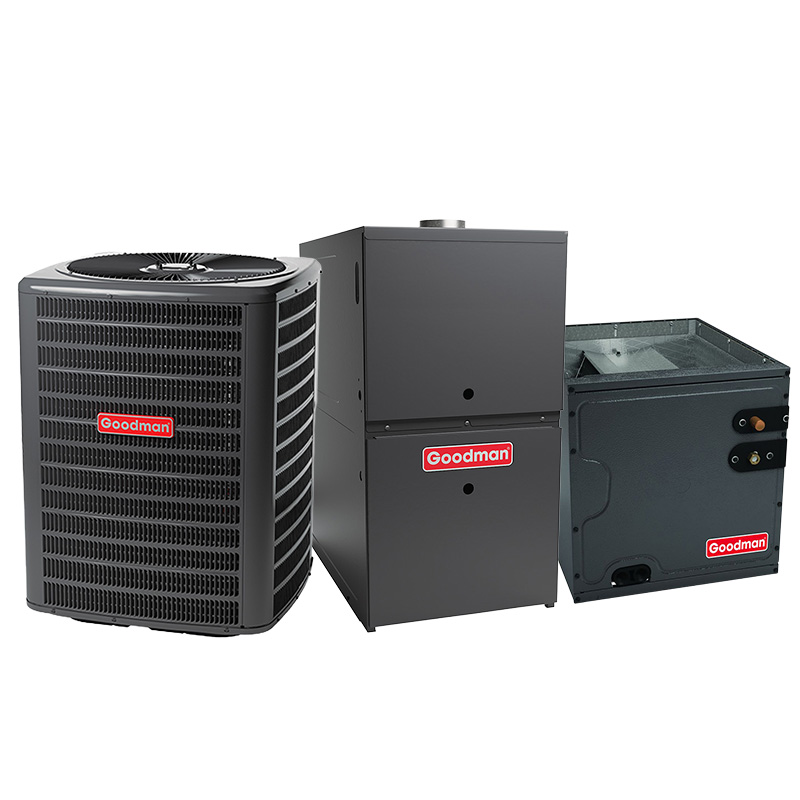
Goodman 3 Ton 17.2 SEER2 Dual Fuel Hybrid Heat Pump System – Two Stage Heat Pump & Two Stage Variable Speed 100000 BTU Gas Furnace, 80% AFUE, Upflow, R32
View on AC Direct see your lowest price →Check current price on AC Direct →
Key features
- 17.2 SEER2 two-stage heat pump with R-32 refrigerant
- Dual fuel hybrid control: switches automatically between heat pump and gas heat
- 100,000 BTU two-stage gas furnace, 80% AFUE, upflow configuration
- Variable-speed indoor blower motor for quieter, more consistent airflow
- R-32 refrigerant with lower global-warming potential than R-410A
- Factory-matched system designed for simplified commissioning and warranty compliance
About this system
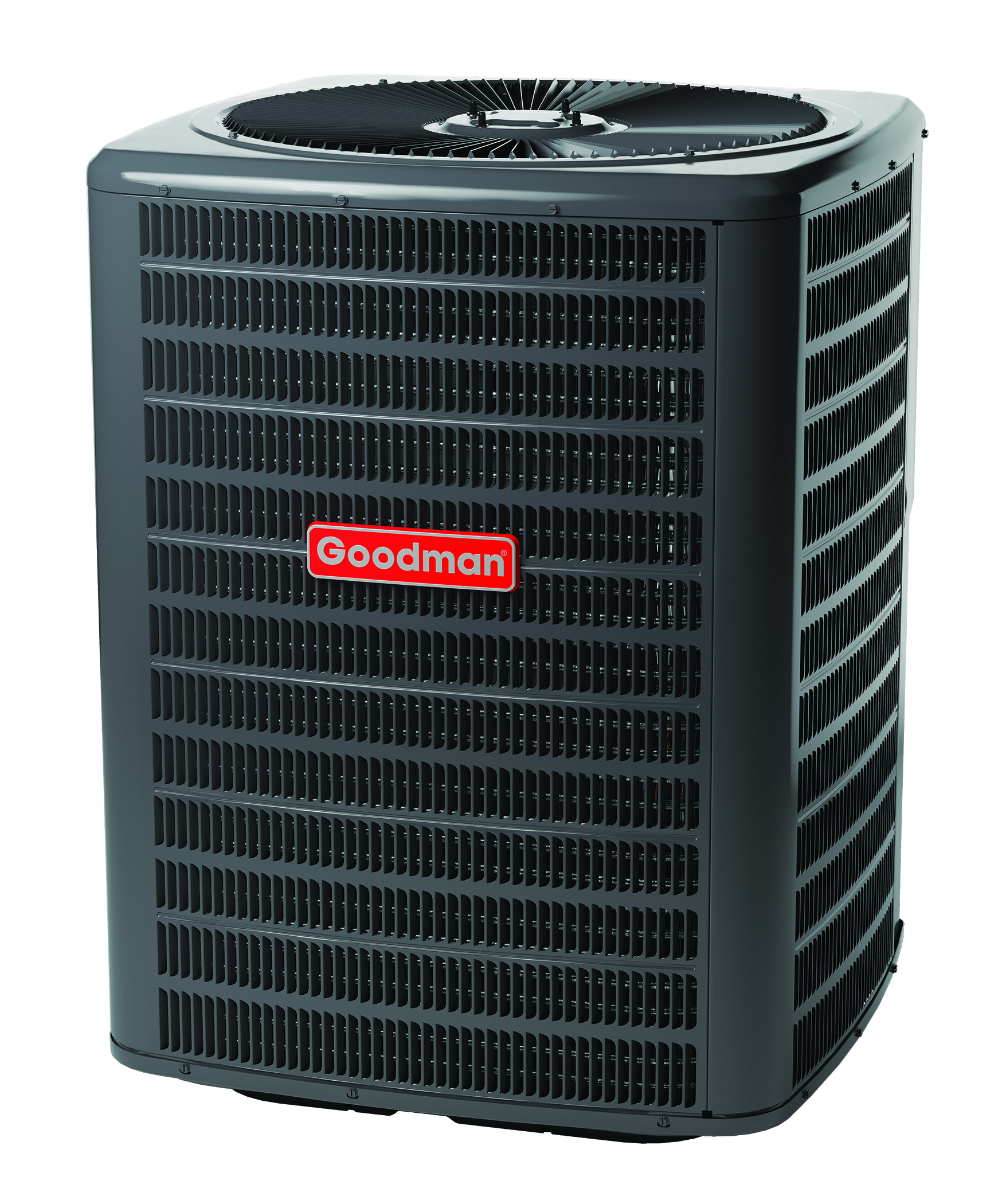
The Goodman 3-Ton 17.2 SEER2 Dual Fuel Hybrid Heat Pump System pairs a two-stage R-32 heat pump with a two-stage, variable-speed 100,000 BTU gas furnace rated at 80% AFUE. The hybrid or “dual fuel” setup means the system automatically chooses between electric heat pump operation and gas heat depending on outdoor temperatures, a practical arrangement for climates that swing between mild shoulder seasons and genuine winter cold. At 17.2 SEER2, this unit clears the federal minimum by a comfortable margin and sits in the upper-mid efficiency tier without reaching the premium variable-speed heat pump territory above 19 SEER2.
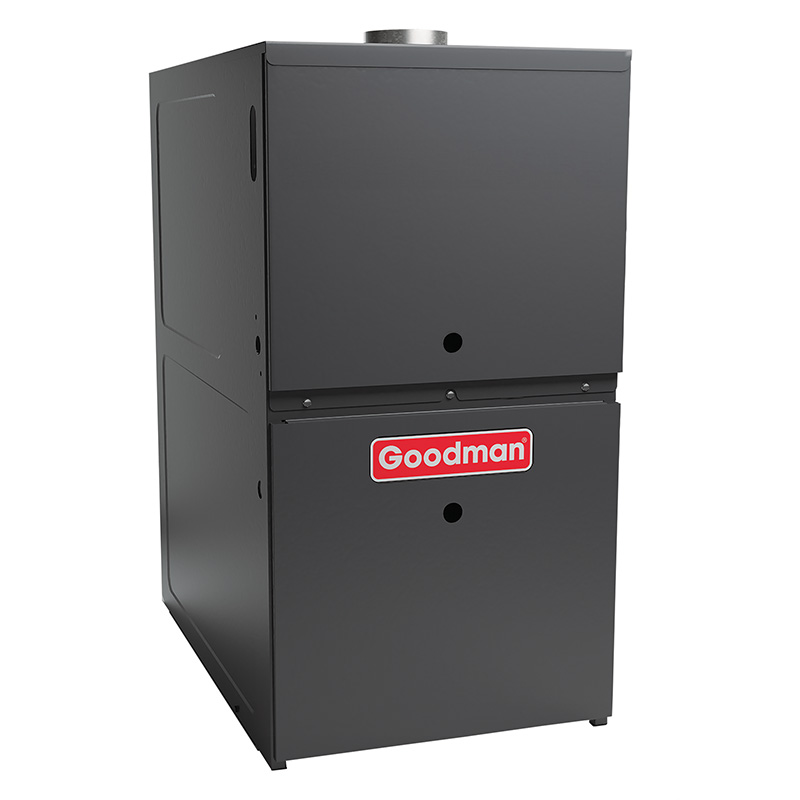
The upflow furnace configuration positions this system for homes with a basement or mechanical closet where air is drawn from the bottom and discharged upward, which is the most common furnace orientation in the northern and mid-Atlantic US. Two-stage operation on both the heat pump and the furnace lets the equipment run at a lower capacity on mild days, which reduces short-cycling, improves humidity control in cooling mode, and lowers operating noise compared to single-stage equipment. The switch to R-32 refrigerant is worth noting: R-32 has a lower global-warming potential than the R-410A it replaces, and it requires slightly different handling procedures, so your installing technician should confirm familiarity with the refrigerant before work begins.
This system suits homeowners in regions that see both hot summers and cold winters, particularly those who already have gas infrastructure but want the efficiency benefits of heat pump operation during moderate weather. It is a budget-conscious choice relative to Carrier, Trane, or Lennox dual-fuel packages at similar ratings, though that price gap comes with trade-offs in documented long-term reliability that buyers should weigh honestly before committing.
The Goodman dual-fuel hybrid system delivers genuinely useful efficiency and two-stage comfort at a price point that can run 15 to 25 percent below comparable Carrier, Trane, or Lennox configurations, making it a reasonable choice for cost-conscious buyers who hire a skilled installer. The long-term value proposition weakens somewhat after year seven, when repair costs and documented component failure rates tend to climb, and buyers who plan to stay in a home for 15-plus years should factor that into the total-cost calculation.
Overall score is the average of the five ratings above.
What we like
- 17.2 SEER2 rating qualifies for federal efficiency incentives in many cases
- Dual fuel logic cuts heating costs by using the heat pump when it is cheaper than gas
- Two-stage operation on both units reduces short-cycling and improves dehumidification
- Priced 15 to 25 percent below premium-brand equivalents, lowering the upfront barrier
- R-32 refrigerant is easier to source going forward as R-410A is phased down
Trade-offs
- 80% AFUE furnace is the federal minimum efficiency tier; 95%+ AFUE options exist at higher cost
- Dual-run capacitors are the most commonly reported failure point, adding service calls in mid-life
- Compressor lifespan averages 10 to 14 years versus 15 to 20 years for premium-brand compressors
- Evaporator coil leaks appear in a meaningful share of owner reviews, and a minority of units have shown refrigerant issues within the first year
What homeowners and pros say about Goodman
Homeowners who post about Goodman equipment tend to split along two clear lines. Those who had a careful installation by an experienced contractor and kept up with annual maintenance often report years of uneventful service and point to the lower purchase price as the reason they chose the brand. The Google dealer review average of around 3.8 out of 5 reflects that cohort reasonably well, with affordability coming up again and again as the deciding factor. The picture on ConsumerAffairs, where Goodman sits at roughly 2.5 out of 5, is starker, and the complaints that accumulate there follow a recognizable arc: systems that run fine for the first several years and then require increasingly frequent service after year seven, with dual-run capacitor failures and evaporator coil leaks listed most often as the culprits. Neither portrait is the complete story, but together they describe a brand whose floor is genuinely low when the install goes wrong and whose ceiling is solid but not exceptional.
HVAC technicians who work on Goodman regularly tend to say the equipment is straightforward to service and that parts are widely available, which matters for an owner facing a repair call. The capacitor issue they flag most often is inexpensive to fix, typically in the 300 to 600 dollar range, but it points to component quality that does not match premium-tier brands. The more serious concern professionals raise is compressor longevity: Goodman compressors tend to average 10 to 14 years in the field, a meaningful gap versus the 15 to 20 years more commonly associated with Carrier, Trane, or Lennox compressors. For a dual fuel system where both the heat pump and the furnace are working in rotation across seasons, that lifespan difference is worth building into a realistic cost-of-ownership estimate before signing the installation contract.
Sources: ConsumerAffairs Goodman owner reviews, AHRI Directory of Certified Product Performance, U.S. DOE appliance and equipment efficiency standards, Goodman product specification sheets.
What it costs to run
At 17.2 SEER2, cooling this 3-ton system for a typical 1200-hour cooling season at the U.S. average electricity rate of $0.17/kWh works out to roughly $427 per year in cooling, about $121 less per year than a minimum-efficiency 13.4 SEER2 unit of the same size. Your real cost depends on your climate and local rate.
Method: (36,000 BTU/hr ÷ 17.2 SEER2) × 1200 hours ÷ 1000 × $0.17/kWh. Rate source: U.S. EIA average; cooling hours: moderate-climate estimate.
How it compares
| Brand | Comparable model | SEER2 | Stage | Price position |
|---|---|---|---|---|
| Goodman | 3-Ton 17.2 SEER2 Dual Fuel Hybrid (this system) | 17.2 | Two-stage heat pump / Two-stage furnace | Value pick |
| Carrier | Performance Series Dual Fuel (25VNA / 59TP2) | 17+ | Two-stage heat pump / Two-stage furnace | Typically 15 to 25 percent more than this Goodman |
| Trane | XR17 Dual Fuel System (XR17 heat pump / S9V2 furnace) | 17+ | Two-stage heat pump / Two-stage furnace | Typically 15 to 25 percent more than this Goodman |
| Lennox | Dave Lennox Signature Dual Fuel (XP17 / SLP98V) | 17+ | Two-stage heat pump / Variable-speed furnace | Typically 15 to 25 percent more than this Goodman |
Competitor rows are comparable single-stage units at similar efficiency; price is relative position, not a quote.
Questions about this system
How does the dual fuel system decide when to use the heat pump versus the gas furnace?
The control board compares outdoor temperature against a user-set or installer-set balance point, typically somewhere between 30 and 40 degrees Fahrenheit. Above that point the heat pump runs because it moves more heat per dollar of electricity than gas combustion costs at current utility rates; below it, the gas furnace takes over. Your installer should dial in the balance point based on your local electric and gas rates to maximize savings.
Why does the furnace have a 100,000 BTU capacity for a 3-ton heat pump system?
In a dual fuel setup the furnace needs to cover the full design heating load on the coldest days when the heat pump is locked out, and that load is often higher than the cooling load that determines the heat pump tonnage. A 100,000 BTU furnace on a 3-ton system is common in colder climates; your HVAC contractor should perform a Manual J load calculation to confirm the sizing is appropriate for your home before installation.
What does the switch to R-32 refrigerant mean for me as an owner?
R-32 is mildly flammable, which is classified as A2L under refrigerant safety standards, so technicians working on the system need to follow updated handling procedures and use compatible equipment. In practice this should be transparent to you as an owner, but it is worth confirming that any service company you call in the future is trained and equipped for A2L refrigerants before scheduling a repair.
Goodman's ConsumerAffairs score is low. Should that concern me?
ConsumerAffairs scores around 2.5 out of 5 for Goodman, and the channel is complaint-skewed by nature, meaning satisfied owners rarely post there. The recurring theme in those complaints is repair costs rising after roughly year seven, particularly around capacitors and coil integrity. Google dealer reviews land around 3.8 out of 5 and are more balanced, with affordability cited most often as a positive. The honest takeaway is that Goodman performs adequately when installed correctly and maintained regularly, but its component longevity trails premium brands.
Does this system qualify for the federal Inflation Reduction Act heat pump tax credit?
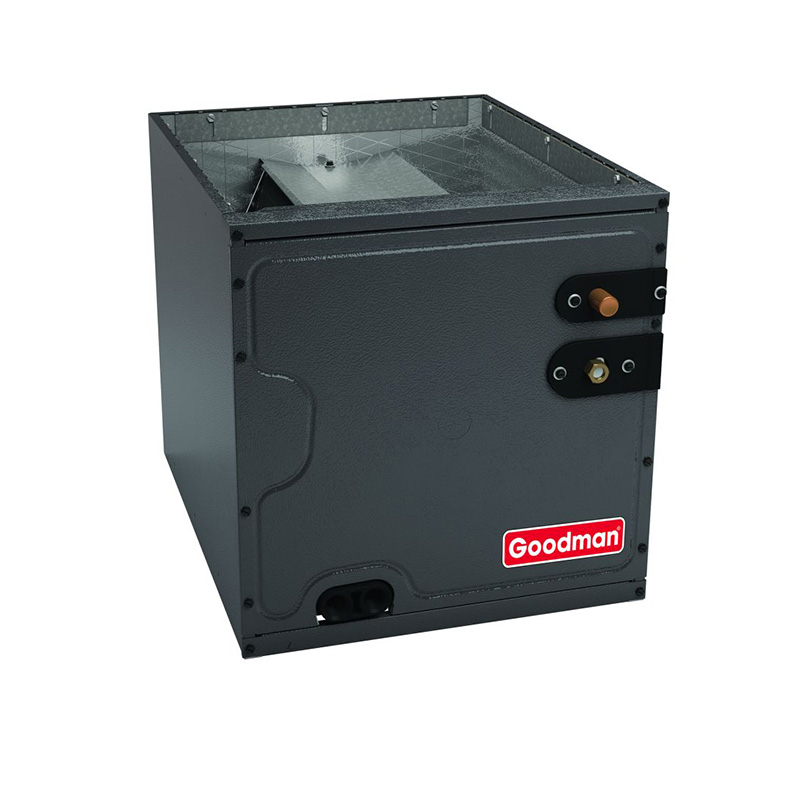
Heat pumps must meet efficiency thresholds set by the IRS and updated through the ENERGY STAR program to qualify for the 25C tax credit, and eligibility can change year to year. At 17.2 SEER2 this unit is in a competitive efficiency range, but you should verify current qualifying criteria at energystar.gov or with your tax advisor before purchase, as split system qualification also depends on the specific matched coil and installation details.
Specifications
| Cooling capacity | 3 Ton |
| Efficiency | 17.2 SEER2 |
| Furnace output | 100000 BTU |
| Furnace efficiency | 80% AFUE |
| Configuration | Upflow |
| Refrigerant | R-32 |