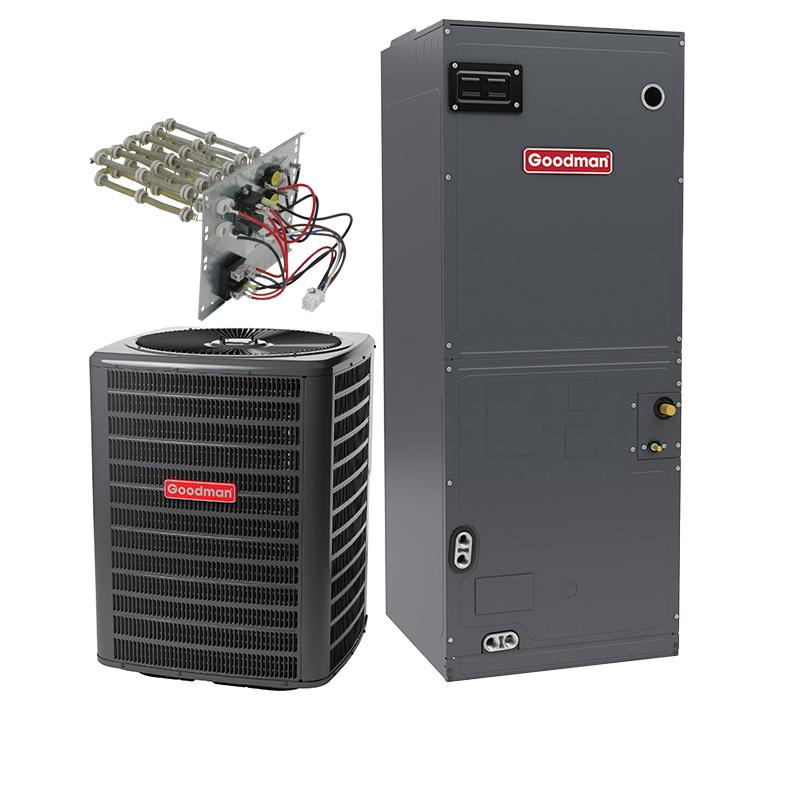
Goodman 3 Ton 17.2 SEER2 R32 Two Stage Cooling Only System With Electric Heat
View on AC Direct see your lowest price →Check current price on AC Direct →
Key features
- 17.2 SEER2 two-stage compressor for improved humidity control and part-load efficiency
- R-32 refrigerant with lower global-warming potential than R-410A
- Cooling-only outdoor unit paired with electric heat strips for supplemental heating
- 3-ton capacity suited to roughly 1,800 to 2,400 square feet depending on climate and insulation
- Two-stage operation reduces short cycling and lowers sound levels at part load
- Value-tier pricing typically 15 to 25 percent below comparable Trane, Lennox, and Carrier systems
About this system
The Goodman 3-Ton 17.2 SEER2 Two-Stage Cooling-Only System with Electric Heat is built around a two-stage compressor that runs at a lower capacity on mild days and steps up only when the full cooling load demands it. For a 3-ton unit, that translates to noticeably steadier indoor temperatures, longer run cycles that wring more humidity out of the air, and meaningfully quieter operation compared to a single-stage unit cycling on and off repeatedly. The 17.2 SEER2 rating places it solidly in the high-efficiency tier without crossing into the premium variable-speed category, which is a reasonable middle ground for homeowners who want efficiency gains without paying top-dollar prices.
This system uses R-32 refrigerant, a lower-global-warming-potential alternative to the R-410A that dominated the market for the past two decades. R-32 is now the direction the industry is moving, so this unit is forward-compatible with where service technicians and refrigerant supply chains are heading. The cooling-only configuration paired with electric heat strips suits climates where winters are mild enough that a full heat pump is unnecessary or where a gas furnace is already in place and this system is adding only cooling and supplemental electric heat. It is a practical fit for homes in the 1,800 to 2,400 square-foot range with reasonable insulation in climate zones 2 through 4.
Goodman sits firmly in the value tier, typically priced 15 to 25 percent below Trane, Carrier, and Lennox equipment with comparable ratings. That price gap is real and meaningful, but it comes with honest trade-offs in documented failure rates and compressor longevity that buyers should weigh before committing.
This Goodman system offers a legitimate efficiency and comfort upgrade over single-stage equipment at a price point that is hard to argue with for budget-conscious buyers. The two-stage operation and 17.2 SEER2 rating are real benefits, but Goodman's documented failure modes and shorter average compressor lifespan mean the total cost of ownership over 15 years can narrow the initial savings gap considerably. It is a reasonable choice when installed by an experienced technician who pays attention to the refrigerant charge and electrical connections.
Overall score is the average of the five ratings above.
What we like
- Two-stage cooling improves humidity removal and temperature consistency compared to single-stage units
- 17.2 SEER2 qualifies for energy efficiency rebates in many utility service territories
- R-32 refrigerant is forward-compatible with industry direction and has lower environmental impact
- Initial purchase price is typically 15 to 25 percent below comparable premium-brand equipment
- Electric heat integration simplifies the system for climates that need only occasional supplemental heat
Trade-offs
- Dual-run capacitor failures are the most commonly reported issue and can start appearing after year 5 to 7, adding recurring service costs
- Evaporator coil leaks appear in a meaningful share of owner reports and can be expensive to address outside the warranty period
- Average compressor lifespan of 10 to 14 years trails the 15 to 20 years typically seen with premium brands, affecting long-term value
- A minority of owners report refrigerant leaks in the first year, which points to install-quality sensitivity and the importance of choosing a skilled contractor
What homeowners and pros say about Goodman
Homeowners who leave reviews about Goodman equipment land in two distinct camps. On complaint-heavy platforms like ConsumerAffairs, Goodman scores around 2.5 out of 5, and the recurring frustration is repair costs that start stacking up after roughly year 7. The specific failure modes that show up consistently are dual-run capacitor replacements, which are relatively quick and inexpensive fixes in the $300 to $600 range, and evaporator coil leaks, which are more disruptive and costly. A smaller number of owners report refrigerant leaks in the first year, a pattern that HVAC technicians generally attribute to installation issues rather than factory defects. On Google reviews tied to dealer locations, the score climbs to around 3.8 out of 5, where affordability and the straightforwardness of the equipment get the most consistent praise.
Among HVAC professionals, the conversation about Goodman tends to center on one consistent point: install quality drives outcome more than brand loyalty. Technicians who work on Goodman units regularly note that a well-installed Goodman with proper refrigerant charge and clean electrical connections will outperform a carelessly installed premium-brand system. The compressor lifespan averaging 10 to 14 years versus the 15 to 20 years seen from Trane, Carrier, and Lennox is a real and documented gap, and experienced contractors tend to be upfront with customers that the lower purchase price should be weighed against the probability of earlier major component replacement. For buyers who prioritize lower upfront cost and understand the maintenance commitment, the consensus is that Goodman is a defensible choice when paired with a skilled installer.
Sources: ConsumerAffairs Goodman owner reviews, AHRI Directory of Certified Product Performance, U.S. DOE appliance and equipment efficiency standards, Goodman product specification sheets.
What it costs to run
At 17.2 SEER2, cooling this 3-ton system for a typical 1200-hour cooling season at the U.S. average electricity rate of $0.17/kWh works out to roughly $427 per year in cooling, about $121 less per year than a minimum-efficiency 13.4 SEER2 unit of the same size. Your real cost depends on your climate and local rate.
Method: (36,000 BTU/hr ÷ 17.2 SEER2) × 1200 hours ÷ 1000 × $0.17/kWh. Rate source: U.S. EIA average; cooling hours: moderate-climate estimate.
How it compares
| Brand | Comparable model | SEER2 | Stage | Price position |
|---|---|---|---|---|
| Goodman | 3-Ton 17.2 SEER2 Two-Stage Cooling Only with Electric Heat | 17.2 | Two-stage | Value pick |
| Carrier | Comfort 16 (24ACC6) Series | 16-17 SEER2 | Single-stage | Typically 15 to 25 percent more than Goodman |
| Trane | XR16 Series | 16-17 SEER2 | Single-stage | Typically 15 to 25 percent more than Goodman |
| Lennox | Merit 16ACX Series | 16-17 SEER2 | Single-stage | Typically 15 to 25 percent more than Goodman |
Competitor rows are comparable single-stage units at similar efficiency; price is relative position, not a quote.
Questions about this system
Is 17.2 SEER2 enough to qualify for federal or utility rebates?
Many utility rebate programs set their two-stage efficiency thresholds between 16 and 18 SEER2, so this unit frequently qualifies. Check the ENERGY STAR certificate for this specific model and cross-reference your utility's current rebate schedule, since thresholds vary by region and change year to year.
What does cooling-only with electric heat actually mean for my setup?
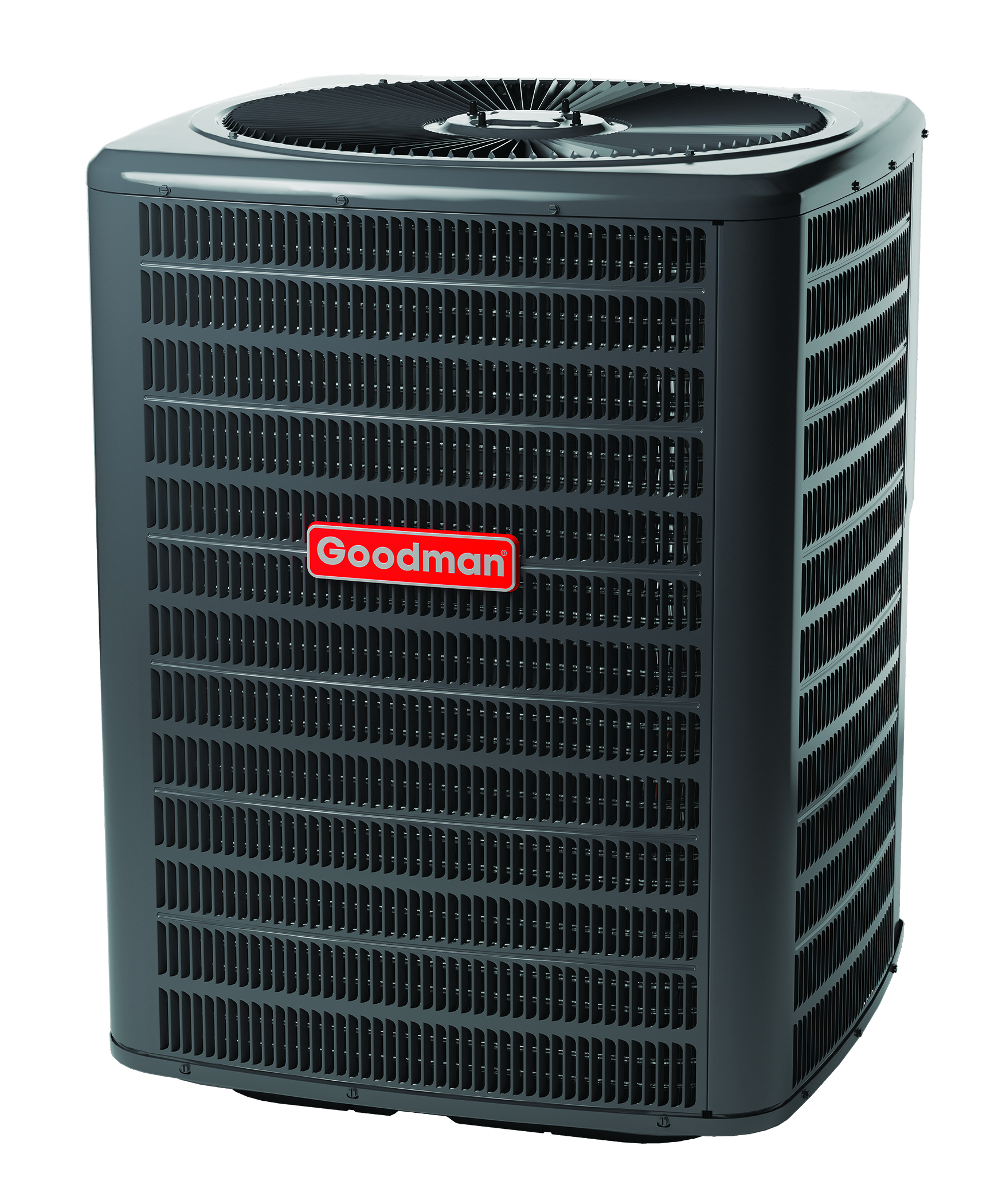
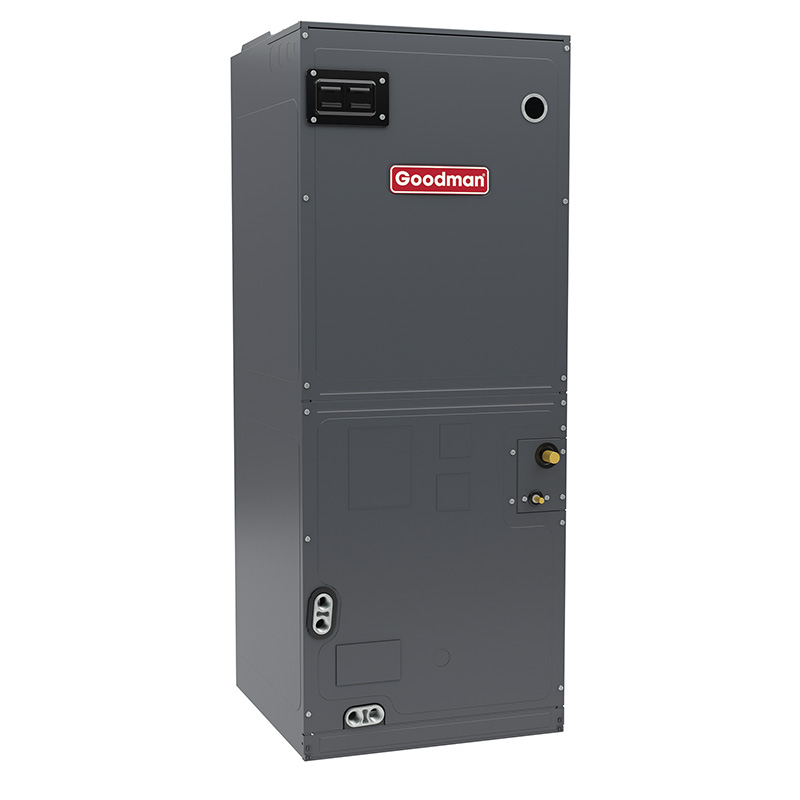
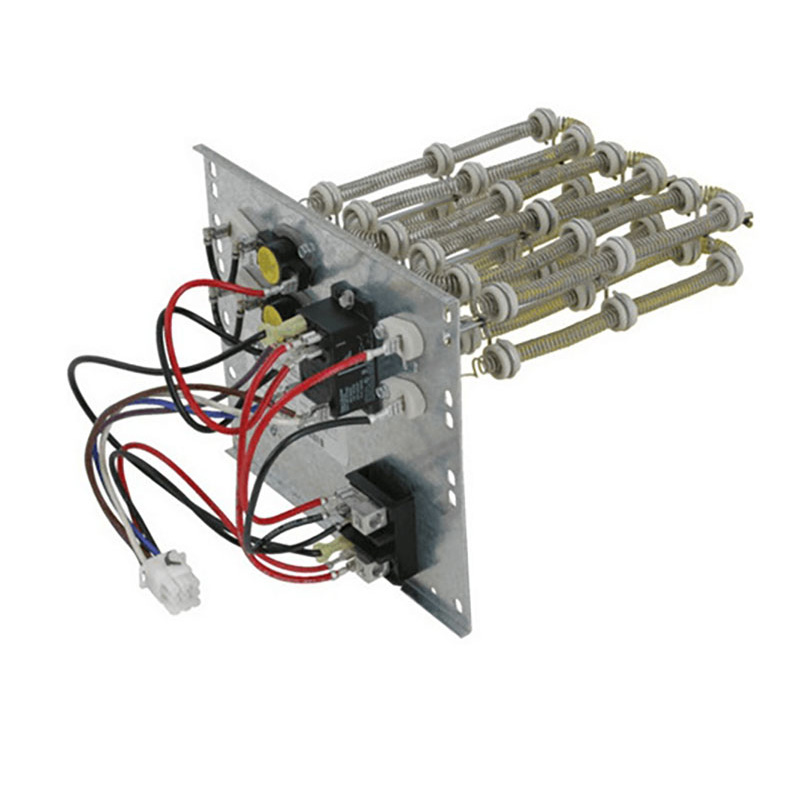
The outdoor unit handles only cooling; there is no heat pump refrigerant cycle for heating. The electric heat refers to resistance heat strips installed in the air handler, which provide supplemental or backup heat. This configuration works well when you already have a gas furnace handling primary heat, or when you are in a mild climate where winters rarely demand serious heating output.
How does R-32 refrigerant affect service costs compared to R-410A?
R-32 availability is growing steadily as the industry moves away from R-410A, and pricing is currently comparable. Most certified HVAC technicians are already equipped to handle R-32, but it is worth confirming that your service contractor is familiar with it before scheduling maintenance or repairs.
How important is installer quality for a Goodman system specifically?
Very important. Technicians consistently point to install quality as the single biggest predictor of how long a Goodman unit lasts. Proper refrigerant charge, secure electrical connections, and correct airflow setup are critical, and a minority of owners who report first-year refrigerant leaks are often dealing with installation errors rather than factory defects. Choosing an experienced, licensed installer matters more with Goodman than with some premium brands that have tighter factory tolerances.
What are the most likely repair costs I should budget for over the first 10 years?
Dual-run capacitor replacement is the most commonly reported repair for Goodman equipment and typically runs $300 to $600 including labor. Evaporator coil leaks appear in a meaningful share of owner reviews and can be considerably more expensive, especially outside the warranty window. Budgeting for one or two service calls beyond routine maintenance over the first decade is a realistic expectation.
Specifications
| Cooling capacity | 3 Ton |
| Efficiency | 17.2 SEER2 |
| Refrigerant | R-32 |