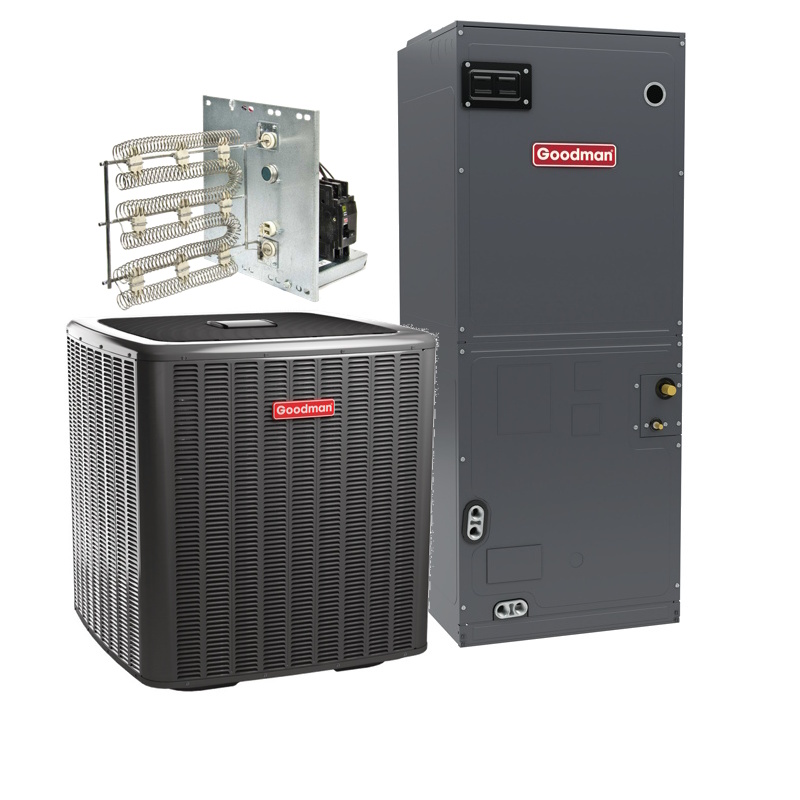
Goodman 3 Ton 19 SEER2 Heat Pump Split System Variable Speed
View on AC Direct see your lowest price →Check current price on AC Direct →
Key features
- 19 SEER2 variable-speed compressor for continuous capacity modulation
- 3-ton (36,000 BTU nominal) heating and cooling output
- Designed to meet federal efficiency thresholds for potential tax credit eligibility
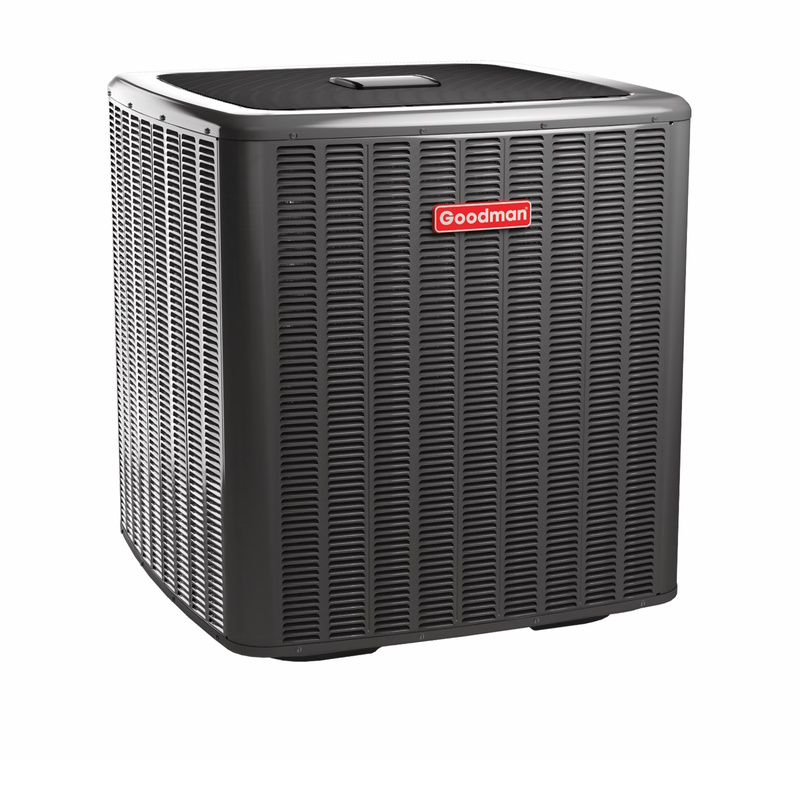
- Operates as a heat pump, providing both heating and cooling from a single outdoor unit
- Variable-speed operation reduces humidity swings and supports quieter part-load running
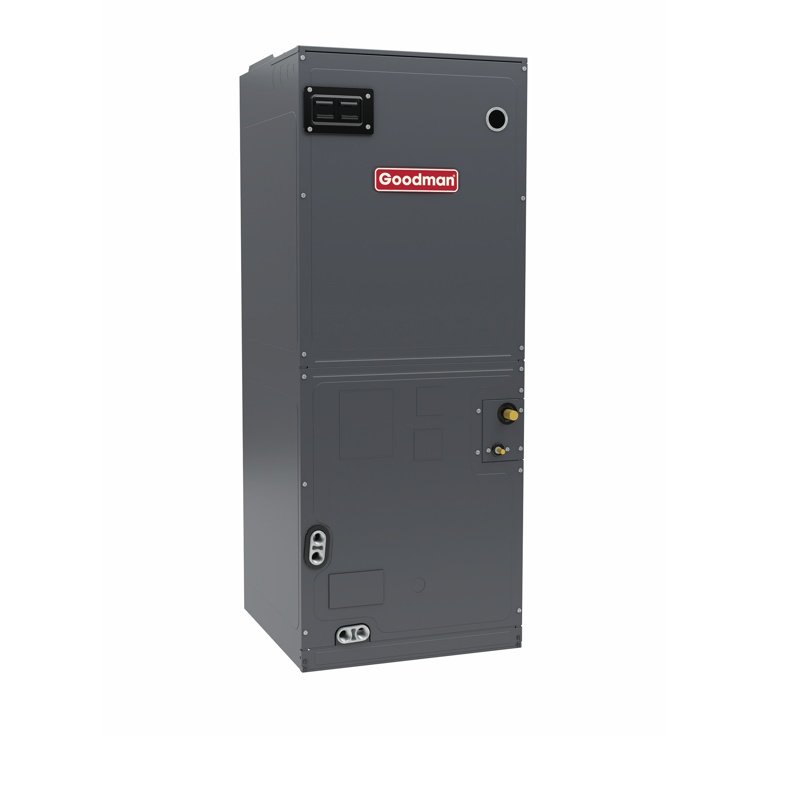
- Requires a matched indoor coil or air handler and compatible thermostat for full performance
About this system
The Goodman 3-Ton 19 SEER2 Variable Speed Heat Pump Split System sits at the upper tier of Goodman’s efficiency lineup, delivering heating and cooling performance that qualifies for federal tax credits and can meaningfully reduce monthly energy bills compared to older or entry-level equipment. At 19 SEER2, this system uses the updated M1 testing methodology, so it reflects real-world operating conditions more accurately than older SEER ratings. The variable-speed compressor modulates output continuously rather than cycling on and off at full blast, which translates to steadier indoor temperatures, lower humidity levels, and quieter operation during most run cycles.
A 3-ton capacity is the most common residential size, suited to homes roughly in the 1,500 to 2,200 square foot range depending on insulation, climate zone, and duct quality. Because this is a split system, it requires a matched indoor air handler or coil and a properly sized refrigerant line set. Variable-speed systems also need a compatible communicating or two-stage-capable thermostat to unlock full modulation. Homeowners who skip that thermostat compatibility step will not get the efficiency or comfort benefits they are paying for. If your existing ductwork is undersized or leaky, you will want to address that before installation, as a variable-speed system is particularly sensitive to static pressure.
The Goodman 3-Ton 19 SEER2 Variable Speed Heat Pump delivers premium efficiency at a price that undercuts comparable Carrier, Trane, and Lennox systems by 15 to 25 percent, making it a genuinely compelling option for budget-conscious buyers who want high-efficiency variable-speed performance. That savings comes with real trade-offs: Goodman's compressors historically average 10 to 14 years versus 15 to 20 for premium brands, and the equipment's longevity leans heavily on installation quality and ongoing maintenance. Buyers who find a skilled installer and keep up with service intervals will likely be satisfied; those who skimp on either tend to generate the complaints that pull Goodman's ratings down.
Overall score is the average of the five ratings above.
What we like
- 19 SEER2 efficiency is genuinely high-end and qualifies for federal energy tax credits
- Variable-speed operation delivers better humidity control and more even temperatures than single-stage competitors at this price
- Entry price is typically 15 to 25 percent below comparable Carrier, Trane, and Lennox systems
- Dual-run capacitor failures, the most common repair call, are usually a straightforward low-cost fix in the $300 to $600 range
- Goodman's parts are widely stocked by distributors, so repair wait times tend to be short
Trade-offs
- Compressor lifespan averages 10 to 14 years, noticeably shorter than the 15 to 20 years reported for premium brands
- A meaningful share of owner reviews cite evaporator coil leaks, which can be an expensive mid-life repair
- A minority of owners report refrigerant leaks within the first year, typically traced to installation or initial charge issues rather than the equipment itself
- ConsumerAffairs reviews average about 2.5 out of 5, with rising repair costs after year 7 as a recurring theme
What homeowners and pros say about Goodman
On Google dealer review pages, Goodman earns around 3.8 out of 5 stars across several hundred reviews per location, and the most consistent praise is straightforward: the equipment costs less than comparable Carrier, Trane, or Lennox systems and it works when properly installed. Technicians who work on Goodman regularly note that the brand’s reputation lives and dies on installation quality, and that a well-commissioned Goodman variable-speed unit can perform comparably to premium brands for the first several years. The dual-run capacitor is the single most cited failure point in the field, but experienced technicians also note it is usually a fast, low-cost repair in the $300 to $600 range and not a reason to write the brand off.
The ConsumerAffairs picture is harsher, sitting at roughly 2.5 out of 5, though that platform skews toward owners motivated by frustration rather than satisfaction. The recurring theme there is repair costs rising after year 7, which aligns with the documented compressor lifespan of 10 to 14 years, shorter than the 15 to 20 years reported for premium brands. Evaporator coil leaks also surface in a meaningful share of owner accounts and represent the more expensive mid-life concern. A small but notable group of owners reports refrigerant leaks within the first year, which technicians and Goodman both attribute primarily to installation and charge errors rather than factory defects. The honest picture for this 19 SEER2 variable-speed system is that it offers real efficiency at a real discount, with real trade-offs in long-term durability that a quality installer and a service plan can partially offset.
Sources: ConsumerAffairs Goodman owner reviews, AHRI Directory of Certified Product Performance, U.S. DOE appliance and equipment efficiency standards, Goodman product specification sheets.
What it costs to run
At 19 SEER2, cooling this 3-ton system for a typical 1200-hour cooling season at the U.S. average electricity rate of $0.17/kWh works out to roughly $387 per year in cooling, about $161 less per year than a minimum-efficiency 13.4 SEER2 unit of the same size. Your real cost depends on your climate and local rate.
Method: (36,000 BTU/hr ÷ 19 SEER2) × 1200 hours ÷ 1000 × $0.17/kWh. Rate source: U.S. EIA average; cooling hours: moderate-climate estimate.
How it compares
| Brand | Comparable model | SEER2 | Stage | Price position |
|---|---|---|---|---|
| Goodman | 3-Ton 19 SEER2 Variable Speed Heat Pump Split System | 19 | Variable | Value pick |
| Carrier | Infinity 20 Heat Pump (25VNA0) | 20 | Variable | Typically 15 to 25 percent more than Goodman |
| Trane | XV20i Heat Pump (4TWV0) | 20 | Variable | Typically 15 to 25 percent more than Goodman |
| Lennox | XP21 Heat Pump | 19-20 | Variable | Typically 15 to 25 percent more than Goodman |
Competitor rows are comparable single-stage units at similar efficiency; price is relative position, not a quote.
Questions about this system
Does this system actually qualify for the federal heat pump tax credit?
At 19 SEER2, this unit is designed to meet the efficiency thresholds that can qualify for the federal Residential Clean Energy or Energy Efficient Home Improvement Credit, but eligibility also depends on your tax situation, installation details, and that requirements have not changed since this was written. Confirm the specific credit rules with a tax professional and verify the current CEE tier requirements before purchasing.
What thermostat do I need to get true variable-speed operation?
You will need a thermostat that is compatible with variable-speed or communicating heat pump systems. A basic single-stage thermostat will allow the system to run, but it will not allow the compressor to modulate, so you will lose most of the efficiency and comfort advantages of the variable-speed design. Ask your installer to confirm thermostat compatibility before the job starts.
How worried should I be about the evaporator coil leak issue mentioned in owner reviews?
Evaporator coil leaks do appear in a meaningful portion of Goodman owner reports and represent one of the more expensive mid-life repairs. Keeping up with annual filter changes and coil cleanings reduces the risk, and making sure refrigerant charge is set correctly at installation is also important since overcharging accelerates coil wear. A labor warranty or service contract is worth considering for this reason.
What is the realistic lifespan I should plan for with this system?
Based on documented failure patterns, Goodman compressors tend to average 10 to 14 years, compared to 15 to 20 years for premium brands. With excellent installation, proper refrigerant charge, and consistent maintenance, some units exceed that range; units installed poorly or neglected tend to fall short. Budget for a potential compressor or full-system replacement in the 10 to 12 year window.
If the refrigerant leaks in the first year, is that a product defect or an installation problem?
First-year refrigerant leaks at Goodman are most commonly attributed to installation or initial charge issues rather than manufacturing defects, according to documented owner and technician feedback. That means the quality of your installer is critical. Get a contractor who pressure-tests the line set and verifies charge with gauges after startup, and make sure any leak in the first year is investigated thoroughly before simply recharging.
Specifications
| Cooling capacity | 3 Ton |
| Efficiency | 19 SEER2 |