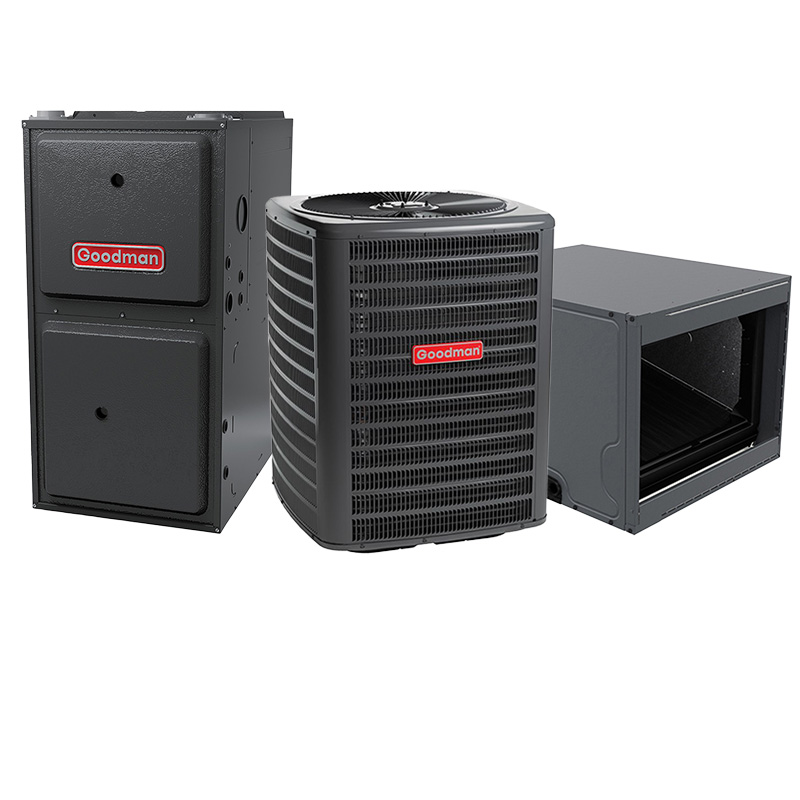
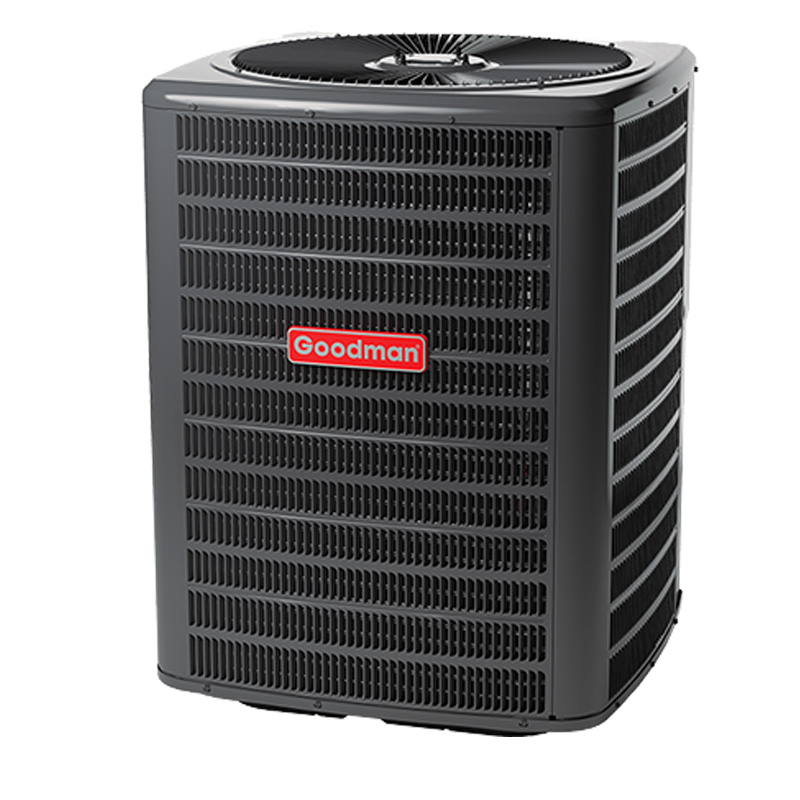
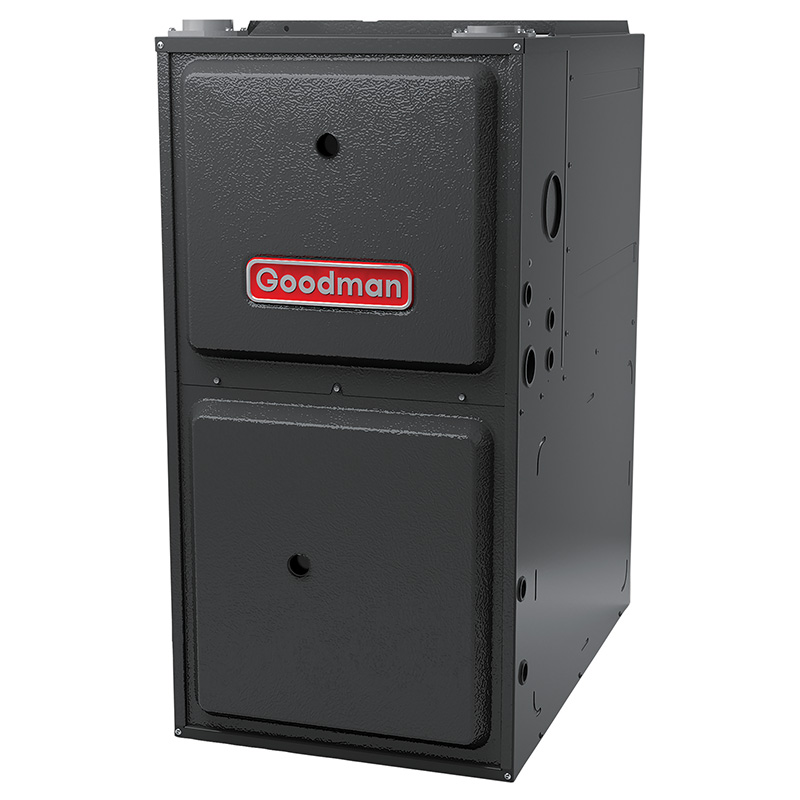
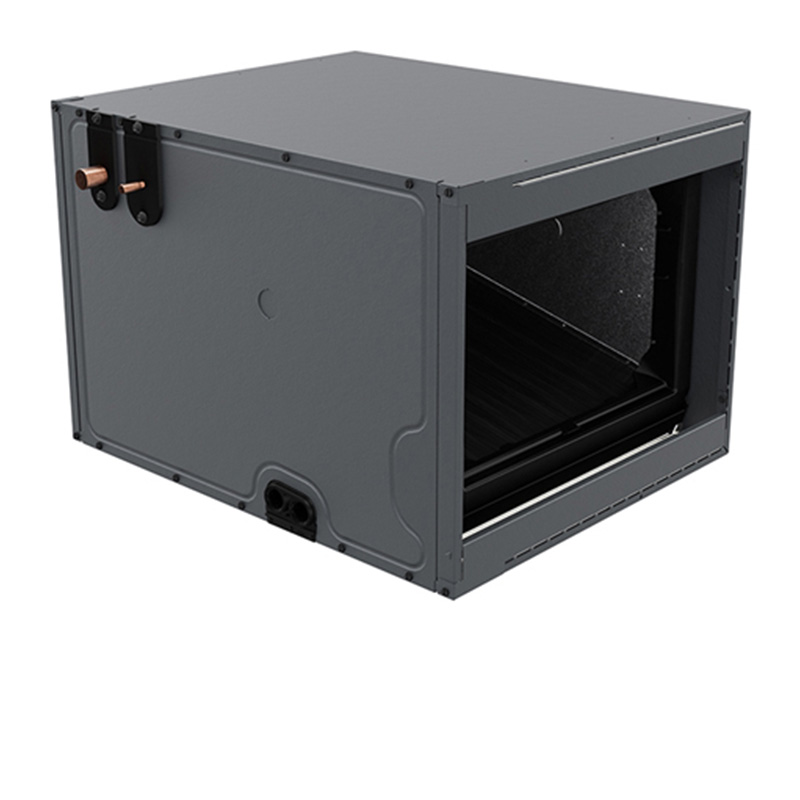
Goodman 3 Ton 14.5 SEER2 R32 AC System with 60,000 BTU 96% AFUE Gas Furnace – California & Colorado Ultra Low NOx, Horizontal, Multi-Speed ECM
View on AC Direct see your lowest price →Check current price on AC Direct →
Key features
- 14.5 SEER2 cooling efficiency meets 2023 federal minimum standards for most U.S. regions
- 96% AFUE gas furnace recovers 96 cents of heat energy from every dollar of gas burned
- R-32 refrigerant offers a lower global warming potential than R-410A
- Ultra Low NOx certified for California and Colorado air quality compliance
- Horizontal cabinet design suits attic and crawlspace installations with limited vertical space
- Multi-speed ECM blower motor reduces energy use and supports better humidity management versus single-speed motors
About this system
The Goodman 3 Ton 14.5 SEER2 R-32 AC and 96% AFUE furnace package is built for homeowners in California and Colorado who need to meet Ultra Low NOx emissions requirements without stretching into premium-brand pricing. The horizontal configuration makes it a practical fit for attic or crawlspace installations where vertical clearance is limited, and the multi-speed ECM blower motor improves comfort and humidity control compared to single-speed alternatives. R-32 refrigerant replaces older R-410A with a lower global warming potential, which aligns with California and Colorado regulatory direction and should ease future service access as the refrigerant landscape shifts.
At 14.5 SEER2 and 96% AFUE, this system sits at the entry-level efficiency threshold for new installations in much of the country, meeting federal minimums without crossing into the higher-cost two-stage or variable-speed territory. That means lower upfront cost but also less sophisticated part-load modulation than you would get spending more. The 60,000 BTU furnace output suits homes roughly in the 1,800 to 2,600 square foot range, though actual sizing depends on local climate, insulation, and a proper Manual J calculation from your installer. This is a capable, code-compliant system for buyers who prioritize initial affordability and have a reliable installer lined up.
This Goodman package is a straightforward, code-compliant choice for budget-conscious buyers in California or Colorado who need Ultra Low NOx certification and a horizontal layout. It delivers solid efficiency at an accessible price point, though long-term ownership costs depend heavily on install quality and a willingness to budget for component repairs after the 7-year mark. Buyers who prioritize upfront savings over premium build quality will find this system fits the bill, provided they use a skilled contractor.
Overall score is the average of the five ratings above.
What we like
- Priced roughly 15 to 25 percent below comparable Carrier, Trane, and Lennox systems
- 96% AFUE furnace keeps heating bills competitive with any equipment in its class
- Ultra Low NOx compliance removes a common barrier for California and Colorado permits
- R-32 refrigerant is forward-compatible with tightening environmental regulations
- Multi-speed ECM blower improves comfort and efficiency over basic single-speed models
Trade-offs
- Dual-run capacitors are the most commonly reported failure point, typically requiring a 300 to 600 dollar repair
- Compressor lifespan averages 10 to 14 years, shorter than the 15 to 20 years seen in premium brands
- A minority of owners have reported refrigerant leaks within the first year, most tied to install or initial charge issues
- Evaporator coil leaks appear in a meaningful share of owner reviews and can be a costly mid-life repair
What homeowners and pros say about Goodman
Goodman’s reputation among homeowners is genuinely split. On Google dealer review aggregates, the brand averages around 3.8 out of 5, and the most consistent praise is straightforward: the equipment costs less than the name brands, it cools and heats as advertised, and it gets the job done. On ConsumerAffairs, where the score drops to about 2.5 out of 5, the picture is harsher. That channel draws a disproportionate share of frustrated owners, and the recurring story there is repair bills that start stacking up somewhere after year 7, particularly around capacitor failures and coil integrity. Neither number tells the whole story, but together they suggest a system that can perform well for a decade with good care, or frustrate owners who bought on price alone and skimped on installation.
HVAC technicians who work on Goodman equipment frequently point to dual-run capacitors as the most common service call, a repair that typically runs 300 to 600 dollars and is usually straightforward. Evaporator coil leaks show up in a meaningful share of owner reviews as a more serious mid-life issue. Compressor longevity is the other honest trade-off: Goodman compressors tend to average 10 to 14 years in the field, versus 15 to 20 years that better-built premium units often reach. A small but documented share of owners have also reported refrigerant leaks within the first year, which technicians generally attribute to installation or initial charge problems rather than a factory defect, reinforcing how much this brand’s real-world performance depends on who puts it in. For this specific horizontal R-32 package, finding a contractor experienced with both horizontal attic installations and R-32 handling is not optional; it is the single largest factor in how the system performs over its lifetime.
Sources: ConsumerAffairs Goodman owner reviews, AHRI Directory of Certified Product Performance, U.S. DOE appliance and equipment efficiency standards, Goodman product specification sheets.
What it costs to run
At 14.5 SEER2, cooling this 3-ton system for a typical 1200-hour cooling season at the U.S. average electricity rate of $0.17/kWh works out to roughly $506 per year in cooling, about $42 less per year than a minimum-efficiency 13.4 SEER2 unit of the same size. Your real cost depends on your climate and local rate.
Method: (36,000 BTU/hr ÷ 14.5 SEER2) × 1200 hours ÷ 1000 × $0.17/kWh. Rate source: U.S. EIA average; cooling hours: moderate-climate estimate.
How it compares
| Brand | Comparable model | SEER2 | Stage | Price position |
|---|---|---|---|---|
| Goodman | 3 Ton 14.5 SEER2 R-32 with 60K BTU 96% AFUE Horizontal Multi-Speed ECM | 14.5 | Multi-speed | Value pick |
| Carrier | Comfort 24ACC636A003 with 58CVA090 | 14.5 | Single-stage | Moderately higher than Goodman, typically 15 to 20 percent more installed |
| Trane | XR14c with S9X2 Gas Furnace | 14.5 | Single-stage | Higher than Goodman, typically 20 to 25 percent more installed |
| Lennox | Merit ML14XC1 with ML196E Gas Furnace | 14.5 | Single-stage | Higher than Goodman, typically 20 to 25 percent more installed |
Competitor rows are comparable single-stage units at similar efficiency; price is relative position, not a quote.
Questions about this system
Why does this system require Ultra Low NOx certification, and does that affect how it operates?
California's South Coast AQMD and certain Colorado districts require gas furnaces to emit fewer than 14 nanograms of NOx per joule of heat output. This Goodman furnace meets that standard, which is a permit requirement in those regions rather than a performance upgrade. Day-to-day operation feels the same as a standard furnace to the homeowner.
Is R-32 refrigerant safe, and will technicians in my area be able to service it?
R-32 is mildly flammable, which requires EPA Section 608 certified technicians with R-32 specific training to handle it safely. Adoption is growing quickly, particularly in California, but you should confirm your service contractor is certified before booking maintenance or repairs. Availability of the refrigerant itself is not currently a concern in those markets.
What does the horizontal configuration actually mean for my installation?
A horizontal air handler or furnace is designed to lie on its side, directing airflow horizontally rather than vertically. This is the standard approach for attic or tight crawlspace installations where there is not enough height for an upflow or downflow cabinet. If your duct system is in a basement or closet with vertical clearance, a horizontal unit would be the wrong configuration.
Goodman's ConsumerAffairs score is only about 2.5 out of 5. Should that concern me?
ConsumerAffairs skews toward dissatisfied owners who seek out a place to post complaints, so a 2.5 there does not represent the full ownership experience. The recurring theme in those reviews is repair costs climbing after roughly year 7, particularly capacitors and coil issues, which is a real pattern worth budgeting for. Google dealer reviews average around 3.8 out of 5, where affordability is the most common praise, giving a somewhat more balanced picture.
Is a 3 ton, 60,000 BTU system the right size for my home?
This combination pairs 3 tons of cooling with 60,000 BTU of heating, which is a common match for homes in the 1,800 to 2,600 square foot range in moderate climates, but actual sizing requires a Manual J load calculation based on your home's insulation, windows, orientation, and local climate data. Oversizing or undersizing either component degrades comfort and efficiency, so insist that your installer perform the calculation rather than guessing from square footage alone.
Specifications
| Cooling capacity | 3 Ton |
| Efficiency | 14.5 SEER2 |
| Furnace output | 60,000 BTU |
| Furnace efficiency | 96% AFUE |
| Configuration | Horizontal |
| Refrigerant | R-32 |