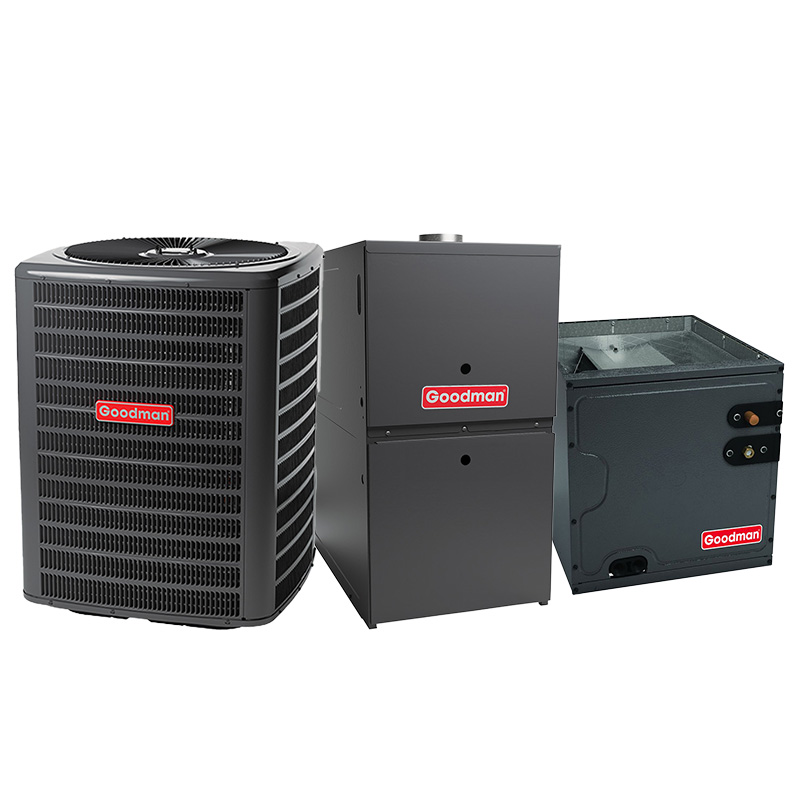
Goodman 3 Ton AC And 100000 BTU 80% AFUE Gas Furnace System | 17.5 SEER2 Two Stage AC | Variable Speed Two Stage Furnace | Upflow | R32
View on AC Direct see your lowest price →Check current price on AC Direct →
Key features
- 17.5 SEER2 two-stage compressor reduces short cycling and improves humidity removal
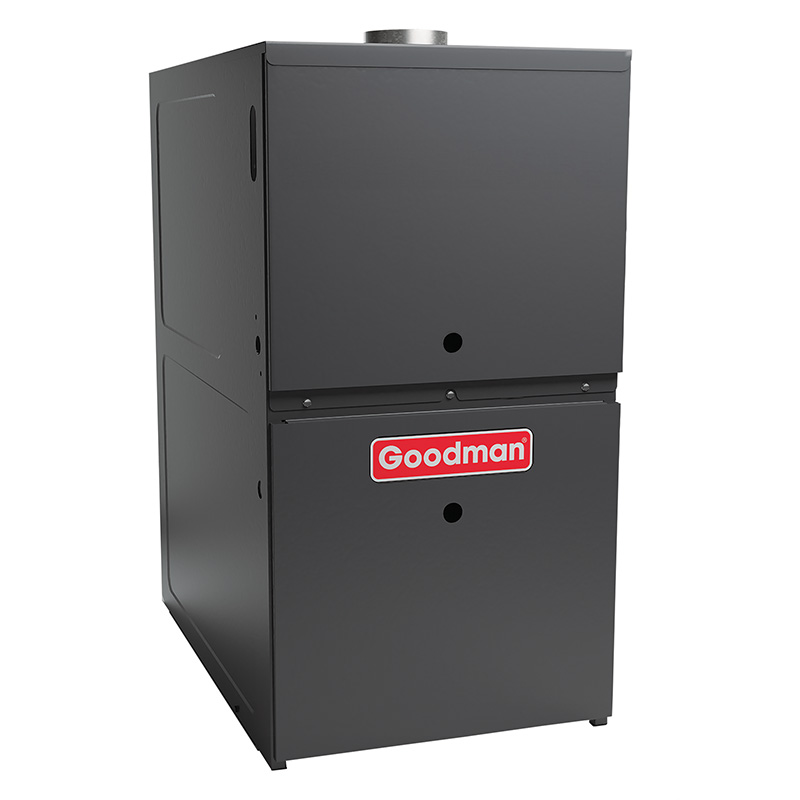
- 100,000 BTU 80% AFUE two-stage gas furnace with variable-speed ECM blower motor
- R-32 refrigerant with lower global warming potential than R-410A
- Upflow configuration suits basement and closet installations in most home layouts
- Variable-speed blower delivers quieter, more even airflow than single-speed alternatives
- Two-stage heating and cooling operation for improved temperature consistency and part-load efficiency
About this system
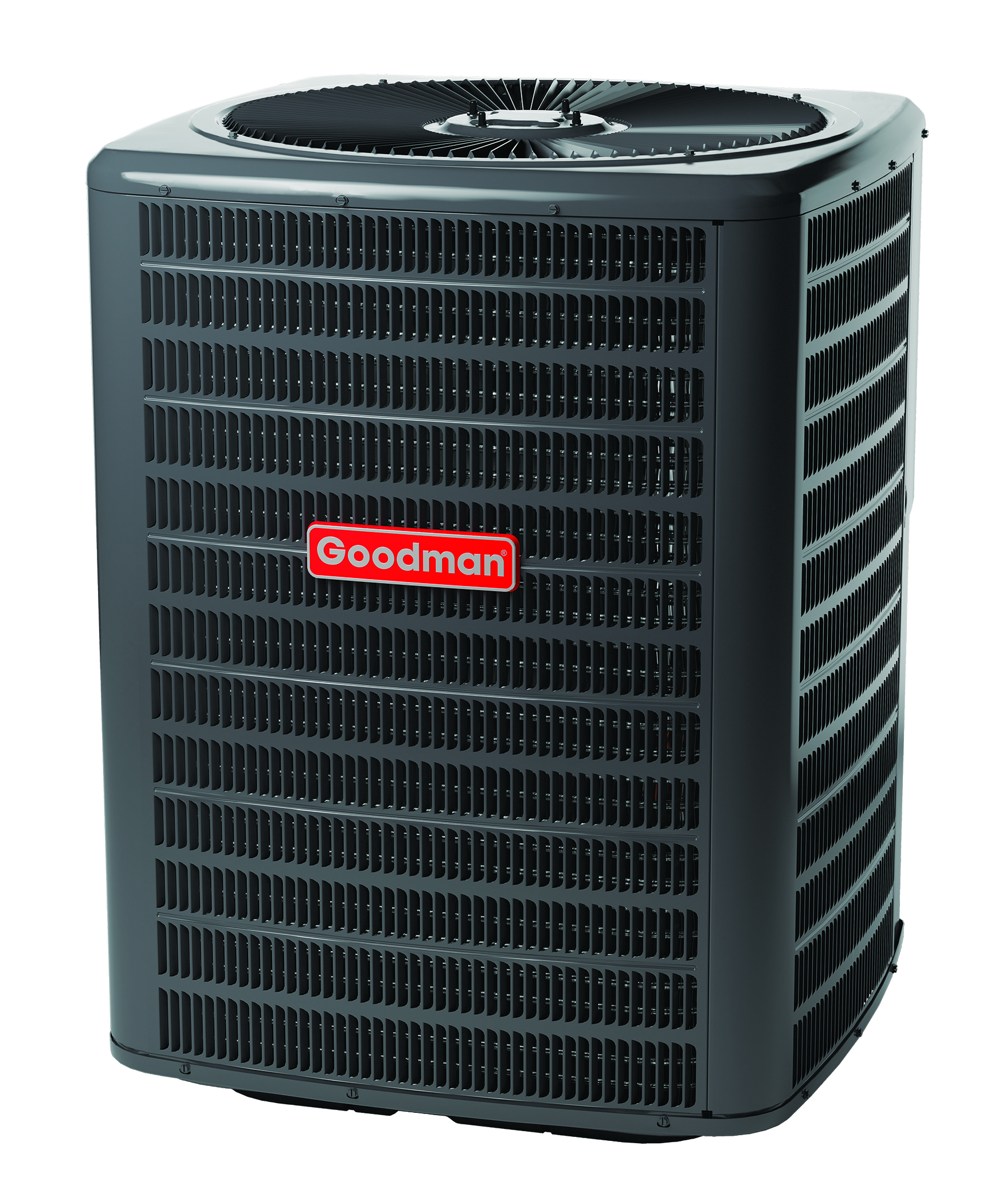
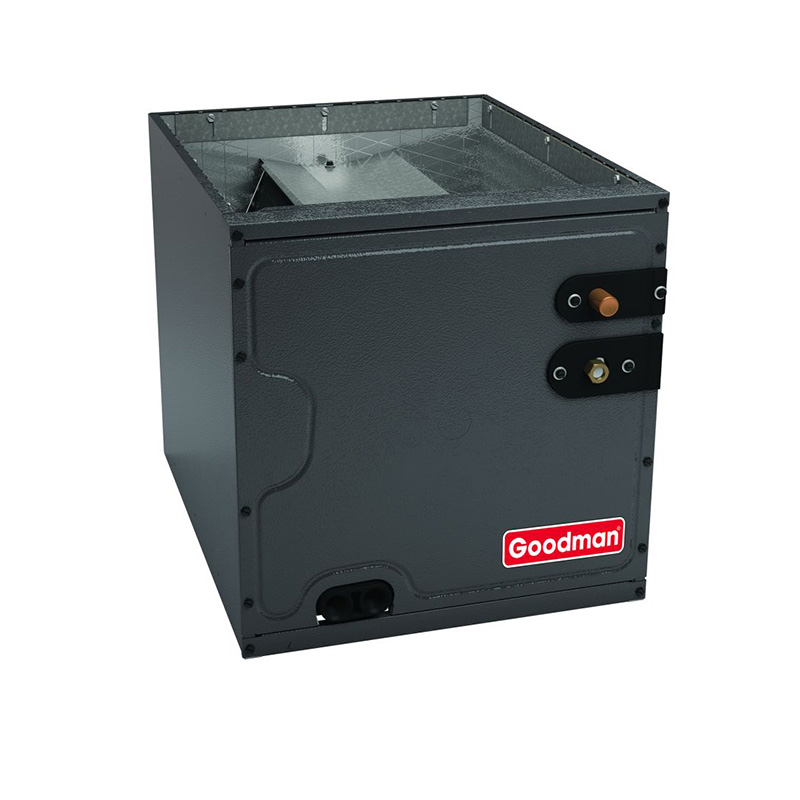
This Goodman bundle pairs a 3-ton, 17.5 SEER2 two-stage air conditioner with a 100,000 BTU, 80% AFUE variable-speed two-stage gas furnace in an upflow configuration. The two-stage compressor is the meaningful upgrade here: it runs at a lower capacity on most days, reducing short cycling, evening out humidity control, and cutting sound levels compared with a single-stage unit. The variable-speed air handler motor ramps airflow gradually, which improves comfort distribution and filter efficiency while trimming blower electricity costs.
R-32 refrigerant is the other noteworthy spec. It carries a lower global warming potential than the R-410A it replaces, and it runs at slightly higher efficiency due to its thermodynamic properties. Practically speaking, R-32 requires technicians who are familiar with it and equipment that is rated for its higher working pressures, so you will want to confirm your installer has hands-on experience with it before committing. The upflow configuration is the most common residential arrangement, sending conditioned air upward through return ducts, and it suits basement or closet installs in most single-story or multi-story homes.
At 17.5 SEER2, this system sits comfortably above the federal minimum efficiency thresholds for most U.S. climate zones, and it may qualify for federal tax credits under the Inflation Reduction Act energy efficiency provisions. It is not a top-tier efficiency product, but it represents a reasonable middle ground for homeowners who want meaningfully better comfort than entry-level equipment without paying for premium-brand pricing.
This Goodman bundle delivers genuine two-stage comfort and solid mid-tier efficiency at a price point that is typically 15 to 25 percent below comparable Trane, Lennox, or Carrier systems. It is a reasonable choice for budget-conscious buyers who prioritize upfront cost and are willing to plan for possible component repairs in years 7 and beyond. The R-32 refrigerant and variable-speed blower add real value, but long-term durability depends heavily on installer quality and routine maintenance.
Overall score is the average of the five ratings above.
What we like
- Two-stage AC and furnace combination improves humidity control and reduces uncomfortable temperature swings
- 17.5 SEER2 rating clears federal efficiency thresholds and may qualify for energy tax credits
- R-32 refrigerant is more environmentally responsible and slightly more thermodynamically efficient than R-410A
- Variable-speed ECM blower lowers blower electricity consumption and reduces noise compared with single-speed motors
- Priced 15 to 25 percent below premium brands for comparable stage and efficiency specs
Trade-offs
- Dual-run capacitors are the most frequently reported failure point, typically needing replacement between years 5 and 10 at a cost of roughly 300 to 600 dollars
- Evaporator coil leaks appear in a meaningful share of owner reviews, which can be a more expensive repair than a capacitor swap
- Compressor lifespan averages 10 to 14 years versus 15 to 20 years reported for premium brands, affecting long-run cost of ownership
- R-32 requires a certified technician with specific experience handling it; not every local HVAC company is equipped yet
What homeowners and pros say about Goodman
Goodman’s reputation among homeowners is genuinely split. On ConsumerAffairs, the brand scores around 2.5 out of 5, a figure shaped by the platform’s complaint-heavy user base, where the recurring frustration is repair costs climbing after roughly year 7. On Google dealer reviews, the picture is more favorable at around 3.8 out of 5, where the most consistent praise is that Goodman equipment delivers solid performance relative to what homeowners paid for it. For this specific two-stage system, buyers who report satisfaction tend to be those who invested in a thorough installation with proper commissioning, correct refrigerant charge, and a matched coil.
HVAC technicians are candid about the documented weak points. Dual-run capacitors are the part most likely to fail first, usually a quick and relatively affordable repair in the 300 to 600 dollar range when caught early. Evaporator coil leaks are a more serious concern cited in a meaningful share of owner reviews and can be a more expensive fix. Compressor longevity at an average of 10 to 14 years is noticeably shorter than the 15 to 20 years seen with premium brands, which matters when calculating total cost of ownership over a 15-year horizon. There is also a minority of reports of refrigerant leaks in the first year, which technicians generally attribute to install or charge issues rather than factory defects, reinforcing why installer selection is so important with this brand. None of these issues are unique to Goodman, but they occur at a higher rate than with Trane, Carrier, or Lennox at comparable ages.
Sources: ConsumerAffairs Goodman owner reviews, AHRI Directory of Certified Product Performance, U.S. DOE appliance and equipment efficiency standards, Goodman product specification sheets.
What it costs to run
At 17.5 SEER2, cooling this 3-ton system for a typical 1200-hour cooling season at the U.S. average electricity rate of $0.17/kWh works out to roughly $420 per year in cooling, about $128 less per year than a minimum-efficiency 13.4 SEER2 unit of the same size. Your real cost depends on your climate and local rate.
Method: (36,000 BTU/hr ÷ 17.5 SEER2) × 1200 hours ÷ 1000 × $0.17/kWh. Rate source: U.S. EIA average; cooling hours: moderate-climate estimate.
How it compares
| Brand | Comparable model | SEER2 | Stage | Price position |
|---|---|---|---|---|
| Goodman | GSXC703610 / GMVC81005CN (this system) | 17.5 | Two-stage | Value pick |
| Carrier | Comfort 17 (24ACC7) | 17 | Two-stage | Typically 15 to 25 percent more than this Goodman bundle |
| Trane | XR17 | 17 | Two-stage | Typically 15 to 25 percent more than this Goodman bundle |
| Lennox | Merit ML17XC2 | 17 | Two-stage | Typically 15 to 25 percent more than this Goodman bundle |
Competitor rows are comparable single-stage units at similar efficiency; price is relative position, not a quote.
Questions about this system
Does this system qualify for the federal energy efficiency tax credit?
At 17.5 SEER2 with a two-stage compressor, this AC unit is likely to meet the efficiency threshold for the 25C federal tax credit, which can cover up to 30 percent of equipment and installation costs up to a $600 cap for cooling equipment. You should verify current IRS guidance and your specific installation qualifies before filing.
Is R-32 refrigerant safe, and can any HVAC technician service it?
R-32 is classified as mildly flammable (A2L rating), which means it requires technicians trained and equipped for A2L refrigerants. It is not interchangeable with R-410A tools or recovery equipment. Confirm before hiring that your installer and any future service technician has R-32 certification and the proper equipment.
What are the most likely repairs I should budget for over the life of this system?
Based on documented Goodman owner reports, dual-run capacitors are the most common repair, typically costing 300 to 600 dollars and usually straightforward to fix. Evaporator coil leaks are the next most cited issue and are more expensive to address. Budgeting for a service contract or setting aside a repair fund after year 7 is a practical approach with this brand.
Why does this furnace have 80% AFUE rather than 96% or higher, and does that matter for my climate?
An 80% AFUE furnace vents combustion gases through a standard metal flue rather than PVC condensate piping, which simplifies installation in homes with existing chimneys or B-vent setups. In warmer climates or mixed climates where heating hours are moderate, the payback period on a high-efficiency 96%+ AFUE furnace can stretch to 10 or more years, so 80% AFUE can be the financially sensible choice. In colder northern climates with long heating seasons, a 96%+ unit often pays back faster.
How important is the installer choice with a Goodman system specifically?
Installer quality is critical with any HVAC brand, but it is especially consequential with Goodman. HVAC technicians frequently note that Goodman's long-term performance is more sensitive to proper refrigerant charge, airflow setup, and electrical connections than premium brands with tighter factory tolerances. Some first-year refrigerant leak reports traced back to install or charge issues rather than factory defects. Choosing an installer with strong local reviews and Goodman experience is one of the highest-leverage decisions you can make with this purchase.
Specifications
| Cooling capacity | 3 Ton |
| Efficiency | 17.5 SEER2 |
| Furnace output | 100000 BTU |
| Furnace efficiency | 80% AFUE |
| Configuration | Upflow |
| Refrigerant | R-32 |