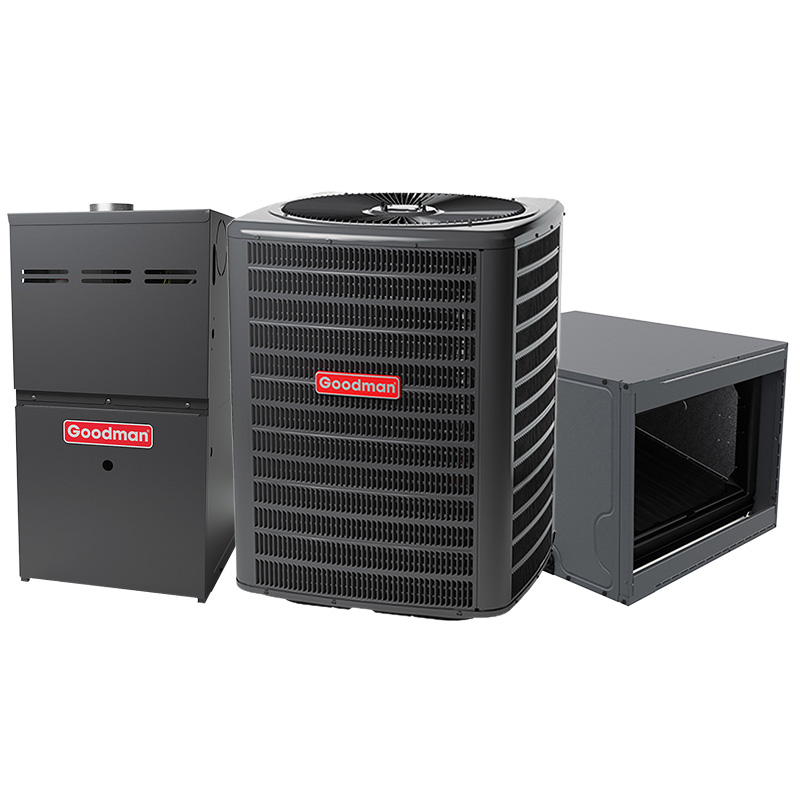
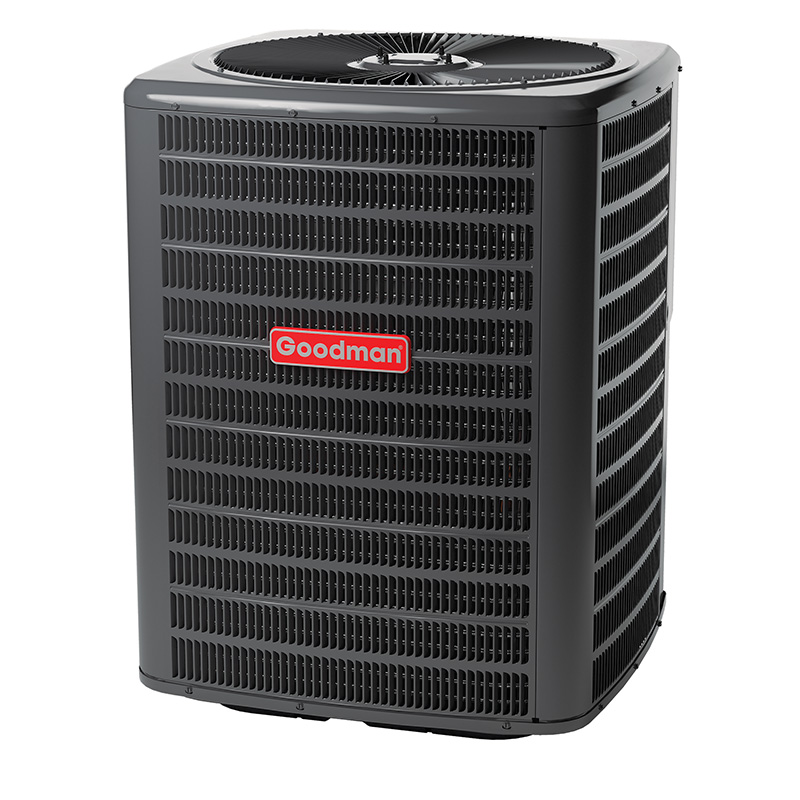
Goodman 3 Ton AC And 100000 BTU 80% AFUE Gas Furnace System | 16 SEER2 AC | Multi-Speed ECM Low NOx Furnace | Horizontal | R32
View on AC Direct see your lowest price →Check current price on AC Direct →
Key features
- 3-ton, 16 SEER2 AC rated for up to approximately 1,500 sq ft depending on climate and insulation
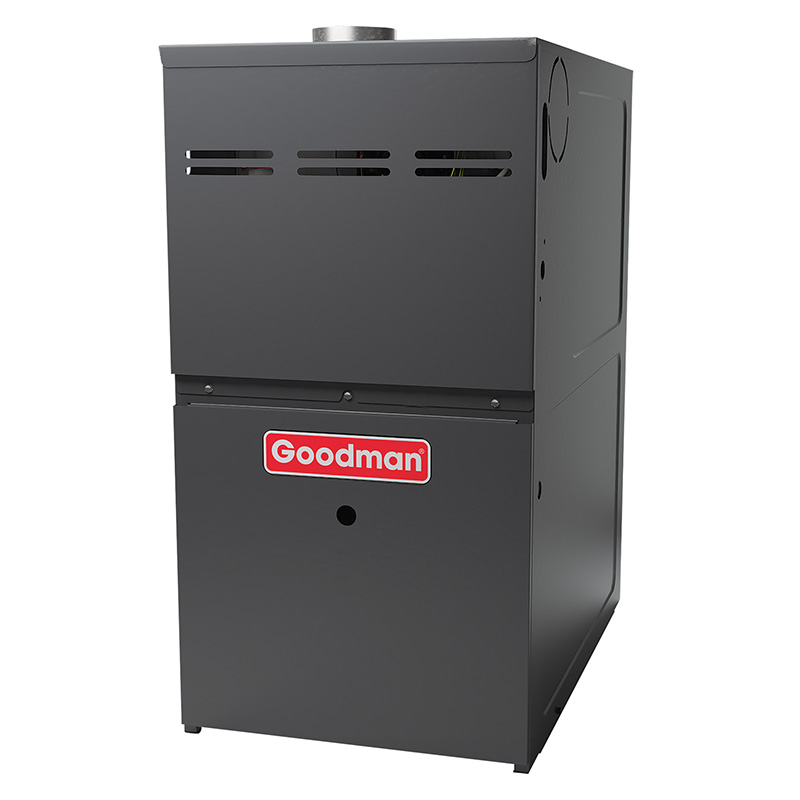
- 100,000 BTU 80% AFUE multi-speed ECM gas furnace in horizontal configuration
- R-32 refrigerant: lower global warming potential than R-410A, increasingly available through HVAC distributors
- ECM blower motor reduces blower energy use compared to standard PSC motors
- Low NOx burner design meets California and other regional air-quality emission standards
- Horizontal cabinet orientation designed for attic, crawlspace, or closet side-discharge installations
About this system
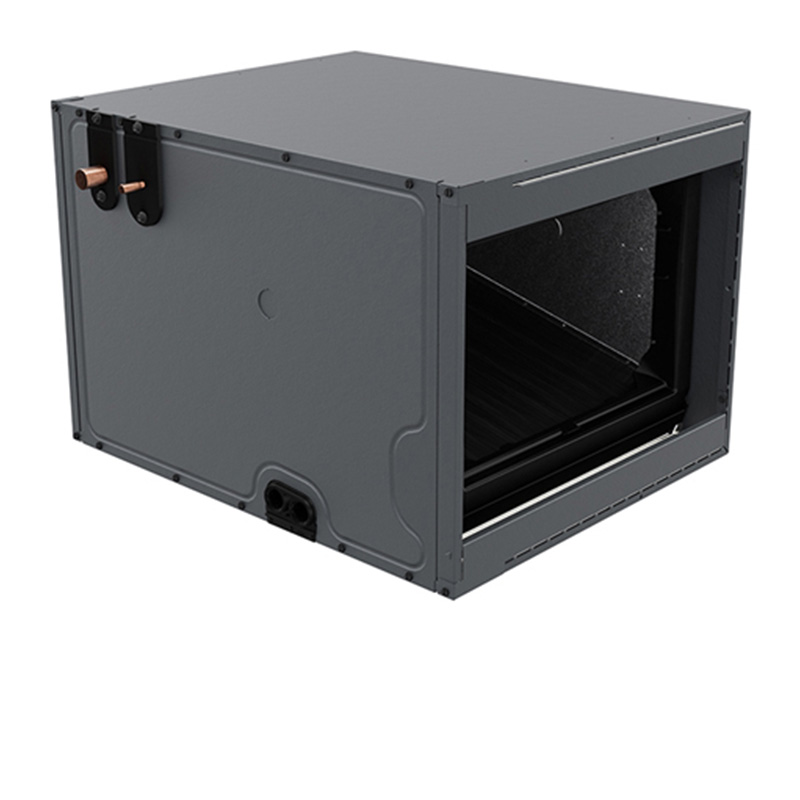
This Goodman bundle pairs a 3-ton, 16 SEER2 split-system air conditioner with a 100,000 BTU, 80% AFUE multi-speed ECM gas furnace in a horizontal configuration, making it a practical match for homes with attic or crawlspace installations where vertical unit placement is not an option. The R-32 refrigerant charge is a forward-looking choice: R-32 has a lower global warming potential than the outgoing R-410A and is becoming the industry standard, so sourcing refrigerant for future service calls should remain straightforward for the foreseeable future. The multi-speed ECM blower motor improves comfort distribution and cuts blower electricity costs compared to a standard PSC motor, which is a meaningful upgrade at this price tier.
At 16 SEER2, the cooling side sits at the lower edge of what most utility rebate programs recognize as mid-efficiency, delivering a real but modest improvement over minimum-code equipment. The 80% AFUE furnace is the entry point for gas heat efficiency, meaning roughly 20 cents of every heating dollar exits through the flue. Homeowners in climates with long, cold winters will want to weigh whether a 96% AFUE two-stage furnace would pay back the upfront cost difference over time. That said, for moderate heating climates or homeowners prioritizing upfront cost control, this bundle is a workable, code-compliant solution built around equipment that is widely stocked and serviced across the country.
This system offers a cost-accessible entry into mid-efficiency climate control and is a reasonable fit for budget-conscious homeowners who prioritize upfront savings and have access to a skilled installer. Goodman's real-world longevity is install-dependent, and buyers should plan for likely capacitor and potentially coil-related service calls in the mid-to-late years of ownership. It is not a buy-it-and-forget-it system at the level of premium brands, but at its price point that trade-off is transparent.
Overall score is the average of the five ratings above.
What we like
- Priced 15 to 25 percent below comparable Carrier, Trane, and Lennox systems, lowering the barrier to a full system replacement
- R-32 refrigerant is a future-oriented choice that avoids the supply uncertainty now surrounding R-410A
- ECM multi-speed blower delivers quieter operation and better humidity control than a single-speed PSC motor at this price tier
- Low NOx burner qualifies for installation in California and other NOx-regulated markets
- Horizontal configuration directly addresses attic and crawlspace installations where most bundled systems do not fit without modification
Trade-offs
- 80% AFUE is the lowest efficiency tier for gas furnaces; homes in cold climates will see meaningfully higher heating bills than with a 96% AFUE unit
- Dual-run capacitors are the most commonly reported failure point for Goodman AC units, typically surfacing in years 5 through 10
- Evaporator coil leaks appear in a notable share of owner reviews, and compressor lifespan averages 10 to 14 years versus 15 to 20 for premium-brand compressors
- A minority of owners report refrigerant leaks within the first year, which is generally linked to install or initial charge quality rather than the equipment itself, underscoring how heavily this brand's outcomes depend on installer skill
What homeowners and pros say about Goodman
Homeowners who share their experiences with Goodman equipment tend to cluster around two very different outcomes. On Google dealer review pages, where ratings aggregate around 3.8 out of 5, the most consistent praise is straightforward: the system works, the price was right, and the installer made it happen without drama. Those accounts typically come from the first several years of ownership. The picture shifts on ConsumerAffairs, where Goodman scores around 2.5 out of 5 across a complaint-heavy channel, and the recurring pattern involves repair costs that begin stacking up after roughly year 7. That gap between the two ratings channels is not a contradiction. It reflects a real ownership arc: satisfactory early performance followed by more frequent service needs as the unit ages into its second decade.
HVAC professionals who work on Goodman equipment regularly tend to hold a pragmatic view of the brand. They flag dual-run capacitor failures as the most predictable service call, a part that fails across many AC brands but shows up with some regularity in Goodman units, usually in the 300 to 600 dollar repair range. Evaporator coil leaks draw more concern because they represent a larger repair cost and appear with enough frequency in owner feedback to warrant attention. Compressor lifespan running in the 10 to 14 year range, versus the 15 to 20 years typical of premium-brand compressors, is the other honest trade-off that shapes how pros talk about this equipment. For this specific horizontal bundle, installers also note that the outcome depends heavily on proper refrigerant charge and airflow setup from day one, since early refrigerant leak complaints in Goodman systems are almost always traced back to the installation rather than the factory build.
Sources: ConsumerAffairs Goodman owner reviews, AHRI Directory of Certified Product Performance, U.S. DOE appliance and equipment efficiency standards, Goodman product specification sheets.
What it costs to run
At 16 SEER2, cooling this 3-ton system for a typical 1200-hour cooling season at the U.S. average electricity rate of $0.17/kWh works out to roughly $459 per year in cooling, about $89 less per year than a minimum-efficiency 13.4 SEER2 unit of the same size. Your real cost depends on your climate and local rate.
Method: (36,000 BTU/hr ÷ 16 SEER2) × 1200 hours ÷ 1000 × $0.17/kWh. Rate source: U.S. EIA average; cooling hours: moderate-climate estimate.
How it compares
| Brand | Comparable model | SEER2 | Stage | Price position |
|---|---|---|---|---|
| Goodman | GLXS4BA36 + GMVC8 (this system) | 16 | Single-stage AC / Multi-speed furnace | Value pick |
| Carrier | Comfort 16 (24ACC636) + 58TP 80% furnace | 16 | Single-stage AC / Multi-speed furnace | Approximately 15 to 20 percent higher than this system |
| Trane | XR16 (4TTR6036) + S8B1 80% furnace | 16 | Single-stage AC / Multi-speed furnace | Approximately 20 to 25 percent higher than this system |
| Lennox | Merit 16 (14ACX-036) + ML180 80% furnace | 16 | Single-stage AC / Multi-speed furnace | Approximately 20 to 25 percent higher than this system |
Competitor rows are comparable single-stage units at similar efficiency; price is relative position, not a quote.
Questions about this system
Is 80% AFUE good enough, or should I pay more for a 96% AFUE furnace?
For mild climates where the furnace runs only a few months a year, 80% AFUE is often cost-effective because the payback period on the efficiency upgrade stretches out. In colder regions where you heat for five or more months, a 96% AFUE furnace can save enough on annual gas bills to recover the price difference within several years. Run your local heating degree-day numbers or ask your installer to model the payback before deciding.
What does the horizontal configuration actually mean, and can this furnace be installed vertically?
Horizontal means the unit is designed to lie on its side, discharging air through a side outlet, which is the standard arrangement for attic and crawlspace installations. This specific cabinet is configured for horizontal use; installing it in a vertical upflow or downflow orientation would require a different model. Confirm your installation space and airflow direction with your contractor before ordering.
What should I know about R-32 refrigerant compared to what my old system used?
R-32 replaces R-410A as the dominant residential refrigerant and carries a significantly lower global warming potential. It is mildly flammable (A2L classification), which means technicians need specific recovery and handling equipment, but the vast majority of HVAC contractors are already equipped or transitioning to comply with new refrigerant regulations. Availability is growing, so future recharging or service should not be a problem.
How worried should I be about the capacitor and coil failure reports for Goodman equipment?
Dual-run capacitor failures are the most commonly documented issue with Goodman AC units and typically occur between years 5 and 10; the repair generally costs between 300 and 600 dollars and is a routine call for any HVAC technician. Evaporator coil leaks are a more serious concern and appear in a meaningful portion of owner reviews, so budgeting for a potential coil replacement or ensuring it falls under your warranty period is worth considering. Reviewing Goodman's current warranty terms for coil coverage before purchase is a practical step.
How much does installer quality actually affect how long this system lasts?
For Goodman specifically, HVAC technicians consistently cite install quality as the single largest variable in system lifespan and reliability. Issues like improper refrigerant charge, poor ductwork connections, and incorrect airflow setup are the root cause of many first-year refrigerant leak complaints and accelerate wear on components over time. Spending on a licensed, experienced contractor with strong local reviews is likely the highest-return investment you can make alongside this purchase.
Specifications
| Cooling capacity | 3 Ton |
| Efficiency | 16 SEER2 |
| Furnace output | 100000 BTU |
| Furnace efficiency | 80% AFUE |
| Configuration | Horizontal |
| Refrigerant | R-32 |