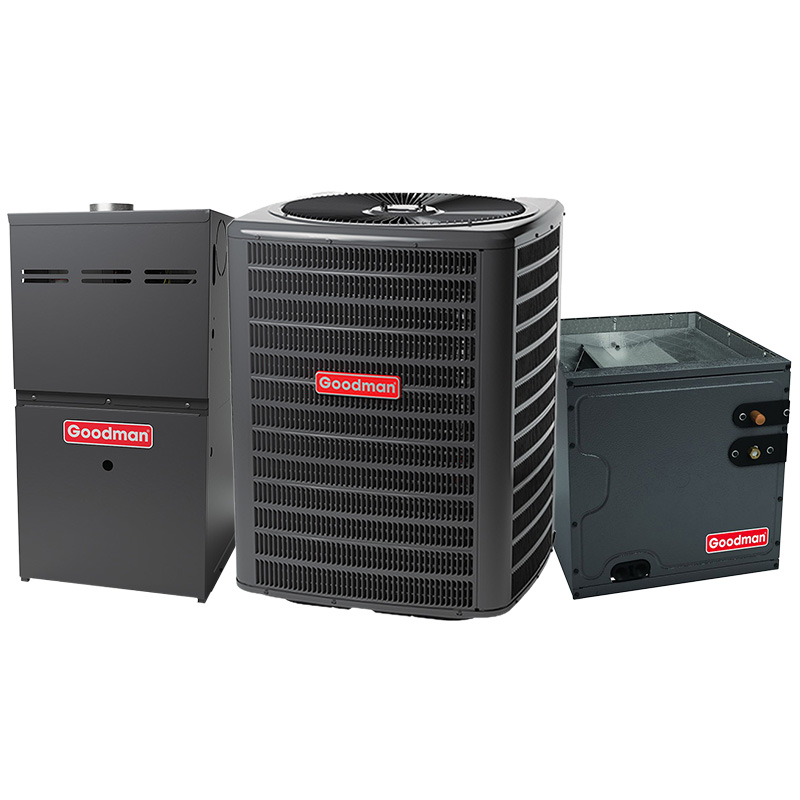
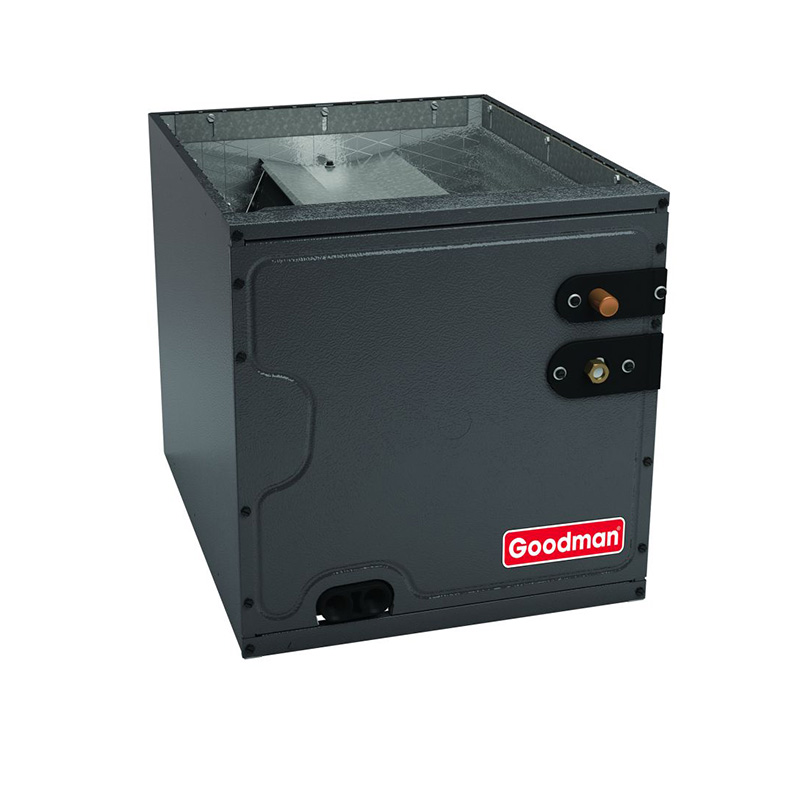
Goodman 3 Ton AC And 80000 BTU 80% AFUE Gas Furnace System | 15.2 SEER2 AC | Multi-Speed ECM Low NOx Furnace | Upflow | R32
View on AC Direct see your lowest price →Check current price on AC Direct →
Key features
- 3-ton cooling capacity matched with 80,000 BTU heat output for mid-size homes
- 15.2 SEER2 efficiency rating meets current federal standards with moderate energy savings
- R-32 refrigerant with lower global warming potential than legacy R-410A systems
- 80% AFUE upflow gas furnace with multi-speed ECM blower motor
- Low NOx burner meets California and other stringent air-quality regulations
- Factory-matched system designed for consistent performance when correctly installed
About this system
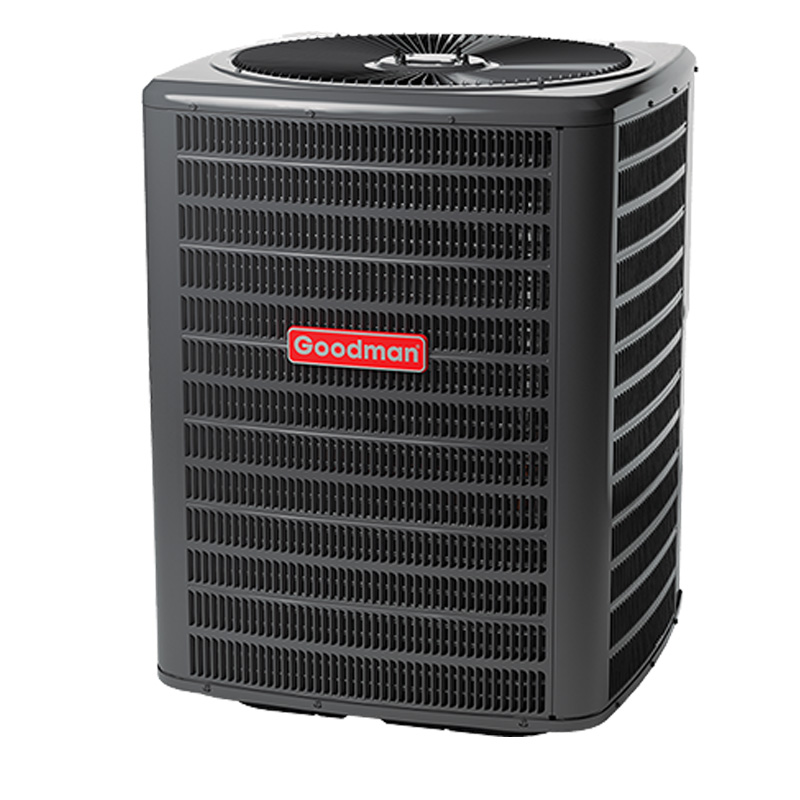
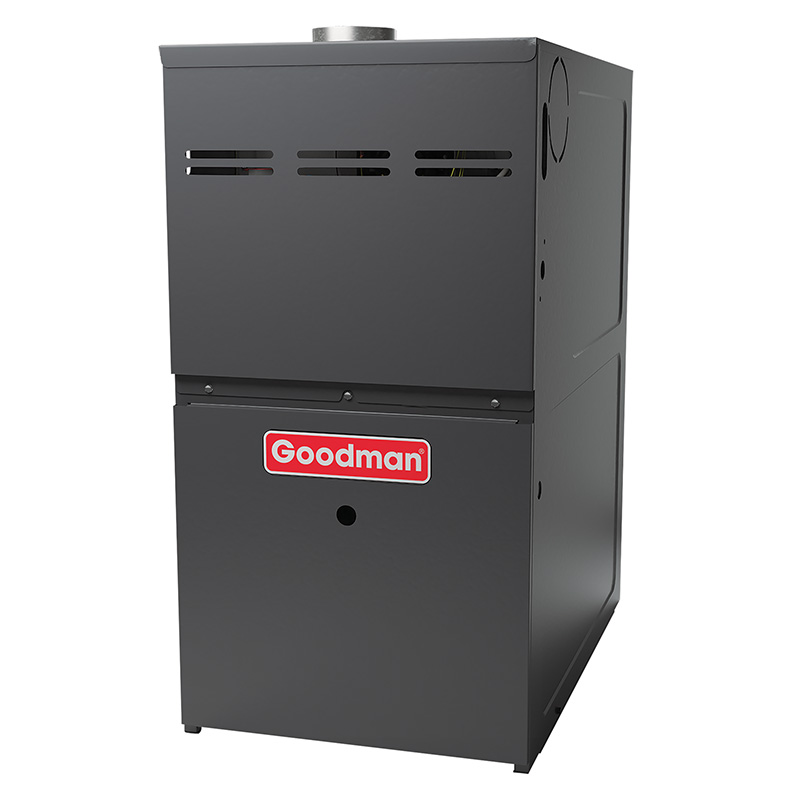
This Goodman bundle pairs a 3-ton, 15.2 SEER2 air conditioner with an 80,000 BTU, 80% AFUE upflow gas furnace into a matched system sized for homes roughly in the 1,400 to 1,900 square-foot range, depending on climate and insulation. The AC runs on R-32 refrigerant, a lower-global-warming-potential alternative to the older R-410A that is becoming the new industry baseline. At 15.2 SEER2, it clears the federal minimum efficiency threshold by a modest margin, which means operating costs will be reasonable but not class-leading compared to 17 or 18 SEER2 systems. The furnace’s multi-speed ECM blower motor improves airflow consistency and cuts fan electricity use compared to a standard PSC motor, and the Low NOx burner design meets stricter air-quality regulations in California and other regulated states.
The upflow configuration means warm or cooled air exits the top of the unit and feeds into overhead ductwork, making this the right fit for installations in basements, utility closets, or on-grade mechanical rooms where ducts run through the floor or ceiling above. At 80% AFUE, one dollar in five of your gas spend exits as exhaust rather than heat, so homeowners in very cold climates who run the furnace heavily may want to weigh a 96% AFUE alternative. That said, for moderate heating climates or for buyers whose primary concern is summer cooling rather than winter heating, the 80% tier hits a practical cost-versus-efficiency sweet spot. The system is best suited to buyers who want a dependable, code-compliant replacement without paying premium-brand prices, provided they hire an experienced installer and keep up with annual maintenance.
This Goodman bundle is a solid entry-level system that gets the fundamentals right at a price point 15 to 25 percent below comparable Carrier, Trane, and Lennox packages. It is not the most efficient or the most durable option on the market, and long-term costs depend heavily on install quality and routine maintenance. For budget-conscious homeowners willing to invest in a skilled installer and a service agreement, it represents genuine value.
Overall score is the average of the five ratings above.
What we like
- Priced 15 to 25 percent below comparable premium-brand systems, lowering the upfront barrier
- R-32 refrigerant is forward-looking and compliant with tightening environmental regulations
- ECM multi-speed blower reduces fan electricity consumption and improves air distribution
- Low NOx furnace qualifies for installation in California and other regulated-emission states
- Factory-matched AC and furnace pairing simplifies equipment selection and warranty alignment
Trade-offs
- Dual-run capacitors are the most commonly reported failure point, with repair costs typically running $300 to $600
- Compressor lifespan averages 10 to 14 years, shorter than the 15 to 20 years reported for premium brands
- Evaporator coil leaks appear in a meaningful share of owner reviews and can be costly to address
- 80% AFUE means significant heat loss up the flue, which adds up in cold-climate markets with long heating seasons
What homeowners and pros say about Goodman
Homeowners who research Goodman online encounter a split picture. On ConsumerAffairs, the brand scores around 2.5 out of 5, a channel that disproportionately captures people motivated to complain, and the recurring theme in those reviews is repair costs that start climbing after roughly year seven. Google dealer reviews tell a more moderate story, averaging around 3.8 out of 5 across multiple locations, where affordability is the most common reason people say they are satisfied. For this specific system, the pattern holds: buyers who got a competitive price and had no installation problems tend to be happy; buyers who faced early issues often trace them to workmanship rather than the equipment itself. The most frequently cited hardware problem across Goodman AC systems is dual-run capacitor failure, which is a low-cost fix but still an inconvenience. Evaporator coil leaks appear in a meaningful share of longer-term owner accounts and are more involved to repair.
HVAC technicians who work on Goodman equipment regularly are generally pragmatic about it. They note that the compressors in Goodman condensers tend to average 10 to 14 years before replacement becomes a conversation, compared to 15 to 20 years they associate with Trane or Carrier compressors, and they factor that into what they tell budget-focused clients. On the furnace side, the ECM blower in this unit gets positive marks for quiet operation and efficiency relative to older motor types. The Low NOx burner is noted as a genuine feature rather than a marketing add-on, particularly for California homeowners navigating air district rules. The consistent professional advice around this brand is the same regardless of the model: spend the money on a thorough commissioning at startup, sign up for annual maintenance, and keep a repair fund available for the capacitor or coil issues that show up more often than on premium equipment.
Sources: ConsumerAffairs Goodman owner reviews, AHRI Directory of Certified Product Performance, U.S. DOE appliance and equipment efficiency standards, Goodman product specification sheets.
What it costs to run
At 15.2 SEER2, cooling this 3-ton system for a typical 1200-hour cooling season at the U.S. average electricity rate of $0.17/kWh works out to roughly $483 per year in cooling, about $65 less per year than a minimum-efficiency 13.4 SEER2 unit of the same size. Your real cost depends on your climate and local rate.
Method: (36,000 BTU/hr ÷ 15.2 SEER2) × 1200 hours ÷ 1000 × $0.17/kWh. Rate source: U.S. EIA average; cooling hours: moderate-climate estimate.
How it compares
| Brand | Comparable model | SEER2 | Stage | Price position |
|---|---|---|---|---|
| Goodman | GSXH503610 + GMVC8 / GVC8 series (this system) | 15.2 | Single-stage | Value pick |
| Carrier | Comfort 14 / 15 series (24ACC6) | 15.2 | Single-stage | Typically 15 to 25 percent more than this Goodman system |
| Trane | XR15 series (4TTR5) | 15.0 to 15.5 | Single-stage | Typically 15 to 25 percent more than this Goodman system |
| Lennox | Merit ML15 series | 15.2 | Single-stage | Typically 15 to 25 percent more than this Goodman system |
Competitor rows are comparable single-stage units at similar efficiency; price is relative position, not a quote.
Questions about this system
Is 15.2 SEER2 enough efficiency, or should I pay more for a higher-rated system?
15.2 SEER2 meets current federal minimums and will cut energy use compared to an older 10 or 12 SEER system. If you run AC heavily from June through September in a hot climate, stepping up to a 17 or 18 SEER2 unit typically pays back the price difference in 5 to 8 years through lower electric bills. For mild-climate or moderate-use homeowners, the savings gap narrows and the 15.2 tier makes more financial sense.
What are the most common repairs I should budget for on this Goodman system?
Based on documented owner experience, dual-run capacitor failure is the most frequently reported issue and is usually a straightforward repair in the $300 to $600 range. Evaporator coil leaks and refrigerant loss show up in a meaningful share of reviews and are more expensive to fix. A small percentage of owners report refrigerant leaks within the first year, which is typically tied to installation or charge quality rather than the equipment itself.
Does the R-32 refrigerant affect what technician I can use for service?
R-32 requires EPA Section 608 certification, which any licensed HVAC technician already holds. However, R-32 is mildly flammable, so technicians need to be familiar with proper handling procedures. Most established HVAC companies are already working with R-32 as it becomes the industry standard, but it is worth confirming your service provider has current experience with it before scheduling work.
My house is in California. Will this Low NOx furnace pass local air quality requirements?
Yes. The Low NOx burner designation on this furnace is specifically designed to meet the stricter nitrogen oxide emission limits enforced by California air quality management districts and similar regulated jurisdictions. Confirm the exact NOx rating in the product documentation against your local district's published threshold before purchasing, as requirements can vary by county.
How much does the installer choice actually matter with this system?
It matters a great deal. Goodman's own track record, and the technician community's consistent feedback, points to install quality as the single biggest factor in how long the system runs without problems. Improper refrigerant charge, duct sizing errors, or poor electrical connections account for a large share of early failures including the first-year refrigerant leaks documented in owner reviews. Choosing a licensed, experienced installer and getting a commissioning report is as important as the equipment itself.
Specifications
| Cooling capacity | 3 Ton |
| Efficiency | 15.2 SEER2 |
| Furnace output | 80000 BTU |
| Furnace efficiency | 80% AFUE |
| Configuration | Upflow |
| Refrigerant | R-32 |